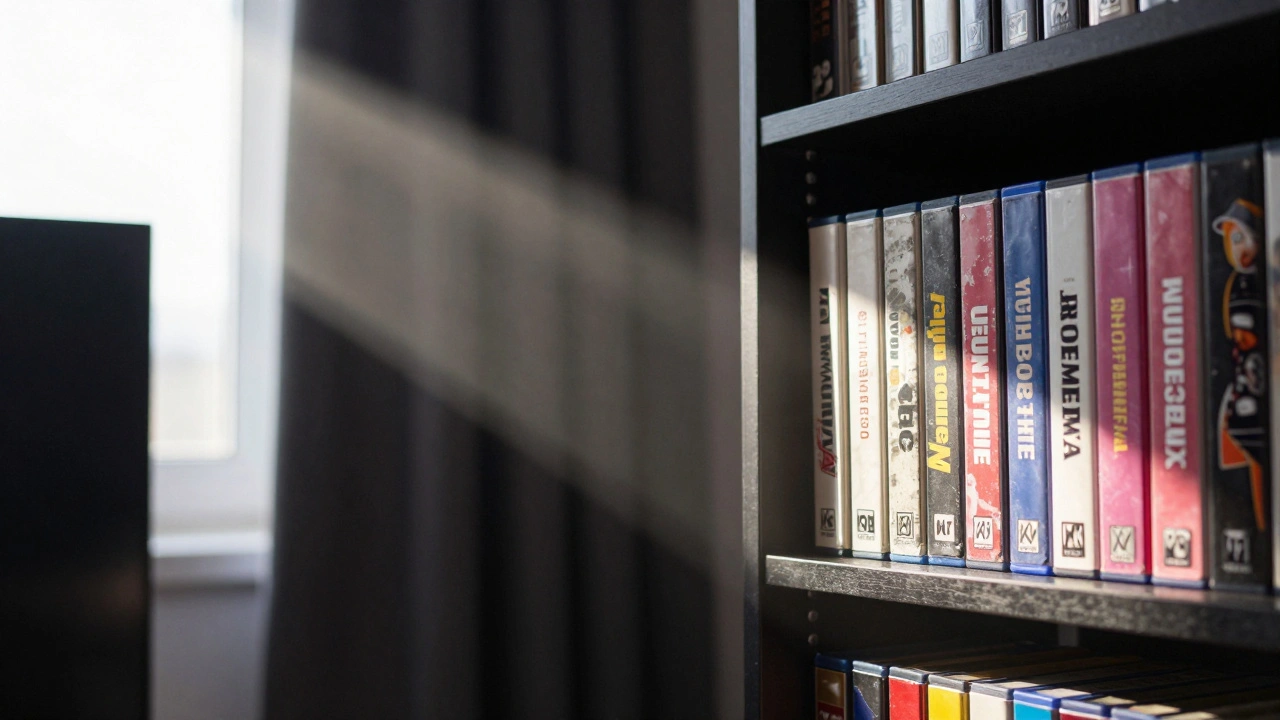
You spend years hunting down that mint-condition copy of a rare RPG or a limited edition collector's box, only to realize that the sunlight hitting your shelves is slowly erasing the cover art. It's a heartbreaking process: the vibrant reds turn to a dull pink, and the deep blacks fade into a grayish haze. For any serious collector, the battle between wanting a bright, inviting space and protecting physical media is a constant struggle. The goal isn't to live in a dark cave, but to use game room lighting that looks great without chemically altering your collection.
The Silent Killer: Why Sunlight is Your Worst Enemy
Before we talk about bulbs and strips, we have to address the biggest threat. Direct sunlight is a powerhouse of ultraviolet (UV) radiation. This radiation breaks down the chemical bonds in the ink and dyes used on game boxes, a process called photodegradation. Whether it's a cardboard sleeve from the NES era or a modern SteelBook, UV rays will bleach the colors over time. Even indirect sunlight can cause cumulative damage if your room is bright all day.
The most effective defense is a physical barrier. If your collection is near a window, install Blackout Curtains. These aren't just for sleeping in; they block nearly 100% of the light during the day. If you prefer a more permanent look, consider UV-filtering window films. These transparent layers block the harmful spectrum of light while still letting a bit of natural brightness into the room, so you don't feel like you're in a bunker.
Switching to LED: The Gold Standard for Preservation
If you're still using old incandescent or halogen bulbs, you're fighting a two-front war: UV damage and heat. Old-school bulbs get hot-really hot. This heat can warp plastic disc cases and dry out cardboard, making it brittle. This is why LED Lighting is the only real choice for a game room. LEDs produce very little heat and, crucially, they don't emit the same UV radiation that traditional bulbs do.
However, not all LEDs are created equal. For the best results, look for strips with built-in heat sinks. This ensures that any heat generated is dissipated away from your shelves. If you're displaying high-value figures alongside your games, look for lights with a high Color Rendering Index (CRI). This ensures that the colors of your collectibles look natural and vivid without needing to crank up the brightness to dangerous levels.
| Lighting Type | Heat Level | UV Risk | Preservation Rating |
|---|---|---|---|
| Natural Sunlight | High | Extreme | Dangerous |
| Incandescent | Very High | Low | Risky (Heat Warp) |
| Fluorescent | Medium | Moderate | Caution |
| LED Strips | Low | Negligible | Safe |
Mastering Indirect Lighting Placement
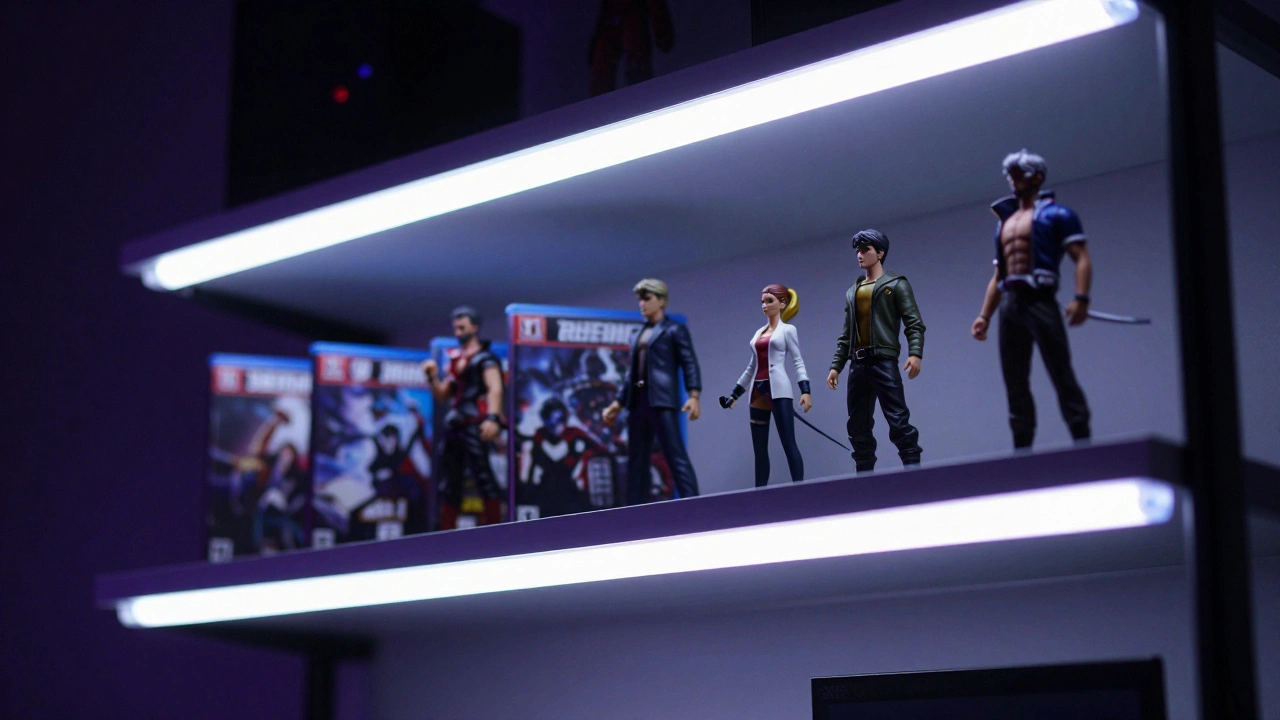
Where you put the light is just as important as what kind of light you use. Direct lighting-like a spotlight pointing straight at a shelf-creates "hotspots." These are concentrated areas of light and heat that can cause localized fading on the spines of your games. Instead, aim for indirect or ambient lighting. This creates a soft glow that fills the room without hammering your collection with direct energy.
Try placing LED Strip Lights in the following locations to keep your boxes safe:
- Under the Shelves: Mount strips to the bottom of the shelf above. This lights up the titles below without shining directly on the top edges of the boxes.
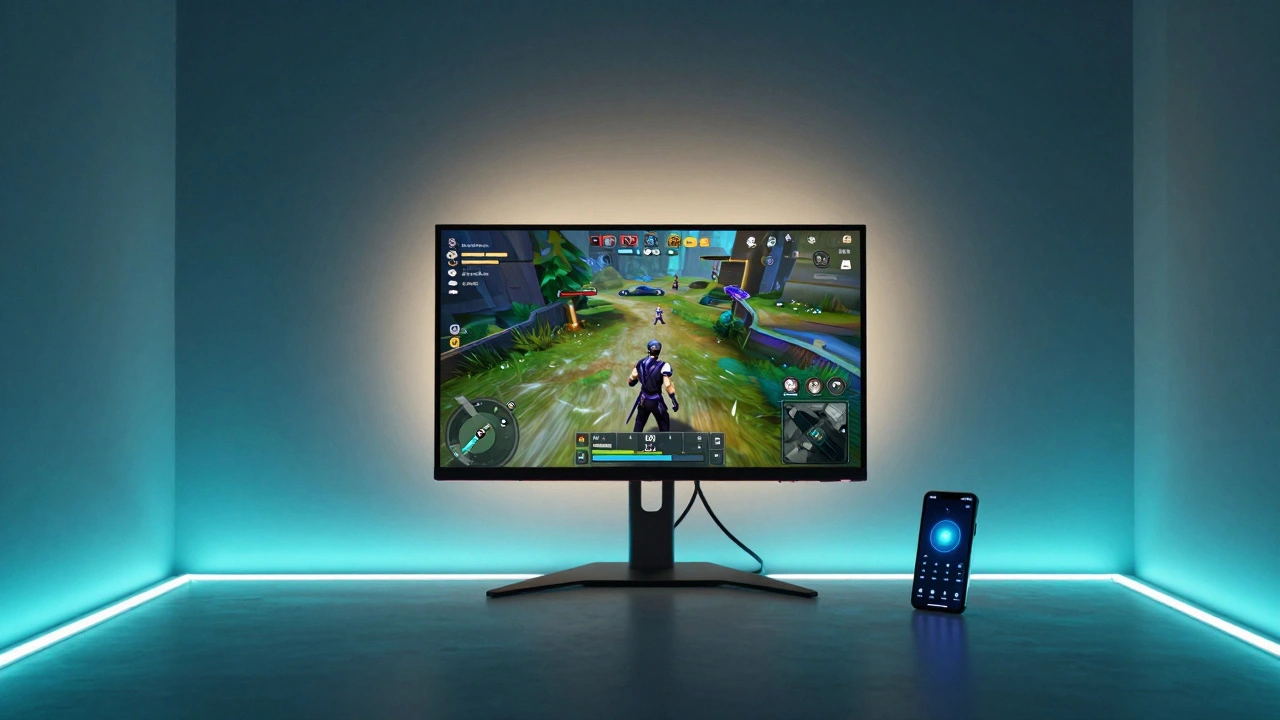
- Behind the Monitor: Creating a halo effect behind your screen (bias lighting) reduces eye strain and provides enough light to see your room without needing bright overheads.
- Aluminum Channels: Don't just stick the tape to the wall. Use aluminum channels with frosted diffusers. These lenses spread the light evenly and eliminate the "dots" of light that can cause glare on glossy disc cases.
- Backlighting the Case: If you have a glass display, place the lights at the back, shining toward the wall or the back panel, rather than shining directly onto the game covers.
Reducing Cumulative Exposure with Smart Controls
Lighting damage isn't just about intensity; it's about duration. A game box exposed to dim light for 10 hours a day can eventually suffer as much as one exposed to bright light for 2 hours. The secret to long-term preservation is reducing the total amount of time your collection is illuminated.
This is where smart home integration becomes a collector's best friend. Using smartphone apps or remote controls allows you to kill all the lights instantly when you leave the room. Some collectors even set timers so that the lights only activate during peak gaming hours. By minimizing the "on-time," you drastically slow down the chemical degradation of the ink on your covers. If you're using COB LED Strips, you get a seamless line of light that looks professional and minimizes harsh reflections on those shiny plastic cases.
Managing Heat, Airflow, and Organization
Lighting isn't the only thing that affects your games. Heat and humidity are the other two pillars of preservation. If you pack your game boxes too tightly against a wall or a lighting strip, you create pockets of stagnant air. This can lead to moisture buildup or trapped heat, both of which can warp cardboard or cause "disc rot" in extreme conditions.
Keep your cable management clean. A tangle of wires behind a shelf isn't just an eyesore; it can block airflow and potentially create fire hazards if they're touching hot power adapters. Use cable sleeves and clips to keep the area behind your collection open. This allows air to circulate freely, keeping the temperature stable and your games in the condition you found them.
Do RGB lights cause more fading than white lights?
Generally, no. RGB LEDs operate at low energy and don't emit UV rays. However, extremely bright, concentrated light of any color can contribute to fading over many years. The key is to use them indirectly and not leave them on 24/7.
Are clear plastic protectors enough to stop light damage?
Standard plastic protectors (like PET or acrylic) protect against dust and scratches, but most are not UV-resistant. Unless the protector specifically states it has UV-filtering properties, sunlight will pass straight through it and fade your game box.
Can I use a projector for room lighting?
Yes, projectors are great for immersion because they provide a large amount of ambient light without the concentrated heat of a lamp. Since the light is projected onto a wall, it's naturally indirect and safe for nearby collectibles.
What is the best way to store discs to avoid light damage?
Keep discs in their original cases or high-quality sleeves and store them inside opaque boxes or shelves. The case acts as a primary shield; as long as the case is closed and not sitting in direct sunlight, the disc itself is well-protected.
Should I use warm or cool white LEDs?
From a preservation standpoint, the difference is minimal as long as they are LEDs. However, cooler temperatures (blue-white) are often perceived as more "modern" for gaming setups, while warmer tones (yellow-white) are easier on the eyes for long sessions.