Ever tried to buy a Japanese version of a game because it was cheaper or released earlier, only to find out it won't even boot up on your console? You've hit a digital wall called region locking is a digital rights management system that prevents software from running on hardware outside specific geographic territories. While it feels like a nuisance to the player, it's actually a calculated business move involving pricing, law, and logistics. In 2026, the landscape has shifted, but the barriers haven't entirely disappeared; they've just moved from the hardware to the cloud.
The Basics of How Region Locks Actually Work
At its simplest, a region lock is a handshake that fails. When you slide a game into a console, the system reads a specific piece of code-a regional identifier. If the console is set to the Americas (NTSC-U) and the game is flagged for Japan (NTSC-J), the console simply refuses to execute the code. In the early days, this wasn't just software; it was physical. For example, the Nintendo Entertainment System had lockout chips and even physical cartridge slot differences. If you tried to put a Japanese game into a US NES, it literally wouldn't fit.
Today, we use different standards to categorize these zones. You'll mostly see four main systems: NTSC-J (Japan/Asia), NTSC-U (Americas), PAL (Europe, Oceania, Middle East, India, and South Africa), and NTSC-C (China). While these labels are legacy terms from the days of analog television, they still define how publishers segment their markets.
Why Companies Do This: It's Not Just About the Tech
You might wonder why a company would stop you from spending money on their game. The answer is usually money-specifically, Regional Pricing. Publishers use a strategy called purchasing power parity. A game that costs $60 in the US might be priced at $30 in Brazil or India to make it affordable for the local population. If there were no locks, everyone would just use a VPN to buy the cheapest version available, destroying the publisher's profit margins in wealthier nations.
Beyond the price tag, there are legal hurdles. Different countries have different laws regarding gore, gambling, or political content. By locking a game to a region, publishers can ensure that the version of the game being played in a specific country complies with that country's local regulations without having to make one single "global' version that satisfies every single government on earth.
The Great Shift: Physical vs. Digital Freedom
The good news is that for most of us, the "hardware war" is over. Modern consoles like the PlayStation 5, Xbox Series X|S, and Nintendo Switch (excluding China) are largely region-free for physical discs and cartridges. You can buy a physical game from Japan and it will likely play just fine on your US console.
However, the industry just moved the goalposts. Now, we deal with digital locks. Even if your physical game works, the DLC (Downloadable Content) is often strictly region-locked. If you have a Japanese copy of a game but a US PlayStation Store account, the store won't let you buy the add-ons because the digital IDs don't match. This creates a frustrating "half-free" ecosystem where you can play the base game, but you're locked out of the expansions unless you jump through account-creation hoops.
| Feature | Physical Media | Digital Storefronts | DLC / Add-ons |
|---|---|---|---|
| PlayStation 5 | Region-Free | Locked by Account | Region-Locked |
| Xbox Series X|S | Region-Free | Semi-Open | Region-Locked |
| Nintendo Switch | Region-Free* | Open (Change Region) | Region-Locked |
*Excluding consoles distributed in China.
Dealing with Customs and Import Rules
If you decide to import hardware or rare collectibles, you're no longer dealing with software code-you're dealing with the government. When you order a console from abroad, it enters a specific Tariff Classification. In the US, customs officials look at the item to determine the duty rate. For instance, while the main console has one rate, accessories like joypads or memory cards are often classified separately, sometimes carrying a duty rate of around 3.6 percent ad valorem (based on the value of the item).
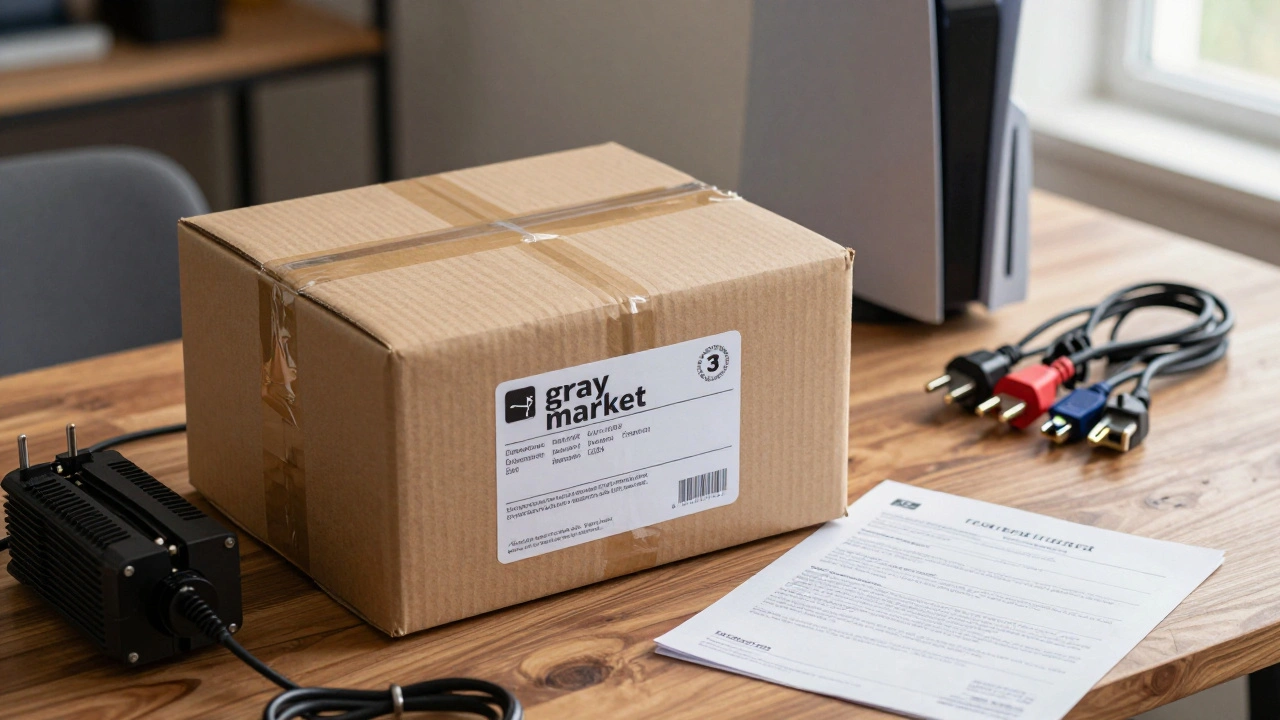
Importing isn't just about the tax, though. The "gray market"-buying from unauthorized third-party sellers-carries risks. You lose the manufacturer's warranty, and you might find yourself paying shipping fees that completely wipe out the savings you got from the regional price difference. In many cases, it's actually cheaper to buy a local copy than to import a cheaper one once you add in the international shipping and customs brokerage fees.
Common Pitfalls When Importing Games
If you're still tempted to import, keep these practical rules of thumb in mind:
- Check the Account Region: Before buying a digital key from another country, check if your platform allows "region-free" keys. Steam, for example, is very strict about keys purchased from different regional stores.
- Verify DLC Compatibility: Always check if the DLC for your imported physical game is available in your home region's store. If it isn't, you'll need to create a secondary account for that specific region just to download the content.
- Language Support: Don't assume a game has English options just because it's a global franchise. Some Japanese imports are strictly in Japanese, even for titles that had English releases elsewhere.
- Voltage Requirements: For old hardware imports, remember that Japan and the US use different voltages and plug types than Europe. A PAL console plugged into a US outlet without a transformer is a great way to fry your motherboard.
Can I play a Japanese Nintendo Switch game on a US console?
Yes, the Nintendo Switch is region-free for physical game cards. You can insert a Japanese card into a US console and it will play. However, keep in mind that any DLC you want for that game must match the region of the game cartridge, and you may need a Japanese Nintendo account to purchase it.
Why is my DLC not showing up for an imported game?
This is because DLC remains region-locked even if the base game is not. Digital storefronts (like the PlayStation Store) only sell content that matches the region of the account. If the game is from Region A and your account is in Region B, the store cannot "link" the DLC to the game file.
Do I have to pay customs duties on imported games?
It depends on the value and your country's laws. In the US, small individual imports often pass through without significant duty, but larger shipments or expensive hardware (like a limited edition console) may be flagged. Accessories typically have a specific ad valorem duty rate (e.g., 3.6%) applied by customs.
Is it legal to bypass region locks using a VPN?
Using a VPN isn't illegal in most countries, but it usually violates the Terms of Service (ToS) of the platform (like Steam or PlayStation Network). If caught, the platform may ban your account or revoke the licenses of the games you purchased from the other region.
What was the NTSC vs PAL difference?
NTSC was the analog television standard used in North America and Japan, while PAL was used in Europe and other regions. They ran at different refresh rates (60Hz for NTSC, 50Hz for PAL). In the past, this meant PAL games often ran slower than NTSC games, which is one of the original technical reasons for region locking.
What to Do Next
If you're looking to start a collection of imports, start small. Test a few physical titles from other regions to see how they interact with your system's language settings. If you're hunting for hardware, always check the voltage and plug type before hitting the "buy" button to avoid costly adapter mistakes. For digital content, the safest route is to check community forums to see if a specific game's DLC is "region-agnostic" before spending money on an account from another country.