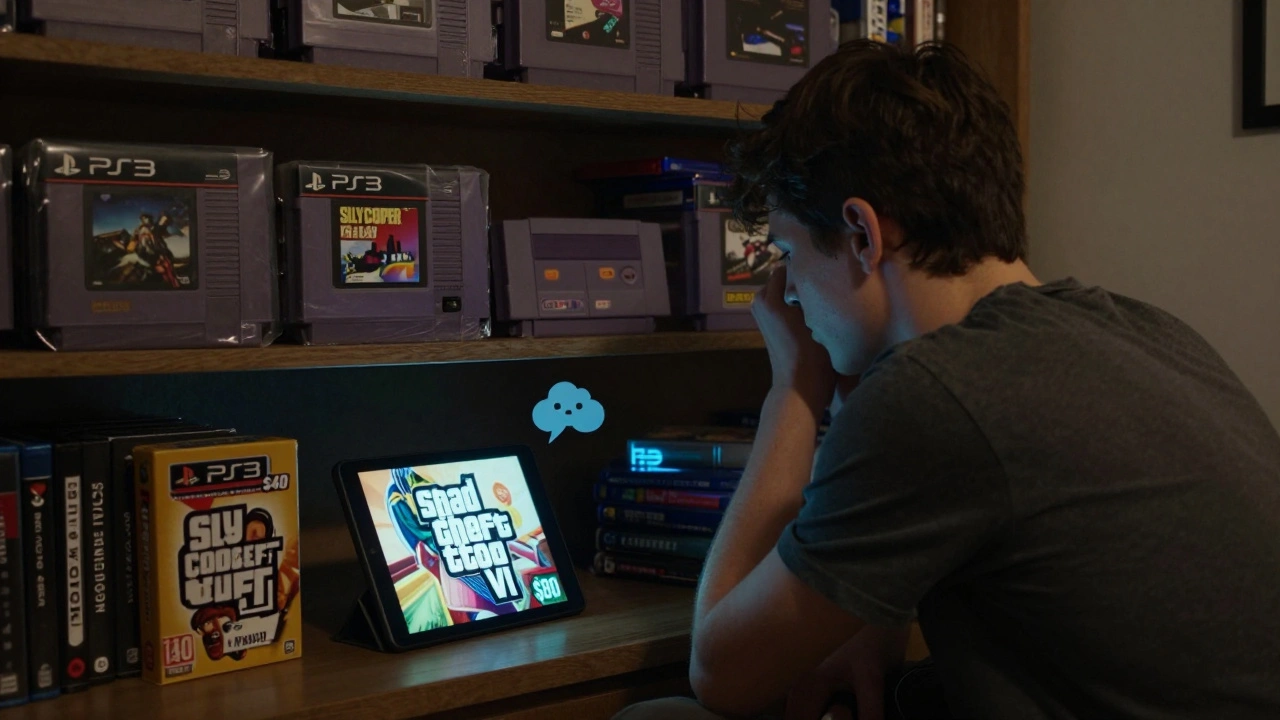
Video game collecting used to feel like a safe bet. Buy a sealed copy of a classic game, stash it away, and watch its value climb. But that era is ending. The forces that once made collecting profitable are now working against it. And if you’re still buying games hoping they’ll double in value, you might be holding onto something that’s losing worth faster than you think.
The Price of Games Is Too High - And Collectors Are Walking Away
Remember when $60 was the max for a new game? That’s gone. Today, AAA titles regularly launch at $70, and special editions hit $100. But gamers aren’t buying like they used to. According to Circana’s February 2026 report, 65% of gamers are now using cost-saving tactics - waiting for sales, skipping launches, or skipping games entirely. And 30% say they’ll cut back on purchases if prices keep rising.
Collectors aren’t immune. A sealed copy of Sly Cooper Trilogy on PS3 now costs $40. Meanwhile, a brand-new Grand Theft Auto VI will likely launch at $80. That’s a tough trade-off. Do you spend $80 on a game you’ll play once, or $40 on a retro title you’ll never open? For many, the answer is: neither. The rush to buy limited editions is fading. Nintendo Switch color variants, once snapped up for double retail, are now sitting on shelves. No one’s bidding up the price anymore.
Hardware Is Getting Too Expensive - And No One Needs It
Collecting isn’t just about games. It’s about consoles, controllers, and peripherals. But the hardware market is breaking down. RAM, GPUs, CPUs, and storage prices are climbing - not because of supply chain issues, but because AI data centers are gobbling up every chip they can get. This isn’t temporary. It’s structural.
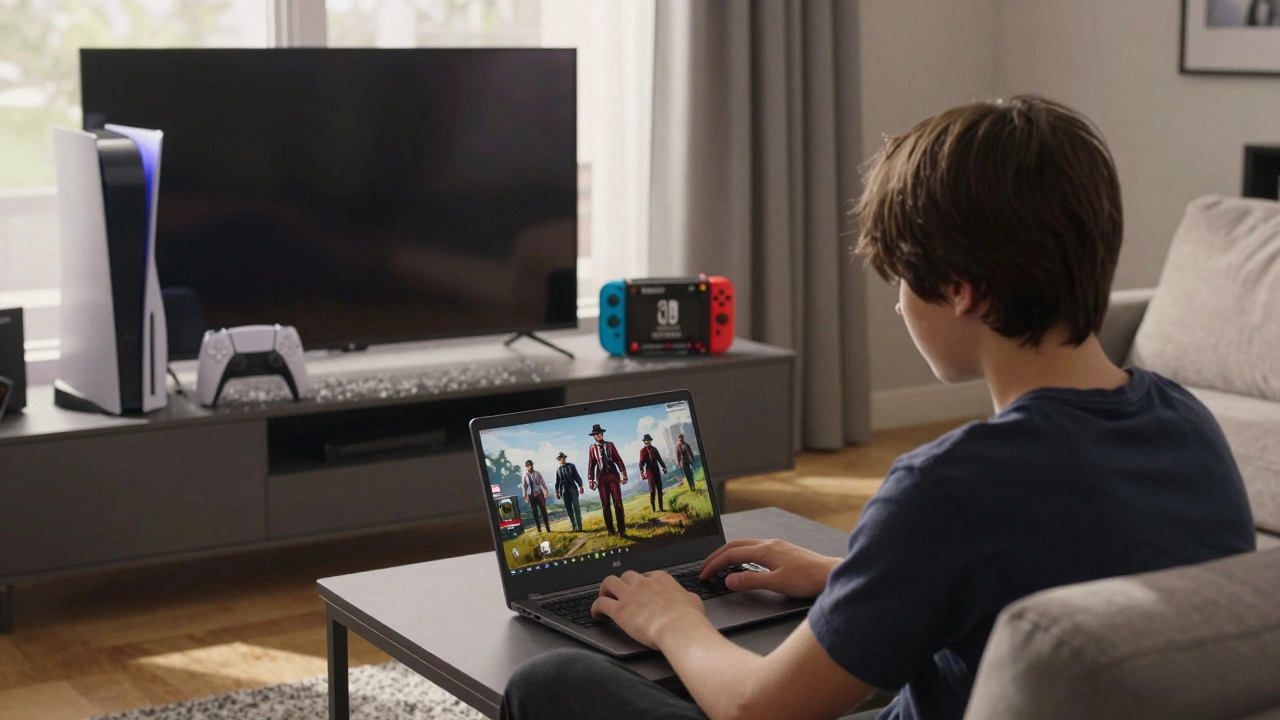
And here’s the kicker: fewer people care about owning the hardware anymore. Younger gamers are shifting to PC and mobile. Games like Minecraft, Fortnite, and Roblox don’t need a PlayStation 5. They run on a $300 laptop or even a tablet. Why spend $500 on a console when you can play the same game on your phone? This shift isn’t just changing how people play - it’s killing the collector’s market. A mint-condition PS5? It’s not a rare artifact anymore. It’s just an expensive, outdated machine.
Cloud Gaming Is Killing the Need to Own Anything
Imagine playing Red Dead Redemption 2 on your old laptop, your smart TV, or even a $200 Chromebook - with no downloads, no updates, no hardware upgrades. That’s not sci-fi. That’s what cloud gaming is doing right now.
BCG’s 2026 data shows 60% of players have tried cloud gaming, and 80% of them liked it. Services like Nvidia’s GeForce Now let you stream AAA games without owning a single component. This isn’t a niche trend. It’s a full-on replacement for traditional hardware. And if you don’t need a console to play games, why collect one?
Worse, developers are starting to design games around this model. Instead of selling units, they’re selling hours. Subscription services like PlayStation Plus Extra now offer hundreds of games for $15 a month. Why buy one game for $70 when you can access 200 for the same price? Ownership is becoming a relic. And collectibles? They’re the first thing to vanish when ownership dies.
The Death of Loot Boxes and Pay-to-Win Models
Remember when collectors bought special editions because they came with exclusive figurines, steelbooks, or bonus content? That’s fading fast. Regulators are cracking down. Players are fed up. Niko Partners found that more studios are removing loot boxes and gacha mechanics from new games - not because they want to, but because they have to.
That’s a huge blow to the collecting economy. Premium editions used to justify their price tag with physical extras. Now, those extras are disappearing. A game might still come in a fancy box, but if it doesn’t include anything you can’t get elsewhere, it’s just a box. No rarity. No value. No reason to hoard it.
Collecting Is Becoming Nostalgia - Not Investment
Most of the people still buying retro games aren’t investors. They’re people who grew up with the original Nintendo or Sega. They’re rebuying what they loved as kids. YouTube collectors say it plainly: "I’m not collecting for profit. I’m collecting for memories."
That’s fine - if you’re doing it for fun. But if you think your copy of Metroid Prime is going to make you rich, you’re kidding yourself. The market for nostalgia is stable, but it’s not growing. New collectors? They’re not joining. Why would they? The games are too expensive. The hardware is outdated. The future is in the cloud.
Digital Stores Are Cutting Out Physical Collectibles
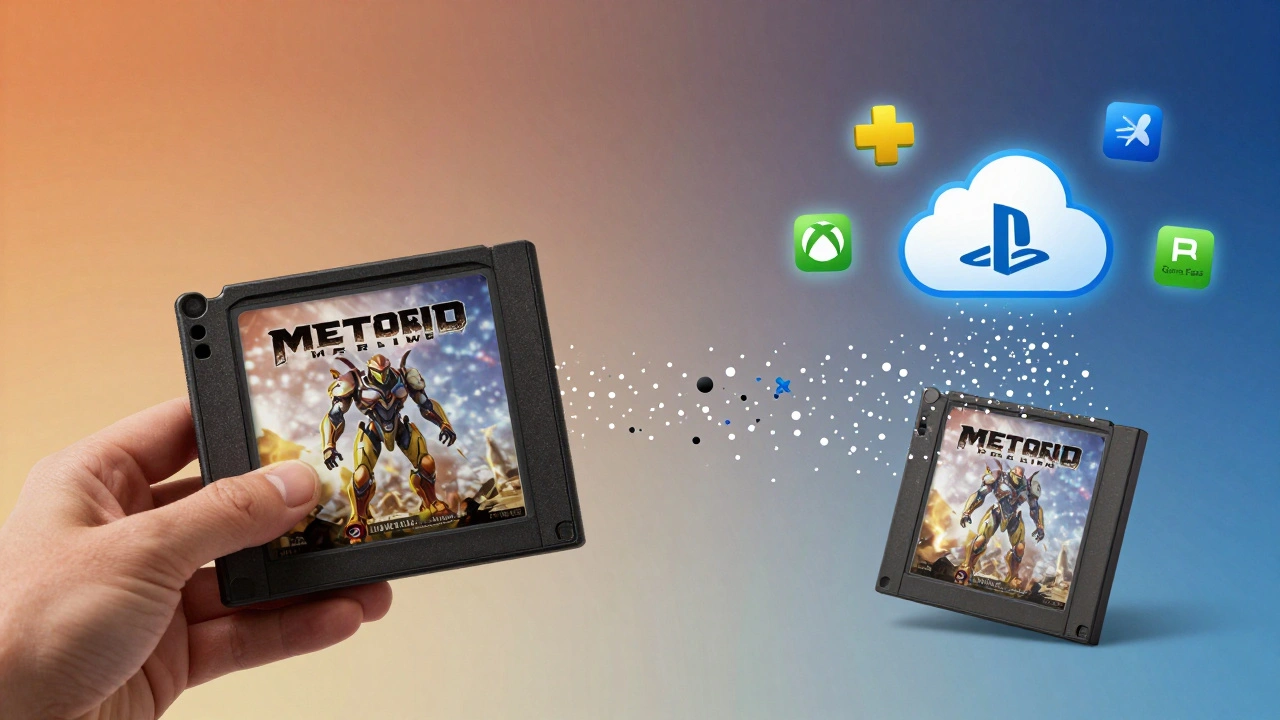
Even the way you buy games is changing. BCG reports that 33% of adult gamers and 40% of teens now buy directly from developer websites - not Steam, not the PlayStation Store, not GameStop. These are direct digital purchases. No box. No manual. No collectible.
This isn’t just about convenience. It’s about control. Developers want to own the relationship with the player. They don’t want their games sitting on a shelf in someone’s closet. They want them streaming, playing, and paying monthly. Physical copies? They’re becoming irrelevant.
What’s Next? The Market Is Resetting
The video game collecting market isn’t collapsing overnight. But it’s being slowly dismantled - by economics, by technology, by shifting tastes. The perfect storm is here:
- Consumers are cutting back on discretionary spending
- Hardware is too expensive and too unnecessary
- Cloud gaming removes the need to own anything
- Subscription models offer more value than ownership
- Collectible editions are losing their exclusivity
- New generations aren’t interested in physical media
If you’re a collector today, your best move isn’t to buy more. It’s to protect what you have. Hold onto the games you love. But don’t buy them hoping they’ll pay off. The market isn’t going to rise. It’s going to flatten - then fall.
The future of gaming isn’t in sealed boxes. It’s in streaming. And if you’re betting on collectibles as an investment, you’re already behind.
Is video game collecting still a good investment?
No, not as it once was. The days of buying a game for $50 and selling it for $500 are over. Prices for retro games are still high, but demand is slowing. New games are too expensive to justify as collectibles, and cloud gaming is removing the need to own physical copies. Collecting now is mostly about nostalgia, not profit.
Why are retro game prices falling?
They’re not falling across the board - but the hype is. Limited editions like Nintendo Switch color variants used to sell for double retail. Now, they’re sitting at or below MSRP. Why? Collectors are tired of paying premiums. And with more games available digitally, the scarcity that once drove prices is disappearing.
How is cloud gaming affecting collectors?
Cloud gaming removes the need for physical hardware and game discs. If you can play God of War on your phone without buying a PlayStation, why collect the console? Services like GeForce Now and Xbox Cloud Gaming are making ownership feel outdated. This directly undermines the foundation of game collecting: the idea that you need to own the hardware and software to experience the game.
Are subscription services killing game collecting?
Yes, in a structural way. When you pay $15 a month for access to 200 games, you’re not buying ownership. You’re buying access. That’s the opposite of collecting. Collecting is about possession. Subscriptions are about usage. As more people choose access over ownership, the market for physical copies shrinks.
Will the price of new games keep rising?
It’s likely. Publishers are testing tiered pricing - $70 for standard, $100 for deluxe, $150 for collector’s editions. But with 30% of gamers saying they’ll cut back if prices rise, publishers may be forced to hold the line. The risk of losing customers outweighs the short-term gain of higher prices. Expect more discounts, more bundles, and fewer premium editions.
Should I still buy limited edition games?
Only if you love the game. Don’t buy it hoping it’ll increase in value. The market for collectible editions is cooling. Companies are moving away from physical bonuses, and digital distribution is making sealed copies less rare. If you’re buying for nostalgia or personal enjoyment, go ahead. If you’re buying as an investment, reconsider.