Starting a local video game collector meetup isn’t about setting up a few TVs and calling it a day. It’s about building a space where people who love old consoles, dusty cartridges, and the smell of a 1990s CRT monitor can come together without feeling like outsiders. If you’ve ever sat in a corner at a convention, showing off your NES collection to someone who only knows Mario Kart 8, you know how rare that connection is. This guide cuts through the noise and gives you the real steps to build something that lasts.
Define Your Group’s Heart
Before you pick a venue or post on Facebook, ask yourself: what’s the point? Are you here for competitive battles in Street Fighter II? For swapping rare PAL imports? For showing off your fully restored Sega CD with the original box and manual? Each of these goals shapes everything else.A group that focuses on competition will need brackets, timers, and prize structures. One built around show-and-tell needs tables, lighting, and quiet spaces for people to handle delicate cartridges. A social hangout might lean into themed nights-like "80s Arcade Night" or "Cartridge Graveyard" where people bring games they never finished.
Don’t try to please everyone. Pick one focus and build around it. You can expand later. Starting too broad kills momentum. One group in Portland started with just "Games from 1985 to 1995" and grew because people knew exactly what to expect.
Choose a Venue That Works
You have two real options: physical or online. Most successful groups start physical. Why? You can’t trade a cartridge over Zoom. You can’t smell the plastic of a mint-condition copy of Super Mario Bros. 3 on a screen.Look for places that are:
- Accessible (wheelchair ramps, no stairs)
- Permit under-21 visitors (many bars won’t allow it)
- Open on off-nights (Tuesdays or Wednesdays work best)
- Willing to let you bring in your own gear
Good spots include:
- Local library meeting rooms (free, quiet, reliable)
- Independent game stores (they love the foot traffic)
- Community centers (low cost, good AV setup)
- Bars with private rooms (ask for happy hour rates on slow nights)
One group in Eugene partnered with a used bookstore. They paid $20 a month to use the back room. The bookstore got customers who bought old game manuals. Win-win.
Online meetups? Fine for remote folks, but they don’t replace physical ones. Use Discord as a supplement-not a replacement.
Set Up the Gear (It’s Not Just Consoles)
You don’t need a museum. But you do need to make sure people can play.Here’s what you actually need:
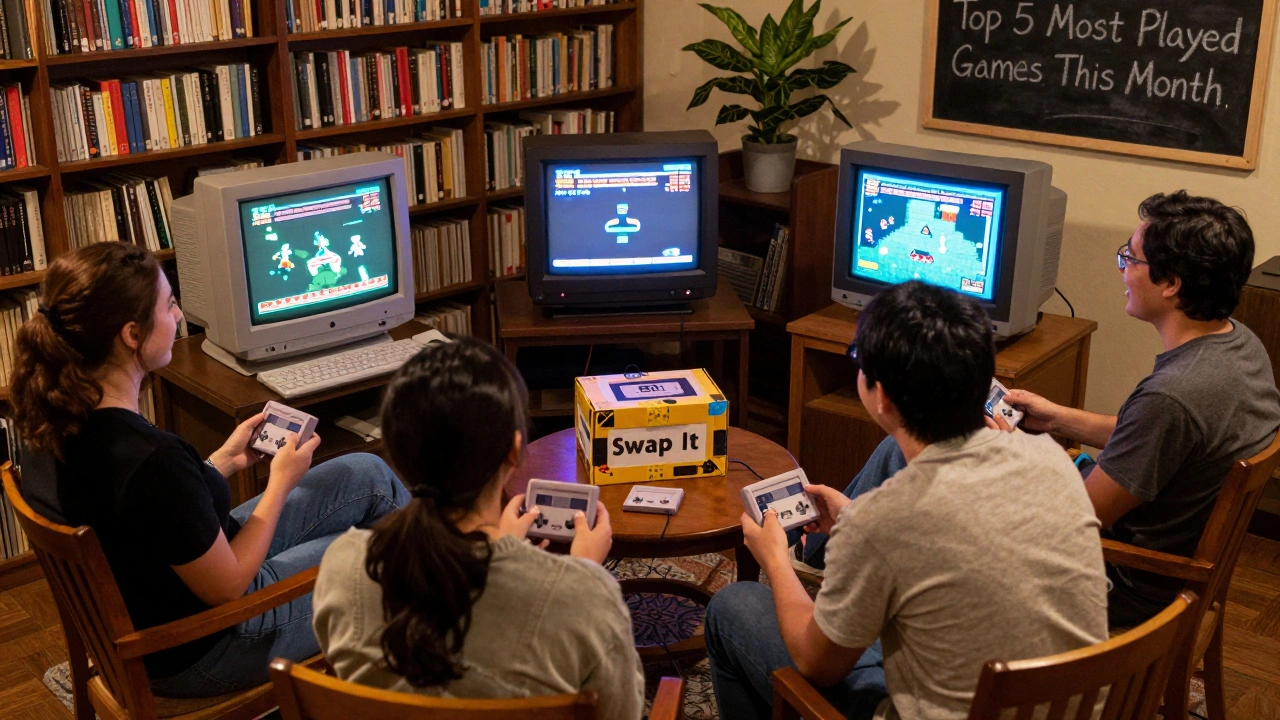
- 2-3 working consoles (NES, SNES, Genesis, Atari 2600, N64)
- Original cartridges (at least 10-15 different titles)
- Extra controllers (at least 4-6 per console)
- Composite cables, power adapters, and surge protectors
- One TV or monitor per console (preferably CRT if you can find one)
- Extension cords and power strips (always bring extras)
Pro tip: Label everything. Write the console model and game title on masking tape and stick it to the cable. Someone will unplug the wrong thing. It always happens.
Don’t rely on emulators on laptops. Real collectors care about the original hardware. If you use a Raspberry Pi, say so-and have the original carts ready to swap in.
Plan Activities That Spark Joy
People don’t come to watch you set up cables. They come to play, share, and feel part of something.Try these ideas:
- Mini-tournaments: 1v1 matches in Mortal Kombat or Super Smash Bros. Use a whiteboard to track wins. Winner gets a retro candy bar or a $5 gift card to a local game shop.
- Themed stations: One table for Atari 2600, one for Game Boy, one for TurboGrafx-16. Rotate games weekly.
- Cartridge swap corner: Let people bring one game to trade. No pressure. No rules. Just a box labeled "Swap It."
- Story circle: Once a month, ask: "What’s the weirdest game you ever found?" You’ll hear stories about buying a sealed Super Mario Bros. 2 at a garage sale for $2.
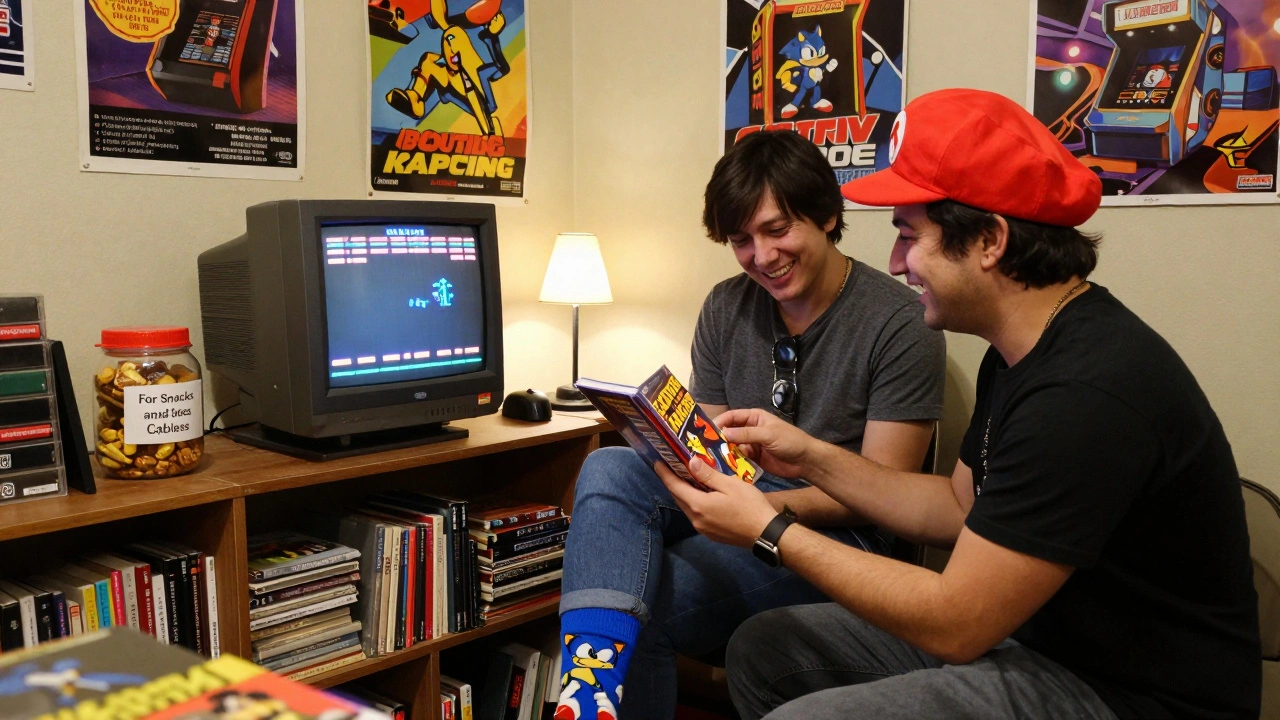
- Dress-up night: Encourage Mario hats, Link capes, or Sonic socks. Photos go on your social page. People love seeing themselves in the group.
Keep it light. No need for official rules. Just make sure someone’s always circulating, asking, "Want to try this?"
Build the Community, Not Just the Events
The first meetup might have five people. The second, seven. The third, twelve. That’s normal. What keeps them coming?Do this:
- Spotlight one member each month. Share their collection story on Facebook or Instagram. "Meet Sarah-she’s got 300 NES carts, all in box. Her favorite? Exciting Racing because it’s the only game with a cow."
- Create a simple leaderboard. "Top 5 Most Played Games This Month." It’s not about winning. It’s about seeing your favorites get love.
- Send a quick email or DM after every event. "Thanks for coming! Next time we’re trying Contra on the NES. Bring your hardest difficulty save."
- Ask for help. "Who’s good with wiring? We need someone to check the Genesis cables." People feel valued when you need them.
Don’t let one person do all the work. Find 2-3 volunteers. One handles setup. One manages the swap box. One posts on social media. Rotate every few months.
Market It Right
You’re not selling tickets. You’re inviting people into a tribe.Where to post:
- Facebook Events: Best for local reach. Use keywords: "retro gaming," "NES collection," "classic game collectors."
- Reddit: Post in r/retrogaming, r/nes, r/sega, and your city’s subreddit. Don’t spam. Just say: "I’m starting a monthly meetup in [City]. We play original carts. Come say hi."
- Local game stores: Leave flyers. Ask if they’ll mention it on their bulletin board. Offer to bring a few games to display.
- Word of mouth: Invite 3-5 people you know who collect. They’ll bring friends. Your first 10 attendees are your foundation.
Never say "noobs welcome"-it’s condescending. Say "all collectors welcome" or "no experience needed."
Keep It Safe and Inclusive
You’re running a public space. That means rules.Write a simple code of conduct:
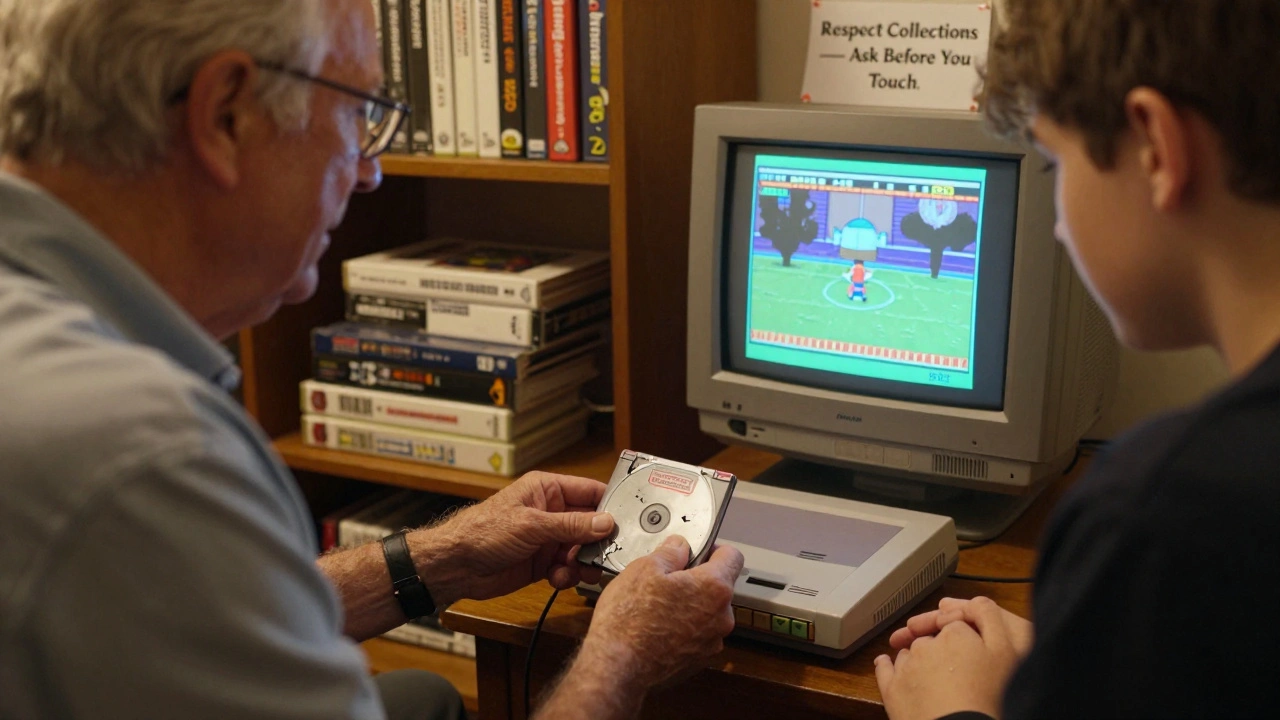
- Respect others’ collections. Don’t touch without asking.
- No arguing about which console is "better."
- No politics, no hate speech, no harassment.
- If someone’s uncomfortable, listen. Don’t make them justify it.
Post it on your Facebook page. Say it at the start of each event. If someone breaks it, talk to them privately. If it happens again, ask them not to come back. It’s not about being harsh. It’s about protecting the space.
And always have a backup plan. What if the power goes out? What if no one shows up? Have a backup date. Keep your gear at home. Don’t stress. The group will grow when it’s ready.
It’s Not About the Games. It’s About the People.
The best collector meetups aren’t the ones with the most consoles. They’re the ones where someone walks in alone, nervously holding a cracked cartridge, and leaves laughing because three strangers helped them fix it.That’s the magic. You’re not organizing a game night. You’re creating a home for people who’ve spent years hunting down a game no one else remembers. And that’s worth showing up for.
Do I need to own a lot of games to start a meetup?
No. You just need one working console and a few games to get people playing. The rest will come from members bringing their own collections. Your job is to create the space, not the inventory.
Can I charge a fee for attendance?
Avoid it. Most successful groups are free. If you need to cover venue costs, ask for voluntary donations at the door. A $2-$5 jar labeled "For snacks and cables" works better than a fixed fee. It keeps the vibe casual and welcoming.
How often should we meet?
Start with once a month. That’s sustainable. Once you have 10+ regulars, you can try biweekly. Weekly is too much for most volunteers. Quality beats frequency.
What if no one shows up to the first event?
It happens. Don’t cancel. Show up anyway. Bring two consoles, three games, and a chair. Sit there. Smile. Someone will wander in. Maybe a parent looking for a quiet place for their kid. Maybe a collector from the next town. Just be there. The second time, someone will bring a friend.
Should I make a website or app for the group?
No. Not yet. Use Facebook Events and a simple Instagram page. People don’t need a website to find a game night. They need to know when and where. Keep it simple. Save the website for when you have 50+ regulars.