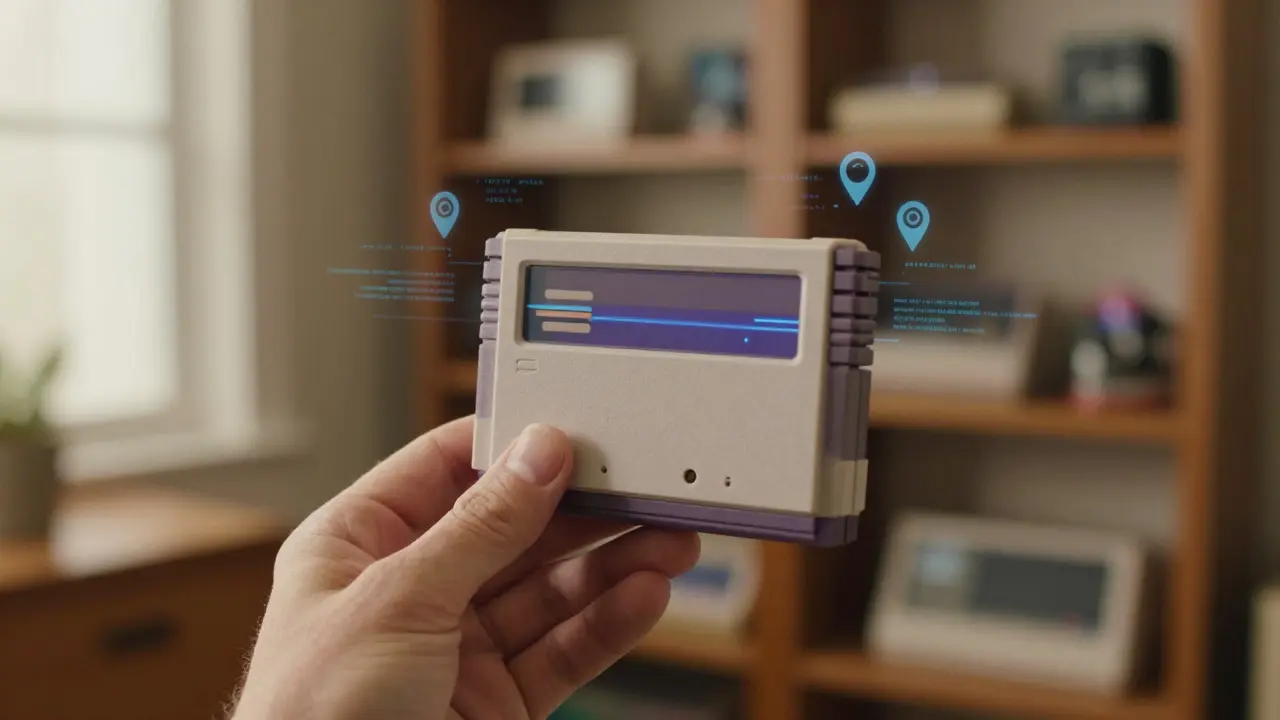
Imagine you’ve spent years hunting down rare cartridges or limited-edition consoles. You’re finally ready to share your passion with the world by building an online catalog. But before you hit "publish," have you considered who else is seeing that data? Video game collections are more than just physical objects; when digitized, they become a trove of personal information. From your location hidden in metadata to the specific titles revealing your age or interests, every entry carries privacy risks.
The landscape of data protection has shifted dramatically. Regulations like the General Data Protection Regulation (GDPR) and the California Consumer Privacy Act (CCPA) no longer apply just to corporations. If you maintain a public-facing database, even a hobbyist one, you might be handling personal data. Ignoring these rules can lead to unexpected headaches, from takedown requests to legal fines. This guide breaks down exactly what you need to know to protect yourself and your collectors while sharing your library.
What Counts as Personal Data in a Game Collection?
You might think listing a "Super Mario Bros." cartridge is neutral. It’s just a box. But context changes everything. When you combine item details with user profiles, the picture gets complex. Personal data isn’t just names and email addresses. Under modern privacy laws, it includes any information that can identify a person, directly or indirectly.
- Direct Identifiers: Usernames, profile photos, or real names linked to a collection.
- Indirect Identifiers: IP addresses logged during visits, device IDs, or browser cookies.
- Behavioral Data: Which games you browse, how long you stay on a page, or which items you mark as "for sale."
- Metadata: EXIF data from uploaded photos (location, camera model) or timestamps showing when an item was acquired.
Consider this scenario: You upload a photo of a signed copy of Chrono Trigger. The image contains GPS coordinates from your home in Portland, Oregon. Now, anyone can find out where you live. That’s not just a privacy slip; it’s a data breach waiting to happen. Always strip metadata from images before uploading them to any public platform.
Legal Frameworks: GDPR, CCPA, and Beyond
Even if you don’t sell anything, you might still be subject to international laws. The GDPR applies to anyone processing data of EU residents, regardless of where the processor is located. If your site attracts visitors from Europe, you’re likely covered. Similarly, the CCPA protects California residents, and many other U.S. states are rolling out similar legislation.
Key principles include:
- Lawful Basis: You need a reason to collect data. Is it consent? Contract? Legitimate interest?
- Data Minimization: Only collect what you absolutely need. Do you really need a user’s birthdate to let them list a NES game? Probably not.
- Transparency: Users must know what you’re collecting and why. A clear privacy policy is non-negotiable.
- Right to Erasure: Users can ask you to delete their data. Are you prepared to handle that request within 30 days?
For small collectors, the "legitimate interest" basis is often the most practical. However, you must balance your interest in running a catalog against the user’s rights to privacy. If the impact on the user is minimal, legitimate interest usually holds up. But if you’re selling rare items, consent becomes much safer.
Practical Steps to Secure Your Online Catalog
Compliance doesn’t have to be bureaucratic. Here are actionable steps to tighten your ship without slowing down your hobby.
1. Audit Your Data Sources
Look at every field in your database. Ask: "Do I need this?" If you’re tracking purchase history, is it essential for the catalog’s function? If not, remove it. Less data means less risk.
2. Implement Strong Consent Mechanisms
Avoid pre-checked boxes. Use clear, plain language. Instead of "I agree to terms," try "Allow us to store your browsing preferences to recommend similar games." Give users a way to opt out easily.
3. Sanitize Uploaded Media
Use tools to strip EXIF data from photos. Many free online tools or desktop applications can do this in seconds. Also, compress images to reduce file size and potential metadata leakage.
4. Create a Simple Privacy Policy
You don’t need a lawyer to write a basic policy. Just state what you collect, why, how long you keep it, and how users can contact you to delete their data. Keep it under two pages if possible. Clarity builds trust.
5. Regularly Review Third-Party Plugins
If you use analytics tools, social media buttons, or payment processors, check their privacy policies. They might be tracking users on your behalf. Ensure they comply with the same standards you’re aiming for.

Comparison of Common Data Risks and Mitigations
| Risk Type | Example Scenario | Mitigation Strategy |
|---|---|---|
| Metadata Leakage | Photo of a console reveals home address via GPS tags | Strip EXIF data before upload; use generic backgrounds |
| Profile Oversharing | User lists "First Edition Pokémon Cards" linking to childhood | Encourage pseudonyms; limit bio fields to relevant info |
| Cookie Tracking | Analytics plugin tracks user across multiple sites | Use first-party analytics; disclose cookie usage clearly |
| Database Breach | Hacker accesses unencrypted user emails | Encrypt databases at rest; use HTTPS for all traffic |
Ethical Considerations Beyond the Law
Laws set the floor, but ethics set the ceiling. In tight-knit gaming communities, trust is currency. If you’re known for respecting privacy, people will share their rare finds with you. If you’re seen as sloppy with data, word spreads fast.
Think about the human behind the data. A collector might list a vintage arcade cabinet because it reminds them of a deceased friend. If you accidentally expose their location or contact info, you’re not just breaking a rule; you’re violating a moment of nostalgia. Treat every data point with care. Ask yourself: "Would I want this piece of my life exposed to strangers?" If the answer is no, hide it.

Handling Takedown Requests and Disputes
Even with good practices, issues arise. Maybe a user wants their entire profile gone. Or perhaps a copyright holder claims you listed a pirated ROM. Have a process ready.
- Designate a Contact Point: Create a simple email address like [email protected].
- Respond Quickly: Aim to acknowledge requests within 48 hours.
- Verify Identity: Before deleting data, make sure the requester is actually the owner of the data.
- Document Everything: Keep records of who asked for what and when you complied. This protects you in case of disputes.
Don’t fear these requests. They’re a sign your privacy policy is working. Most users just want control over their digital footprint.
Future-Proofing Your Collection Platform
Technology moves fast. Today’s safe practice might be tomorrow’s liability. Stay informed about emerging trends in data privacy. For example, biometric data (like facial recognition used in some new gaming interfaces) is becoming a hot topic. While unlikely for a static catalog, it’s worth keeping an eye on.
Also, consider the environmental angle. Storing massive amounts of data requires energy. While not a direct privacy issue, efficient data management aligns with broader sustainability goals. Delete old backups regularly. Use cloud providers with strong green credentials if possible.
Finally, engage with your community. Ask your users what they value. Do they prefer anonymity? Do they want to see who else owns a certain item? Their feedback will shape a more robust and respectful platform.
Do I need a lawyer to start a private game collection website?
Not necessarily. For small-scale operations, a solid understanding of GDPR and CCPA basics is often enough. However, if you plan to sell items or handle large volumes of user data, consulting a specialist can save you money in the long run.
Is it safe to list rare games with unique serial numbers?
Generally, yes, but be cautious. Serial numbers can sometimes link back to purchase receipts or warranty registrations. If the number is publicly visible, ensure it doesn’t reveal sensitive purchasing history. Consider masking part of the number if it feels too specific.
How long should I keep user data after they stop using my site?
Only as long as necessary for the purpose you collected it. If you’re using data for transaction records, keep it for tax purposes (usually 3-7 years). For general profile data, consider deleting it after 1-2 years of inactivity unless the user asks to keep it.
Does GDPR apply if I only have visitors from the US?
Technically, yes, if any of those visitors are EU citizens residing in the EU. However, enforcement is rare for tiny sites. Still, adopting GDPR standards is best practice and prepares you for future regulations.
What is the best way to anonymize user comments on my collection forum?
Use pseudonyms instead of real names. Avoid asking for location or age. If you allow avatars, encourage generic icons rather than photos. This reduces the risk of re-identification through cross-referencing with social media.