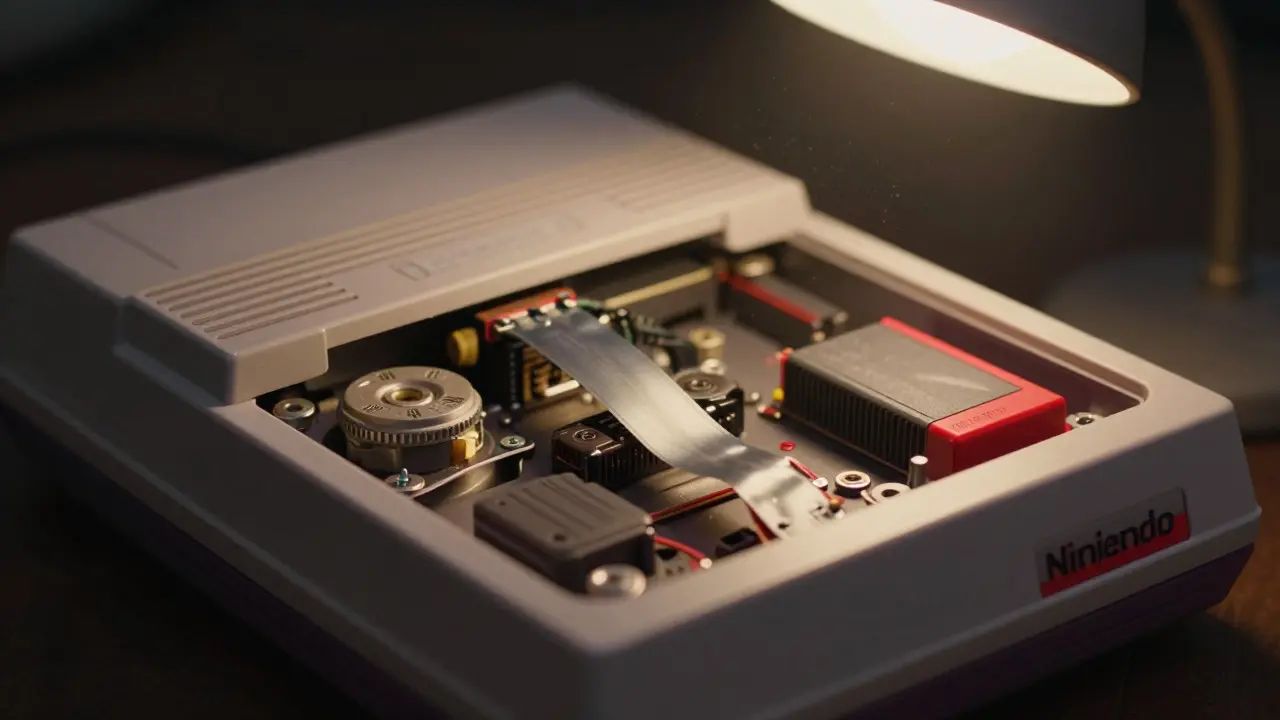
Imagine holding a rare 1985 Nintendo Entertainment System. It’s in mint condition, but the screen flickers. You open it up, only to find that the screws are stripped and the ribbon cables are glued down. This is the reality for many collectors today. The Right to Repair is a legal movement advocating for consumers' ability to fix their own electronic devices without manufacturer permission. For video game consoles, this concept is complex because most modern systems are sealed units designed to be replaced, not repaired. But what does this mean for your collection? Does the law actually help you fix that broken PS4, or is it just a political talking point? Understanding the gap between legislative intent and hardware reality is crucial for preserving value.
The Current Legal Landscape in the US
As of 2026, the United States has not passed a single, comprehensive federal Right to Repair law that covers all consumer electronics. Instead, we have a patchwork of state-level regulations. California, for example, has strict rules requiring manufacturers to provide parts and manuals for certain electronics for at least seven years. However, these laws often focus on smartphones, laptops, and home appliances rather than gaming hardware specifically. The Federal Trade Commission (FTC) has issued guidelines against "unfair practices" that hinder competition, which indirectly supports repairability by penalizing companies that use trade secrets to block independent repair shops. Yet, for a collector sitting in Portland or anywhere else in the country, the practical implication is limited. You still need to navigate warranty terms and anti-tamper clauses defined in your original purchase agreement.
Why Manufacturers Sealed the Consoles
To understand why fixing a console is hard, you have to look at the business model. Console makers like Sony, Microsoft, and Nintendo operate on thin margins during the initial sales period. They rely on software sales, online services, and accessories to make profit later. If you can easily swap out a faulty power supply unit or replace a scratched disc drive with a cheap third-party part, they lose control over the ecosystem. So, they design hardware with proprietary screws, integrated motherboards, and thermal paste that cures into a solid block. This design choice prioritizes assembly line efficiency and cost reduction over longevity. For a collector, this means that even if the law allows you to repair your device, the physical barriers might make it nearly impossible without specialized tools and expertise.
The Impact on Collectible Value
Here is where it gets tricky for your wallet. In the world of collectibles, "originality" is king. If you repair a console using non-original parts, does its value drop? Generally, yes. A pristine, unopened box set of a Sega Genesis is worth significantly more than one that has been opened, repaired, and resealed. When you engage in right-to-repair efforts, you are essentially modifying the item. Even a successful repair that restores functionality can lower the resale price if the buyer is looking for a "complete in box" (CIB) unit. However, there is a counter-argument. A working console is better than a dead one. If you have a rare PlayStation 2 Slimline with a failing laser, repairing it keeps it playable. For active gamers who also collect, functionality often outweighs pristine cosmetic condition. But for pure investors, any intervention carries risk. Always document every step of the repair process. Take photos before, during, and after. Keep the old parts. This creates a paper trail that proves the repair was necessary and done professionally, which can mitigate some value loss during future sales.
Practical Steps for Collectors Attempting Repairs
If you decide to take matters into your own hands, follow these steps to minimize risk:
- Check Warranty Status: If your console is under warranty, opening it may void coverage. Read the fine print. Some manufacturers only void warranties if the damage is user-inflicted, not if a component fails naturally.
- Sourcing Parts: Look for OEM (Original Equipment Manufacturer) parts first. These are the exact components made by the console manufacturer. Third-party alternatives are cheaper but may lack durability or compatibility. Websites dedicated to retro computing often sell salvaged parts from donor units.
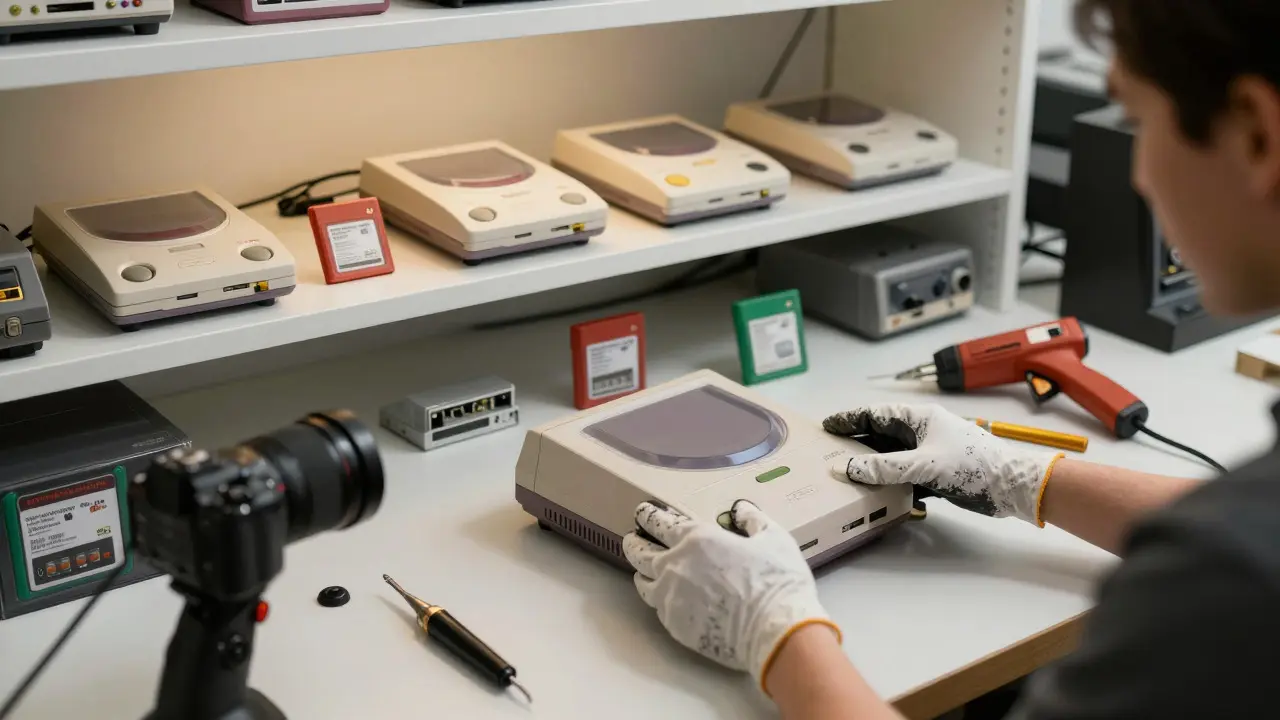
- Tool Preparation: You will likely need precision screwdrivers, heat guns for adhesive removal, and anti-static mats. Using the wrong tool can strip headers or crack plastic casings, turning a minor repair into a total loss.
- Data Backup: If your console stores digital games or save data, back it up before opening it. Static electricity or accidental short circuits can wipe storage drives.
Comparing Repair Feasibility Across Generations
Not all consoles are created equal when it comes to repairability. Older systems were built with modularity in mind, partly because electronics were expensive and people expected them to last decades. Newer systems are disposable by design. Here is a breakdown of how different eras stack up:
| Console Generation | Common Failure Points | Repair Difficulty | Availability of Parts |
|---|---|---|---|
| NES/SNES (8-bit/16-bit) | Cartridge connectors, CRT necks | Low-Medium | High (Salvage markets) |
| PS1/N64 (32-bit) | Laser lenses, CD trays | Medium | Medium |
| PS2/GameCube (128-bit) | HDD failures, GPU solder joints | Medium-High | Low-Medium |
| PS3/Xbox 360 (HD Era) | Power Supply Units, Motherboard capacitors | High | Low |
| PS4/Xbox One (Current Gen) | Thermal throttling, Fan wear | Very High | Very Low |
Ethical Considerations and Community Norms
Beyond the legal and financial aspects, there is an ethical dimension. Many collectors argue that keeping old technology alive is an act of preservation. By repairing a console, you are extending its life and reducing e-waste. This aligns with the core philosophy of the Right to Repair movement. However, the community is divided. Purists believe that if a machine breaks, it should stay broken unless it is a museum piece. Pragmatists believe that a working machine has more cultural value than a static object. Where do you stand? If you plan to display the console, prioritize aesthetics and leave it alone. If you plan to play it, prioritize function and get it fixed. There is no wrong answer, but knowing your goal helps guide your decision. Engaging with local repair cafes or online forums dedicated to specific consoles can also provide peer support and shared knowledge, reinforcing the communal aspect of preservation.
Frequently Asked Questions
Does opening my console void the warranty?
In many cases, yes. Most manufacturers include clauses in their warranty terms stating that unauthorized repairs void coverage. However, if you can prove the failure was due to manufacturing defect and not your tampering, you might still claim coverage. It is always safer to check with customer service before opening the case.
Are third-party parts safe to use in collectible consoles?
They are generally safe for functionality but may affect resale value. Third-party fans or power supplies are often compatible, but they lack the brand authenticity that collectors prize. If value retention is your priority, stick to OEM parts or salvage parts from identical models.
What is the best way to store a repaired console?
Store it in a cool, dry place away from direct sunlight. Use silica gel packets to prevent humidity damage. If the console is not being used, run it periodically (once every few months) to keep capacitors charged and prevent dust buildup inside the fan vents.
Is it worth repairing a very old console?
For pre-2000 consoles, yes. The parts are widely available, and the repair techniques are well-documented. For post-2010 consoles, evaluate the cost of repair versus the market value of the unit. If the repair costs more than half the console's value, it might be better to buy a working unit instead.
How does Right to Repair affect future console designs?
While slow, the pressure from advocacy groups is influencing manufacturers to design slightly more modular components. We are seeing more standardized screws and clearer labeling on newer handheld devices. However, full desktop consoles remain largely sealed due to performance and cost constraints.