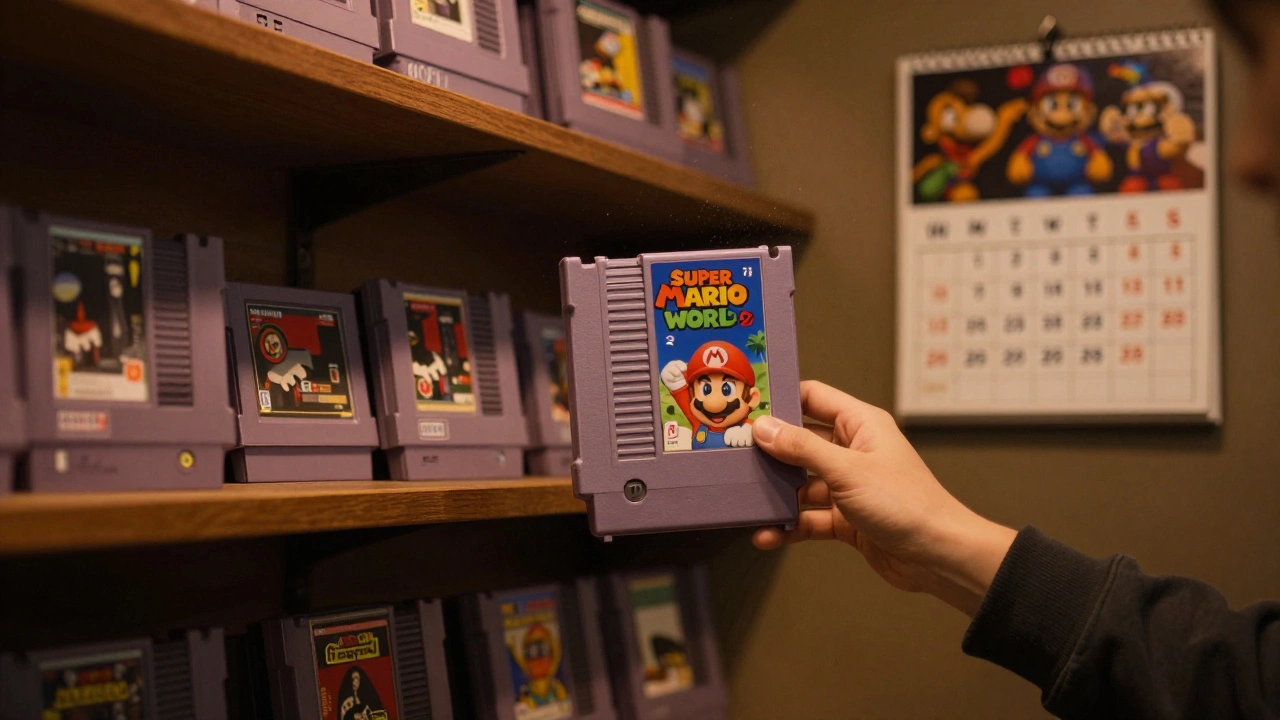
When you're hunting for that rare retro video game-say, a sealed copy of Super Mario World or a worn-out Halo 2 cartridge-timing matters more than you think. It’s not just about finding the deal. It’s about knowing when to strike. The price of retro games doesn’t float randomly. It follows a rhythm, shaped by holidays, supply limits, and the habits of collectors who’ve been playing since they were kids. If you buy in the wrong month, you could overpay by 40%. If you sell at the wrong time, you leave money on the table. Here’s exactly when to buy, when to sell, and why.
How Retro Game Prices Move Over Time
Retro games don’t all behave the same. Their price path splits into clear stages based on age. A game released five years ago? It’s still losing value fast. A game from 1998? It’s barely budging. And one from 1990? It’s likely going up. These phases change how seasonality affects you.- Early Years (0-5 years old): Prices crash hard. A new game might drop 40% in its first year. But even here, November and December spike-because people need gifts. If you’re selling, wait for December. If you’re buying, avoid those months.
- Slow Decline (6-10 years old): This is where the real seasonality kicks in. Games like Mario Kart 64 or Donkey Kong 64 are no longer sold in stores. Everything is resale. Prices barely fall year to year, but they jump 30-50% in November and December. Why? Parents scrambling to find a game for their kid’s Christmas list. The supply is tight. Demand spikes. This is the sweet spot for sellers.
- Pre-Collectible (16-24 years old): Games like Super Metroid or Seiken Densetsu 3 are now tied to nostalgia. People who grew up with them are now earning money. Prices stop falling. They stabilize. Seasonal swings? Still there, but smaller. The market isn’t wild anymore-it’s steady.
- Collectible (25+ years old): This is where money is made. A sealed Super Mario Bros. from 1985? It’s worth thousands. A used copy? Still valuable, but nowhere near the same. These games appreciate over time. The older they get, the rarer they become. Fewer boxes survive. Fewer manuals. Fewer cartridges in good shape. That’s why sealed copies sell for 10x the price of used ones.
The Truth About Holiday Buying: November Is the Best Month
Most people assume December is the best time to buy retro games. After all, it’s Christmas. Everyone’s shopping. But that’s backwards. Data from 2019 and 2020 shows something surprising: November is the month prices drop the most. Not December. November. Here’s why: Sellers know holiday demand is coming. They flood the market with inventory in early November. They want to sell before Christmas, so they lower prices. They’re not waiting for December. They’re clearing out before it. That creates a buyer’s window-late October through mid-November. That’s when you’ll find the deepest discounts. By the time December hits, prices climb again. Why? Because the last-minute shoppers are desperate. They’ll pay anything. So sellers raise prices. The same games that were cheap in November are now 20-30% more expensive. Think of it like this: November is Black Friday for retro games. December is the clearance sale that never happened.The Worst Months to Buy: February Through May
If you’re trying to save money, avoid buying between February and May. This is when prices rise the most. Why? Two reasons. First, collectors start planning their purchases after the holidays. They’ve got money back from gift cards, tax refunds, or just free time. Second, online marketplaces see a surge in listings from people who sold their collections during the holidays. More sellers mean more competition-and higher prices. Games like Call of Duty: Finest Hour or Lord of the Rings: Third Age saw price increases of 15-25% during this window. Even games that were stable in January started climbing by March. If you wait until April to buy that Metroid Prime cartridge, you’ll pay more than if you bought it in October.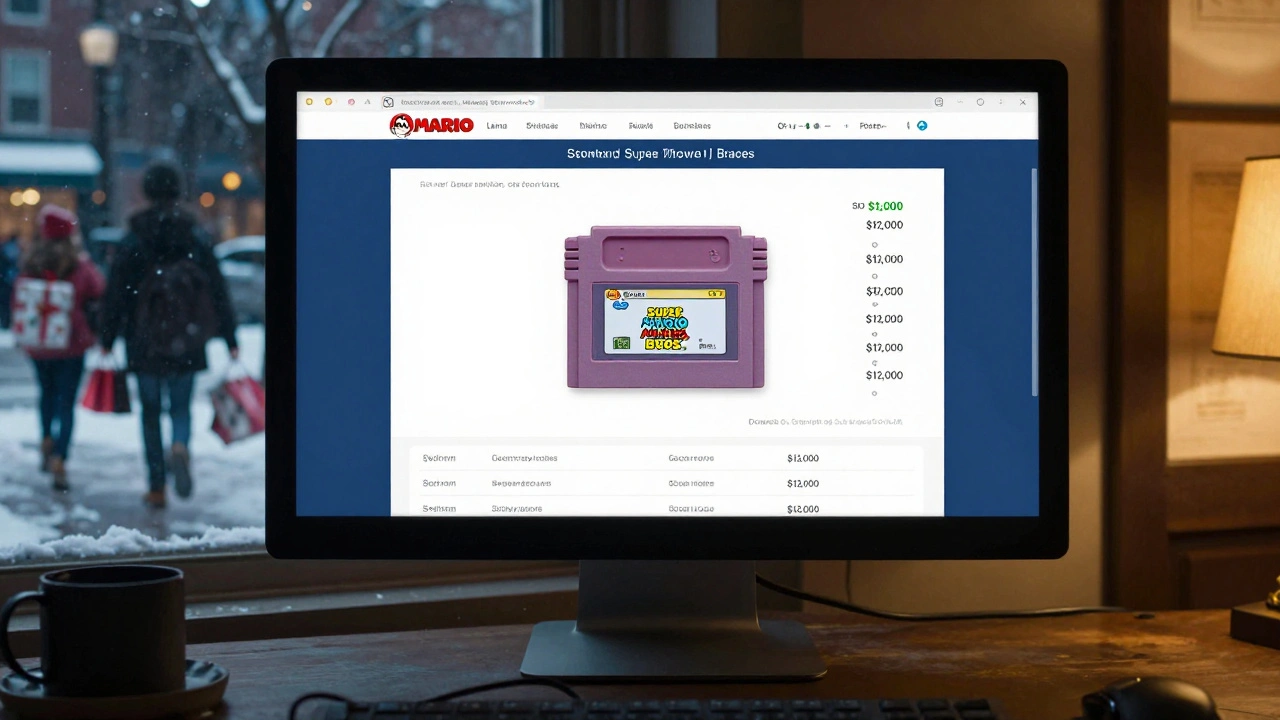
When to Sell: Timing Your Profit
Selling retro games isn’t about finding a buyer. It’s about finding the right time to find a buyer.- For games 0-5 years old: Sell anytime. Prices are falling anyway. But if you can wait until November or December, you’ll get 30-50% more. That’s not a bonus-it’s a lifeline.
- For games 6-10 years old: November and December are your golden months. This is the peak. You can easily double your price compared to June. Don’t sell in January. You’ll regret it.
- For games 16-24 years old: You can sell year-round. Prices don’t move much. But if you want to maximize, aim for late October. That’s when collectors start shopping.
- For games 25+ years old: Hold. Seriously. These games are getting more valuable every year. A sealed Super Mario Bros. was worth $1,000 in 2020. Now? $12,000. If you need cash, sell in December. Otherwise, keep it.
Condition Matters More Than You Think
A used Super Metroid cartridge? Worth $80. Now add the box, manual, and original label? Worth $350. That’s not inflation. That’s scarcity. After 25 years, most boxes are gone. Manuals are torn. Labels are faded. The games that survive in full condition? They’re museum pieces. That’s why sealed games sell for so much. They’re not just games-they’re artifacts. If you’re buying, always check the condition. A game with a cracked cartridge or missing cover might look fine, but it’s worth 60% less. If you’re selling, clean it up. Take good photos. Include every piece. Even a faded manual adds value.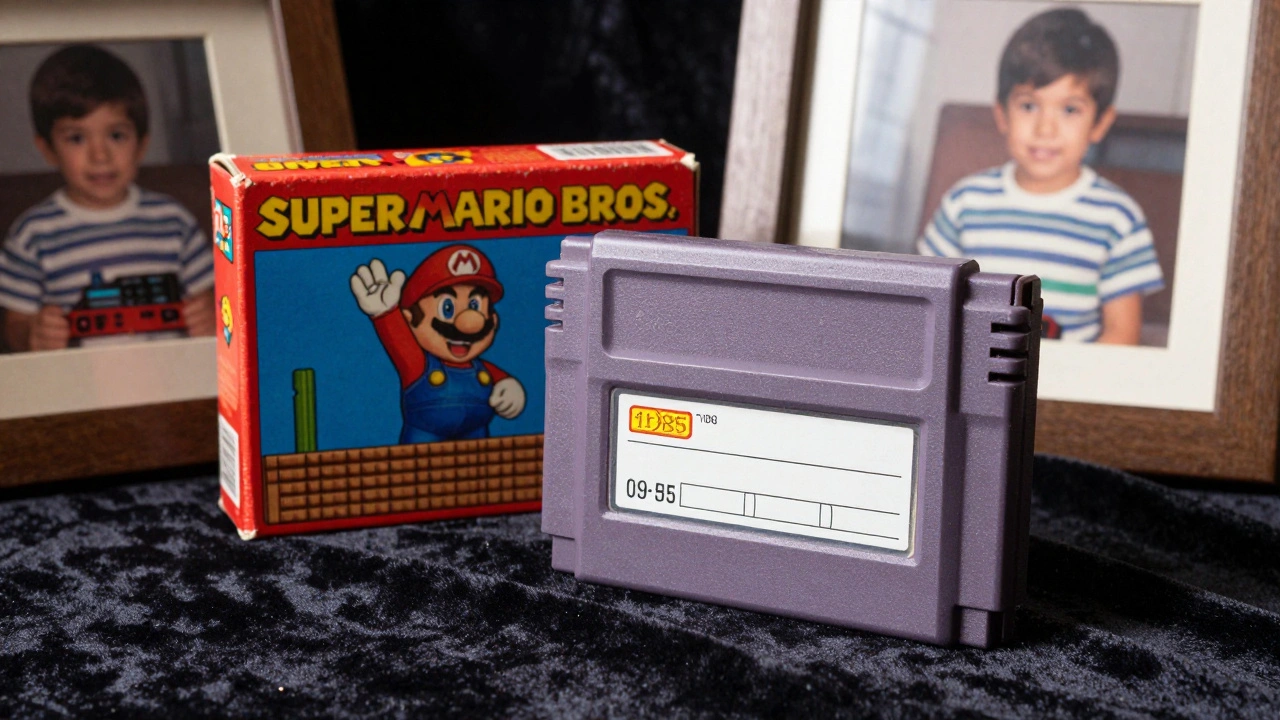
What About the Pandemic? Did It Change Everything?
In 2020, the world locked down. People started gaming harder than ever. Retro game prices jumped. But even then, the pattern held. Prices rose in March, peaked in May, then started falling. But November? Still the biggest drop of the year. The same rhythm. The same timing. The pandemic didn’t break the pattern. It just made it louder. This proves the seasonality isn’t a fluke. It’s baked into the market. People’s habits haven’t changed. They still want gifts in December. They still clear out inventory in November. They still buy in February. The core behavior is unchanged.Quick Summary: When to Buy and Sell
- Best time to buy: Late October through mid-November. Prices are low. Inventory is high. December demand hasn’t kicked in yet.
- Worst time to buy: February through May. Prices climb steadily. Avoid this window if you’re budget-conscious.
- Best time to sell: November and December for games under 25 years old. For games over 25 years old? Hold unless you need cash.
- Never sell in January: Prices bounce back after November’s drop. You’ll get less than you could have.
- Condition is everything: A game with its box and manual can be 3-5x more valuable. Don’t ignore it.
Frequently Asked Questions
Is it better to buy retro games online or in person?
Online marketplaces like eBay or specialized retro game shops give you more choices and price comparisons. But buying in person-like at a local game store or flea market-lets you inspect condition before paying. For high-value games, always inspect in person if you can. For common titles, online is fine. Just check seller ratings and ask for close-up photos of the cartridge, label, and box.
Do retro game prices go up every year?
Only for games that are 25+ years old. Games younger than that usually lose value over time, even if they’re rare. But once a game hits the 25-year mark, scarcity takes over. Fewer copies survive. More collectors want them. Prices climb steadily. A game like Super Mario World has doubled in value every 5 years since 2000. That’s not luck-it’s math.
Are sealed games always worth more?
Yes, but only if they’re authentic. Sealed means factory-sealed, not just shrink-wrapped. Many sellers fake seals. Look for original factory tape, unbroken plastic, and intact box corners. A fake seal can be worth $50. A real one? $5,000. Always verify with photos of the seal, box, and label. Check auction records for the exact version you’re buying.
What’s the most valuable retro game right now?
The most valuable isn’t always the rarest-it’s the one with the most demand. Right now, sealed copies of Super Mario Bros. (1985) for NES lead the pack. A mint-condition, factory-sealed copy sold for over $100,000 in 2024. Other top contenders include Super Mario Bros. 3, Stadium Events (NES), and Clu Clu Land (NES). But value changes fast. Track sales on auction sites like Heritage Auctions or eBay’s completed listings.
Should I invest in retro games as an asset?
Only if you’re patient and know what you’re doing. Retro games aren’t stocks. They’re physical collectibles. You need storage, insurance, and the ability to wait 10-20 years. If you’re buying a game you love, that’s great. If you’re buying to flip in a year? You’ll lose money. The best returns come from holding rare, sealed games for decades. Not months.