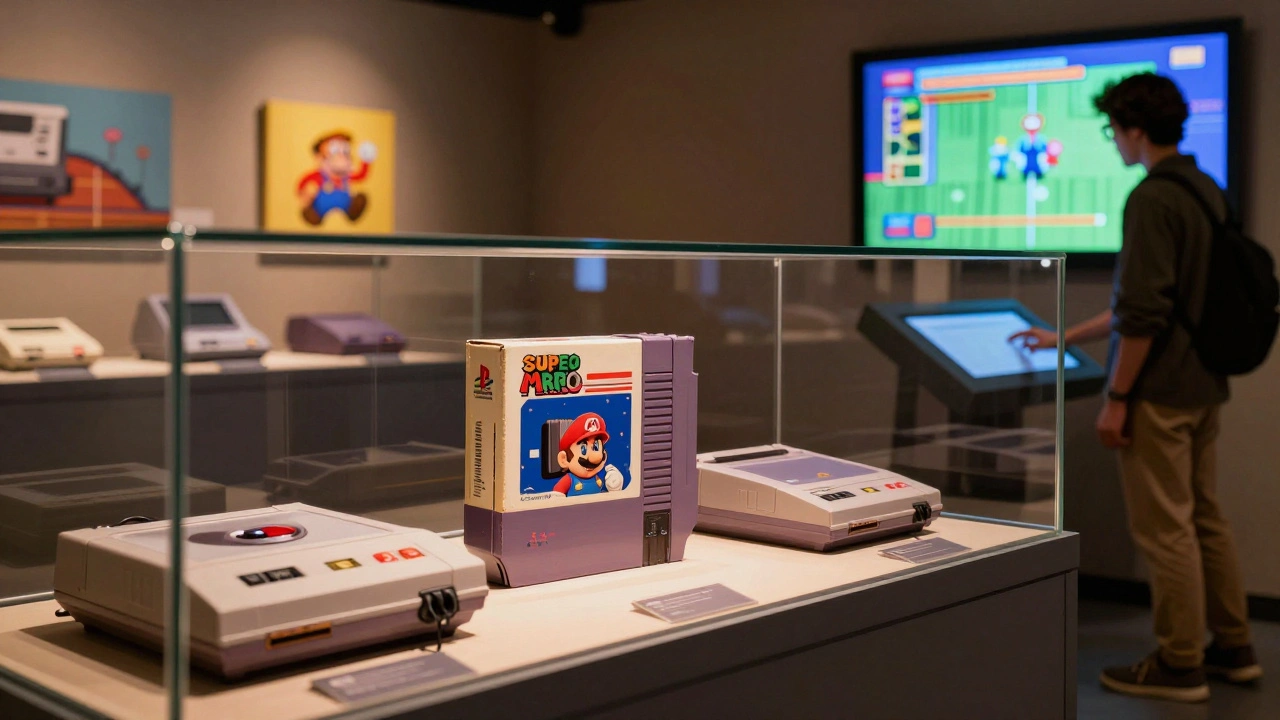
If you’ve got a closet full of old consoles, dusty game cartridges, or boxes of forgotten controllers, you’re not alone. Many collectors hit a point where they have more games than space-or more nostalgia than need. The real question isn’t just what to do with them, but how to give them meaning after they’ve outlived their shelf life. Donating or deaccessioning video games isn’t just about clearing space. It’s about preserving culture. And there are real, working options beyond just selling or tossing them.
Why Donating Video Games Matters
Video games aren’t just software. They’re cultural artifacts. The first copy of Super Mario Bros. on a Nintendo Entertainment System isn’t just a game-it’s a piece of 1980s pop culture. A cracked copy of Final Fantasy VII on PlayStation 1 tells a story about the rise of 3D storytelling. Museums don’t just collect paintings or sculptures. They collect the tools and media that shaped how people lived, played, and felt. When you donate a game, you’re not giving away a toy. You’re handing over a historical object. And museums that focus on digital culture know this. Institutions like the Video Games Museum is a nonprofit organization dedicated to preserving and exhibiting video game history through donated consoles, cartridges, and peripherals. Also known as The Video Games Museum, it was founded in 2018 and now holds over 2,000 unique items from Atari to Xbox Series X. They don’t just store items in boxes. They restore them, document them, and let visitors play them. That’s preservation.Where to Donate: Major Museums
There are a few key institutions actively building video game collections. Each has its own process, but they all follow the same basic principle: document everything.- Video Games Museum is a nonprofit organization dedicated to preserving and exhibiting video game history through donated consoles, cartridges, and peripherals. Also known as The Video Games Museum, it was founded in 2018 and now holds over 2,000 unique items from Atari to Xbox Series X. They accept everything from arcade cabinets to handhelds. Their team even helps with shipping and provides a receipt for tax purposes. Donors are often invited to a private viewing before items go on display.
- Museum of Play is a national institution in Rochester, New York, with a dedicated Video Game Collection that includes over 10,000 items spanning 70 years of gaming history. Also known as The Strong Museum, it requires donors to fill out a detailed online form including photos, condition reports, and historical context. They look for completeness-original box, manual, and all parts. Missing accessories? They’ll still consider it, but full sets get priority.
- National Videogame Museum is a Texas-based interactive museum featuring playable exhibits from Atari 2600 to Nintendo Switch. Also known as NVM, it focuses on systems that still work and games that are rare or culturally significant. They don’t take every donation, but they’re especially interested in prototype cartridges, unreleased hardware, and games that never made it to mass market.
These aren’t charity bins. They’re archives. And they’re selective. If you’ve got a mint-condition EarthBound cartridge with its original box and manual? That’s gold. If you’ve got a scratched copy of Big Rigs: Over the Road Racing? They’ll still take it-because even bad games tell a story.
What They Don’t Want
Not every game is worth saving. Museums aren’t interested in duplicates, broken items without repair value, or mass-produced titles with no historical weight. Here’s what typically gets turned away:- Games with missing manuals or boxes (unless they’re rare or historically significant)
- Consoles with broken power supplies or damaged ports
- Bootleg cartridges or pirated copies
- Items that are too common to add value to the collection (e.g., 5 copies of Mario Kart Wii)
- Modern digital-only games (no physical media to preserve)
Don’t assume that if it’s old, it’s valuable. A 2005 Xbox game with no box, no manual, and a cracked disc? That’s not a museum piece. It’s landfill. But a 1993 Phantasy Star IV with its original packaging and a handwritten note from the original owner? That’s a story.
Deaccessioning: What Happens When Museums Let Go
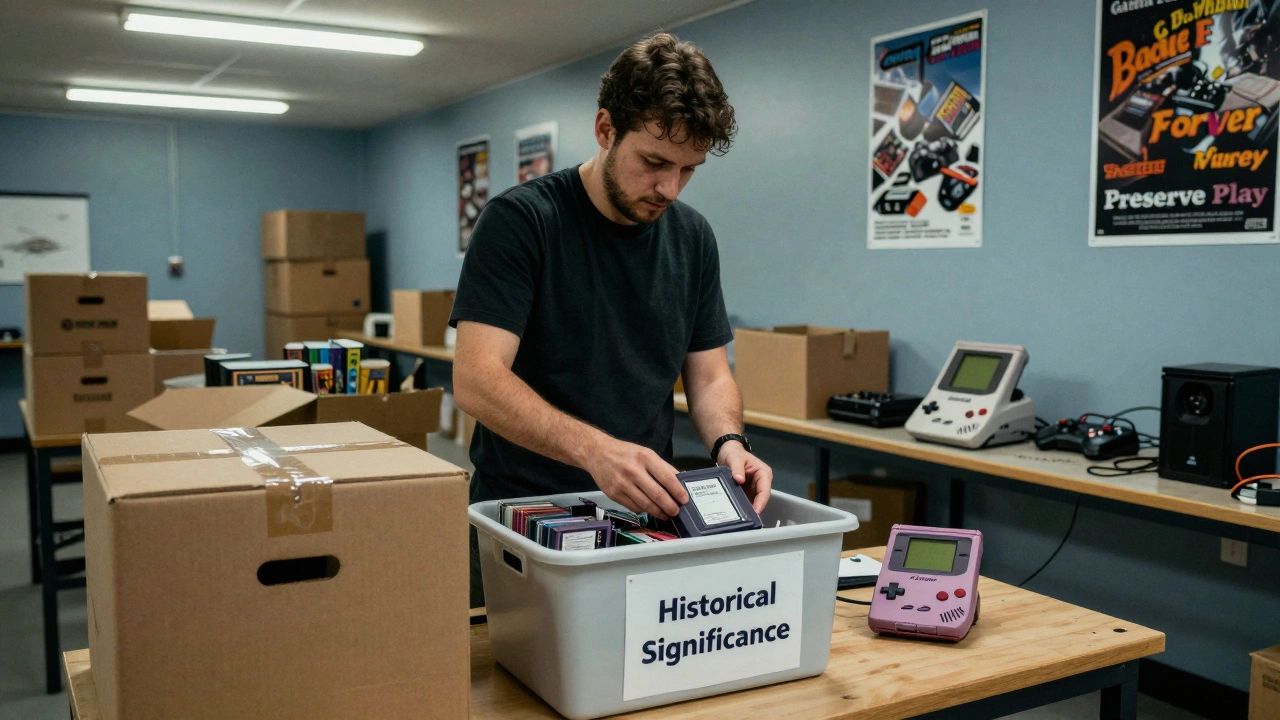
Deaccessioning sounds cold, but it’s necessary. Even museums have to let things go. If a game is too damaged to restore, duplicates pile up, or a system becomes obsolete and irrelevant to their mission, they remove it. But they don’t just throw it out. Most accredited museums follow strict ethical guidelines. When they deaccession, they:- Offer the item to another museum first
- Sell it at auction if funds are needed for conservation
- Donate it to an educational program or library
Some museums even have partnerships with schools. A broken PlayStation 2? They might give it to a tech class to learn how to repair it. A rare arcade cabinet? It could end up in a university game design lab. The goal isn’t to clear space-it’s to keep the legacy alive, even if it moves to a new home.
Charity and Community Options
Not every game needs to go to a museum. Sometimes, it just needs to be played again. Organizations like Game Boy Forever is a nonprofit that collects retro gaming systems and donates them to children’s hospitals, shelters, and veteran centers. Also known as GBF, it has delivered over 1,200 systems since 2020. They take everything: Game Boys, NES consoles, even broken controllers-they fix them. No paperwork. No questions. Just drop them off at one of their 40+ collection points across the U.S. Libraries are another quiet hero. Many public libraries now have game lending programs. The Portland Public Library is a system in Oregon that offers free access to Nintendo Switch, PlayStation 5, and retro consoles for checkout. Also known as PPL, it accepts donations of working systems and unopened games. If you live in a city with a library that has a gaming section, call them. They’re often happy to take what you don’t need.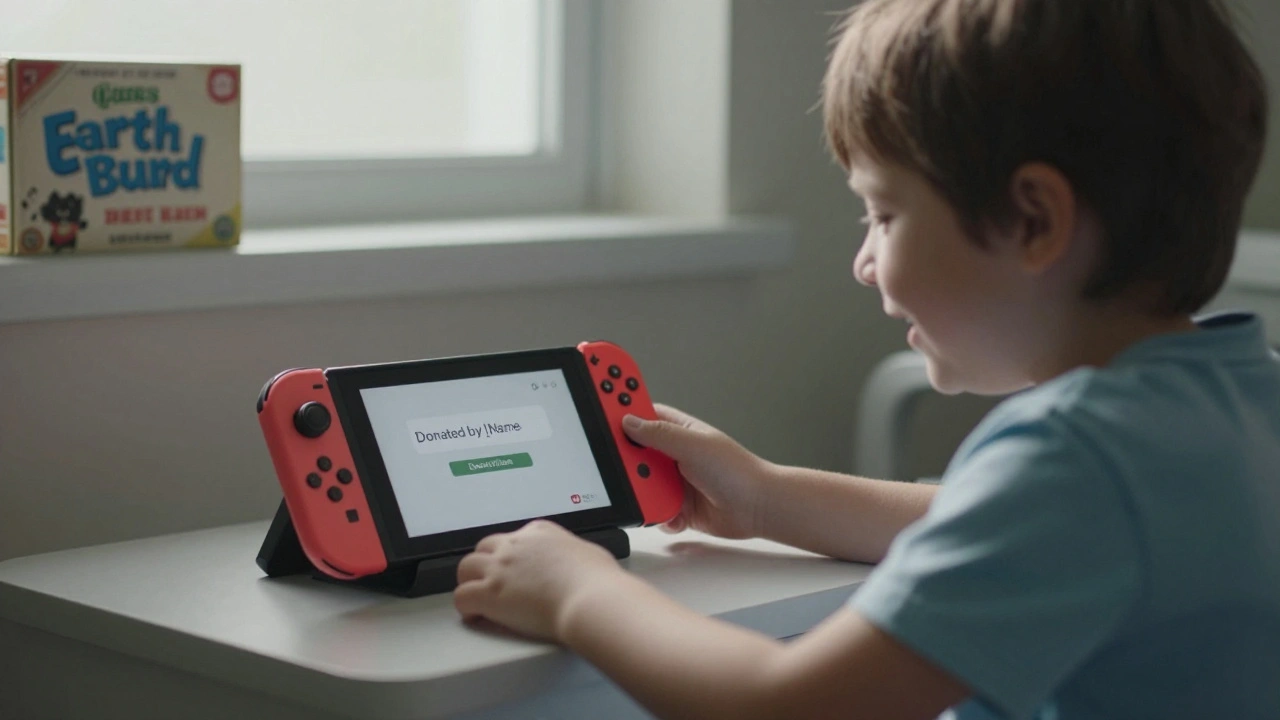
How to Start the Process
Donating isn’t complicated. But it does require preparation. Here’s how to do it right:- Sort your collection. Separate items by system, condition, and rarity. Use your phone to take clear photos of each game’s box, label, and disc/cartridge.
- Research the recipient. Visit the museum’s or charity’s website. Look for their donation guidelines. Most have a form or email address for inquiries.
- Prepare documentation. Include any receipts, original packaging, manuals, or notes about where you got the item. Even a simple note like “Bought this at a flea market in 2003” adds value.
- Contact them. Don’t just show up. Email or call first. Ask if they’re accepting donations. Some museums only take items during specific months.
- Get a receipt. If you’re donating for tax purposes, make sure they provide a written acknowledgment. The IRS requires this for items valued over $500.
What to Expect After You Donate
You won’t get a thank-you card from a museum curator. But you might get something better: a letter months later saying your donated Dragon Quest III cartridge is now part of a new exhibit on Japanese RPGs. Or an email from a kid in a hospital saying they beat Metroid for the first time using your old Game Boy. Museums don’t rush. They catalog. They clean. They restore. It can take 6 to 18 months before your item appears in an exhibit. That’s not a delay-it’s respect. You’re not just giving them a game. You’re giving them a piece of history.Final Thought: Don’t Just Store It. Save It
Your attic isn’t a museum. Your garage isn’t a library. And your old PS3 isn’t just clutter. It’s a time capsule. The next generation won’t find your games in a landfill. They’ll find them in a museum exhibit, a school lab, or a child’s hands in a hospital room. Donating a video game isn’t about letting go. It’s about passing the controller.Can I donate video games for a tax deduction?
Yes, if you donate to a qualified nonprofit museum or charity, you can claim a tax deduction. You must get a written receipt from the organization. For items valued over $500, you’ll need to fill out IRS Form 8283. Museums like the Video Games Museum and Museum of Play provide donation receipts. If you’re unsure of an item’s value, get a professional appraisal-especially for rare or sealed games.
What’s the difference between donating and deaccessioning?
Donating is when you give something to a museum or charity. Deaccessioning is when a museum removes an item from its own collection. Museums deaccession to make room, fix gaps, or reallocate resources. They rarely sell items privately. Instead, they often transfer them to another institution, auction them, or donate them to educational programs. Deaccessioning follows strict ethical rules to prevent museums from profiting off collections.
Do museums take broken games or consoles?
Sometimes. If the item is historically significant-even if broken-museums may accept it for restoration. The Museum of Play, for example, has a conservation lab that repairs damaged cartridges and consoles. But they won’t take something that’s beyond repair and has no historical value. A cracked NES cartridge with no box? Probably not. A prototype controller with a broken wire? Maybe.
Are there charities that take video games for kids?
Yes. Organizations like Game Boy Forever and local libraries often accept working systems and games to donate to children’s hospitals, shelters, and veteran centers. These groups fix and clean donated items before giving them to kids who may not have access to gaming otherwise. They usually accept everything from Game Boys to Xboxes, as long as it powers on and the discs/cartridges aren’t cracked.
Can I donate digital-only games like Steam titles?
No. Museums and charities can’t accept digital games because they have no physical form to preserve. A Steam license isn’t an object-it’s a login. What museums collect are the hardware, packaging, manuals, and cartridges that represent how games were experienced in real life. If you want to preserve digital games, consider archiving them on external drives and donating the hardware they came with.
If you’ve been holding onto old games because you didn’t know what to do with them, now you do. You don’t have to be a collector to make a difference. You just have to care enough to let go-with purpose.