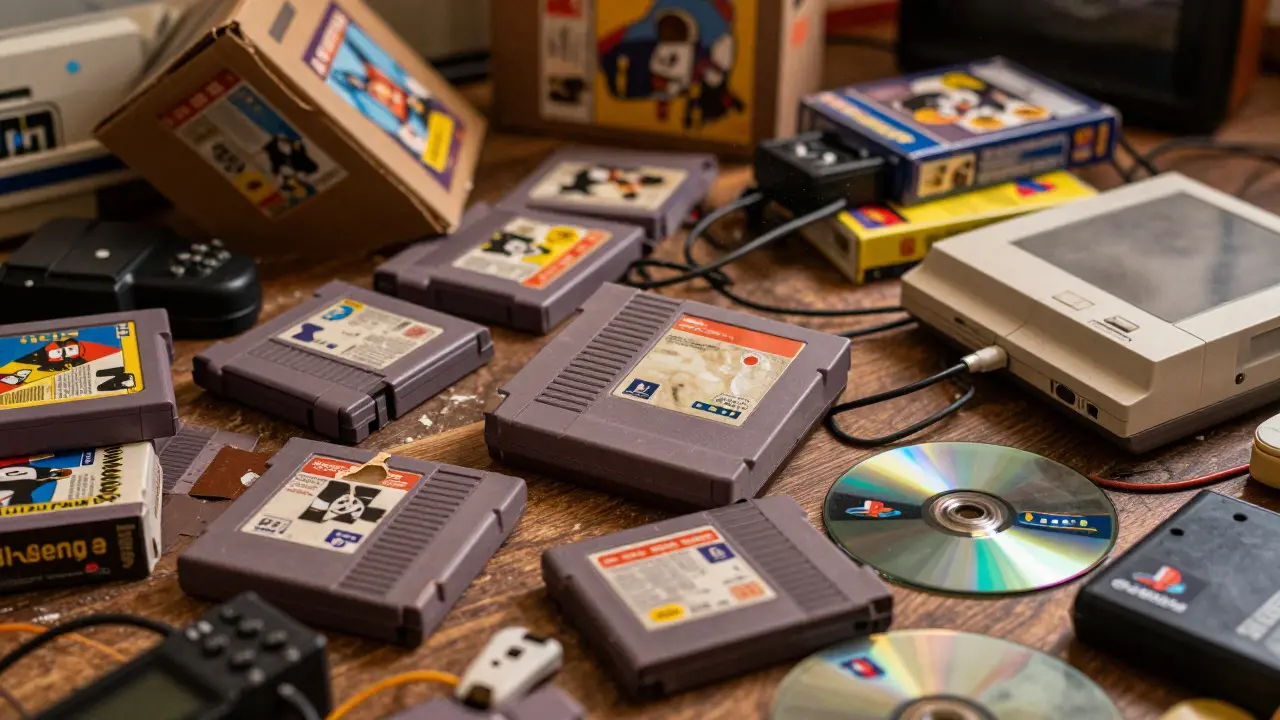
There is a specific kind of panic that sets in when you realize your Retro Video Game Collection is outgrowing the closet. One day it's just a box of cartridges; the next, you have three shelves of consoles, manuals, and loose discs taking up valuable floor space. The problem isn't just clutter-it's preservation. Dust, heat, and random stacking can turn a $500 investment into a pile of unplayable plastic. You need a system that keeps things safe without draining your bank account.
You don't need to buy expensive museum-grade climate control units or custom-built mahogany cabinets. In fact, most high-end solutions are overkill for the average hobbyist. What you actually need is a mix of smart organization, cheap materials, and a bit of DIY ingenuity. Let’s look at how to build a setup that scales with your collection while keeping costs under $200 for a decent-sized library.
Why Your Current Setup Is Failing You
Most collectors start by dumping games into generic bins. It feels efficient until you try to find *Super Mario Bros.* among 40 other NES titles. But the bigger issue is physical degradation. Cartridges from the 8-bit era contain paper labels that peel off if exposed to humidity. Discs from the PlayStation era scratch easily if they rub against each other. Consoles like the Sega Genesis have dry batteries inside that can leak and corrode the motherboard if stored upright for too long.
If you’re storing games vertically in a bookshelf, you’re fighting gravity. If you’re storing them horizontally in a drawer, you’re fighting friction. The goal is to create a neutral environment where the games sit securely, protected from light and dust, but accessible enough that you don’t forget what you own.
The Foundation: Choosing the Right Container
Before you buy any fancy organizers, you need a base. For a growing collection, modular shelving is your best friend. Avoid fixed furniture because your collection will change shape. Maybe you’ll start collecting handhelds, or maybe you’ll stop buying new retro consoles and focus on vintage arcade cabinets. Flexibility is key.
- Metal Wire Shelving: Cheap, sturdy, and ventilated. Look for 4-shelf units that cost around $30-$50. The ventilation helps prevent heat buildup, which is crucial for older electronics.
- Plywood Shelves: If you want a cleaner look, cut sheets of plywood to fit standard shelf brackets. This allows you to customize depth. Deeper shelves (12-16 inches) are better for standing consoles; shallower ones (8-10 inches) work for flat-stacked games.
- Under-Bed Storage Bins: Don’t ignore the space under your bed. Clear plastic bins with lids are perfect for "overflow" collections or games you rarely play. Just make sure they aren't in a damp basement.
A pro tip: Use command strips or adhesive hooks to label the sides of your bins or shelves. It sounds trivial, but labeling by platform (NES, SNES, N64) saves you from digging through every single box when you want to play something specific.
Organizing Cartridges and Discs Without Breaking the Bank
This is where most people waste money. They buy branded, color-coded cases that cost $15 each. Instead, look at bulk office supply stores. Here is a comparison of common low-cost options versus premium collector cases.
| Storage Type | Approximate Cost per Unit | Capacity | Pros | Cons |
|---|---|---|---|---|
| Bulk Plastic Magazine Holders | $0.50 - $1.00 | 10-20 cartridges | Cheap, stackable, clear front | Can be flimsy, not protective against heavy impact |
| Clear DVD/CD Jewel Cases | $0.20 - $0.50 | 1 disc + manual | Standard size, fits most discs | Too big for small cartridges, prone to cracking |
| DIY Cardboard Dividers | $5 - $10 (bulk) | Customizable | Infinite customization, zero waste | Not durable, looks messy if not labeled well |
| Premium Branded Collector Cases | $10 - $20 | 1-2 games | High protection, aesthetic appeal | Expensive, takes up more space |
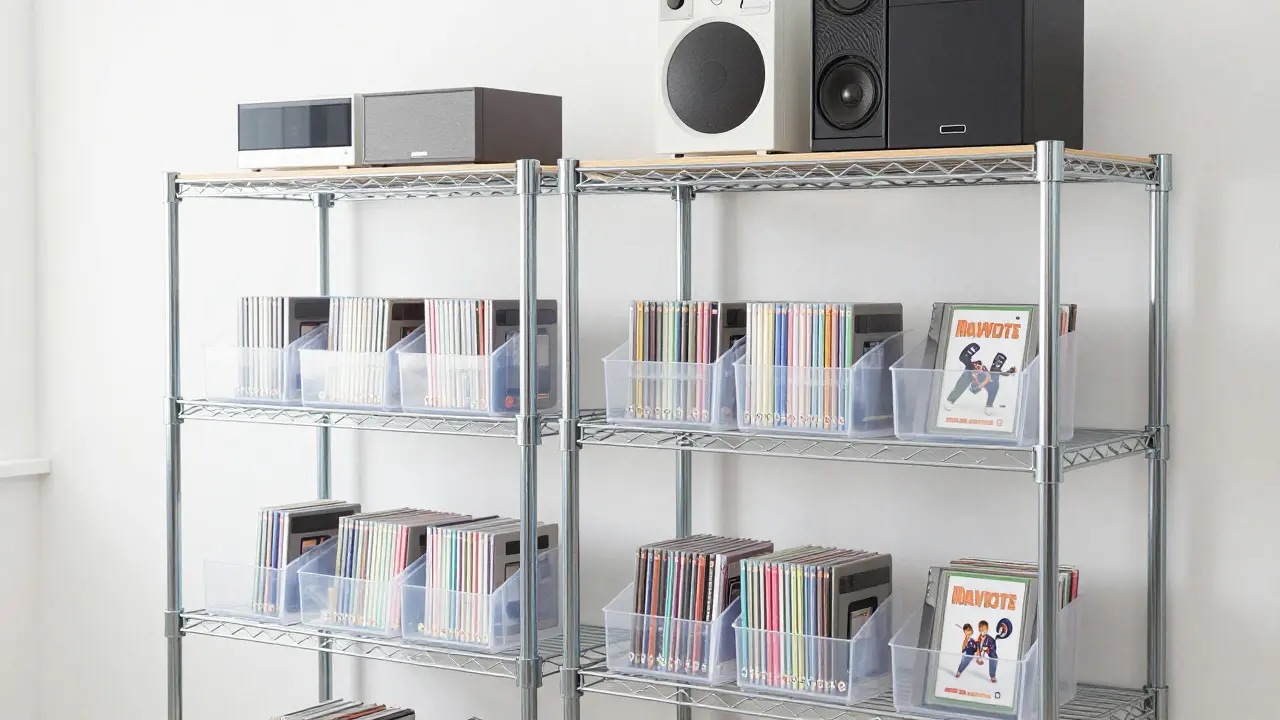
For NES and SNES cartridges, bulk magazine holders are the sweet spot. You can buy a pack of 10 for about $8 online or at office supply warehouses. They keep the carts separated so labels don't rub together, and they stack neatly on a shelf. For CD-based systems like the PlayStation 1 or Dreamcast, clear jewel cases are fine, but consider adding a soft cloth sleeve inside to prevent micro-scratches.
Protecting Consoles from Time and Elements
Consoles are the heart of your collection, but they are also the most fragile. Unlike cartridges, they have moving parts (fans), batteries, and delicate ports. Here is how to store them safely without buying a dedicated display case for each one.
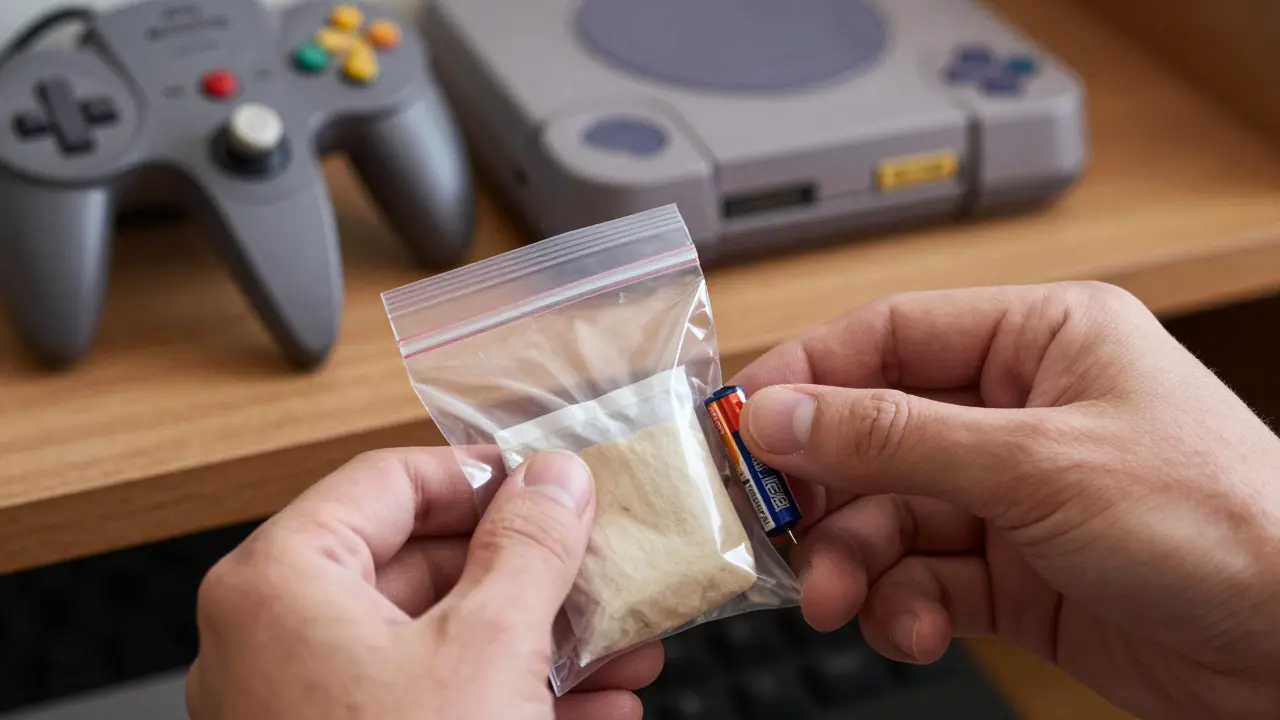
- Remove Batteries: If your controller has an AA battery compartment, take them out. Corrosion is the number one killer of retro controllers. Store the batteries in a separate ziplock bag with a desiccant packet (silica gel) to keep them dry.
- Use Anti-Static Bags: For very sensitive components like original N64 or PS1 consoles, slide them into anti-static bags. These cost less than $5 for a pack of 10 and protect against electrostatic discharge.
- Create a "Safe Zone": Designate one top shelf as your "active