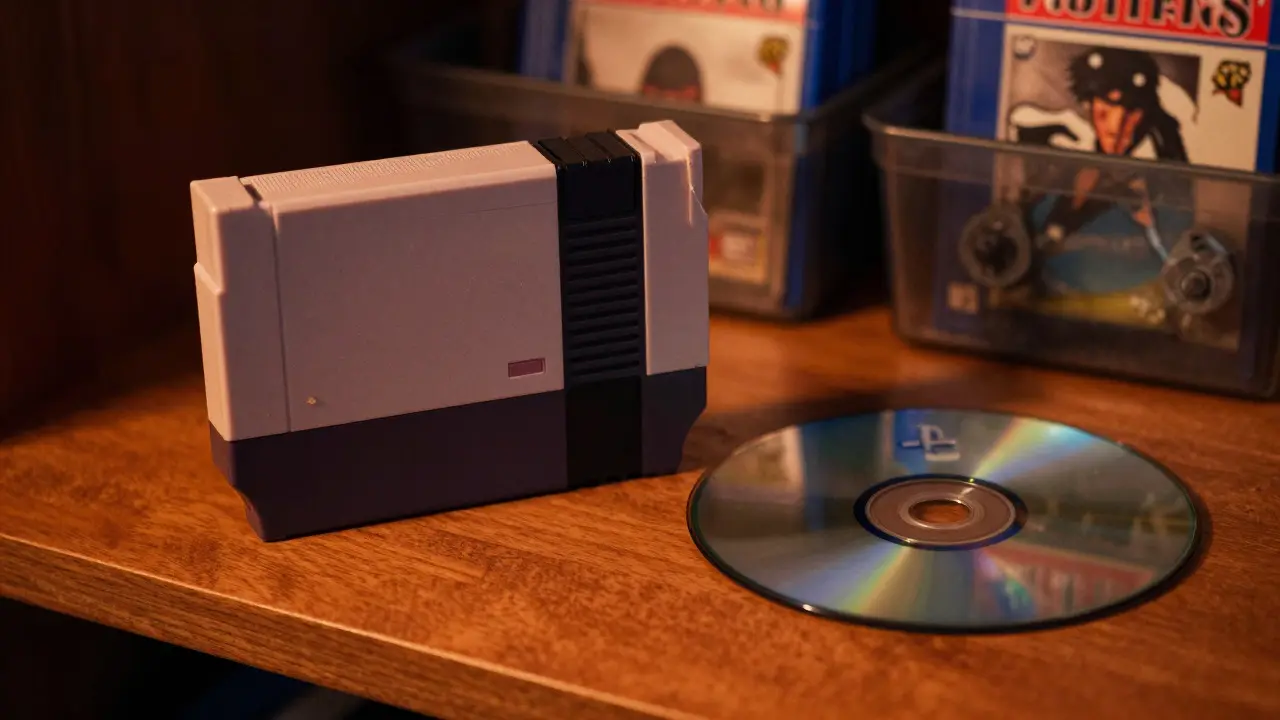
Imagine waking up to the smell of smoke or finding your living room knee-deep in water. For most people, it’s a nightmare. But for a collector with hundreds of cartridges, discs, or cassettes, it’s an existential threat. Physical video games are not just plastic and silicon; they are fragile artifacts that react violently to heat and moisture. If you have invested time and money into building a library, you need a plan that goes beyond "hope for the best."
The core problem is simple: physical media degrades when exposed to environmental extremes. A Nintendo Entertainment System (NES) cartridge can warp from high heat, while a PlayStation 4 disc can suffer from permanent data loss if exposed to sustained humidity above 60%. This guide breaks down exactly how to shield your collection from the two most common household disasters: fire and flood.
Understanding the Threats: Heat vs. Moisture
Before buying gear, you need to understand what actually destroys a game. It isn't always the immediate event; often, it's the aftermath.
- Fire: Direct flame melts plastic shells instantly. However, the bigger enemy is heat radiation. Temperatures exceeding 120°F (49°C) can cause adhesive labels to bubble and internal components to oxidize. Smoke residue is also corrosive and can eat through protective coatings over time.
- Flood: Water causes short circuits in electronic hardware (like consoles), but for optical discs and cartridges, the issue is swelling and mold. Once water seeps into a CD-ROM or DVD, the reflective layer can corrode, making the data unreadable forever. Mold spores can grow on cardboard sleeves within 48 hours if humidity remains high.
Most collectors focus on keeping things dry, but few consider that temperature fluctuations cause expansion and contraction. This stress cracks solder joints in older systems and warps thin plastic cases. Your goal is stability, not just protection.
The First Line of Defense: Proper Storage Environment
You don’t need a bunker to start. You need a controlled microclimate. The ideal environment for long-term Physical Media Storage is a cool, dark, and dry space where temperature and humidity remain constant. Target a temperature between 65°F and 70°F (18°C - 21°C) and relative humidity between 35% and 50%.
Where should this be? Avoid attics (too hot in summer, too cold in winter) and basements (prone to dampness and flooding). A closet in a central hallway or a dedicated shelf in a bedroom is usually safer. If you live in a humid region like Portland, Oregon, you might need active intervention. A small digital hygrometer costs less than $20 and tells you if your "safe" spot is actually safe.
| Factor | Safe Range | Danger Zone | Consequence |
|---|---|---|---|
| Temperature | 65°F - 70°F | Above 85°F or Below 40°F | Warping, label peeling, battery drain in save chips |
| Relative Humidity | 35% - 50% | Above 60% or Below 20% | Mold growth, static buildup, disc oxidation |
| Light Exposure | Dark / UV Filtered | Direct Sunlight | UV degradation of plastics, fading artwork |
Fire Protection: Beyond the Box
If a house fire breaks out, you likely won’t have time to grab every box. You need passive protection. Standard cardboard boxes burn quickly and offer zero insulation. Instead, invest in metal or heavy-duty plastic bins with gasket seals.
For high-value items, consider Fireproof Document Cases which are containers rated to withstand specific temperatures for a set duration, typically used for important papers but effective for small game collections. Look for ratings like UL Class 350, which means the contents stay below 350°F for at least one hour. While expensive, these are worth it for rare first-print editions or limited-run titles.
Don't forget the consoles themselves. They contain capacitors and batteries that can explode under extreme heat. Keep them in ventilated areas, not sealed in tight closets, unless you have a fire-rated cabinet. Paradoxically, good ventilation prevents overheating during normal use, reducing the risk of spontaneous electrical fires that could start a larger blaze.
Flood Protection: Elevate and Seal
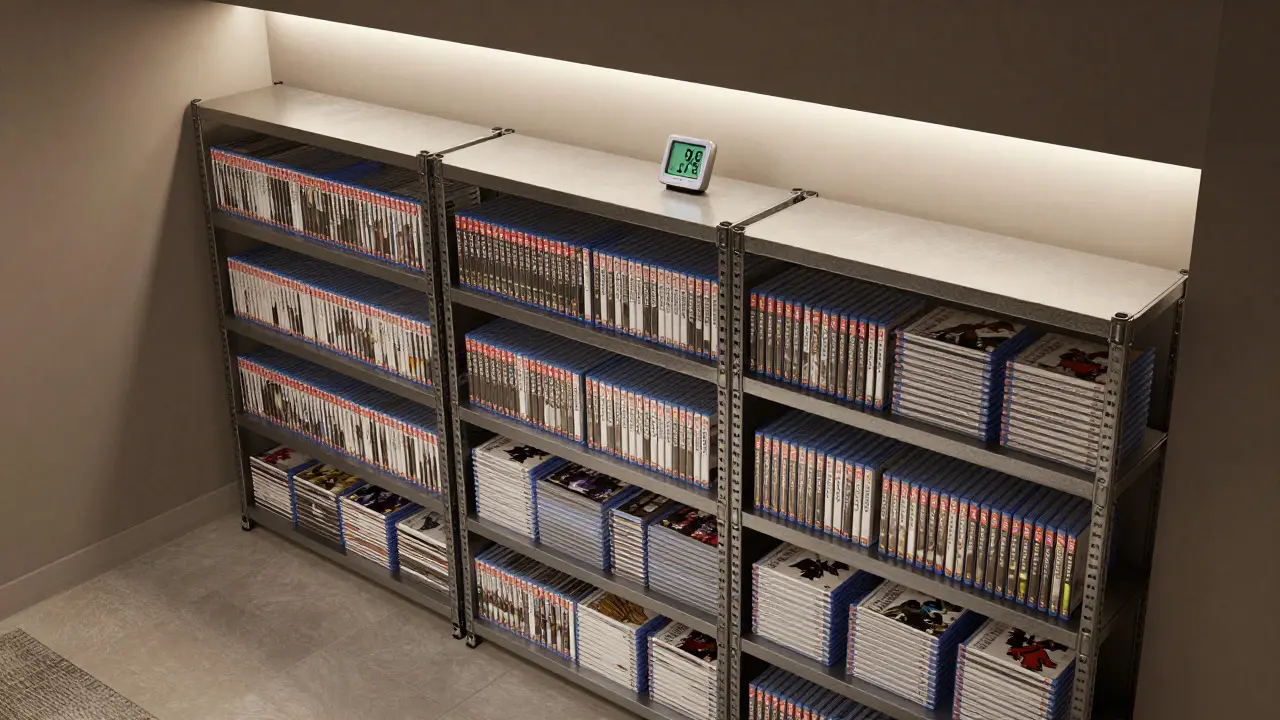
Water seeks the lowest point. If your games are on the floor, they are at risk. Even if you don't live in a flood zone, burst pipes happen. The rule is simple: elevate everything off the ground by at least 12 inches.
Use shelving units made of metal or treated wood rather than particle board, which swells and collapses when wet. Inside those shelves, store games in individual polypropylene sleeves. Polypropylene is inert and doesn't off-gas acids that damage paper manuals or cardboard boxes. It also acts as a barrier against splashing water.
If you keep original boxes, note that cardboard is porous. In a significant leak, the box will absorb water and become a sponge, spreading moisture to the game inside. For long-term storage of boxed sets, consider removing the game from the box and storing it in a rigid plastic case, keeping the box separately wrapped in acid-free tissue paper.
Digital Backups: The Ultimate Safety Net
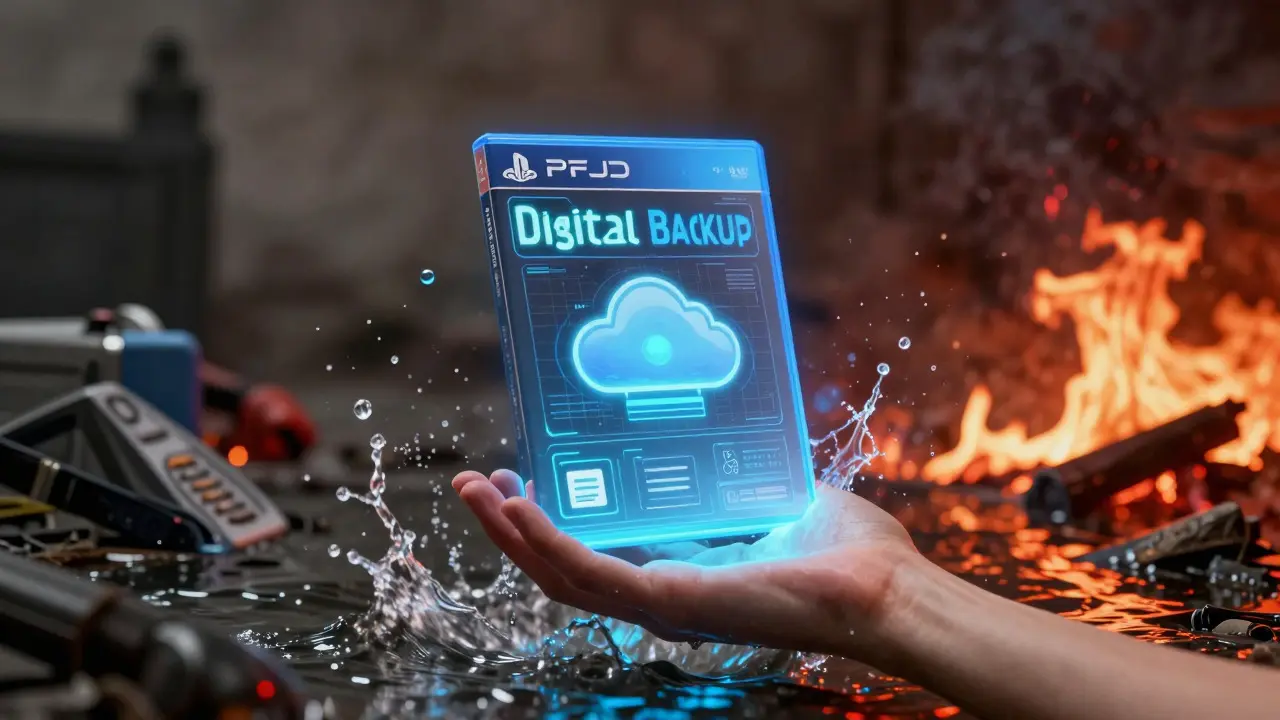
No matter how well you protect physical copies, they can still be lost. Theft, shipping errors, or catastrophic structural failures can wipe out a collection. That’s why digital backups are non-negotiable for modern collectors.
Start with metadata. Create a spreadsheet listing every title, platform, release year, condition grade, and purchase price. Take high-resolution photos of each game, including the front, back, spine, and any unique markings. Store these files in cloud storage services like Google Drive or Dropbox. This ensures that even if the physical item is destroyed, you have proof of ownership and documentation for insurance claims.
For playable backups, check the legal status of ROM dumping in your region. While gray areas exist, many jurisdictions allow personal backups for preservation purposes. Use reliable extraction tools to create ISO files for discs or dumps for cartridges. Store these on external hard drives kept in a different location from your physical collection-perhaps a friend’s house or a secure bank vault. This follows the 3-2-1 backup rule: three copies of your data, on two different media types, with one off-site.
Insurance and Documentation
Do you know if your homeowner’s insurance covers your gaming collection? Most standard policies cover personal property up to a certain limit, but high-value collectibles often require a rider or separate policy. Contact your provider to ask about "scheduled personal property" coverage.
To make a claim, you need evidence. This is where your digital inventory comes in. Keep receipts, auction results, or appraisal letters for rare items. If you bought games second-hand, screenshots of the listing page showing the price paid can serve as proof of value. Update this inventory annually. Insurance adjusters rarely accept "I remember paying $50" as valid evidence without documentation.
Emergency Action Plan
When disaster strikes, panic leads to mistakes. Have a pre-planned response ready.
- Assess Safety: Don’t enter a home with standing water until electricians confirm power is off. Don’t enter a smoky area without proper gear.
- Rescue High-Value Items: Grab the fireproof case or the bin with your top 10 most valuable items first.
- Stop the Source: If it’s a pipe leak, shut off the main water valve. If it’s a fire, call emergency services immediately.
- Dry Quickly: If games get wet, do not put them in the dryer. Air dry them in a climate-controlled room. Use silica gel packets to draw out moisture slowly.
- Document Damage: Before cleaning or moving anything, take photos. Insurance needs to see the state of the items immediately after the incident.
Keep a list of emergency contacts: your insurance agent, a trusted friend who has a spare key, and a local restoration specialist who handles electronics.
Common Mistakes to Avoid
Many collectors unknowingly accelerate the decay of their own games. Here are the pitfalls to steer clear of:
- Storing in Bathrooms: Steam from showers raises humidity rapidly, creating perfect conditions for mold.
- Using PVC Plastic Bags: Cheap black plastic bags off-gas hydrochloric acid, which yellows and embrittles plastic cases over decades. Use archival-quality polypropylene instead.
- Ignoring Static Electricity: In dry climates, static can pull dust onto discs and attract debris. Handle discs by the edges, not the surface.
- Over-Packing Shelves: Cramped spaces prevent air circulation, leading to hot spots and uneven humidity distribution.
Your collection is a reflection of your passion. Treating it with the same care you’d give to fine art or vintage cameras ensures it survives not just for you, but for future generations.
What is the best material for storing video game cases?
Polypropylene is the gold standard for long-term storage. It is chemically inert, meaning it won't react with the plastic of the game case or the paper of the manual. Cardboard boxes are great for display but poor for long-term storage due to acidity and susceptibility to moisture. Avoid PVC or vinyl bags, which emit harmful gases over time.
Should I keep my games in their original boxes?
It depends on the condition of the box. If the box is mint and sturdy, yes, but wrap it in acid-free tissue paper first to prevent direct contact with other items. If the box is worn, cracked, or stained, remove the game and store it in a rigid plastic case. Keep the box separately. This protects the game from the box's deterioration and vice versa.
How do I clean a water-damaged video game disc?
First, let it air dry completely for 24-48 hours. Do not use heat. Once dry, inspect for scratches or corrosion. Clean the surface gently with a lint-free cloth and distilled water or a specialized lens cleaner. Never scrub the underside where the data is stored. If there is visible rust or green residue, consult a professional restoration service before attempting playback.
Is it worth insuring a video game collection?
If your collection exceeds $5,000-$10,000 in value, yes. Standard homeowner's insurance often has sub-limits for collectibles. Adding a rider ensures you are reimbursed for replacement cost rather than depreciated value. Always document your collection with photos and receipts to support any claim.
Where is the safest place to store games in a house?
A central, interior room on the first floor is generally safest. Avoid attics (heat), basements (moisture/flood), and garages (temperature swings). The room should be away from exterior walls, windows, and plumbing lines. Ideally, it should have stable temperature and low humidity year-round.