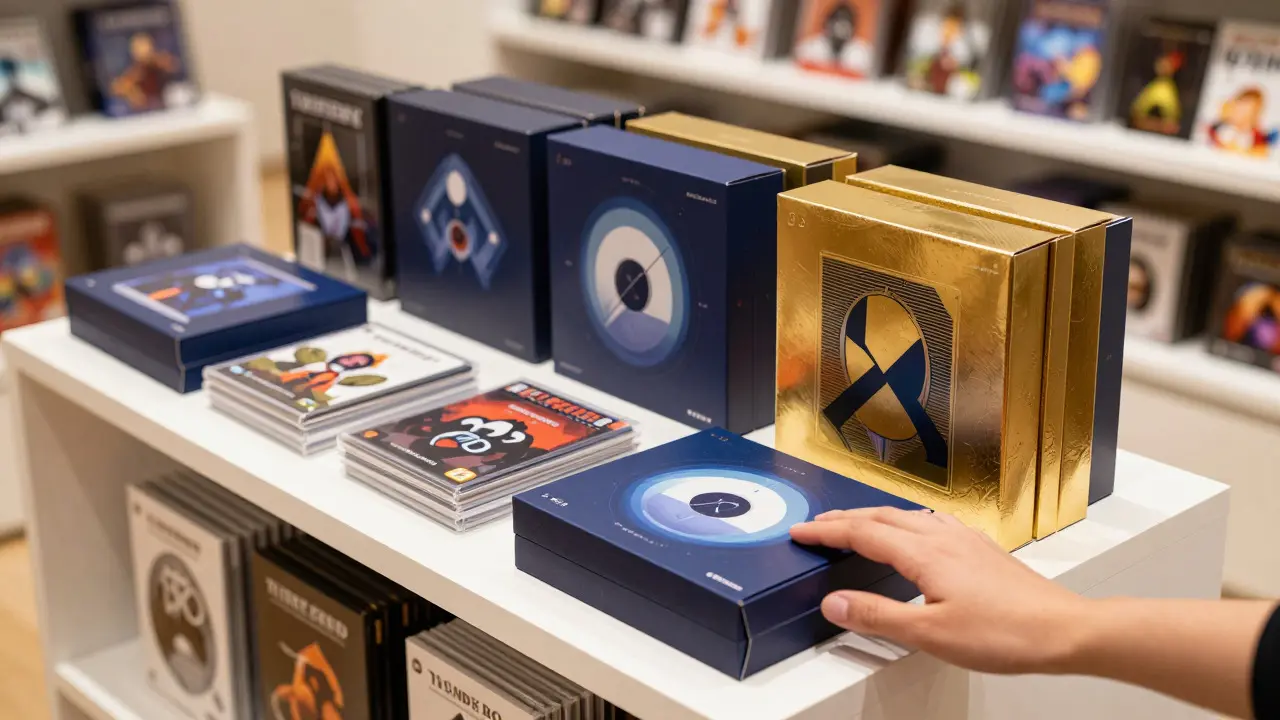
Walk into any major game store today, and you might notice a shift. The shelves aren't just dominated by the same big-name titles from AAA giants. Instead, you'll find smaller boxes with bold art, special packaging, and prices that hint at exclusivity. This is the work of boutique publishers, which are small-scale companies that specialize in releasing niche or independent video games, often focusing on physical media to build community and brand identity. Unlike massive conglomerates, these publishers operate with lean teams, targeting specific audiences rather than the masses. Their impact on the physical video game market is significant, driving sales through scarcity, collectibility, and direct-to-consumer relationships.
The Rise of Niche Specialization
Why do boutique publishers focus so heavily on physical copies? It’s not just nostalgia. For many indie developers, digital distribution platforms like Steam or Epic Games Store take a significant cut of revenue and offer low visibility for new titles. By partnering with a boutique publisher, developers gain access to curated retail spaces where their games can stand out. These publishers act as gatekeepers, selecting only high-quality titles that fit their brand aesthetic. This curation process builds trust among consumers who know that if a boutique puts out a game, it’s likely well-made and worth the premium price.
Take Team17 as an example. While they have grown significantly, their roots lie in publishing unique titles like Worms and later, supporting indie hits like Hades. They mastered the art of making physical editions feel like premium products. Another key player is Devolver Digital, known for its quirky marketing and willingness to back unconventional games. Their physical releases often feature unique box designs and extra content, turning the purchase into an experience rather than just a transaction.
Scarcity and Collectibility as Drivers
One of the most powerful tools in a boutique publisher's arsenal is scarcity. By limiting the number of physical units produced, they create a sense of urgency and exclusivity. This strategy appeals to collectors who view video games as tangible artifacts. A limited run of 500 copies, for instance, becomes a conversation piece and a potential investment. This contrasts sharply with the infinite supply of digital keys, where no two copies are ever different.
- Limited Editions: Often include steelbook cases, art books, soundtracks, or figurines.
- Numbered Copies: Each box has a unique serial number, enhancing its value.
- Exclusive Content: Physical buyers may receive DLC or early access features not available digitally.
This approach transforms the physical game from a mere container for software into a collectible item. It encourages fans to buy multiple copies for their collections, driving higher average order values for the publisher.
Direct-to-Consumer Relationships
Boutique publishers often bypass traditional retail chains, selling directly to consumers through their own websites or at conventions. This direct channel allows them to keep more profit and build a deeper connection with their audience. Fans can engage with the publisher on social media, attend meet-and-greets, and feel part of a community. This relationship fosters loyalty, meaning customers are more likely to support future releases without hesitation.
For example, Raw Fury (formerly Kalypso Media) has successfully used this model to publish strategy games like XCOM: Chimera Squad. Their physical editions are highly sought after, and their direct sales channels ensure that profits go back into funding new projects. This cycle of reinvestment helps sustain the boutique model, allowing them to take risks on titles that larger publishers might shy away from.
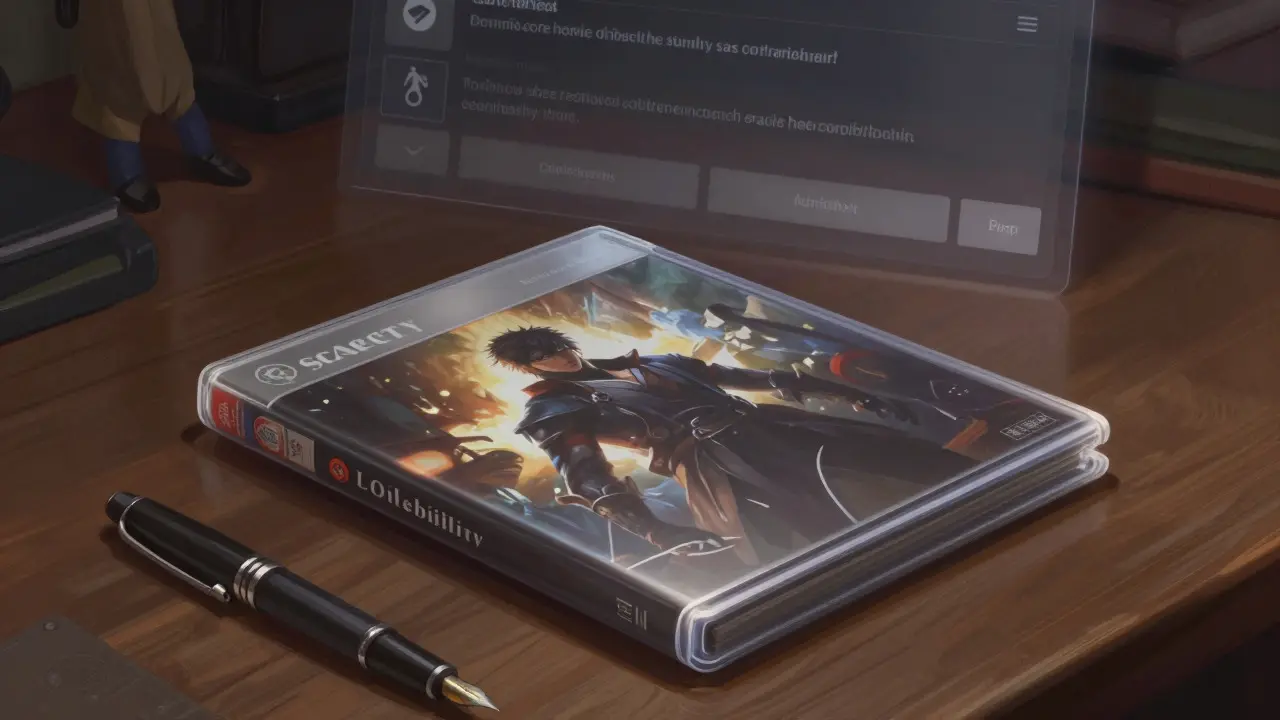
Comparison: Boutique vs. AAA Publishers
To understand the distinct role of boutique publishers, it helps to compare them with traditional AAA publishers. The table below highlights key differences in their approaches to the physical market.
| Feature | Boutique Publishers | AAA Publishers |
|---|---|---|
| Target Audience | Niche communities, collectors | Mass market, casual gamers |
| Physical Strategy | Limited runs, premium packaging | Wide availability, standard packaging |
| Pricing Model | Premium pricing due to exclusivity | Standard pricing, frequent discounts |
| Marketing Focus | Community engagement, word-of-mouth | Mass advertising, influencer partnerships |
| Risk Tolerance | High risk on experimental titles | Low risk, proven franchises |
This comparison shows that boutique publishers thrive in spaces where AAA giants struggle to reach. They don't compete on scale but on quality and connection. While AAA publishers rely on volume, boutiques rely on value perception.
Challenges and Sustainability
Despite their success, boutique publishers face challenges. The cost of producing physical media has risen due to inflation and supply chain issues. Printing, packaging, and shipping are more expensive than managing digital files. Additionally, the rise of subscription services like Xbox Game Pass and PlayStation Plus means some players prefer access over ownership. However, the collector segment remains resilient. As long as there is a desire for tangible ownership, boutique publishers will have a place in the market.
Sustainability also depends on consistent quality. If a boutique releases a poorly made title, the damage to their reputation can be severe because their audience is small and interconnected. Word spreads quickly in niche communities. Therefore, careful curation is essential for long-term survival.

Future Trends in Physical Gaming
Looking ahead, we can expect boutique publishers to continue innovating. We might see more hybrid models, where physical purchases unlock digital perks, or vice versa. There is also growing interest in eco-friendly packaging, appealing to environmentally conscious gamers. Furthermore, virtual reality and augmented reality games are emerging as new categories where physical components could play a role, such as haptic controllers or interactive booklets.
The key takeaway is that the physical video game market is not dead; it has evolved. Boutique publishers are leading this evolution by redefining what it means to own a game. They are creating a space where gaming is not just about playing, but about collecting, connecting, and celebrating the art form.
Frequently Asked Questions
What is a boutique publisher in video games?
A boutique publisher is a small company that releases niche or independent video games, often focusing on physical media to build community and brand identity. They typically work with fewer titles than large publishers but offer more personalized support and marketing.
Why are physical games from boutique publishers more expensive?
They are often more expensive due to limited production runs, premium packaging, and exclusive content. The higher price reflects the scarcity and collectible nature of the product, rather than just the cost of manufacturing.
Do boutique publishers still sell in retail stores?
Yes, but less frequently than in the past. Many boutique publishers sell directly online or at conventions. However, popular titles may still appear in select retail locations, especially those specializing in indie or collectible games.
Is buying physical games from boutiques a good investment?
It can be, depending on the title and condition. Limited editions from reputable publishers often appreciate in value over time. However, it should primarily be seen as a hobby expense, with investment being a secondary benefit.
How do boutique publishers differ from self-publishing developers?
Boutique publishers provide funding, marketing, and distribution support, reducing the burden on developers. Self-publishing developers handle all aspects themselves, retaining full control but also bearing all costs and risks. Boutiques offer a middle ground between full independence and major label support.