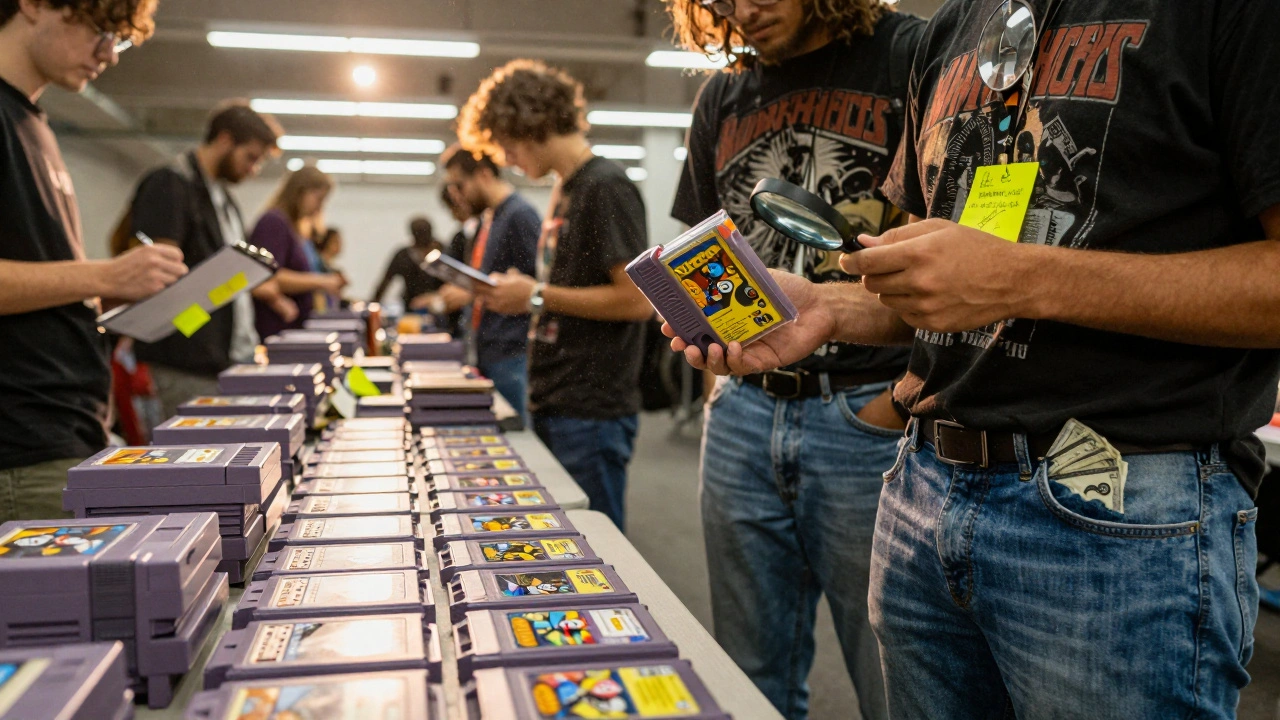
Walking into a video game swap meet feels like stepping into a living museum-rows of dusty cartridges, cracked cases, and boxed SNES games under flickering fluorescent lights. But beneath the nostalgia, there’s a quiet economy at work. People aren’t just trading memories; they’re trading value. And that value? It’s negotiable. But not every negotiation works out. The difference between walking away with a rare Pokemon Yellow cartridge and walking away empty-handed? Knowing the rules.
Do Your Homework Before You Show Up
You wouldn’t walk into a car dealership without knowing what the market price is. Same goes for swap meets. If you show up with no idea what a sealed Super Mario Bros. 3 costs, you’re already behind. Start by checking recent sales on eBay, PriceCharting, or even Reddit’s r/GameCollecting. Look at condition. A game with a faded box but perfect cartridge is worth less than one with a pristine box and a scratched disc. Write down your targets: game title, region, version, and condition. Bring photos. If you’re hunting for a specific version of Legend of Zelda: Ocarina of Time with the green sticker on the back, have a picture ready. Sellers who see you know exactly what you want? They’ll respect you more. And they’ll be more willing to negotiate.Cash Is King-And You Need to Hide It
No matter how fancy your Venmo or PayPal app is, cash still runs the swap meet. Sellers trust cash. It’s immediate. No fees. No chargebacks. No waiting. Bring small bills-fives, tens, twenties. Don’t carry a wad of cash in your hand. Don’t count it out loud. Keep it in separate pockets. One pocket for games. One for consoles. One for accessories. If someone sees you’ve got $200 in your pocket, they’ll assume you’ll pay full price. But if you pull out a single $20 bill like it’s no big deal? You’ve just turned yourself into a serious buyer. And serious buyers get better deals.Ask Questions-Don’t Just Hand Over Money
A sealed game doesn’t mean it works. A cartridge doesn’t mean the chip is intact. A manual might be a printout from the internet. Ask. Always ask. "Is the box original?" "Did you test it?" "Can you turn it on?" For handhelds like Game Boy Color or Nintendo DS, ask if the battery holds a charge. For disk-based systems like PlayStation 2, ask if the disc spins without skipping. For rare titles like Pokemon Crystal or EarthBound, don’t be shy about asking to see the label under the sticker. Most sellers will gladly open it. If they refuse? Red flag. You’re not being rude-you’re being smart. Sellers who get annoyed by questions? They’re either hiding something or they’re not serious about the hobby.Know When to Walk Away-And When to Buy
Set a budget. Not a wish list. A hard limit. Say you’ve got $150 for the day. Stick to it. But here’s the catch: if you find that one item you’ve been hunting for five years? And it’s priced right? Blow the budget. One veteran collector says he’s spent $400 on a single game once. But he did it because he knew the value. The problem isn’t overspending. It’s overspending on something you don’t care about. If you’re hesitating, you’re already losing. Someone else is looking at it. If it’s priced fairly, buy it. Don’t say "I’ll come back." You won’t. And by the time you do, it’ll be gone.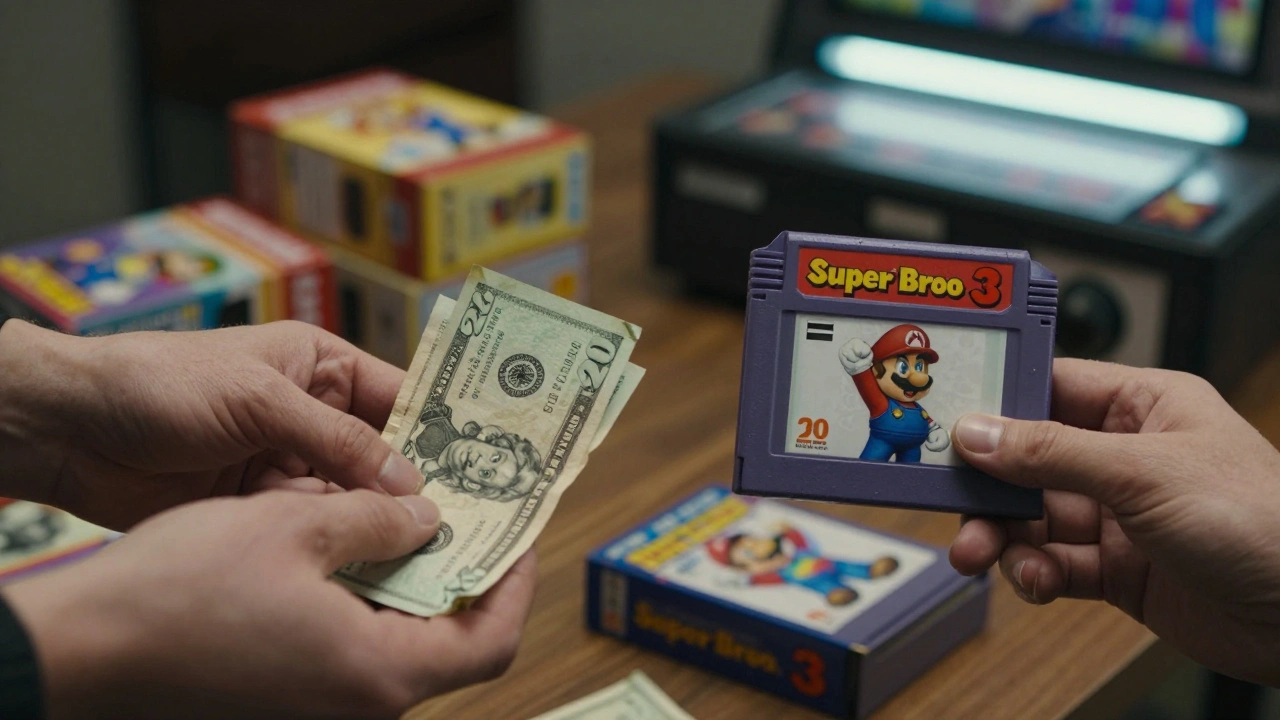
Don’t Lowball Like a Tourist
This is the number one mistake. You pull out your phone, check PriceCharting, see a sealed Metroid Prime sold for $85 last week, and then say, "I’ll give you $40." That’s not negotiation. That’s insult. Sellers at these events aren’t flipping items for profit. Most of them are collectors who spent years hunting these games. They didn’t pay $200 for a copy of GoldenEye 007 just to sell it for $20. If you’re going to haggle, start with $5-$10 off. If they say no? Say "Fair enough," and walk away. If they say "How about $75?" Then you’ve got a deal. Push too hard, and you’ll get blacklisted-not just from that table, but from the whole event. Word travels fast.Don’t Act Like You Own the Table
You see a game. You pick it up. You start flipping through the manual. You’re not buying it. You’re just looking. Then someone else walks up, says "I’ll take it," and hands over cash. You’re mad? Don’t be. That’s how it works. Swap meets aren’t Amazon. You don’t get to hold items "just in case." If you’re not ready to buy, put it back. If you’re thinking about it? Ask the seller: "If I buy this now, can you hold it for five minutes?" Most will say yes. If they say no? That’s your answer.Sellers: Be Professional, Not Pushy
If you’re selling, organize your stuff. No loose cartridges in a shoebox. No price tags scribbled on napkins. Use sticky notes. Use small signs. If you’re selling a console, have the power cord and controller ready. If you’re selling a game, have the box and manual together. Clean the dust off. Polish the case. Sellers who look like they care? They sell more. And if you don’t want to price things? Fine. But be ready to talk. "What’s this worth?" is a question you’ll get a hundred times. Have an answer. Know your prices. Know what others are charging. If you’re the only one selling EarthBound at $120 and everyone else is at $95? You’re not going to move any.Sellers: Don’t Hide Behind Refusals
Buyers ask to see inside the cartridge. They ask to test the system. They ask if the manual is real. Say yes. If you say no, you’re telling them you’re hiding something. And you are. You don’t need to open every item. But if they ask, open it. Bring a screwdriver. Bring a cleaning cloth. Bring a flashlight. Being prepared shows you’re serious. And serious sellers get repeat customers. The person who buys from you today? They’ll come back next month. And they’ll bring their friends.
Don’t Cut Deals Before the Show Starts
This is a community rule, not just a suggestion. If you’re a seller and you’re already selling items to your buddy before the doors open? You’re breaking the code. Everyone paid to be there. Everyone deserves the same shot. If you give away your best item before the show even begins? You’re not helping your friend. You’re hurting everyone else. And you’re making the whole event feel rigged. Don’t do it.It’s Not Just About Money
The best swap meets aren’t about who walked out with the most games. They’re about who walked out with the best stories. The guy who told you how he found that Super Mario Bros. 2 in a thrift store for $3. The girl who spent an hour explaining why Dragon Warrior III on SNES is the most underrated RPG ever. The seller who let you test the controller even though you weren’t buying. That’s the real value. The games? They’re just the excuse. The real thing you’re trading? Respect.Bring a Friend. Bring a Bag. Bring Gloves.
Swap meets are crowded. They’re loud. You’ll be standing for hours. Bring someone with you. Not just for company. For help. Two hands are better than one when you’re carrying three consoles, six games, and a Power Glove. Bring a big backpack or a duffel. Don’t rely on plastic bags-they tear. Bring work gloves. Your hands will get dirty. And bring comfortable shoes. You’ll be walking on concrete for six hours straight. Rain gear? If the event’s in a convention center with a leaky roof? Yes. Always.It’s a Marathon, Not a Sprint
Your first swap meet? You’ll be overwhelmed. You’ll buy three things you don’t need. You’ll miss the one game you’ve been hunting. That’s okay. The people who win at swap meets? They don’t come once a year. They come every month. They learn. They adjust. They build relationships. The seller who remembers your name? The buyer who texts you when they find a game you wanted? That’s the real game. And that’s what makes swap meets more than just a flea market.Is it okay to haggle on every item at a video game swap meet?
Yes-but not all items. Games that are common, like sealed Super Mario Bros. or Donkey Kong Country, are often priced fairly and leave little room for negotiation. But for rare or hard-to-find items-especially if they’re untested or unboxed-it’s expected. The key is to haggle respectfully. Start with a small discount, explain why you think it’s fair, and be ready to walk away if the seller says no.
Should I bring my own tools to a video game swap meet?
Not usually. Most sellers have the tools they need-screwdrivers, cleaning kits, testers. But if you’re looking for a specific repair, like a Game Boy Advance with a broken button, bringing a small toolkit can help. Just don’t try to open someone else’s game without permission. If you’re unsure, ask first. Sellers appreciate buyers who respect their items.
Can I negotiate on digital downloads or game codes?
Rarely. Most digital codes are sold at fixed prices because they’re tied to accounts or have expiration dates. Sellers usually don’t have room to negotiate on these. If someone is offering a code for less than market value, be cautious. It could be stolen, expired, or already redeemed. Stick to physical copies unless you’re absolutely sure of the source.
What should I do if I find a fake or bootleg game?
Don’t confront the seller aggressively. Politely say, "I think this might be a reproduction-can you confirm it’s original?" Most sellers don’t realize they’re selling fakes. If they’re honest and willing to refund you, that’s fine. If they get defensive or refuse? Walk away. Report it to the event organizer if it’s a pattern. But don’t shame anyone publicly. The community thrives on trust, not public shaming.
Are swap meets still worth it in 2026 with online marketplaces?
Absolutely. Online sites are great for finding specific items, but swap meets offer something they can’t: touch, test, and talk. You can hold a game, check the disc, see the box wear, and hear the seller’s story. Plus, you can often get better deals than online because sellers want to move stock fast. And the community? That’s priceless. You’ll meet people who’ve been collecting since the 80s-and they’ll teach you more in an hour than any YouTube video ever could.