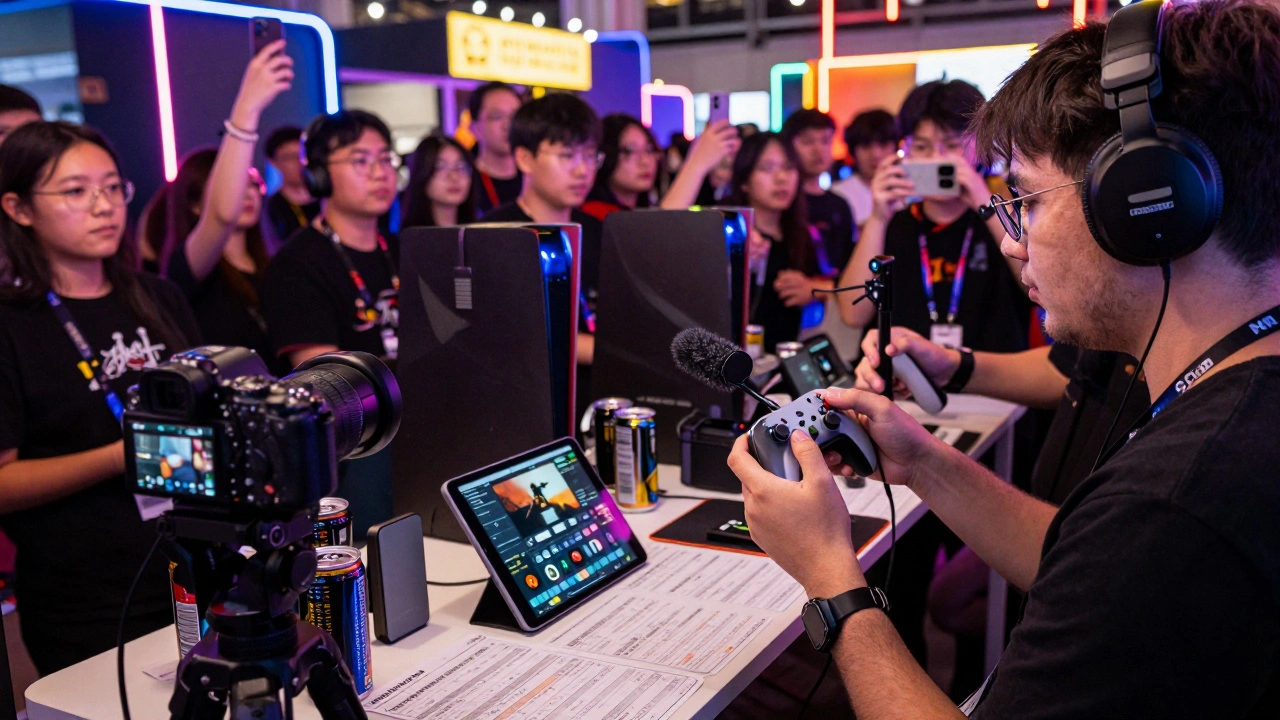
When you watch a big gaming expo on YouTube - like the Nintendo Switch 2 reveal or the Call of Duty: Black Ops 6 event - you’re not just seeing a live stream. You’re seeing the tip of a massive iceberg. Behind every 10-minute highlight reel, every frantic booth run, every unboxing of a prototype console, there’s a whole ecosystem of people, gear, and strategy working to turn chaos into content. This isn’t just about recording games. It’s about building communities, shaping hype, and turning a three-day convention into weeks of viral moments.
How YouTube Became the New Main Stage
Five years ago, if you wanted to see a major game announcement, you tuned into Twitch or a company’s official livestream. Now? YouTube is where it all happens. In Q2 2025, YouTube Gaming hit a record 2.2 billion hours of live-streamed content. That’s not a typo. That’s more than double what it was just two years ago. Why? Because gamers don’t just want to watch the big moments - they want to watch them with people they trust. Nintendo’s Switch 2 reveal drew 3.3 million concurrent viewers. That’s not just a number - it’s a cultural event. People didn’t just watch. They paused, rewound, shared clips, and argued in the comments for hours. And it wasn’t just Nintendo. Call of Duty’s event hit 4.16 million total hours watched. League of Legends’ Grand Final peaked at 1.2 million viewers. These aren’t niche audiences. These are global gatherings happening in real time. But here’s the twist: official broadcasts only tell half the story. The real magic happens when streamers and creators step in.The Rise of the Community Caster
You think the big companies are the only ones driving viewership? Think again. The Esports World Cup Warzone tournament in 2025 racked up 2.7 million hours watched - and a huge chunk of that came from co-streamers like Seth "Scump" Abner and Corentin "Gotaga" Houssein. These aren’t corporate reps. They’re players, fans, and content creators who set up their own live streams alongside the official feed. What makes this work? Trust. Viewers don’t just want to see the game. They want to hear someone explain why that new weapon feels broken, or why that map redesign is a genius move. Scump’s stream didn’t just show gameplay - it showed reactions, memes, and inside jokes only longtime Warzone fans would get. That’s why people stayed. That’s why his stream got shared more than the official one. This isn’t rare. It’s standard. At Gamescom 2025, over 70% of the top 20 most-watched videos weren’t from the event’s official channel. They were from creators who spent three days walking the floor, interviewing devs, and filming their own “what I found” recaps. One creator, @RetroRyder, filmed a 45-minute tour of the indie dev section and got 1.8 million views. Why? Because he didn’t just show games - he showed the people behind them.What’s Actually Covered at These Expos?
Most people think gaming expos are all about next-gen consoles and AAA titles. But YouTube coverage shows something deeper. At the Game and Geek Expo 2025 in Raleigh, you’d see:- A 70-year-old collector demoing a 1983 Atari cabinet he restored himself
- A small publisher from Austin showing a hand-drawn board game that raised $200K on Kickstarter
- A developer from Poland explaining how tariffs on Chinese-made controllers are forcing them to redesign their entire packaging
The Gear Behind the Scenes
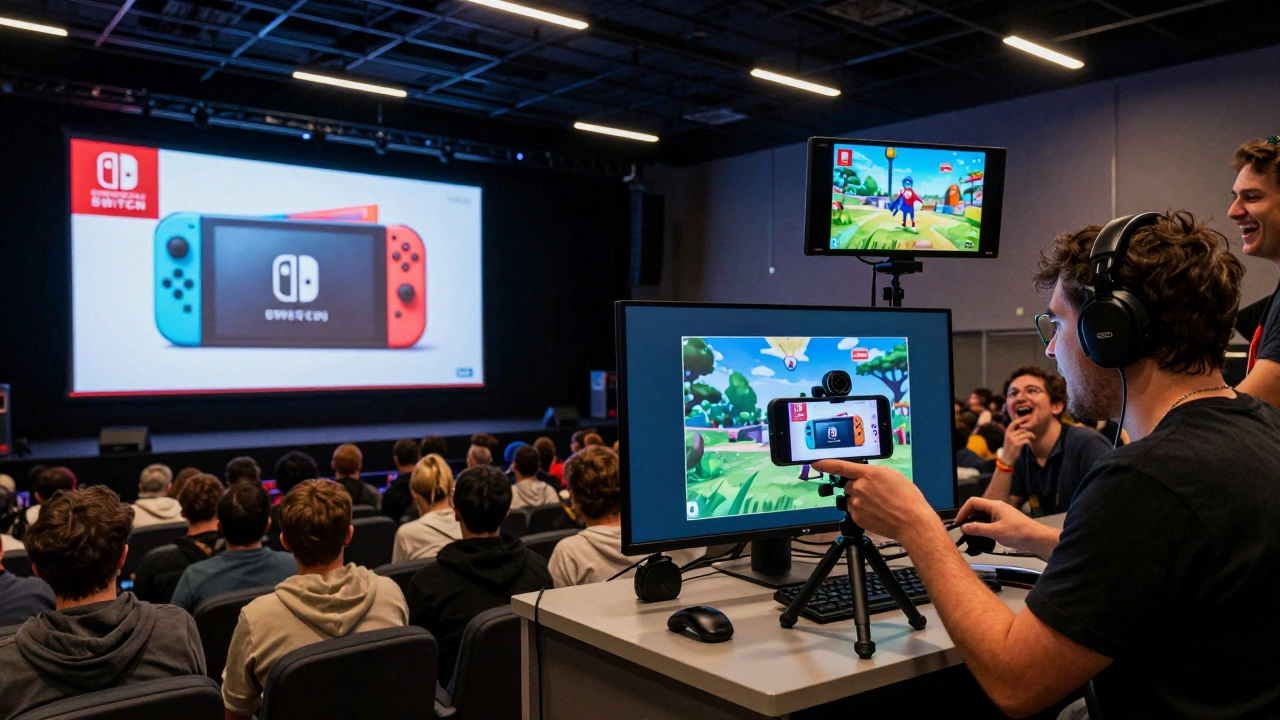
Ever wonder how one person films 12 hours of a convention and still looks polished? It’s not magic. It’s gear. Most top-tier creators use:- Two cameras: one wide-angle for booth shots, one close-up for hands-on demos
- Wireless lavalier mics (like the Rode Wireless GO II) to cut through expo noise
- Portable SSDs to back up footage on the spot - no one wants to lose 10 hours of footage because their laptop died
- Real-time editing apps (like CapCut or DaVinci Resolve on iPad) to cut clips between panels
- When major announcements drop (usually 10 AM and 4 PM local time)
- Which indie devs are doing live Q&As
- Where the best food trucks are (because 12-hour days mean hunger strikes)
The Algorithm That Keeps It Alive
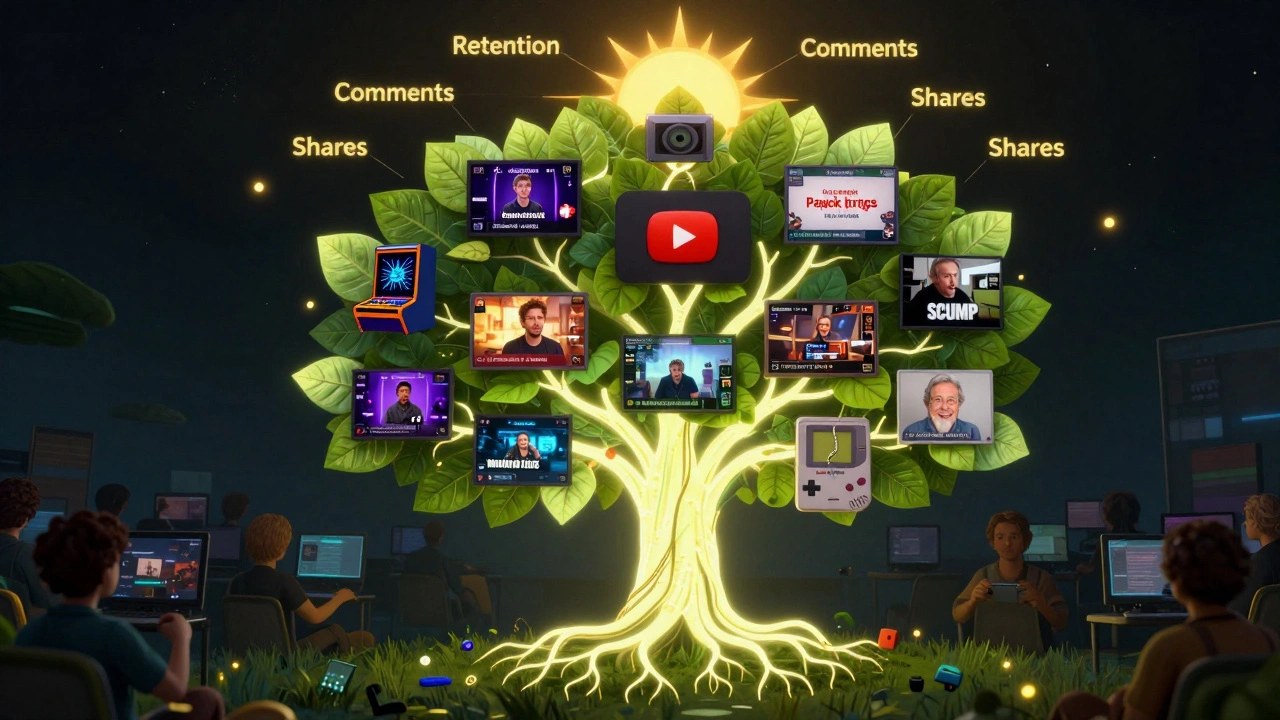
YouTube doesn’t just host content - it promotes it. The algorithm favors:- Long-form videos (over 10 minutes) that keep viewers watching
- Clips with high retention - if 70% of viewers watch past the 5-minute mark, YouTube pushes it harder
- Community engagement: comments, likes, shares, and especially replies from the creator
Why This Matters Beyond the Screen
This isn’t just about entertainment. It’s about influence. When a creator films a 20-minute deep dive on how a game’s localization team changed a character’s dialogue to better reflect cultural identity, that video doesn’t just get views - it changes how games are made. Publishers watch. Developers listen. Indie studios get noticed. At the same time, YouTube has become the first place people learn about game preservation. Videos showing how to restore a 1990s Game Boy cartridge or how to archive ROMs legally are now essential viewing. One video on preserving physical game boxes got over 3 million views - not because it was flashy, but because it tapped into a quiet, growing movement. YouTube isn’t just covering gaming expos. It’s shaping them. Developers now design their booths with YouTube in mind. They know if they don’t have a clear photo op, a quick demo, and a memorable line, they won’t get covered. And that’s changed the whole game.| Event | Peak Concurrent Viewers | Total Hours Watched | Key Creator Contribution |
|---|---|---|---|
| Nintendo Switch 2 Reveal | 3.3 million | Not publicly released | Official broadcast only |
| Call of Duty: Black Ops 6 | 268,927 | 4.16 million | Co-streamers boosted 30% of total views |
| League of Legends Grand Final | 1.2 million | 1.8 million | Top 3 streamers drove 40% of audience |
| Honor of Kings Final | 653,309 | 3 million | 120+ co-streamers across Asia |
| Esports World Cup Warzone | 412,000 | 2.7 million | Scump and Gotaga contributed 35% of views |
What’s Next?
The next wave won’t be about bigger streams. It’ll be about smarter ones. Creators are starting to use AI tools to auto-caption panels, translate interviews in real time, and tag game features for viewers to jump to. One creator used AI to turn 8 hours of footage into a 12-minute “highlights hub” with clickable timestamps - and got 2.1 million views in 48 hours. Meanwhile, publishers are hiring content strategists just to manage YouTube coverage. They’re no longer just handing out press kits. They’re asking: “Who’s going to film this? What’s their audience? Can we send them a preview build?” The line between official and community content is gone. And that’s not a flaw - it’s the future.Why do some gaming expo videos get millions of views while others get barely any?
It’s not about how big the channel is. It’s about how much the video makes people feel something. The most-watched videos answer a question viewers didn’t even know they had - like “Is this game worth my money?” or “What’s the real story behind this announcement?” They’re personal, specific, and often emotional. A video of someone crying because they got to meet their favorite indie dev gets more views than a 30-minute corporate keynote.
Do I need expensive gear to cover a gaming expo on YouTube?
No. Many top creators started with just a smartphone, a $30 lavalier mic, and a portable battery. What matters more is consistency, curiosity, and connection. One creator filmed their entire Gamescom experience with a single iPhone and a $20 tripod. Their video got 1.4 million views because they talked to real people - not just the games.
How do creators get access to exclusive demos or early builds?
It’s not about asking. It’s about proving value. Publishers give early access to creators who’ve shown they can turn gameplay into storytelling. If you’ve built a community around thoughtful reviews or deep dives into game design, you’ll get invited. It’s not a perk - it’s a partnership.
Is YouTube replacing Twitch for expo coverage?
Not replacing - complementing. Twitch is still king for live, real-time play. YouTube wins for discovery, depth, and replay. People watch Twitch during the event, then go to YouTube the next day to watch the 45-minute breakdown. The two platforms work together now.
What’s the biggest mistake new creators make when covering expos?
Trying to cover everything. You can’t film every booth, every panel, every demo. Pick one theme - retro games, indie horror, accessibility features - and go deep. Viewers remember the story, not the checklist.