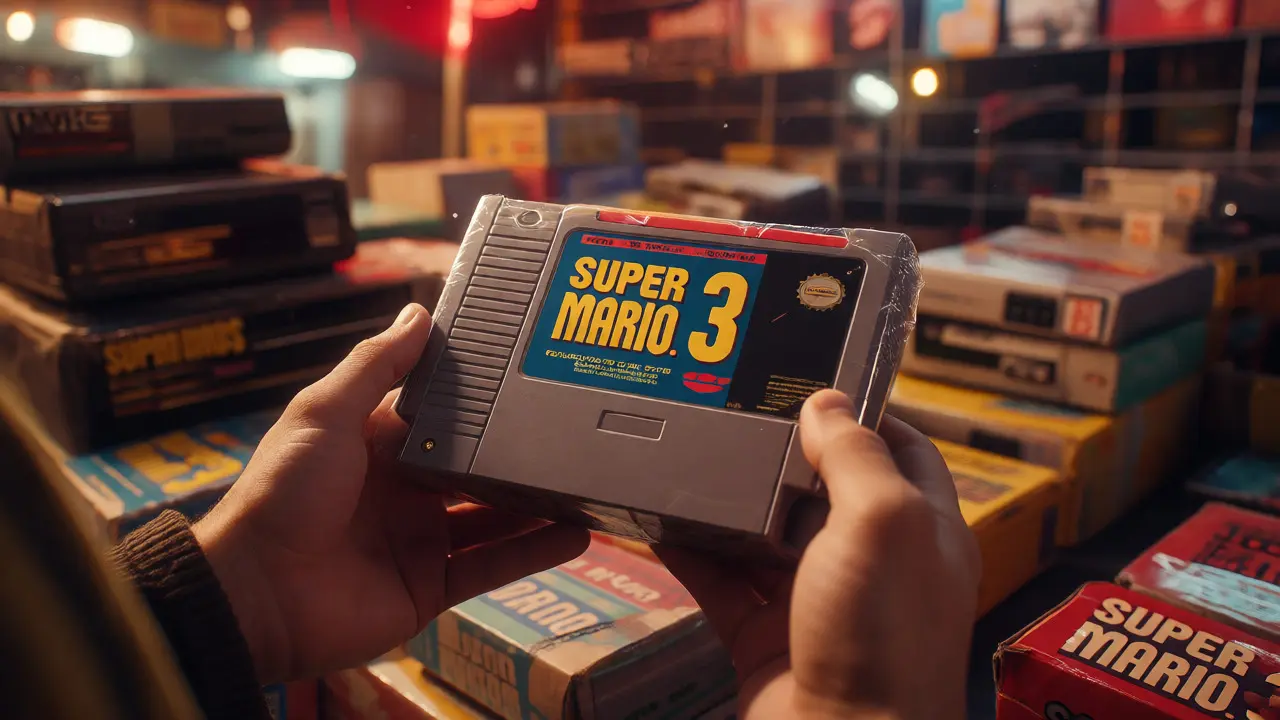
You just spent three hours hunting down a sealed copy of Super Mario Bros. 3 at a local flea market. You’re thrilled. But here’s the problem: nobody else knows about it, and you have no idea if your price was fair. This is exactly where a niche newsletter for video game collectors changes the game. It’s not just about sending emails; it’s about building a digital clubhouse for people who care about box condition, region codes, and the difference between a first print and a reprint.
If you’re a content creator trying to build an audience in this space, you might be wondering why newsletters matter when everyone is on TikTok or Discord. The answer is control and depth. Social media algorithms bury deep dives. A newsletter lets you send long-form analysis, market reports, and curated finds directly to fans’ inboxes. For collectors, who are often obsessive researchers, this direct line is gold. Here is how you build one from scratch, without burning out or boring your readers.
Define Your Collector Persona
"Video game collectors" is too broad. You need to pick a lane. Are you targeting people who buy loose cartridges for $5? Or are they high-end investors spending $500 on graded copies of Pokémon Red? The difference dictates your entire strategy.
- The Nostalgia Hunter: Wants stories about childhood memories, hidden gems, and affordable finds. They love "Top 10 Underrated SNES Games" lists.
- The Market Investor: Cares about auction results, grading standards (WATA vs. VGA), and ROI. They want data tables and price trends.
- The Hardware Geek: Obsessed with consoles, peripherals, and technical specs. They read teardown articles and repair guides.
Don’t try to please all three at once initially. Pick one primary persona. If you mix them, your open rates will tank because the investor doesn’t care about your nostalgic trip down memory lane, and the nostalgia hunter gets bored by spreadsheet screenshots. Once you have 1,000 subscribers, you can segment your list later. For now, speak to one person.
Choose the Right Platform
You don’t need custom code. In fact, using custom code is a trap that stops most creators before they start. Stick to established platforms that handle deliverability, analytics, and design templates. The two heavyweights for independent creators are Substack and Beehiiv.
| Feature | Substack | Beehiiv |
|---|---|---|
| Cost | Free (takes 10% fee) | Free up to 2,500 subs |
| Customization | Limited templates | High flexibility, drag-and-drop editor |
| Growth Tools | Built-in network effects | Ad network and referral program |
| Best For | Writers who want simplicity | Creators focused on monetization and growth |
I recommend Beehiiv if you plan to run ads or affiliate links early on, as their ad network is robust. Substack is better if you want to lean into their discovery algorithm, which can help new writers get found organically. Whichever you choose, ensure you own your email list. Export your subscriber CSV monthly. Platforms change terms; your list is your only true asset.

Content That Keeps Collectors Reading
Collectors are skeptical. They’ve been burned by fake listings and bad advice. To keep them engaged, your content needs to offer tangible value, not just fluff. Structure your issues around three pillars: Education, Curation, and Community.
Education means teaching them something they didn’t know. Write a guide on "How to Spot Repackaged PS2 Discs." Explain the difference between NTSC-J and PAL regions. These pieces become evergreen resources that people forward to friends.
Curation saves them time. Instead of writing generic news, curate specific opportunities. Did eBay just drop a lot of rare Sega Saturn games? List the top five steals under $20. Did a major auction house sell a graded EarthBound for a record price? Analyze why. This positions you as a trusted filter in a noisy market.
Community builds loyalty. Feature reader collections. Ask subscribers to submit photos of their latest finds. Run polls: "Is WATA grading worth the hype?" When readers see their comments featured, they feel part of the club. This engagement boosts your deliverability because email providers see active interaction.
Monetizing Without Annoying Fans
Everyone wants to make money, but collectors hate spam. If you flood their inbox with irrelevant affiliate links, they’ll unsubscribe. Keep it subtle and relevant.
- Affiliate Marketing: Partner with retailers like Amazon, eBay, or specialized stores like Limited Run Games. Only link to products you actually discuss. If you write about repairing NES controllers, link to the specific screwdriver kit you use.
- Sponsored Posts: Wait until you have at least 5,000 engaged subscribers. Approach brands that align with your niche, like game restoration services or storage solution companies. Charge a flat rate per issue rather than performance-based fees to avoid pressure to oversell.
- Premium Tiers: Offer a paid tier for deeper insights. Free users get the weekly roundup; paid users get monthly market reports, access to a private Discord channel, or early access to curated drops.
Remember, trust is your currency. One shady recommendation can undo months of good work. Always disclose affiliate relationships clearly. Transparency wins with this demographic.

Growing Your Subscriber Base
Organic growth is slow but sustainable. Start by leveraging existing communities. Join Facebook groups, Reddit threads (like r/gamecollecting), and Discord servers dedicated to retro gaming. Don’t just paste your link. Engage genuinely. Answer questions. Share helpful tips. When appropriate, mention your newsletter as a resource for more detailed guides.
Cross-promotion works wonders. Find other newsletters in adjacent niches-maybe board game collectors or comic book enthusiasts-and propose swapping shoutouts. Their audience likely overlaps with yours. Also, consider creating lead magnets. Offer a free PDF checklist titled "The Ultimate Grading Criteria Cheat Sheet" in exchange for an email sign-up. People love checklists.
SEO helps too. Write blog posts on your website that target keywords like "rare Nintendo games value" or "how to clean old game cartridges." Embed a simple signup form at the end of each article. This captures traffic from search engines looking for quick answers.
Consistency Is Key
The biggest killer of newsletters isn’t bad content; it’s inconsistency. If you send three issues one week and none for a month, readers forget you exist. Set a realistic schedule. Bi-weekly is often better than weekly if you struggle to find material. Quality over quantity always. A single well-researched piece on "The Rise of Indie Physical Releases" beats three rushed news roundups.
Track your metrics. Watch your open rate (aim for 40-50% in niche markets) and click-through rate. If opens drop, test different subject lines. If clicks drop, improve your calls to action. Iterate based on data, not guesses.
How many subscribers do I need before I can charge?
There is no magic number, but most creators wait until they have 1,000-2,000 highly engaged subscribers. At this stage, you have enough data to prove value to potential sponsors and enough trust to ask readers for support. Focus on retention first; revenue follows engagement.
Should I focus on physical or digital games?
Physical games drive the collecting community because they have scarcity, condition grades, and resale value. Digital games rarely hold value or create a "collector" identity unless tied to limited physical editions. Focus on physical media, especially retro and modern indie releases, for the strongest audience interest.
What tools do I need to start?
You need a reliable email platform (like Beehiiv or Substack), a basic graphic tool (Canva) for headers, and a source for images (Wikimedia Commons or licensed stock). No coding skills are required. Keep your tech stack simple so you can focus on writing and research.
How do I handle negative feedback?
Collectors are passionate and sometimes pedantic. If someone corrects you on a minor detail, thank them publicly in the next issue. It shows humility and expertise. If they are rude, ignore them. Never argue in the comments section; it distracts from the community vibe.
Can I use AI to write my newsletter?
Use AI for brainstorming titles, summarizing long articles, or checking grammar. Do not let AI write the core content. Collectors value human insight, personal anecdotes, and nuanced opinions on rarity and condition. Authenticity is your competitive advantage against automated blogs.