Quick Tips for a Balanced Hobby
- Treat your backlog like a public library, not a to-do list.
- Set a "six-month rule" for new acquisitions to ensure they get played.
- Use physical shelf space as a natural limit to stop impulse buying.
- Focus on quality and personal taste over quantity and community hype.
- Rotate a small subset of games each season to prevent feeling overwhelmed.
Stop Treating Your Backlog Like a Deadline
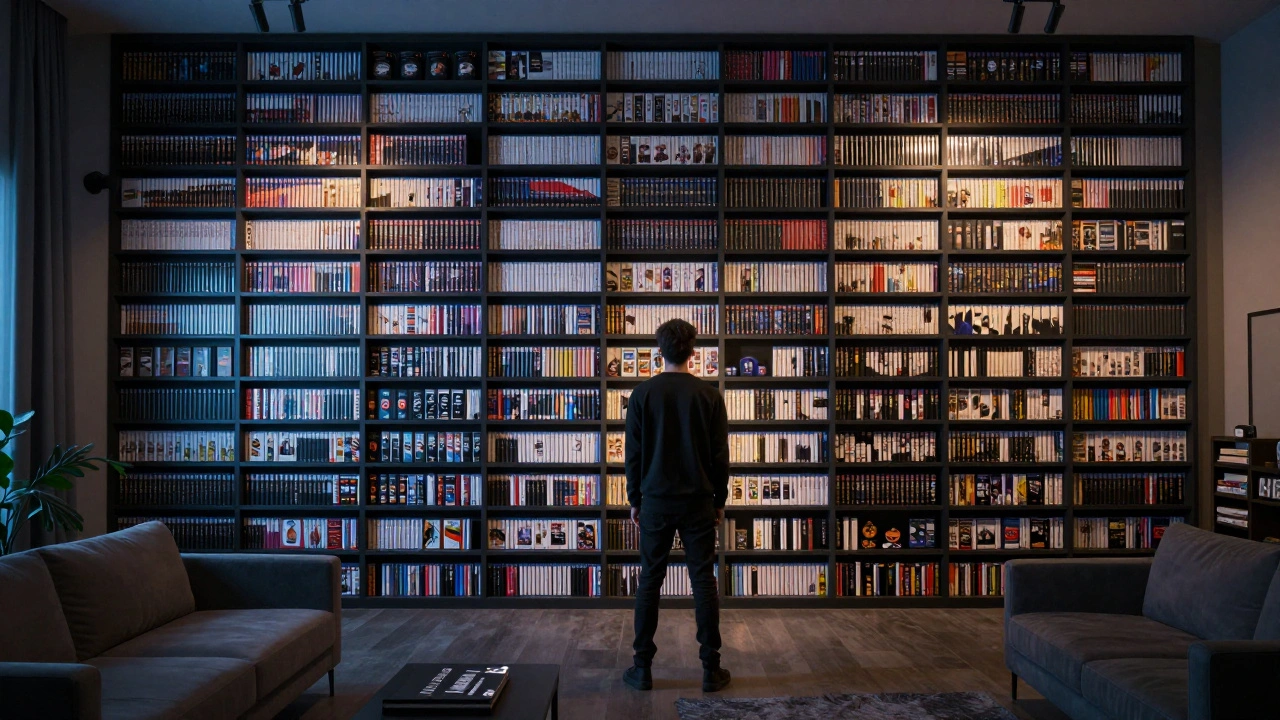
One of the biggest mistakes we make is viewing a gaming backlog as a mountain of work. When you see a wall of unplayed games, it can feel like a failure. But why? You bought those games for joy, not to check a box. Shift your mindset and treat your collection like a library. In a library, you don't feel guilty that you haven't read every single book on the shelf. The books are there to provide options. When you're in the mood for a challenge, you go to the "difficult" section. When you want to relax, you go to the "cozy" section. Your Gaming Backlog-the list of unplayed games you own-should be a menu of possibilities, not a source of pressure. Ask yourself: Do I actually want to play this, or do I just feel like I *should* because it's a classic? If the answer is the latter, let it sit. The goal is to play games you actually enjoy, not to complete a checklist for the internet.Setting Boundaries to Stop the Bloat
It's easy to let FOMO (Fear Of Missing Out) drive your spending. You see a "must-have" deal on a retro title and jump on it, even if you're already mid-way through three other RPGs. To fix this, you need hard boundaries. One effective strategy is the "Six-Month Rule." The rule is simple: if you buy a game, you must play it within six months. If six months pass and you haven't touched it, you have two choices: commit to playing it immediately or sell it. This forces you to be honest about whether a game actually adds value to your life or if it's just filling a hole on the shelf. Another natural boundary is physical space. Digital libraries are infinite, but your living room isn't. By deciding exactly how many shelves you're willing to dedicate to games, you create a biological limit. When the shelf is full, you can't add something new without removing something old. This turns the act of collecting into an act of curation.| Feature | The Accumulator Approach | The Curator Approach |
|---|---|---|
| Goal | Owning as many titles as possible | Owning games that spark genuine joy |
| Buying Trigger | Good deals or community hype | Personal interest and playability |
| View of Backlog | A source of guilt and stress | A library of future options |
| Storage | Adding more shelves as needed | Maintaining a strict space limit |
The Art of the Strategic Purge
Decluttering isn't just about cleaning your room; it's about mental clarity. When you have too many options, you suffer from "choice paralysis" and end up scrolling through a menu for an hour without picking anything. If you're feeling overwhelmed, try the "Waiting Box" method. Pick out the games you think you don't want and put them in a box in the garage or a closet. Leave them there for a month. If you don't think about a specific game once during that time, you won't miss it when it's gone. Selling these games isn't a loss; it's a reinvestment. Whether you use online marketplaces or trade them into local shops for store credit, you're essentially trading "dead weight" for something you're actually excited to play. One collector found they could generate hundreds of dollars just by trimming the fat from their collection, allowing them to buy a few high-quality titles they truly loved instead of twenty mediocre ones.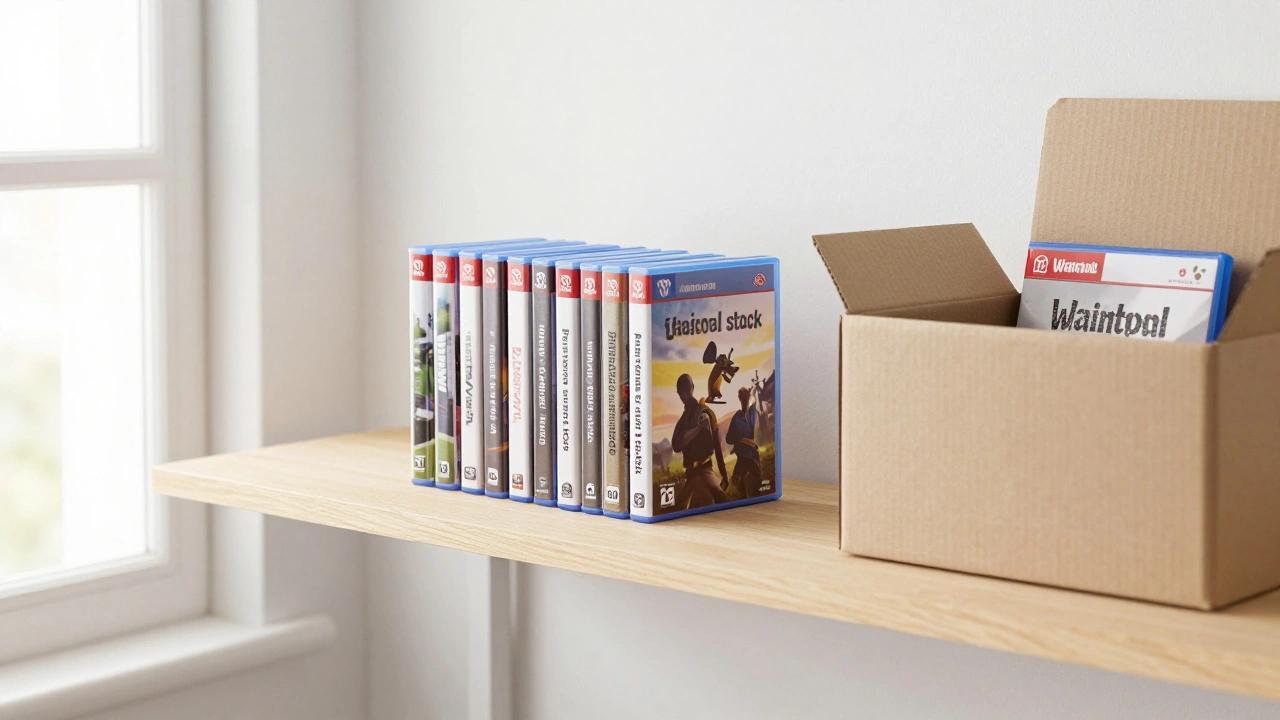
Beating Collection Burnout
Burnout happens when the act of collecting outweighs the act of playing. You spend all your time hunting for the right edition, tracking prices, and organizing shelves, but you forget why you started in the first place. To snap out of this, try a "No-Pressure Session." Grab a game from the shelf that's been sitting there for years. Put on some music, get a snack, and play for an hour. If the game doesn't click, put it back and try another. No guides, no completionist goals, and no guilt. It also helps to give your collection a theme. Instead of trying to own "everything," focus on a specific niche. Maybe you only collect Steelbooks, or perhaps you're focusing on games from a specific developer like FromSoftware or Nintendo. Giving your hobby a specific direction makes it feel like a project rather than a hoarding habit. It brings purpose back to the acquisition process.Practical Management and Financial Sanity
Sustainable collecting requires a bit of logistics. If you're spending hours searching for a game only to realize you already own it, you need a tracking system. Using a dedicated gaming collection app prevents duplicates and helps you visualize what you've actually beaten versus what's still waiting. More importantly, keep your finances in check. The retro market can be brutal, and it's easy to overspend on a "deal" that isn't actually a deal. A golden rule: never spend money you can't afford to lose. Collecting is a marathon, not a sprint. The games will still be there in a year. Patience often leads to better prices and more thoughtful purchases. To keep things fresh, rotate your focus. Pick a "Seasonal Stack"-maybe five games you want to tackle over the winter-and put the rest of the collection out of sight. This narrows your focus and makes it much more likely that you'll actually finish a game before moving to the next one.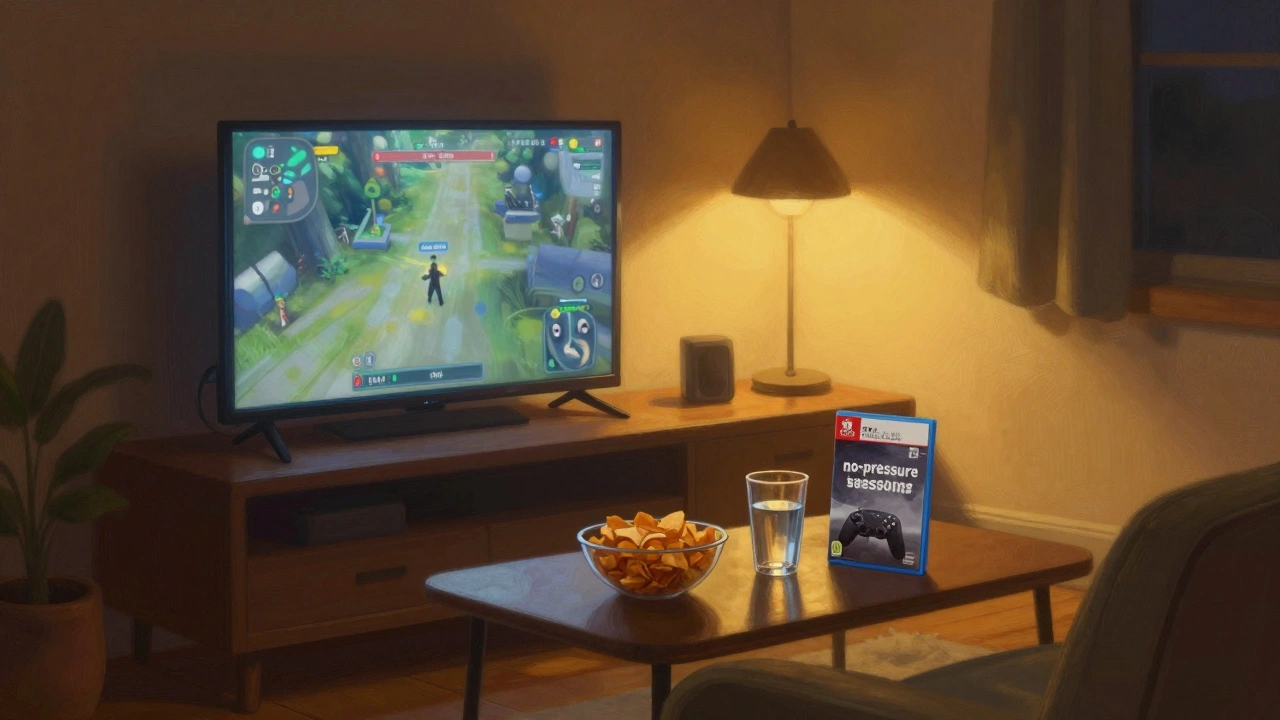
From Quantity to Quality
Ultimately, the goal is to move from a quantity-focused mindset to a quality-focused one. There is a massive difference between a functional collection and a decorative one. A decorative collection looks great on Instagram, but a functional collection is one that is actively being used. Remember that many 10/10 rated games are available for very cheap. You don't need a $200 rare variant of a game to enjoy the experience. Focus on the gameplay and the memories, not the box art or the rarity. When you prioritize play over possession, the guilt disappears and the joy of gaming returns.How do I decide which games to sell first?
Start with the games that you keep "saving for later" but never actually pick up. If you find yourself consistently skipping over a title for months, it's a sign that you're holding onto it out of obligation rather than genuine interest. Use the "Waiting Box" method: set them aside for a few weeks, and if you don't miss them, let them go.
Is it better to collect digitally or physically?
It depends on your goals. Physical collections provide a tangible sense of ownership and can be resold, but they take up space and are prone to physical decay. Digital collections are convenient and space-saving but can lead to "infinite bloat" because there's no physical limit to stop you from buying more. A balance of both usually works best.
What should I do if I feel guilty about my unplayed games?
Reframe your thinking. Your collection is a library, not a to-do list. You don't owe the games anything. If you aren't in the mood for a specific title, forcing yourself to play it will only make you hate the hobby. Only play what you actually want to play right now.
How can I stop impulse buying during sales?
Implement a "Cool Down" period. When you see a game you want, wait 48 hours before hitting buy. Often, the impulse fades once the initial excitement wears off. Additionally, check your tracking app to see if you already have something similar that you haven't played yet.
How do I start a themed collection without overspending?
Pick a narrow niche-such as a specific genre, a single developer, or a certain console generation. Create a list of exactly what you want before you start buying. This prevents you from drifting into other areas and spending money on things that don't fit your core theme.
Next Steps for Your Collection
Depending on where you are in your hobby, your next move might differ:
- If you're feeling overwhelmed: Spend this weekend doing a "Waiting Box" purge. Clear the mental clutter first.
- If you're bored with your games: Pick one retro title you've ignored for years and play it for just one hour with no expectations.
- If you're tempted to buy more: Audit your current shelf space. If there's no room, you must sell something before you buy something.