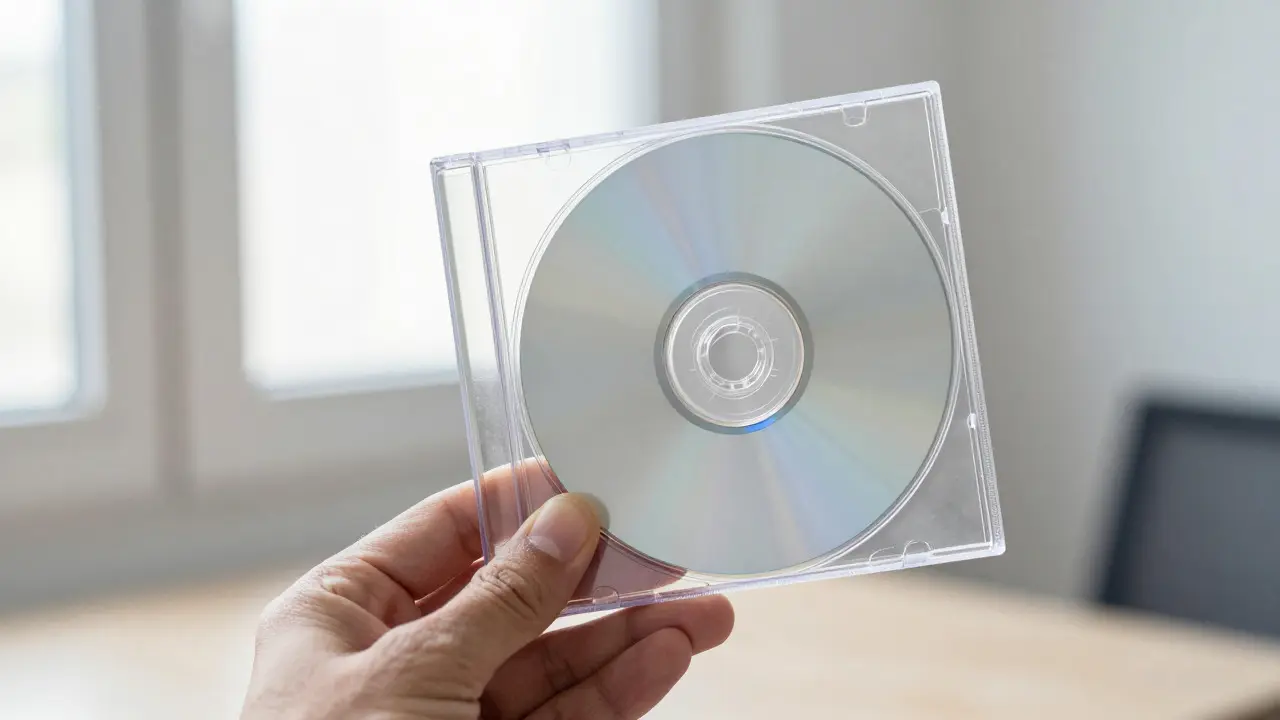
There is a specific kind of satisfaction that comes from holding a pristine copy of Grand Theft Auto IV, released in 2008 on DVD. It’s not just the game; it’s the physical artifact of a moment in time. But unlike trading cards or vinyl records, PC games have no universal grading scale. One person’s "mint" is another person's "playable." If you are building a collection of PC big box titles, understanding how to judge condition and how to store these items properly is the difference between an investment and a pile of dust.
Defining Condition: The Unofficial Scale
When buying or selling PC games, sellers often use terms like "Mint," "Near Mint," or "Complete." However, these terms are subjective without clear definitions. To navigate the market effectively, you need to adopt a consistent internal standard. Here is a practical breakdown used by serious collectors:
- Mint (M): The case has zero visible scratches under normal lighting. The disc shows no scuffs when held up to a light source. All inserts (manuals, stickers, bonus content) are present and uncreased. This is rare for post-2010 releases due to the shift to digital distribution.
- Near Mint (NM): Minor hairline scratches on the case that are only visible under direct sunlight. The disc may have faint marks but plays perfectly. Manuals might show slight edge wear. This is the most common high-value category.
- Excellent (EX): Visible scratches on the case lid or spine. The disc has noticeable scuffs but still reads correctly. Some inserts may be missing or slightly torn. Good for gameplay, less ideal for display.
- Good (G): Heavy wear on the case. The disc works but may require multiple attempts to load. Often sold as "complete" if all major components are present, even if damaged.
A critical distinction in PC gaming is the concept of "Completeness." Unlike console games where the cartridge is the primary value driver, PC games often include substantial bonus material. A copy of The Witcher 3: Wild Hunt without its map, soundtrack CD, or art book is worth significantly less than one with all extras intact. Always verify what constitutes a "complete" set for specific titles before purchasing.
Why Media Matters More Than Cases
In the world of PC collecting, the optical media (CD or DVD) is the functional heart of the product, while the case is merely the packaging. However, buyers often focus on the case because it is more visible. As a collector, you must prioritize the disc's integrity. A scratched case can be replaced or repaired, but a badly scratched disc might fail to read on certain drives, rendering the game unplayable without re-downloading assets. To check disc condition, hold the disc against a bright light at a 45-degree angle. Look for:
- Radial Scratches: Lines running from the center to the edge. These are the most damaging as they interfere with the laser reading the data layer.
- Circular Scratches: Lines running around the circumference. These are generally less harmful but indicate mishandling.
- Fingerprints and Smudges: Easy to clean, but their presence indicates poor handling history.
If a disc has deep radial scratches, test it on a computer before assuming it is playable. Not all optical drives handle imperfect media equally well. Older drives tend to be more forgiving, while newer ones may struggle with significant damage.
Storage Solutions: Protecting Your Investment
Storing PC games is different from storing books or vinyl. You have two main components to protect: the plastic case and the optical disc. Improper storage leads to warping, scratching, and UV degradation.
Case Storage
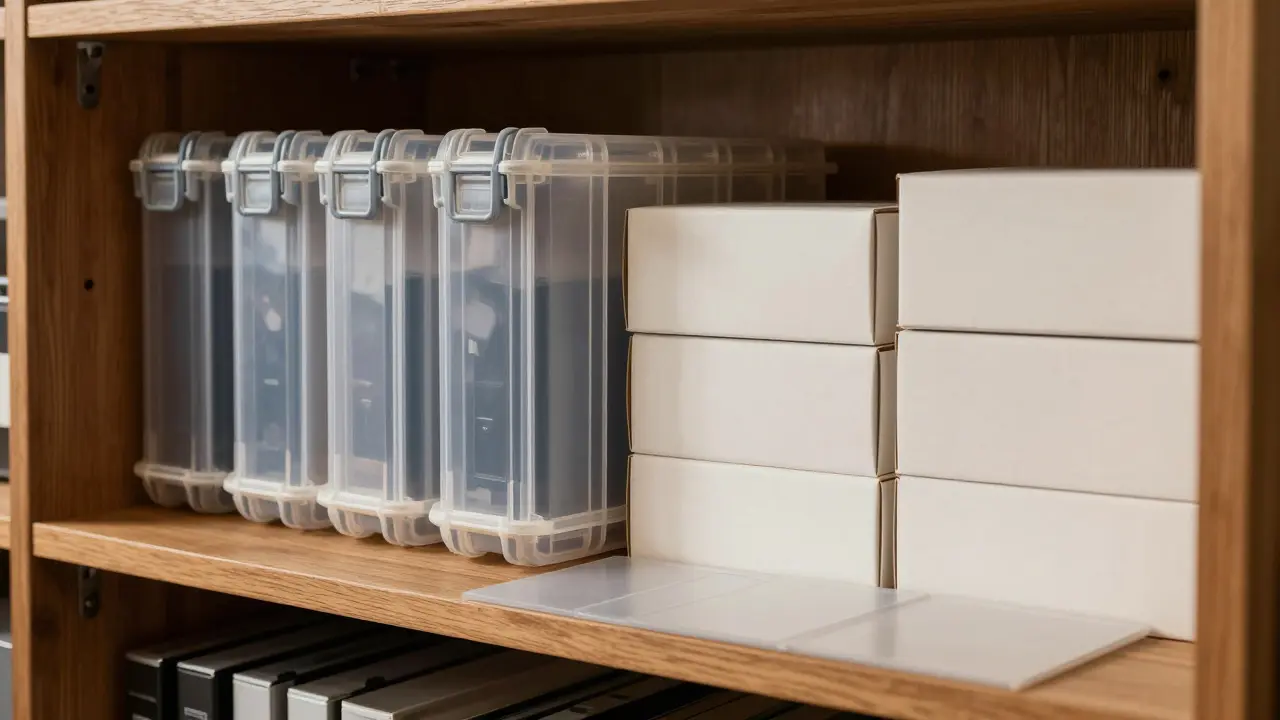
Standard jewel cases are prone to cracking at the hinge if opened too many times. For long-term storage, consider these options:
- Hard Plastic Cases: Rigid, transparent cases that snap over the original jewel case. They protect against dust and minor impacts but do not prevent UV exposure.
- Archival Boxes: Acid-free boxes designed to hold multiple cases. These are excellent for bulk storage and keep cases upright, preventing them from leaning and cracking.
- Shelving Units: Use shelves with dividers to keep cases separated. Avoid stacking heavy items on top of game cases, as the weight can warp the plastic over time.
Disc Storage
This is where most collectors make mistakes. Discs should never be stored loose in drawers or bags. Friction causes micro-scratches that accumulate over time.
- DVD Sleeves: Paper or polypropylene sleeves are essential. Polypropylene is preferred because it does not generate static electricity, which attracts dust.
- Disc Binders: High-quality binders with soft-touch pages are ideal for small collections. Ensure the pockets are large enough to accommodate the disc without bending it.
- Original Cases: For short-term access, keeping discs in their original cases is fine. However, for long-term archival storage, remove them and place them in dedicated sleeves inside acid-free boxes.
Environmental Factors: The Silent Killers
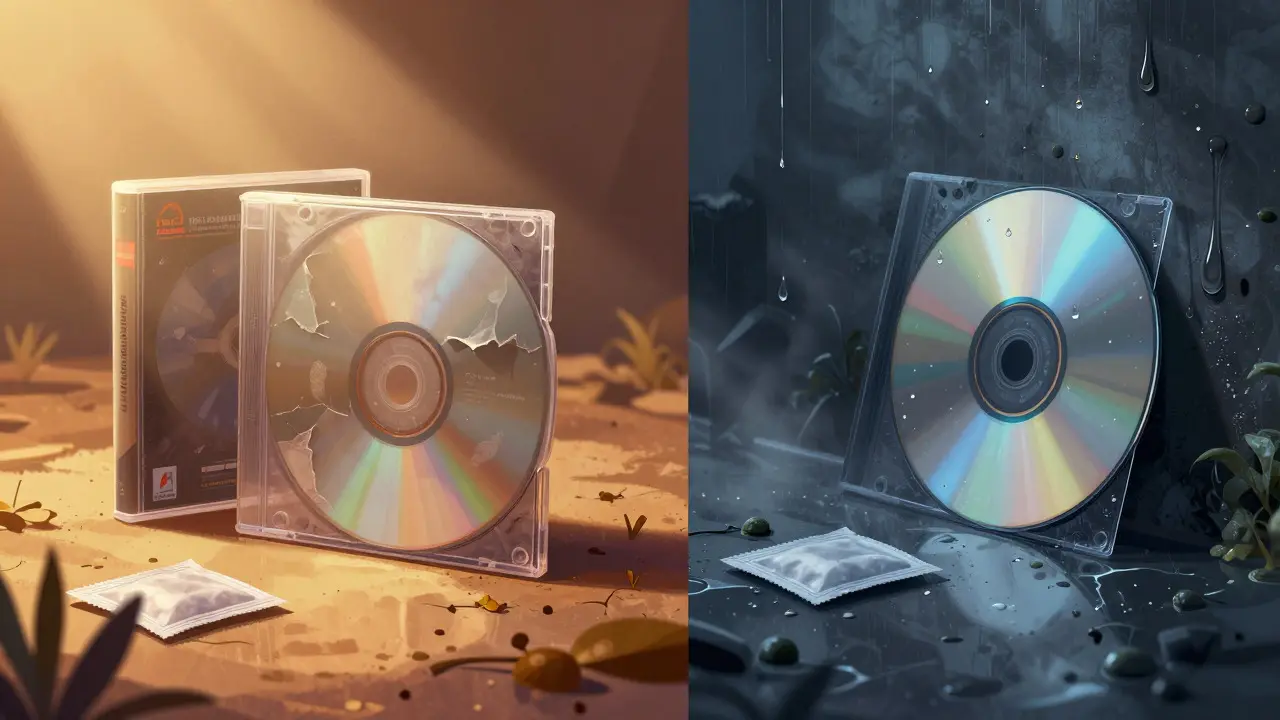
Even with perfect storage containers, your environment can destroy your collection. Temperature and humidity are the biggest threats. Temperature fluctuations cause plastic to expand and contract, leading to cracks in cases and warping of discs. Aim for a stable room temperature between 65°F and 70°F (18°C - 21°C). Avoid storing games in attics, basements, or garages where temperatures swing wildly. Humidity is equally dangerous. High humidity promotes mold growth on paper inserts and can cause corrosion on the metal contacts of any included hardware. Low humidity can make plastics brittle. Ideally, maintain relative humidity between 40% and 50%. If you live in a humid climate like Portland, Oregon, consider using silica gel packets in your storage containers to absorb excess moisture.
Handling Best Practices
How you handle your games matters as much as how you store them. Follow these simple rules to preserve condition:
- Wash Your Hands: Oils from your skin transfer to discs and cases. Wash hands thoroughly before handling media.
- Hold Discs by the Edges: Never touch the shiny surface. If you must hold the center hub, do so briefly.
- Use Microfiber Cloths: Clean discs with a lint-free microfiber cloth. Wipe from the center outward in a straight line, not in circles. Circular wiping creates radial-like stress patterns that can worsen existing scratches.
- Avoid Direct Sunlight: UV rays degrade plastic and fade artwork. Store your collection away from windows or use UV-filtering glass if displaying items.
Common Mistakes to Avoid
Many new collectors lose value through avoidable errors. Here are the top pitfalls:
- Using Spray Cleaners: Never spray cleaner directly onto a disc. Use a damp cloth instead. Chemicals can seep into the disc layers and cause permanent damage.
- Stacking Cases Horizontally: Stacking cases puts pressure on the bottom case, causing it to warp. Always store cases vertically or in single layers.
- Ignoring Insert Condition: Many buyers overlook manuals and maps. A complete set with pristine inserts commands a higher price than one with missing or damaged paperwork.
- Over-Packaging: While protection is good, excessive plastic wrapping can trap moisture. Allow air circulation around your storage units.
Valuing Your Collection
Condition directly impacts resale value. A "Mint" copy of a popular title can sell for 20-30% more than a "Near Mint" copy. However, rarity also plays a role. Limited edition releases, such as steelbooks or special packaging variants, hold value better regardless of minor wear, provided the disc is functional. To determine fair market value, check recent sales on platforms like eBay or specialized forums. Look for completed sales, not asking prices. Pay attention to the condition descriptions and compare them to your own standards. Building a personal archive of past sales helps you calibrate your expectations over time.
| Method | Protection Level | Cost | Best For |
|---|---|---|---|
| Jewel Case Only | Low | $0 | Short-term play, low-value titles |
| Hard Plastic Sleeve | Medium | Low | Display purposes, moderate protection |
| Acid-Free Box + Sleeves | High | Medium | Long-term archival, high-value collections |
| Climate-Controlled Vault | Maximum | High | Rare/limited editions, professional investors |
Frequently Asked Questions
Are PC games worth collecting?
Yes, especially limited editions and early 2000s titles. While digital distribution has reduced the volume of physical releases, scarcity drives value. Titles like Half-Life 2, Portal, and BioShock remain highly sought after by collectors who value the era of premium physical packaging.
How do I clean a scratched DVD?
For minor scratches, wash the disc with warm water and a drop of dish soap, then dry with a microfiber cloth. For deeper scratches, use a commercial disc repair kit that uses a mild abrasive compound. Always wipe from the center outward. Avoid household cleaners like Windex, which contain ammonia that can damage the disc coating.
What is the best way to store game manuals?
Store manuals in acid-free folders or envelopes. Avoid leaving them loose in the case, as they can crease or tear. If the manual is part of a valuable set, consider scanning it digitally as a backup, but keep the physical copy for authenticity.
Does region matter for PC games?
Generally, no. Most PC games are region-free, meaning a US version will work in Europe and vice versa. However, some older titles or specific publishers may have regional locks. Check the back of the case or online databases for region information before purchasing international copies.
Should I keep my PC games in their original boxes?
For high-value items, yes. The outer cardboard box (if included) adds significant value. For average titles, the jewel case is sufficient. If the outer box is damaged, consider replacing it with a generic archival box rather than trying to repair the original, as repairs can look unprofessional.