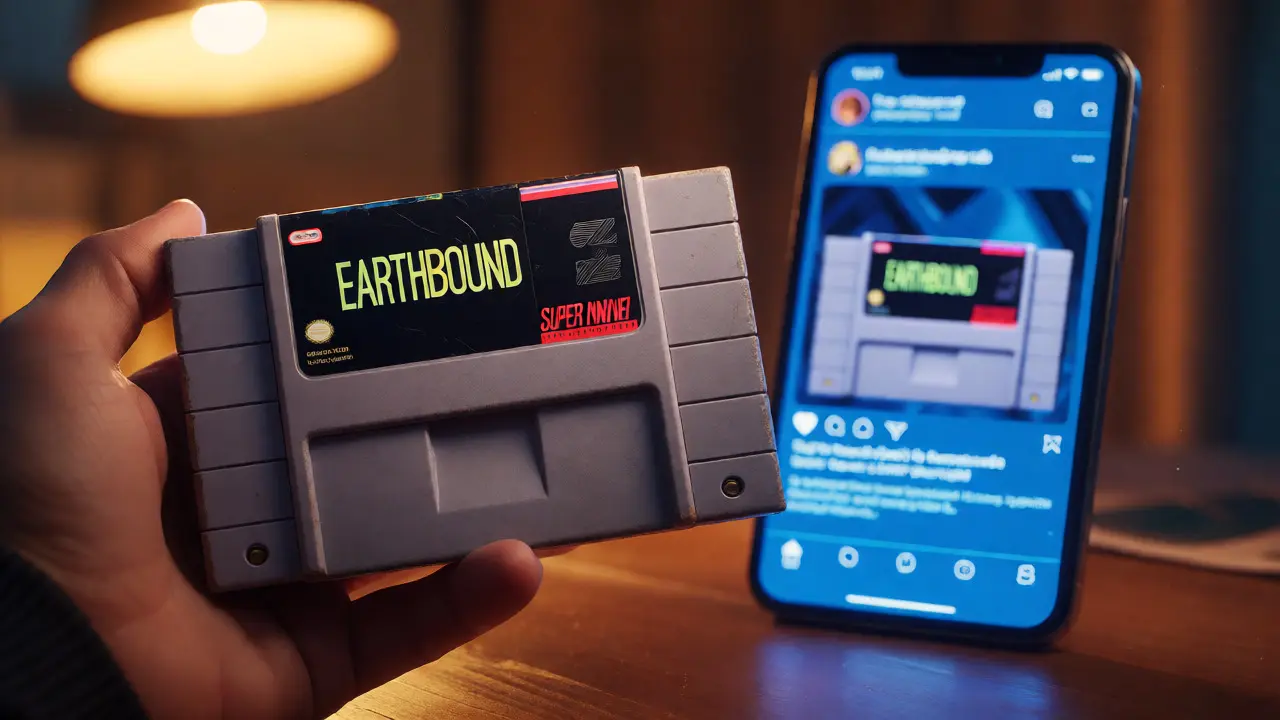
You just spent three hours scrolling through TikTok or Instagram Reels. You saw a creator hold up a loose cartridge of EarthBound, claiming it’s worth $500 even with a cracked shell. Your heart skips a beat. You have one in your closet that you’ve been ignoring for years. Before you rush to eBay to list it for a fortune, pause. Social media algorithms reward engagement, not accuracy. A flashy thumbnail and a confident voice can make bad advice look like gospel truth. If you want to protect your wallet and your collection, you need a system to separate the hype from the history.
Video game collecting is a niche hobby where misinformation spreads faster than a speedrunner hitting a new record. One viral video can inflate prices by 30% overnight, only for the bubble to burst when the next trend arrives. The problem isn’t that creators are lying-most are genuinely excited-it’s that they often lack context. They might confuse a rare variant with a common re-release, or they might be selling their own inventory and need buyers to believe the price is skyrocketing. Here is how you can audit their claims before you spend a dime.
The "Trust but Verify" Framework
When a piece of advice hits your feed, run it through this quick mental checklist. Does the claim rely on emotion or evidence? Emotional appeals like "You won't believe what this costs!" are red flags. Evidence looks like specific dates, print runs, or verifiable auction results. If a creator says a game is valuable because "everyone wants it," ask who everyone is. Is there data behind that desire?
- Source Check: Did they show the actual item, or stock footage?
- Date Stamp: Is the pricing info current, or from two years ago?
- Incentive Disclosure: Are they an affiliate for the store selling the item?
This framework stops impulsive buys. It forces you to slow down. Remember, in the world of retro gaming, rarity is defined by supply, not demand alone. A game can be popular but still common if millions were printed. Conversely, a boring-looking utility title might be scarce simply because few people bought it back in 1994.
Cross-Referencing with Historical Data
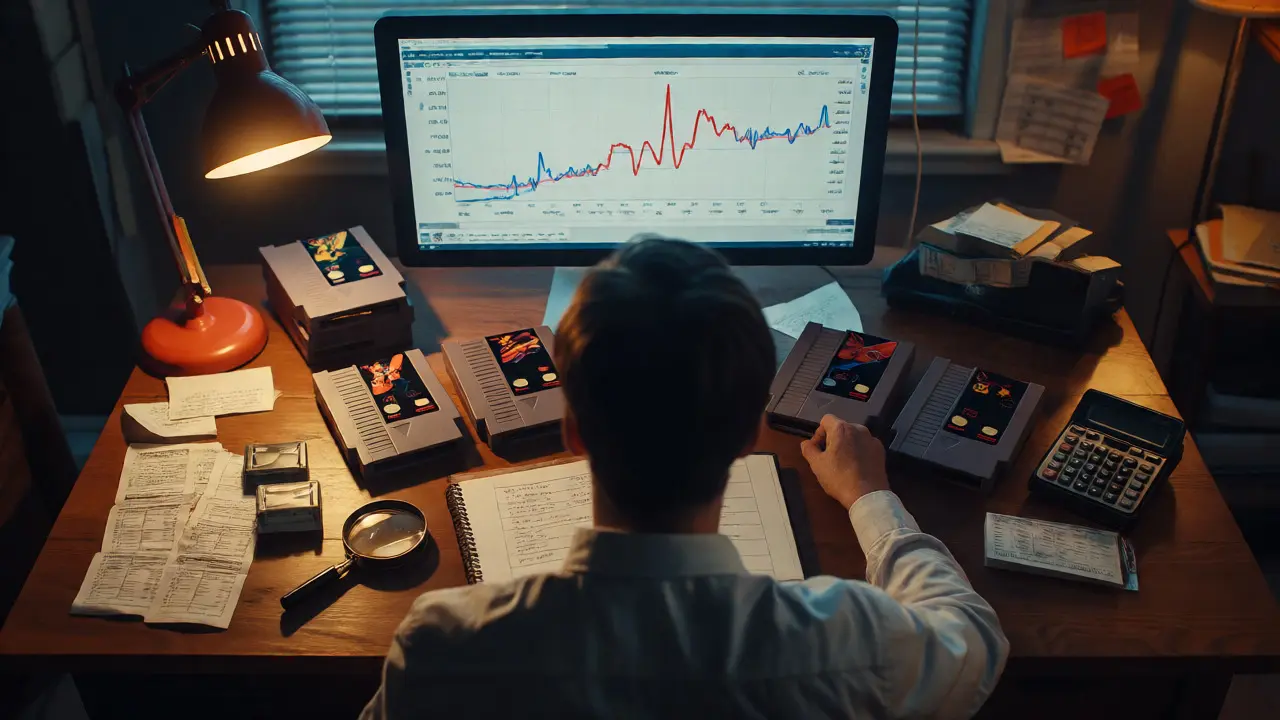
Never trust a single source. Even reputable channels make mistakes. When someone claims a specific Nintendo Entertainment System (NES) game is undervalued, check historical sales databases. Platforms like PriceCharting or eBay’s "Sold Listings" filter give you raw data. Look at the median price over the last six months, not just the highest sale. High outliers skew perception. If a game sold for $200 once but usually goes for $40, the creator is cherry-picking.
Consider the case of Super Mario Bros. 3. A viral clip might show a sealed copy selling for thousands. That’s true for graded, mint-condition copies. But if you have a loose cart with dirty contacts, its value is a fraction of that. Creators often blur the line between "sealed" and "complete in box" (CIB) and "loose." Always match the condition described in the video to your actual item. If the video doesn’t specify condition, assume they are talking about the best-case scenario, which rarely applies to average finds.
Identifying Common Misinformation Tropes
Social media thrives on repetition. Certain myths get recycled every year. Here are the most persistent ones in the collecting community:
| Myth | Reality | Why It Persists |
|---|---|---|
| All NES games are increasing in value. | Only top-tier titles (top 10%) see significant growth; mid-tier stagnates. | Survivorship bias; people remember the winners, forget the losers. |
| Sealed games are always better investments. | Grading fees eat profits unless the game is ultra-rare ($500+). | High-profile auction headlines dominate news cycles. |
| Regional variants are worthless. | Some PAL or Japanese versions are rarer than US counterparts. | US-centric content dominates English-language platforms. |
Notice how these myths simplify complex markets. They offer easy answers. "Buy everything!" is easier to sell than "Research each title individually." When you see broad generalizations, dig deeper. For instance, while PlayStation 1 games generally remain affordable, specific limited editions like Tenchu: Stealth Assassins with original manuals command premiums. Generalizations miss these nuances.
Evaluating Creator Credibility
Not all influencers are created equal. Some are collectors who share passion; others are resellers trying to flip inventory. How do you tell the difference? Look at their track record. Do they admit when a prediction was wrong? Honest creators will post follow-up videos saying, "I thought this would double, but it didn't." This transparency builds trust.
Check their engagement in comments. Are they answering questions about provenance and grading standards? Or are they just posting emojis? A knowledgeable creator understands terms like "A8 grade" or "first print" versus "reprint." If they use jargon incorrectly, treat their valuation advice with skepticism. For example, confusing "near mint" with "mint" shows a lack of technical understanding required for high-value transactions.
Also, consider their platform. YouTube allows for longer, more nuanced discussions. TikTok and Shorts favor quick hooks. A 60-second clip cannot explain the difference between a 1985 and 1987 label change on a Sega Genesis cartridge. Yet, that tiny detail can swing the price by $50. Long-form content is usually safer for detailed financial advice, though short-form can highlight trends worth investigating further.
Using Community Wisdom Effectively
Social media isn’t just for consuming; it’s for querying. Instead of passively watching, actively participate. Post a photo of your item in dedicated groups on Reddit or Facebook. Ask specific questions: "Is this the first print or a budget reissue?" The collective knowledge of thousands of collectors often beats a single influencer’s opinion.
Be wary of echo chambers, though. If everyone in a group loves a specific obscure RPG, they might collectively overvalue it. Look for dissenting opinions. If five people say "It’s worth $100" and one says "Actually, I found ten listings for $20," investigate the skeptic. Sometimes the minority view holds the key to accurate pricing.
Remember that community sentiment shifts. A game might be hyped because a streamer played it recently. That spike in interest might fade in three months. Don’t buy based solely on current buzz. Wait for the dust to settle. Patience is your best tool against FOMO (Fear Of Missing Out), which is the primary driver of social media purchasing errors.
Actionable Steps Before You Buy
If you’re ready to act on some advice, here is a concrete workflow to minimize risk:
- Screenshot the Claim: Save the video or post. Note the date.
- Search Sold Listings: Go to eBay, filter by "Sold Items," and sort by "Ending Soonest." Ignore active listings; they reflect asking prices, not market reality.
- Compare Conditions: Match the photos in the listing to your target item. Check for manual completeness, box wear, and disc scratches.
- Calculate Fees: Add shipping, taxes, and platform fees to the final price. A $50 game might cost $70 out-the-door.
- Set a Budget Cap: Decide your max bid before you start bidding. Stick to it, no matter how intense the auction gets.
This process removes emotion from the equation. It turns a reactive impulse into a calculated decision. You’ll find that many "must-have" items lose their luster once you do the math. And that’s okay. Walking away is a valid strategy in collecting.
Why do social media prices differ from eBay sold prices?
Social media often highlights peak values or specific rare conditions (like sealed copies) to generate excitement. eBay sold prices reflect the average transaction for various conditions, including loose or damaged items. Additionally, social media content may be outdated, reflecting market peaks from previous years rather than current trends.
Are all "rare" games mentioned online actually valuable?
No. Rarity does not always equal value. A game might be rare because few people wanted it, resulting in low demand and low price. Value requires both scarcity and desirability. Always check recent sales data to confirm if collectors are actually paying premium prices for the title.
How can I spot a fake or altered listing?
Look for inconsistencies in photos, such as mismatched serial numbers or unusual packaging seals. Read the seller's feedback carefully for mentions of "fake" or "not as described." For high-value items, request close-up photos of the label and any potential repairs before purchasing.
Should I trust influencers who sell their own collections?
Proceed with caution. Influencers selling their own items have a financial incentive to hype the market. While they may provide accurate information, their motivation could subtly influence their presentation. Cross-reference their claims with independent sources and avoid buying directly from them without verifying the price elsewhere.
What is the biggest mistake beginners make with social media advice?
Assuming that all copies of a game are worth the same. Condition and edition drastically affect value. Beginners often buy loose copies expecting sealed-game prices. Always verify the specific attributes (box, manual, seal status) of the item being discussed in the video.