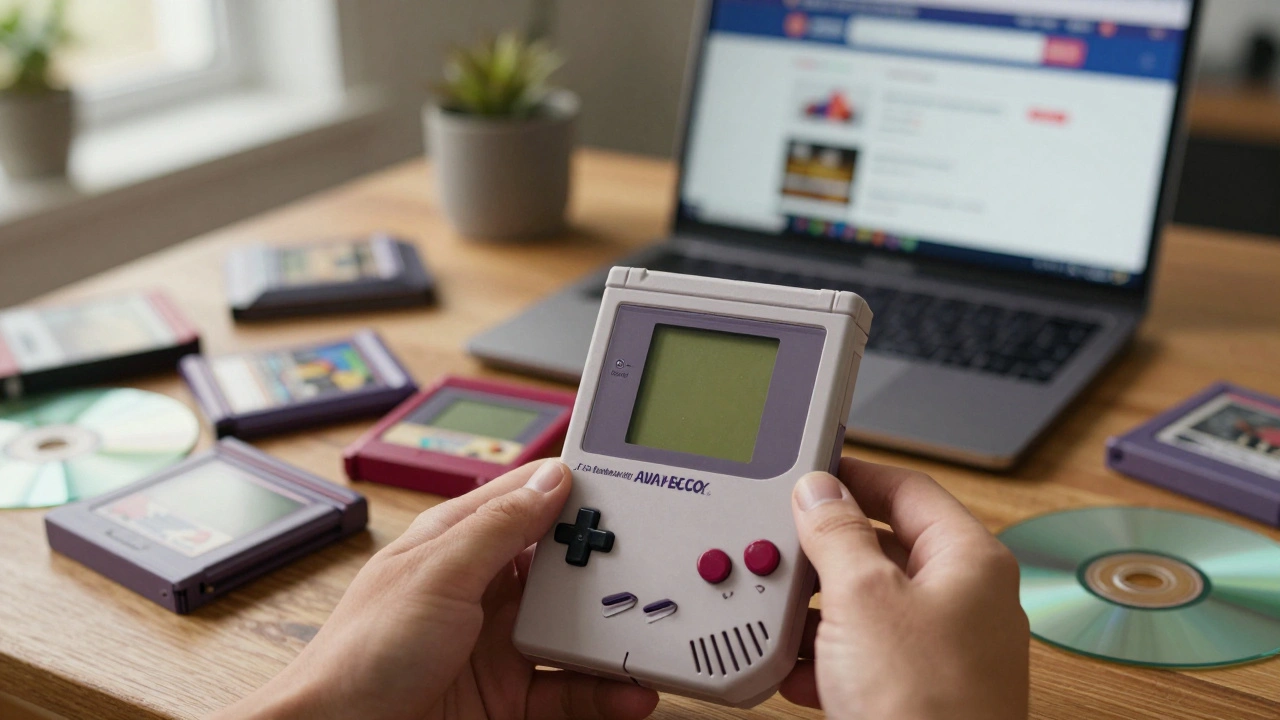
Finding a rare RPG for a steal or figuring out if your childhood game collection is actually worth a fortune depends on one thing: knowing how to look at prices. If you only check one site, you're probably overpaying or leaving money on the table. The truth is that a single game can vary by $20 or more depending on where you look. For example, a title like Devil's Third can be found for around $45 at retail, but might jump to over $80 on certain marketplaces. To get the real value, you have to stop looking at what people ask for and start looking at what people actually pay.
The Golden Rule: Sold Listings vs. Asking Prices
The biggest mistake beginners make is trusting the "Buy It Now" price. Just because a seller wants $100 for a vintage Game Boy game doesn't mean anyone will actually pay that. To find the true market value, you need to filter for completed transactions.
On eBay, this is the most critical step. Go to the filter menu and check the "Sold Items" box. This strips away the fantasies of optimistic sellers and shows you the hard data. If you see five copies of a game listed for $50, but the last three actually sold for $30, the value is $30. Do the same on Amazon by looking at the "Used" price history, though it's slightly less transparent than eBay's sold archive.
Using Aggregators to Save Time
Manually searching every title in a 50-game collection is a nightmare. That's where aggregation tools come in. Price Charting is the industry standard for a reason. It doesn't just guess; it scrapes actual sales data from eBay over long periods to create a baseline average. If you want a quick "sanity check" on a price, start here.
For those with massive piles of games, AI is changing the game. A tool called flippr allows you to take a photo of 20 to 50 games at once. Instead of scanning barcodes one by one, the AI identifies the platform-whether it's a Wii, Xbox, or GameCube-and aggregates the values from Price Charting and eBay instantly. It turns a three-hour research project into a thirty-second task.
Breaking Down the Marketplaces
Every platform has its own "vibe" and pricing logic. To compare them effectively, you need to know how they differ.
| Platform | Pricing Dynamic | Best For... | Red Flag |
|---|---|---|---|
| eBay | Auction & Fixed | Rare collectibles & lots | Overpriced "asking" prices |
| Amazon | Competitive Algorithmic | Common titles & convenience | Hidden shipping costs on used |
| Gameflip | Peer-to-Peer (P2P) | Digital codes & modern games | Volatility in digital pricing |
| GameStop | Fixed Retail | Quick trades & physical swaps | Low trade-in offers |
On Gameflip, the strategy is different because it caters heavily to digital assets. Experienced sellers there often price digital games 5-10% below the cheapest historical Steam price to ensure a quick sale. If you're selling a physical game here, you'll still want to cross-reference with Walmart or Best Buy to see if a big-box retailer is running a sale that undercuts your listing.
Spotting Arbitrage Opportunities
Arbitrage is just a fancy word for buying low on one site and selling high on another. This happens because not all sellers list on every platform. You might find a game on Amazon for $30 that is consistently selling for $45 on eBay.
To find these gaps, use a "price meter" strategy. Filter your searches for a specific range-say, $25 to $100. This removes the $1 junk and the $1,000 impossible listings, leaving you with the "sweet spot" where most profitable trading happens. Keep an eye out for Minecraft or other staples; while the variance is smaller, the volume is higher, meaning you can flip them faster even if the profit per unit is lower.
Pitfalls That Kill Your Profit
Before you hit "buy" on a deal that looks too good to be true, check these three things:
- Shipping Origins: Is the game shipping from the UK or Japan? A $20 game becomes a $40 game real fast once international shipping and customs fees hit.
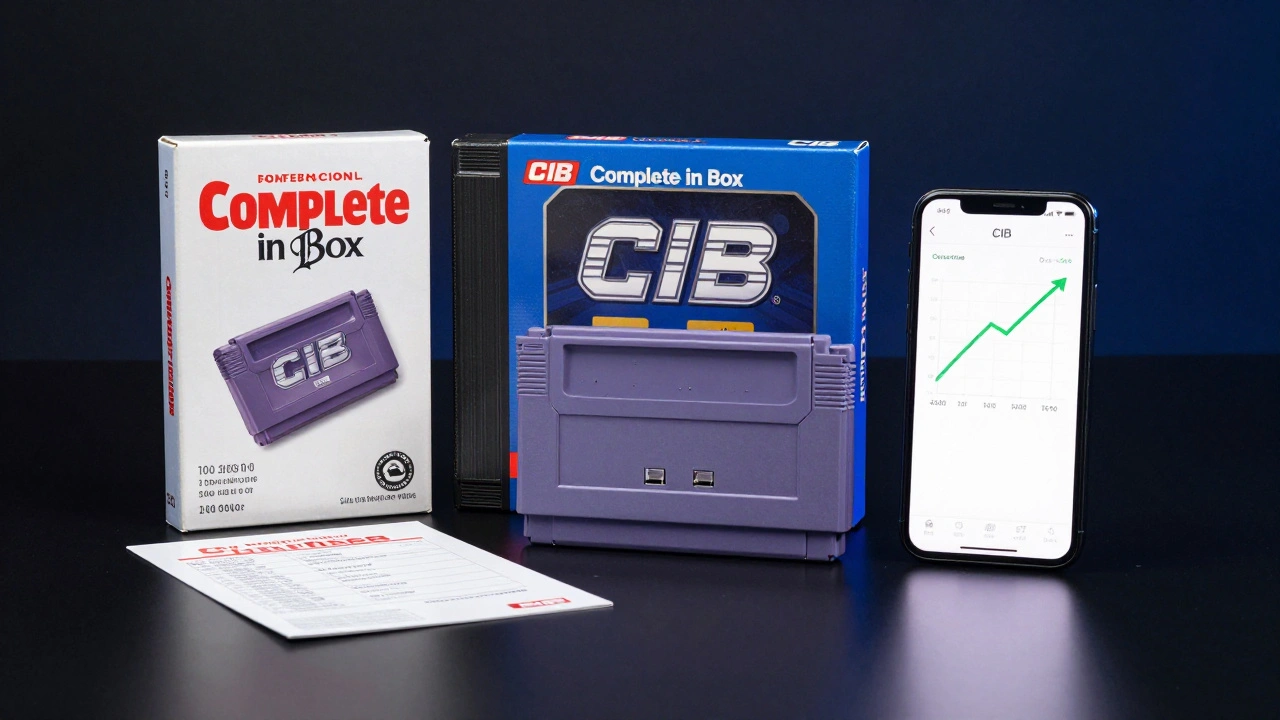
- Condition Grading: A "Complete in Box" (CIB) game is worth significantly more than a loose cartridge. If a listing on Amazon is cheaper than eBay, check if the manual is missing.
- Membership Discounts: If you're comparing retail prices, remember that things like GameStop rewards cards can drop a price by a few dollars, which might eat your entire profit margin if you're flipping.
If you're hunting for older games, look for "lots." Searching for "NES game lot" on eBay often reveals sellers who don't know the individual value of the games they're selling. By comparing the total lot price against the individual "Sold" prices on Price Charting, you can often find a bundle where the parts are worth double the whole.
Which platform is generally the cheapest for buyers?
It depends on the game. Amazon is often better for common, modern titles due to competitive pricing. However, eBay is usually the best for finding a deal on rare or retro games, provided you use the "Sold Listings" filter and are willing to bid in auctions.
How do I know if a game is actually rare?
Check the frequency of "Sold" listings on eBay. If a game sells once every few months for a high price, it's rare. If it sells ten times a day for a low price, it's common. Use Price Charting to see the long-term price trend to ensure the value isn't just a temporary spike.
Is Gameflip safe for buying physical games?
Yes, Gameflip acts as a peer-to-peer marketplace with its own verification and payment systems. It is particularly strong for digital codes, but for physical games, always check the seller's rating and request actual photos of the game and manual before purchasing.
What is the best way to price my own collection for sale?
Start with an AI tool like flippr to get an instant estimate of your entire collection. Then, pick your most valuable items and manually verify their "Sold" prices on eBay and averages on Price Charting. Price your items slightly below the most recent sold price if you want a quick sale, or slightly above if the condition is mint.
Do retail prices at GameStop reflect actual market value?
Not always. Retail pricing is often higher than the peer-to-peer market. While GameStop is convenient, you'll often find the same game cheaper on eBay or Amazon. However, for very specific retro titles, GameStop's pricing can be competitive, though it rarely offers the same arbitrage potential as the open market.