
When you walk into an independent game store with a box of used video games under your arm, you’re not just handing over old cartridges or discs-you’re walking into a business that’s carefully curated, tightly managed, and deeply connected to its community. These aren’t big-box retailers with bulk discount systems. These are small shops run by people who know their customers, track what sells, and live by profit margins thinner than a PS5 disc. If you want to get the best price for your games, you need to understand how they think-and how to talk to them like a partner, not a customer.
Know What They’re Looking For
Independent game stores don’t buy everything. They don’t even buy most things. Every shelf space is a choice. Every dollar spent on inventory is a dollar they can’t spend on something else. If a store has 120 copies of Dark Souls already sitting on the shelf and none have sold in three months, they’re not going to take your third copy. But if they’ve been out of Stellaris: Console Edition for six weeks and a few regulars have asked about it? That’s your opening. Start by walking in and asking: “What’s been selling well lately?” Don’t just glance at the new releases. Look at the back shelves. Look at the clearance bins. Look at what’s been sitting there untouched. If you see a stack of Animal Crossing: New Horizons copies with dust on them, don’t bother offering yours. But if you notice a few copies of Disco Elysium with handwritten notes from staff taped to the box? That’s a sign they’re pushing it. That’s your game. Stores in Portland, like Game Over or The Pixel Vault, often track what their regulars are asking for. If you’ve been a customer for a while, they’ll remember you. Use that. Mention, “Hey, I saw you had three people ask about Disco Elysium last week-I’ve got a copy in good condition.” That’s not a transaction. That’s a conversation.Condition Matters More Than You Think
A game in “good condition” doesn’t mean the disc isn’t scratched. It means the case has no cracks, the manual is intact (if it had one), the disc spins without skipping, and the box isn’t warped from being left in a hot car. If the case is cracked and the disc has a deep scratch that skips during loading? You’re not getting $10. You’re getting $2-or nothing. Here’s a simple rule: If you wouldn’t buy it used from someone else, the store won’t either. Don’t try to sell a game that’s been dropped, chewed on by a dog, or soaked in soda. Stores have seen it all. They’ll spot damage before you even open the box. Pro tip: Clean the disc with a microfiber cloth and isopropyl alcohol. Don’t use a paper towel. Don’t use Windex. Just a light wipe, radial motion (not circular), and let it air dry. It makes a difference. I’ve seen stores raise offers by $3 just because the disc didn’t look like it had been used in a basement during a thunderstorm.Price Expectations Are Based on Profit, Not Sentiment
Stores aren’t charities. They need to make money. Most independent game stores aim for a 40% profit margin on used games. That means if they sell your game for $20, they pay you around $12. That’s not negotiable. That’s the math. If you show up asking for $15 on a game they know sells for $20, you’re asking them to lose money. They’ll say no. Here’s how to work with it: Know the retail price. Check eBay. Check Amazon. Check local listings. If a game sells for $25 new, they’re probably going to price your used copy at $18-$20. That means your offer should be in the $10-$12 range. Don’t ask for $15. Don’t argue. Just say, “I’ve seen this sell for $20. What’s your standard offer?” Then listen. If they offer $8 and you think it’s too low, don’t walk out. Say, “I’ve got three more copies of this. Would you take them all if I brought them in next week?” That shifts the conversation from one game to volume. And volume? That’s where stores get excited.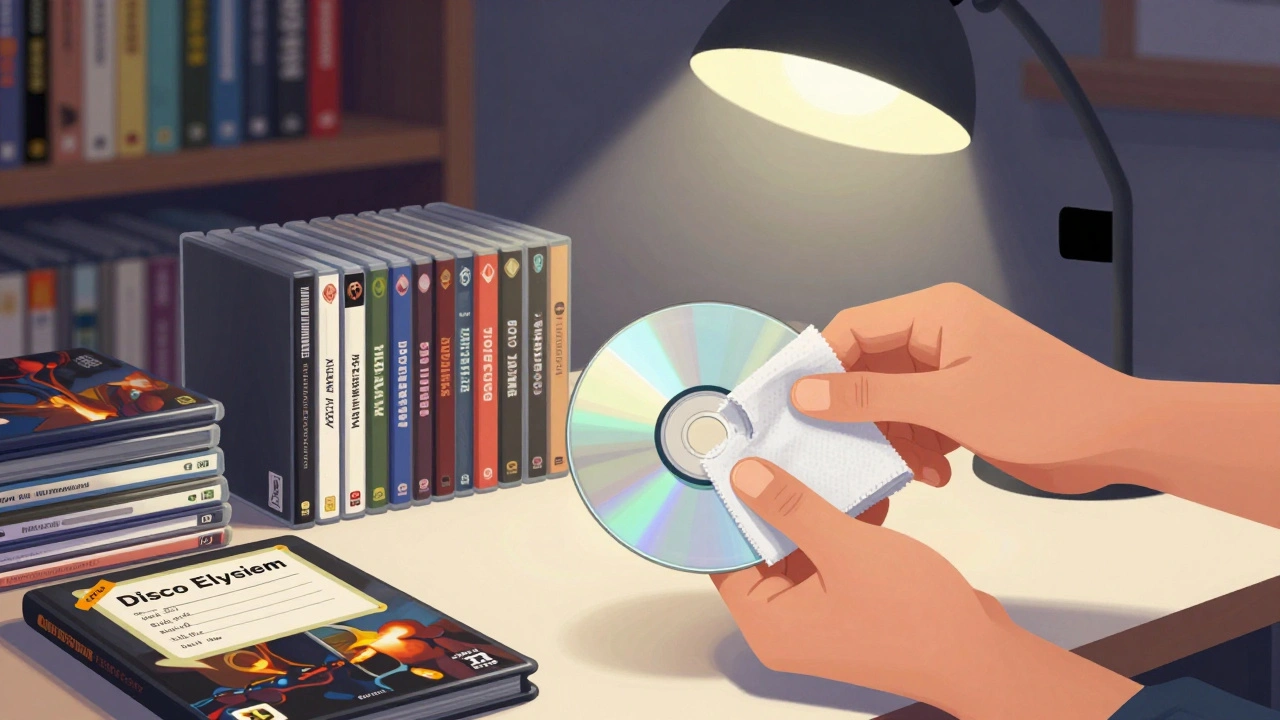
Bring More Than One Game
One game? You’re a hobbyist. Three games? You’re a seller. Five games? You’re a partner. Stores love bulk. It saves them time. It means they don’t have to process five separate transactions. It means they can bundle your games with other inventory. If you bring in five games from the same series-say, all five Mass Effect titles-you’re not just selling games. You’re offering a complete collection. That’s a display opportunity. That’s a customer magnet. I’ve seen stores offer 20% more per game when someone brings in a full set. Not because they love the series. Because they know a customer who’s been looking for all five will walk in and say, “Do you have the whole trilogy?” And if you’ve got them on the shelf together? That’s a sale.Timing Is Everything
There are good times to sell. And bad times. Avoid selling right after a new console launch. Everyone’s trading in their old system. Stores are flooded. Prices drop. You’ll get pennies. Avoid selling in January. Post-holiday returns flood the market. Too much supply. Too little demand. Best time? Late summer. August. September. That’s when kids go back to school, college students move out, and people start cleaning out their closets. That’s when stores are low on inventory and hungry for stock. Also, pay attention to game anniversaries. If Portal 2 is turning 14 this year? People are talking about it. If Final Fantasy VII Remake just got a new DLC? That’s your chance. Walk in with your copy the week after the DLC drops. The store knows people are looking. They’ll pay more.Build a Relationship, Not a Transaction
The best sellers aren’t the ones who ask the highest price. They’re the ones who come back. If you go in once, get $20, and disappear for six months? You’re forgettable. But if you go in every month with a few games, remember the staff’s names, ask how business is going, and say “Thanks” when they give you a fair offer? You become part of the rhythm of the store. I’ve seen stores hold games for regulars. Not because they owed them. Because they liked them. One guy in Portland brings in 8-10 games every other week. He doesn’t haggle. He doesn’t complain. He just shows up. Last month, the owner gave him a $5 bonus on top of the offer because “he’s the reason we’ve got a steady stream of Stardew Valley copies.” Be that guy.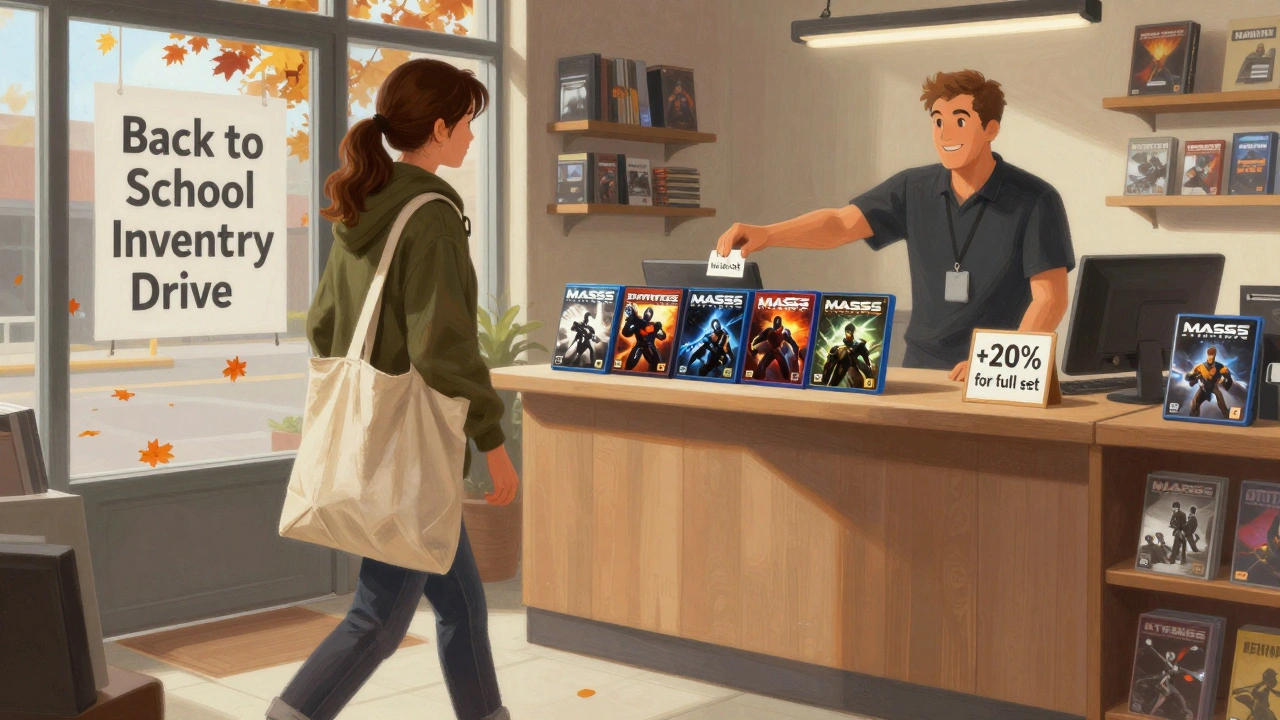
What to Do If They Say No
They will say no. Often. Maybe even to your best game. Don’t argue. Don’t get angry. Don’t say, “Well, I’ll just sell it on eBay.” That’s not a threat. That’s a dismissal. And it kills trust. Instead, say: “Got it. Is there a better time to bring this in? Or maybe another store you’d recommend?” Sometimes, they’ll say, “Come back in two weeks. We’re getting a shipment of new inventory next Tuesday.” That’s your cue. Come back. Bring the same game. They’ll remember you. And they’ll be more likely to say yes. Other times, they’ll say, “We’ve got too many of this genre.” That’s not a no. That’s a clue. If they’re full on RPGs, bring in puzzle games or party games. If they’re drowning in shooters, bring in cozy sims. Adapt.Don’t Forget the Extras
Did your game come with a manual? A poster? A code? A steelbook case? These aren’t bonuses. They’re leverage. A steelbook case? That’s worth $2-$5 extra. A full manual? Another $1-$3. A code for DLC? Even better. Say, “This includes the digital soundtrack code-still unclaimed.” That’s not a game. That’s a collectible. Stores know collectors. They know people who pay $50 for a game with all the extras. If you’ve got the full package? Say it. Don’t hide it. And don’t assume they’ll notice.Final Rule: Be Patient. Be Consistent.
You won’t make a fortune selling used games. But you can make steady cash-$100, $200, even $300 a month-if you treat it like a habit, not a one-time event. Go in once a week. Bring three games. Talk to the staff. Ask what’s popular. Learn what sells. Adjust. Repeat. The stores that pay the most aren’t the ones with the highest prices. They’re the ones who know you’re reliable. Who know you show up. Who know you care about the game as much as they do. You’re not just selling a disc. You’re helping them keep the store alive.How much can I realistically expect to get for a used video game at an independent store?
Most independent game stores pay between 30% and 50% of the current retail price for used games. For example, if a game sells new for $40, you’ll likely get $12-$20. Condition, demand, and whether you’re bringing multiple copies all affect the offer. Games with steelbook cases, manuals, or unclaimed DLC codes can add $1-$5 extra per item.
Should I clean my game discs before taking them to a store?
Yes, but do it right. Use a microfiber cloth and a small amount of isopropyl alcohol. Wipe from the center outward in a straight line-not in circles. Let it air dry. A clean disc can increase your offer by $2-$5. Dirty or scratched discs often get rejected outright, even if the game is popular.
What’s the best time of year to sell video games to independent stores?
Late summer (August-September) is ideal. That’s when students move out, families downsize, and stores are restocking after summer lulls. Avoid January (post-holiday returns) and right after a new console launch (inventory is flooded). Also, target weeks after major game updates or anniversaries-demand spikes, and stores pay more.
Do stores pay more for complete collections or boxed sets?
Absolutely. A full set of five Mass Effect games is worth more than five separate copies. Stores can display them together, attract collectors, and sell them as a bundle. Many stores offer 15-20% higher rates per game when you bring in a full series or a themed group (e.g., all Zelda titles, all Animal Crossing editions).
What if a store refuses to buy my game? Should I try again later?
Yes. Stores often say no because they’re full, not because the game has no value. Ask when would be a good time to come back. In 2-4 weeks, inventory shifts. A game that was too common last month might be in demand now. Keep showing up. Build trust. Eventually, they’ll remember you-and pay you more.