When you buy a sealed video game, you're not just buying a game-you're buying a piece of history. But not all sealed games are what they seem. Countless collectors have been tricked by resealed boxes, fake stickers, or poorly restored wraps. The difference between a game worth $500 and one worth $50 often comes down to one thing: the seal. Knowing how to authenticate seals and stickers on sealed video games isn't just for experts-it's essential for anyone serious about collecting.
Why the Seal Matters More Than the Game Inside
The value of a sealed video game doesn't come from the cartridge or disc. It comes from the plastic wrap around it. A factory-sealed game in pristine condition can sell for ten times more than a loose copy. But if that seal was reapplied after the game was opened, the value plummets. That’s why authentication isn’t optional-it’s the foundation of trust in the collector market.
Companies like CGC Video Games have built entire grading systems around this. They don’t just look at the box or the label. They examine the seal’s type, how it was applied, and its condition. A game with a perfect Y-Fold seal can earn a 9.8 grade. The same game with a mismatched or resealed wrap? It gets a 0.5. There’s no middle ground.
The Six Main Seal Types You Need to Know
Not all seals are created equal. Different publishers used different methods depending on the era and console. Here are the most common types you’ll encounter:
- H-Overlap: Plastic wraps horizontally across the back, overlapping along two side seams. Common in the 1980s and 1990s for NES, SNES, and Genesis games.
- LRB: Seams run along the left, right, and bottom sides. Used by third-party publishers since the 1980s and still common today.
- LRT: Seams on left, right, and top. Similar to LRB but with a top seam instead of bottom. Found on many late-90s titles.
- LRTB: All four sides sealed. Rare, mostly on high-end or later console releases.
- V-Seam: A single vertical seam down the back, no overlap. Used by Nintendo for Super Nintendo and Nintendo 64 games. Look for clean, straight lines.
- Y-Fold: The most common seal on modern games. Plastic wraps around the case and folds into a "Y" shape at each corner. This is the gold standard for authentication.
If you’re holding a game with a Y-Fold, that’s a good sign. But you can’t stop there. The real trick is checking how the fold was made.
The Y-Fold Test: Your Best Authentication Tool
The Y-Fold is the most reliable indicator of a factory-sealed game, especially for PlayStation, Xbox, and modern Nintendo titles. But not all Y-Folds are real. Counterfeiters can mimic them-but they can’t replicate the precision of a factory machine.
Here’s how to spot the real thing: Look at the corner of the case. The Y-Fold should end in a sharp, clean horizontal line. There’s no fraying, no glue residue, no uneven edges. It looks like the plastic was cut with a laser. That line is the fingerprint of the original sealing machine.
Real Y-Folds are symmetrical. All four corners match. If one corner looks slightly off, or the fold doesn’t align with the box’s edge, it’s likely been resealed. Some sellers will try to fix a damaged seal with heat or glue. That leaves a telltale bump or glossiness under bright light.
Xbox Security Sticker: The Easiest Seal to Verify
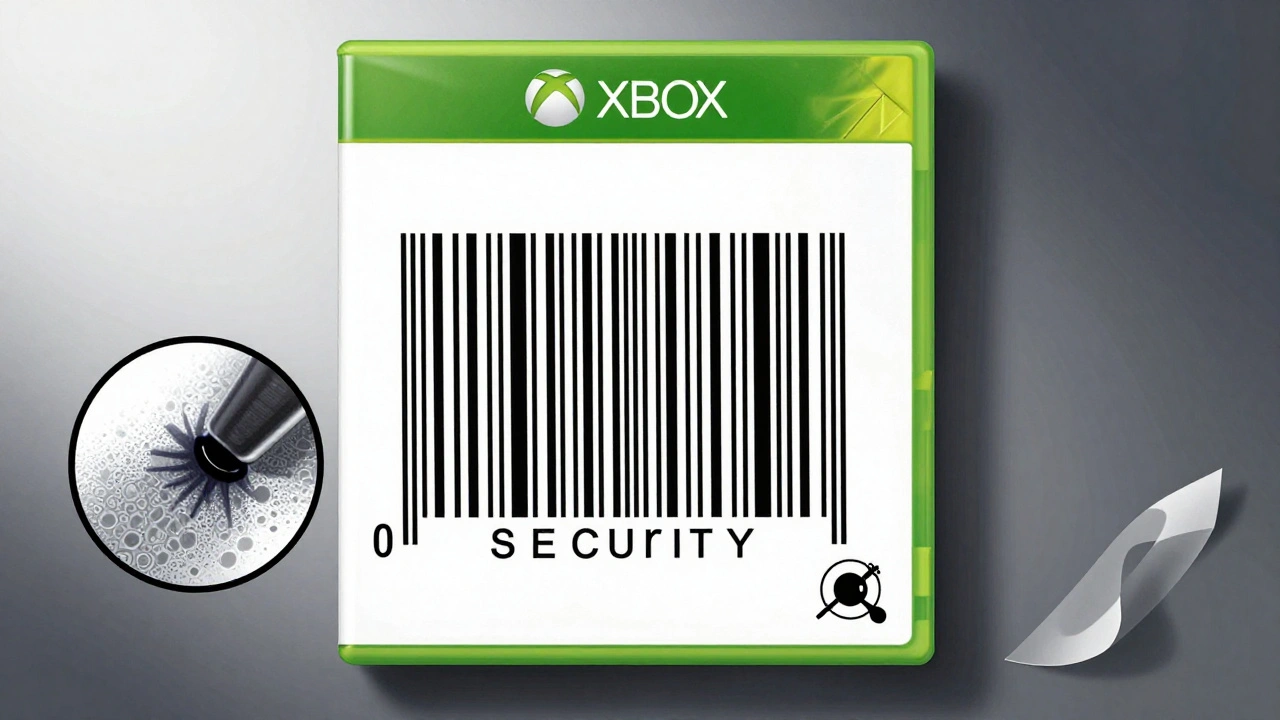
If you’re checking an original Xbox or Xbox 360 game, you’re in luck. These games have a built-in security feature that’s nearly impossible to fake: the embedded security barcode sticker.
This isn’t a sticker you peel and stick. It’s printed directly into the plastic wrap during manufacturing. You can’t remove it without tearing the seal. Some versions even have a holographic stamp, especially on early Xbox titles.
Here’s what to do: Hold the game under a bright light. Look closely at the plastic. You should see a barcode embedded-not printed on top, but fused into the material. If the barcode is on the surface, or if it’s smudged or misaligned, it’s fake. If it’s part of the wrap, it’s real. No tools needed. No guesswork.
PlayStation and the Logo Strip
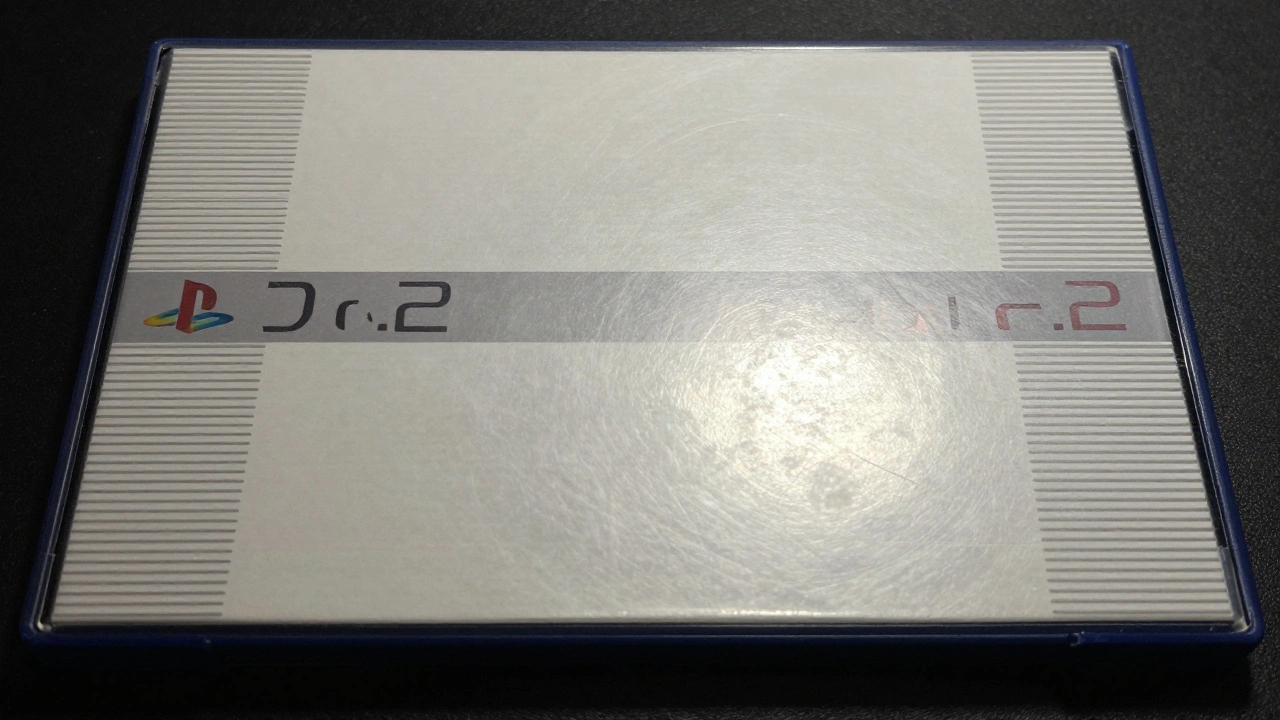
PlayStation games (PS1, PS2, PS3) often have a logo strip-a thin ribbon of printed plastic that wraps around the case. It usually says "PlayStation" or the publisher’s logo. But here’s the catch: not all authentic games have it.
Some early PS1 titles, especially from third-party publishers, never used the logo strip. That doesn’t mean they’re fake. Instead, you must rely on the Y-Fold. A perfect Y-Fold on a PlayStation game without the logo strip is still factory sealed. The absence of the strip isn’t a red flag-it’s normal for certain titles.
What’s a red flag? A logo strip that’s crooked, has bubbles, or doesn’t match the game’s release year. If a PS2 game from 2001 has a logo strip that looks like it was printed on a home printer, it’s been tampered with.
What About Tape and Glued Seals?
Early 8-bit games-like some NES or Atari titles-sometimes used tape instead of plastic. That’s not a defect. That’s normal. Tape seals were standard for budget games or regional releases. They’re harder to grade, but they’re still authentic if they match the era.
Glued seals are another story. Some games, especially from Japan or niche publishers, were sealed with glue instead of plastic. These can’t be graded on the standard scale. CGC Video Games gives them an "O" for Original. That doesn’t mean they’re fake. It means they were never meant to have a plastic wrap. If you see glue on a modern game, though? That’s a sign of tampering.
Red Flags That Mean You’re Being Scammed
Here’s a quick checklist of warning signs:
- The seal is too shiny or glossy-like it was heated to reseal.
- The plastic has wrinkles or bubbles near the seams.
- The Y-Fold corners are uneven or don’t line up with the box edges.
- The barcode on Xbox games is printed on top of the plastic, not embedded.
- The logo strip on PlayStation games has faded colors or mismatched fonts.
- The seal looks too perfect-factory seals have minor imperfections. A flawless wrap is a red flag.
If you’re unsure, compare the game to official images from CGC Video Games’ database or trusted collector forums. Don’t trust seller descriptions. Look at the seal itself.
When to Get It Professionally Graded
You don’t need to send every game to CGC. But if you’re holding a rare title-say, a sealed Super Mario Bros. 3 or EarthBound-it’s worth it. Professional grading gives you a certified grade and a tamper-proof case. It also adds resale value and peace of mind.
Before sending a game in, make sure you know the seal type. If you think it’s a V-Seam but it’s actually an H-Overlap, the grader will downgrade it. Misidentifying the seal can cost you hundreds.
And remember: a sealed game with a damaged seal still has value. A 9.0 graded game is still worth far more than an ungraded one. Don’t assume a flaw ruins everything. Authenticity matters more than perfection.
Final Tip: Trust Your Eyes, Not the Seller
There’s no magic tool for authentication. No app scans a seal and tells you if it’s real. It’s all about observation. Learn the seal types. Practice on common games first. Hold them under natural light. Look at the corners. Feel the edges.
The more games you inspect, the better you’ll get. You’ll start noticing the tiny differences-the way the plastic curls, the angle of the fold, the texture of the wrap. That’s how experts do it. Not with gadgets. Not with certificates. With experience.
Can a sealed video game be authentic without a seal?
Yes, but only if it was originally sealed with glue or tape, which was common in the 8-bit era. Games sealed with glue receive an "O" (Original) grade from CGC Video Games. If a modern game has no seal at all, it was likely opened and resealed-making it inauthentic.
Are all Y-Fold seals genuine?
No. Counterfeiters can mimic Y-Folds, but they can’t replicate the precision of factory machines. A real Y-Fold ends in a clean, straight horizontal line. Fake ones have uneven edges, glue residue, or misaligned folds. Always check all four corners.
How do I tell if an Xbox security sticker is real?
The security barcode on authentic Xbox games is embedded into the plastic wrap, not printed on top. Hold the game under bright light and look closely-if the barcode looks like it’s part of the plastic, it’s real. If it’s on the surface or peels slightly, it’s fake.
Does a damaged seal mean the game is worthless?
No. A game with a slightly torn or wrinkled seal can still be authentic and valuable. CGC Video Games grades seals on a scale, and even a 7.0 or 8.0 grade can be worth hundreds. What matters is whether the seal is factory-original, not whether it’s perfect.
Should I buy a sealed game without a certificate?
You can, but be cautious. Without a certificate from CGC or another trusted service, you’re relying on the seller’s word. Always inspect the seal yourself using the Y-Fold and barcode tests. If you’re unsure, don’t buy it-or get it graded after purchase.