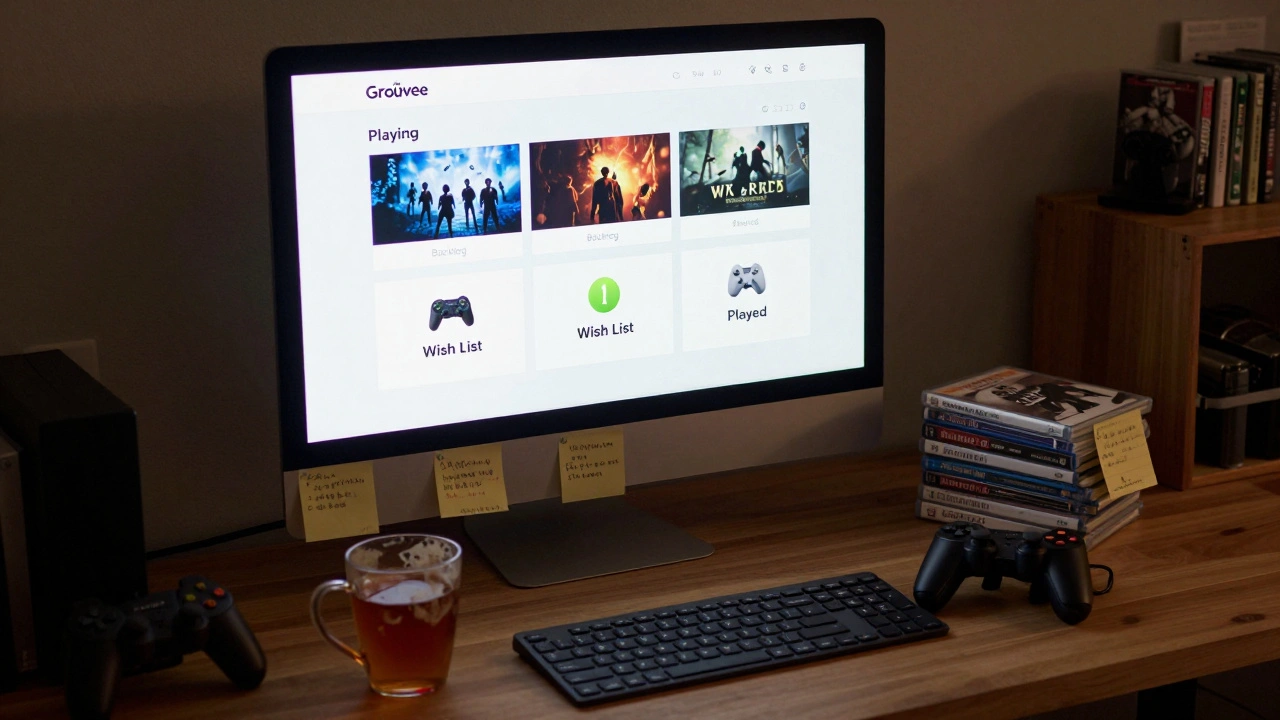
Ever look at your shelf of video games and feel overwhelmed? You bought that RPG last year, started it, got stuck, and never went back. Or maybe you’ve got 37 games on your wishlist and no idea which one to pick up next. You’re not alone. Millions of gamers struggle to keep track of what they’ve played, what’s sitting untouched, and what they actually want to play. That’s where tools like Grouvee come in-not just as a digital shelf, but as a living map of your gaming journey.
What Grouvee Actually Does
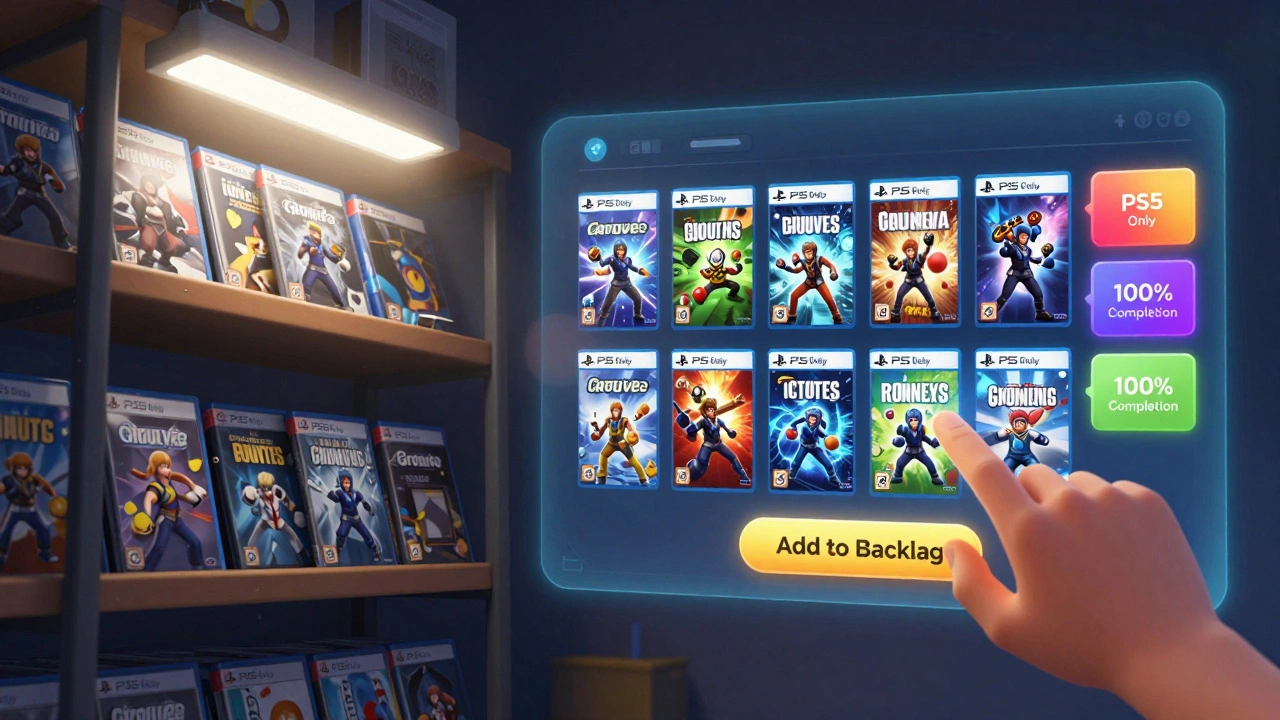
Grouvee isn’t another gaming news site or a forum filled with heated debates about the best open-world design. It’s simpler than that, and that’s why it works. Founded in 2012 by Peter Corsaro, Grouvee started as a blog and evolved into a focused platform for tracking video game collections. Think of it as Goodreads for video games. You create shelves. You add games. You mark when you start, pause, or finish them. You leave notes. You see what your friends are playing. That’s it.When you sign up, you get four default shelves: Playing, Backlog, Wish List, and Played. These aren’t just labels-they’re functional filters. You can sort each shelf by title, release date, your own rating, or when you added the game. But here’s where it gets powerful: you can create unlimited custom shelves. Want a shelf for games you beat with 100% completion? Done. One for games you played on PS5 only? Easy. One for games you borrowed from a friend? You can tag those too.
Each game entry lets you record the exact platform. Did you play BioShock Infinite on PC or Xbox? That matters. Grouvee lets you track version-specific playthroughs, so if you replay a game on a different system, it doesn’t overwrite your original record. You can also add start and end dates. No more guessing how long it took you to finish Dark Souls. You know exactly: 47 hours, 3 days in December 2023.
How Grouvee Helps You Actually Play More
The real magic isn’t in the tracking-it’s in the discovery. Grouvee’s activity feed shows you what people you follow are adding to their collections. You might see someone you trust just added Valheim to their backlog. You check it out. You read their short note: “Started it. Took 20 minutes to build my first hut. Felt like I was in a Nordic dream.” Suddenly, a game you’d never heard of feels personal. That’s how you find hidden gems.You can read reviews written by real players-not professional critics. One user wrote about Outer Wilds: “I didn’t understand the ending until I played it twice. Then I cried. Don’t skip the moons.” That kind of insight is more useful than a 9/10 Metacritic score. Ratings are on a 5-star scale, and you can rate games anytime, even while browsing someone else’s collection. It’s frictionless.
And then there’s the commentary. If you’re stuck in Metroid Dread, you can leave a private note: “Stuck at the asteroid room. Anyone know the trick with the bombs?” Other users can reply. No need to search Reddit threads for 45 minutes. The answers are right there, tied to the game itself.
Why Grouvee Stands Out
There are other ways to track games. Steam has a library. PlayStation Network shows playtime. But they’re not designed for discovery or social sharing. Steam tells you how many hours you’ve played, but it doesn’t help you decide what to play next. Grouvee does.Compare it to Giant Bomb, which powers Grouvee’s database. Giant Bomb is packed with videos, forums, wikis, and news. It’s overwhelming. Grouvee strips all that away. It’s just you, your games, and your community. That focus makes it easier to use. You don’t have to wade through 500 comments about a new trailer to update your backlog. You just click “Add to Backlog” and move on.
It’s also personal. You can make your shelves public or private. You can comment on others’ games without posting publicly. It gives you control over how much you share. That’s rare in gaming platforms, where everything tends to be loud and public.
The Mobile Gap
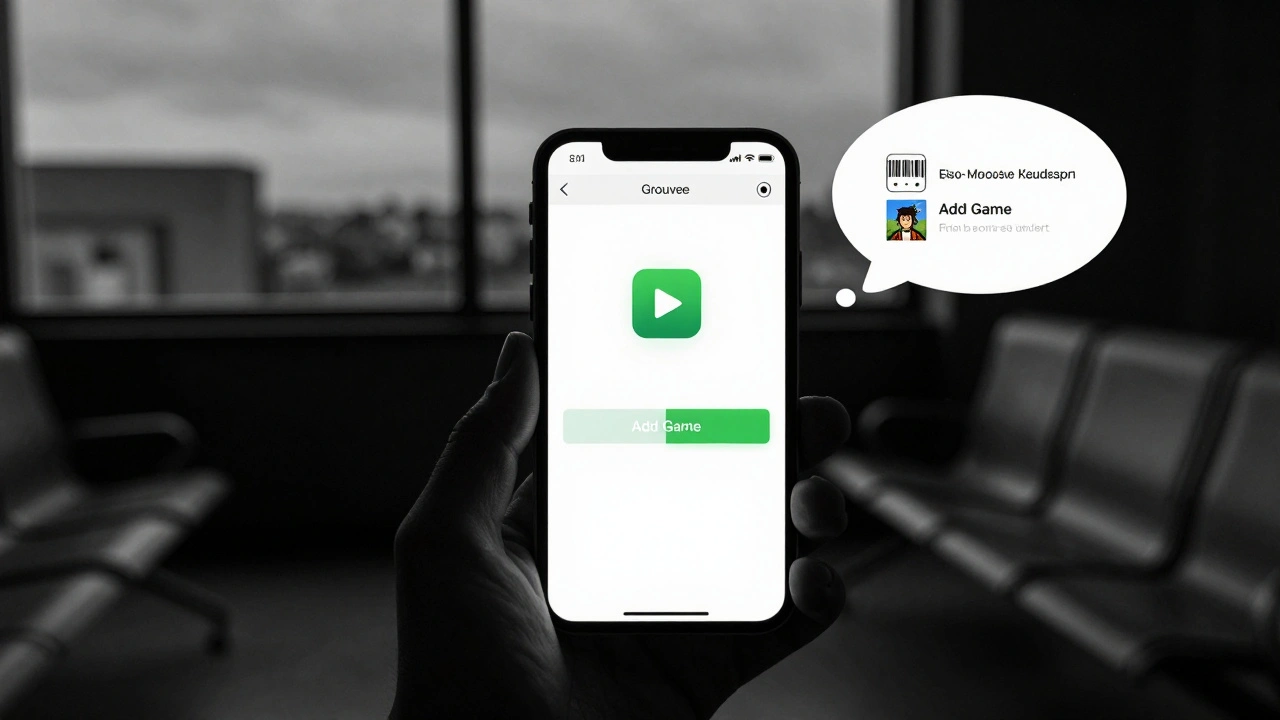
Here’s the problem: Grouvee doesn’t have a mobile app. Not for iOS. Not for Android. As of 2026, you can only use it on a browser. That’s a big deal. If you’re on the bus and remember you want to add Stardew Valley to your wishlist, you can’t do it on your phone. If you finish a game while sitting in a waiting room, you can’t mark it as played right away. You have to wait until you get home.That’s why users compare it to Goodreads. Goodreads has a flawless mobile app. You can scan a book’s barcode, update your progress, leave a review-all from your pocket. Grouvee users have asked for the same thing for over a decade. Community forums are full of requests: “I want to add games from my phone,” “I want to see my backlog stats on the go,” “I want to take notes about borrowed games on my tablet.”
Peter Corsaro, the founder, still maintains Grouvee. He works 50 hours a week at his main job and updates the site in his spare time. He confirmed in a 2023 blog post that development is ongoing, even if it’s slow. He’s been updating game pages, fixing bugs, and keeping the database synced with Giant Bomb. But a mobile app? No sign of it yet.
Alternatives to Grouvee
If mobile access is a dealbreaker, here are other options:- Steam: Tracks playtime, has a wishlist, and lets you see friends’ activity. But it’s cluttered with store promotions and doesn’t let you organize games into custom shelves.
- PlayStation Network / Xbox Live: Good for tracking your console games, but they don’t support PC or indie titles well. No social discovery features.
- Letterboxd for Games: A few users have tried using Letterboxd (a movie tracker) to log games, but it’s clunky. No platform tagging, no game-specific reviews.
- Notion or Excel: You can build your own tracker. It’s flexible, but it takes hours to set up and offers zero social features.
None of these combine the clean interface, social interaction, and deep tracking of Grouvee. That’s why, despite its lack of mobile support, it still has a loyal following. People who use it don’t just track games-they remember their gaming history.
Who Should Use Grouvee?
If you:- Have a growing backlog of games you keep meaning to play
- Want to remember when you finished a game, not just that you did
- Like discovering new titles through friends’ recommendations
- Play on multiple platforms and want to track each version separately
- Enjoy leaving short notes or reading others’ thoughts on games
Then Grouvee is worth trying. It’s free. No ads. No paywalls. Just a clean, focused tool built by someone who loves games as much as you do.
It’s not perfect. The mobile gap is real. The interface feels dated. But if you want a place to truly map your gaming life-not just your playtime, but your memories, your struggles, your discoveries-Grouvee is one of the few tools that does it right.
Is Grouvee still being updated?
Yes. Peter Corsaro, the founder, still maintains Grouvee despite working a full-time job. He confirmed in a 2023 blog post that development continues, though slowly. He’s focused on keeping the game database accurate and fixing bugs. There’s no public roadmap, but the site remains functional and actively used.
Can I use Grouvee on my phone?
No official mobile app exists for iOS or Android as of 2026. You can access Grouvee through a mobile browser, but the experience is limited. You can’t easily add games, update play status, or leave notes on the go. This is the biggest drawback compared to apps like Goodreads or Last.fm.
Does Grouvee cost money?
No. Grouvee is completely free to use. There are no subscription fees, no premium tiers, and no ads. It’s funded by the founder’s personal time and resources. This is one reason it’s so focused-there’s no pressure to monetize.
How does Grouvee get its game data?
Grouvee pulls its game database from Giant Bomb, a well-known gaming database that includes over 40,000 titles. The data is updated daily, so new releases, platform versions, and developer credits are kept current. You can add games manually if they’re missing, but most popular titles are already in the system.
Can I connect Grouvee to Steam or Xbox?
No, Grouvee doesn’t integrate with Steam, Xbox Live, PlayStation Network, or other gaming platforms. You have to manually add games. This means more work, but also more control. You can track games from any system, including physical copies, emulated titles, or obscure indie games that aren’t on digital stores.
If you’ve ever felt like your game collection is just a pile of boxes, Grouvee gives you a way to turn it into a story. It’s not flashy. It doesn’t have live leaderboards or AI recommendations. But it remembers what you played, when you played it, and why you loved-or hated-it. And sometimes, that’s all you need.