When you flip through an auction house catalog for vintage video games, you’re not just looking at pictures of old cartridges and boxes. You’re reading a history book written in condition codes, auction estimates, and bidding wars. The real value isn’t in the game itself-it’s in what the catalog tells you about market demand, rarity, and condition. Most collectors miss this. They focus on the box art. Smart ones learn how to read between the lines.
Start with the grading system
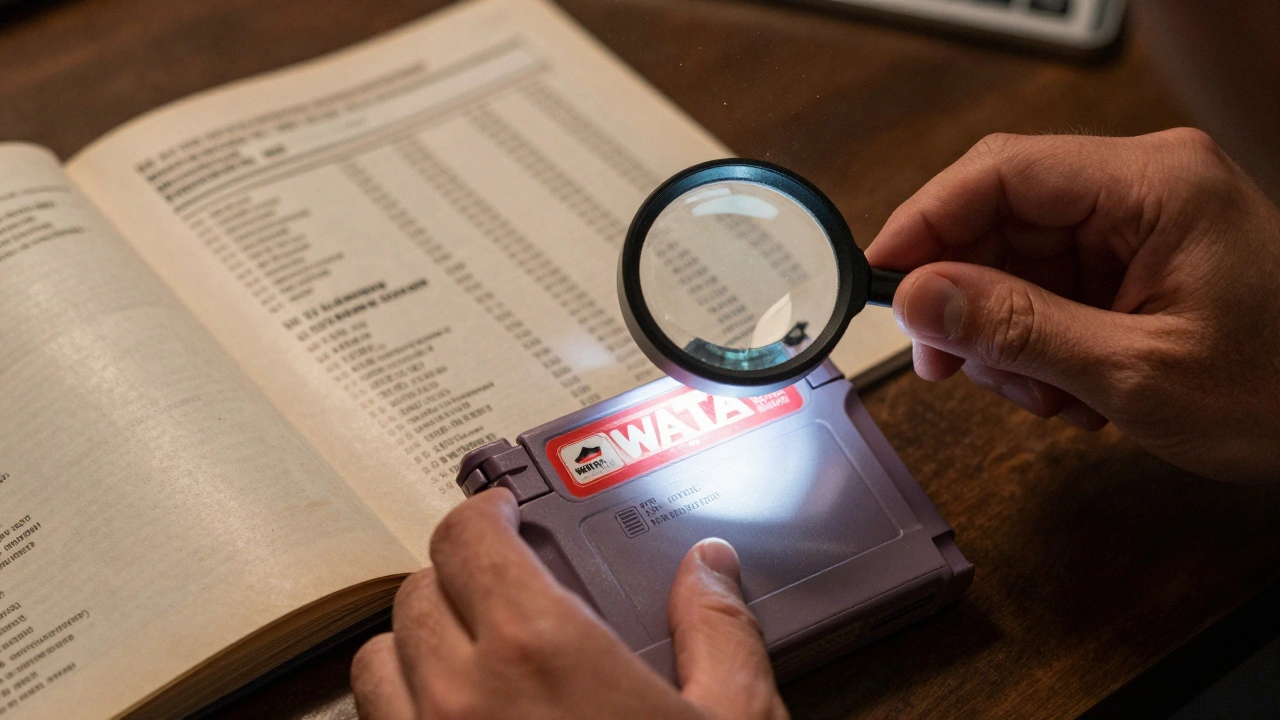
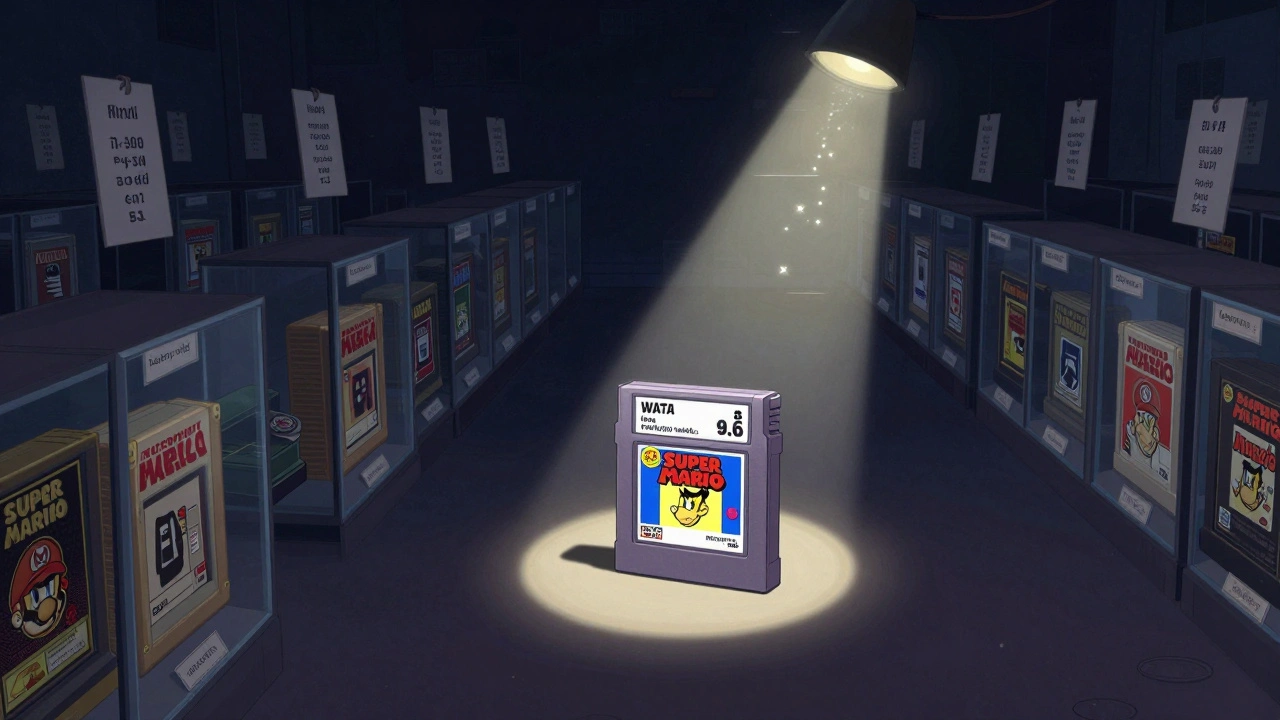
Auction houses like Heritage Auctions don’t just say "mint condition." They use standardized grading scales from WATA, VGA, and CGC. These aren’t made up labels-they’re third-party certifications with clear rules. A WATA 9.4 means the game has near-perfect cartridge, label, and box. A 9.2 might have a tiny corner bend on the box. A 8.5? The manual is missing a page. These numbers matter because they directly affect price. A sealed Super Mario Bros. with a WATA 9.6 sold for $156,000 in 2025. The same game at WATA 8.5? Around $22,000. That’s a seven-fold difference based on one grade point.
Decode the auction estimate
Every lot has an estimate: "$10,000-$15,000". Don’t assume this is the final price. It’s a range based on past sales, not guesswork. Heritage Auctions tracks over 12,000 verified video game sales since 2018. Their estimates are built from actual hammer prices, not wishful thinking. If a game has an estimate of $5,000-$7,000 but sells for $12,000, that’s a red flag. Either the market shifted fast, or the catalog underestimated its rarity. Use these estimates as a baseline. If a game consistently sells above its high estimate, it’s a rising star. If it barely hits the low end, it’s a dud.
Look for the hidden details
Most people skip the fine print. But the small notes tell the real story. "Original box, slight corner crease"? That’s fine. "Reprinted manual, factory seal intact"? That’s a problem. A game with a reprinted manual loses 60-70% of its value. "No inserts"? Even if the box looks perfect, missing instructions or maps slashes value. And watch for "censored" or "test version" labels. A prototype cartridge of EarthBound with a different title screen sold for $47,000 because it was never meant for public release. Those details aren’t footnotes-they’re the key to finding undervalued gems.
Compare the lots
Don’t look at one game alone. Scan the whole catalog. If three copies of the same game appear in one auction, and two sell for $8,000 while one sells for $18,000, the outlier has something special. Maybe it’s a factory-sealed copy with a misprint. Maybe the manual has handwritten notes from the original owner. You can’t see that in photos. But you can infer it by comparing similar lots. This is how collectors find hidden patterns. A game that always sells for $3,000-$4,000 suddenly jumps to $9,000? That’s a signal. Something changed-maybe a new collector group formed, or a popular streamer played it. The catalog doesn’t explain why. You have to connect the dots.
Track the seller’s history
Where did this game come from? The catalog often lists the consignor. If it’s "Estate of Robert L., retired arcade owner, 1982-1995," that’s gold. Those games were stored in climate-controlled rooms, never opened, never handled. They’re more valuable than random eBay finds. If the seller is "Anonymous Collector, California," that’s neutral. If it’s "Game store liquidation, 2020," that’s a red flag. Those games were likely mishandled, boxed in cardboard, exposed to humidity. Auction houses don’t always say this outright. But they hint at it. Learn to read between the lines.
Use the guidebooks as your cheat sheet
You don’t need to memorize every game. But you need a reference. The Video Game Collector’s Guide by Digital Press (7th edition) lists over 2,300 games with scarcity ratings, production notes, and verified price ranges. Premium Edition Games’ four-volume set breaks down every Nintendo system from the Game Boy to the Wii U, with color-coded sections and ribbon bookmarks. These aren’t just price lists-they’re archives of real sales. They show you what sold for $1,200 in 2023, $3,400 in 2024, and $7,800 in 2025. That’s your trend line. If a catalog lists a game at $4,000 and your guide says it hit $6,200 last year, you’re looking at a potential steal-or a trap.
Watch for regional bias
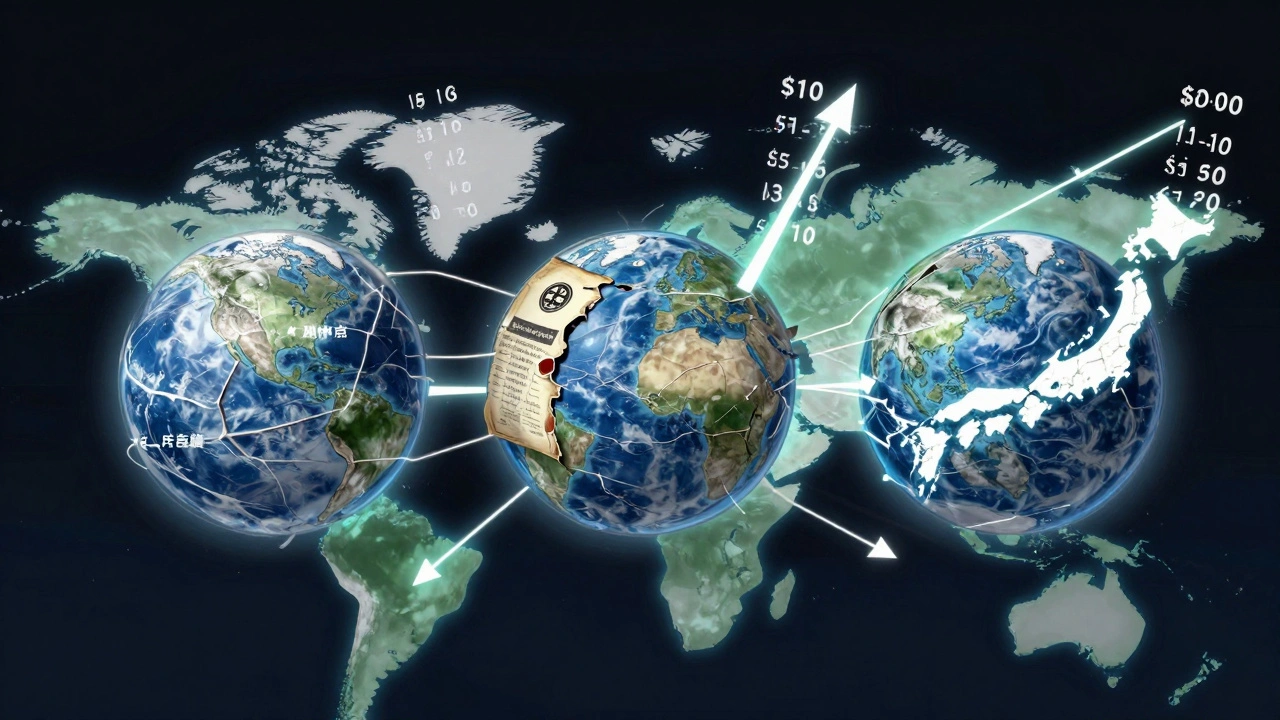
Games sell for more in Japan than in the U.S. A sealed Japanese copy of Super Mario Bros. 2? It’s worth half as much as the U.S. version because it’s common. But a Japanese version of Super Mario All-Stars with the original box and manual? That’s rare. Why? Because Nintendo never released it outside Japan. Auction catalogs rarely say this. You have to know it. That’s why collectors keep multiple guides. The Arcade Videogame Collectors Field and Price Guide tracks sales from auctions, flea markets, and private deals across North America, Europe, and Asia. It’s the only resource that shows you how prices shift by region. A game worth $1,500 in Portland might sell for $4,000 in Tokyo.
Don’t trust the photos
Auction catalogs show one angle. One perfect shot. That doesn’t mean the game is flawless. A cartridge might look clean, but the label underneath could be peeling. The box might look intact, but the spine could be cracked. The manual might look complete, but pages 12-15 could be missing. You can’t see that from a photo. That’s why experts always ask for condition reports. If the catalog says "no photos of the manual available," that’s a warning. If it says "box shows minor wear," that’s a red flag. The best collectors don’t bid on photos. They ask for detailed condition reports before they even look at the auction.
Know what’s coming next
Auction houses don’t just list games-they predict trends. Heritage Auctions releases quarterly reports showing which games saw the biggest price jumps. In 2025, the top three were: 1) EarthBound (SNES), 2) Streets of Rage 2 (Genesis), and 3) Super Mario 64 (N64). Why? Because streaming and nostalgia hit hard. If you’re tracking these reports, you can get ahead of the curve. A game that jumped 120% last quarter? It’s likely to keep rising. A game that’s been flat for two years? It’s not going anywhere. The catalog is just the surface. The real value is in the data behind it.
Start small. Build your pattern library.
You don’t need to buy a $100,000 game to learn. Start with auctions under $500. Watch how the same game sells across three different catalogs. Note the grade. Note the condition notes. Note the final price. Do this for 20 games. You’ll start seeing patterns. A game with a WATA 9.0 always sells 30% higher than a 8.8. A game with a factory-sealed manual always outsells one without. You’ll learn what to ignore-and what to chase. The best collectors aren’t lucky. They’re methodical.
How do I know if a game’s grade is accurate?
Only trust grades from WATA, VGA, or CGC. These companies have strict standards and publicly list their grading criteria. A game graded by an unknown company or "seller’s assessment" is risky. Check the certification number online-each one links to a public database with photos of the exact item. If the catalog doesn’t provide the number, walk away.
Can I trust auction estimates as buying guides?
Yes, but only if you compare them to past sales. Heritage Auctions publishes their sale records publicly. Use those to see if a game consistently sells above or below its estimate. A game that always sells 50% over its high estimate is a strong buy. One that barely reaches its low estimate is a weak one. Estimates are tools, not promises.
What’s the difference between a "sealed" and "factory sealed" game?
"Sealed" just means the box hasn’t been opened. "Factory sealed" means the plastic wrap was applied at the factory and hasn’t been tampered with. Factory-sealed games are worth 3-5x more. Many sellers mislabel their games. Always look for the manufacturer’s seal stamp on the plastic. If it’s missing, it’s not factory sealed.
Are retro game values going to crash?
No-not for the rare, well-graded titles. The market for WATA 9.0+ games has been steadily rising since 2020. The bubble was in the $100-$500 range, where people bought games as investments without knowing their history. The real market, for certified, high-grade, rare games, is still growing. The 2025 auction records show record sales for 1980s and 1990s titles. Demand is outpacing supply.
What’s the best way to start collecting based on auction catalogs?
Pick one console-like the NES or Genesis. Learn its top 10 rare games using a guidebook. Then, watch three auctions over six months. Note which ones sell for more than expected. Buy one low-cost, high-grade example to start. Don’t chase the most expensive game. Chase the one with the clearest value pattern. That’s how you build expertise.