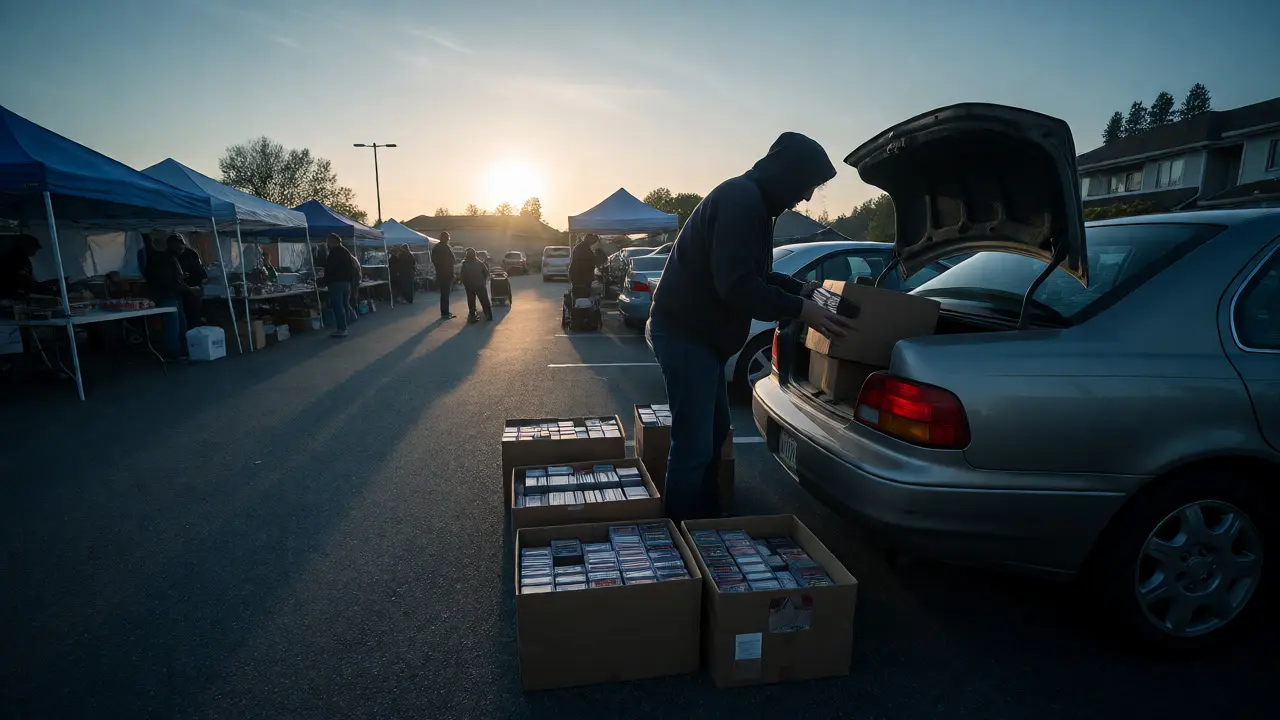
You’ve probably heard the horror stories: you arrive at a swap meet at 10 AM, and the best NES cartridges are already gone. The seller packed up an hour ago because they sold out of everything worth buying. Or worse, you find that rare SNES RPG for $20, but it’s missing its manual, and the seller wants full price anyway. If you’re serious about building your retro library without draining your savings, showing up late is a losing strategy.
The secret isn’t just waking up early-it’s knowing exactly what time to show up, which vendors to target, and how to read the room before the first dollar changes hands. Here’s how I consistently score underpriced gems at local swap meets, whether you’re hunting for Sega Genesis classics or obscure TurboGrafx-16 titles.
Why Early Bird Really Does Get the Worm (And the Rare Game)
Most people think swap meets are all-day events. They’re not. For serious collectors, the action happens in the first 90 minutes. Vendors set up between 7:00 and 8:30 AM depending on the venue. By 9:30 AM, the casual browsers arrive, and prices start creeping up as sellers see interest. By noon, half the good stuff is gone, and what’s left is often overpriced leftovers.
I learned this the hard way in Portland. I used to roll in at 10 AM thinking I had plenty of time. One Saturday, I missed a complete-in-box Chrono Trigger for $45 because I was still eating breakfast. Someone else bought it at 8:45 AM. That single miss cost me nearly $100 compared to current market rates. Now I’m there when the gates open.
Early arrival gives you three advantages:
- Fresh inventory: Sellers haven’t picked through their own stock yet. You might find a hidden gem buried under a pile of common games.
- Lower negotiation leverage for sellers: Vendors are tired from setup and eager to make sales. They’re more willing to take lower offers before crowds build.
- Time to inspect: You can test cartridges, check for battery leaks, and verify completeness without rushing while others hover behind you.
Nailing the Timing: When Exactly Should You Arrive?
“Early” means different things at different venues. A massive regional swap meet like the one at the Los Angeles Convention Center operates differently than a small community center event in Beaverton. Always check the vendor setup schedule, not just the public opening time.
| Venue Size | Vendor Setup Starts | Public Opens | Your Target Arrival |
|---|---|---|---|
| Small Community (<50 vendors) | 7:00 AM | 8:00 AM | 7:45 AM |
| Mid-Size Regional (50-150 vendors) | 6:30 AM | 8:00 AM | 7:30 AM |
| Large Expo (>150 vendors) | 6:00 AM | 9:00 AM | 8:00 AM |
Pro tip: Call ahead or check social media pages for specific vendors who specialize in retro games. Some won’t even unpack until you ask. I once waited twenty minutes for a guy to pull a box of Neo Geo AES cartridges from his trunk. Those extra minutes netted me two rare fighters for half retail.
Identifying the Right Vendors Before You Buy
Not every table at a swap meet sells quality retro games. Many are resellers dumping bulk lots from estate sales with zero knowledge of what they’re holding. Others are seasoned collectors who know exactly what they have. Your job is to spot the difference fast.
Look for these signs of a knowledgeable vendor:
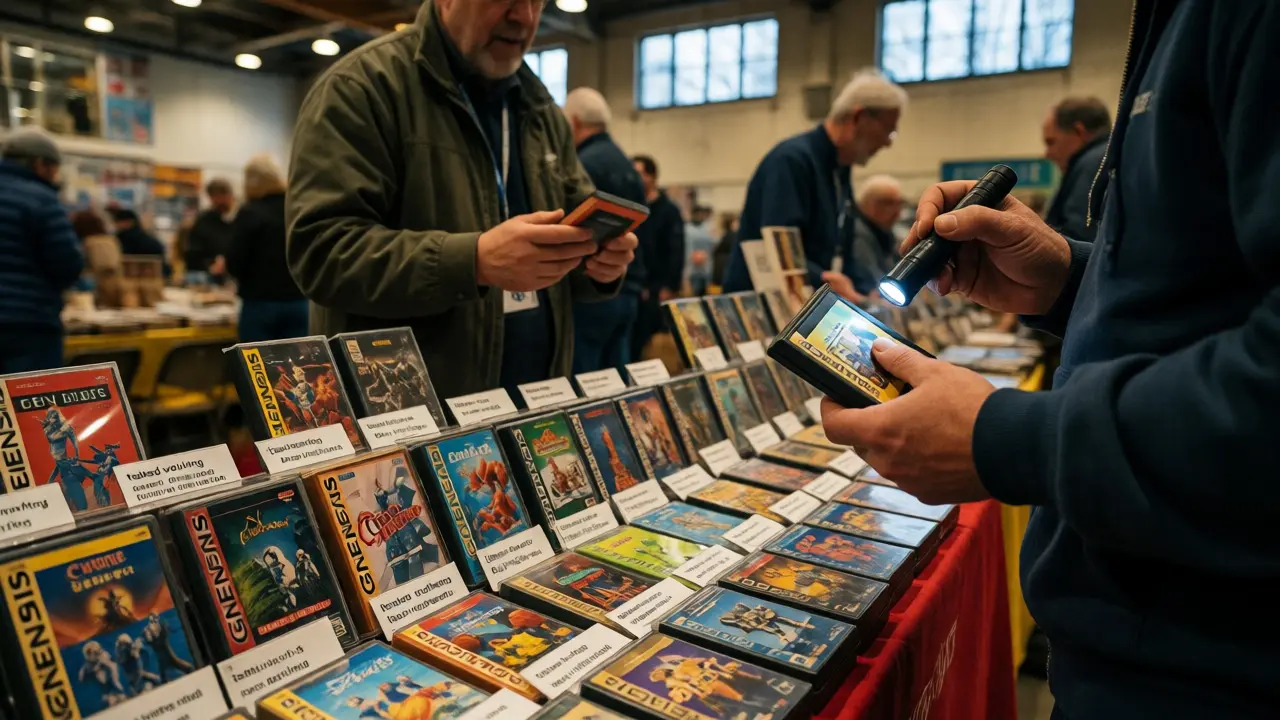
- Categorized displays: Games sorted by console, genre, or rarity indicate care and expertise.
- Condition notes: Sellers who label “tested working,” “battery replaced,” or “missing manual” are honest and informed.
- Pricing consistency: If a common Sonic the Hedgehog costs $5 and a rare EarthBound costs $80, they understand value. If both are $20, walk away-they don’t know what they have.
Avoid tables with chaotic piles where games are mixed across systems. You’ll waste time digging, and you’ll likely pay too much for common titles because the seller assumes everything has equal value.
The Art of the Early-Bird Negotiation
Buying early doesn’t mean paying asking price. In fact, early buyers have better negotiating power because sellers want quick cash flow to fund restocking or other purchases. But you need to negotiate smartly.
Here’s my three-step approach:
- Browse silently first. Walk the entire floor before making any offers. This prevents emotional buying and lets you compare prices across vendors.
- Ask questions, not just prices. Saying “Has this been tested?” signals you’re a serious buyer, not a haggler trying to lowball blindly. Sellers respect informed customers.
- Offer bundle discounts. Instead of negotiating one game down, pick three titles from the same vendor and offer a package deal. Sellers prefer moving multiple units quickly over squeezing pennies from single sales.
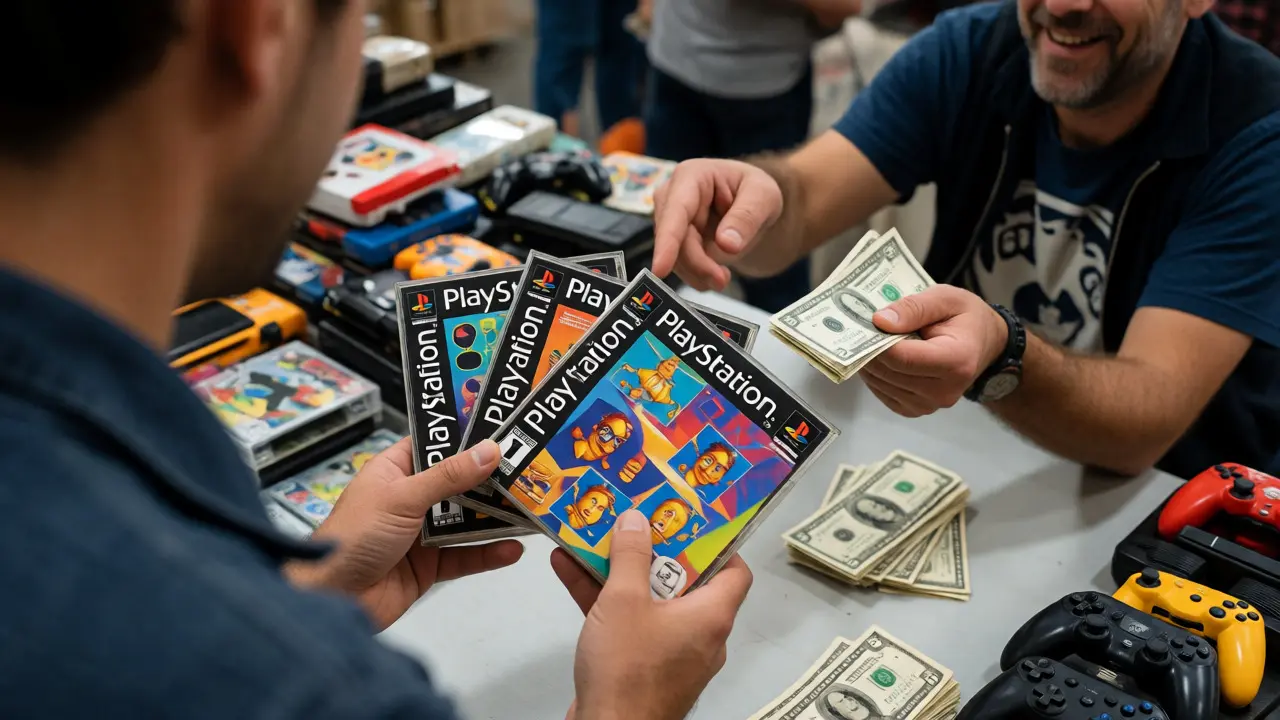
For example, last month I found three PlayStation 1 classics totaling $45 individually. I offered $30 for all three. The seller agreed instantly because he wanted to lighten his load before lunch rush. I saved 33%.
Spotting Hidden Gems in Plain Sight
Some of the best deals aren’t obvious. Sellers sometimes misprice games due to lack of knowledge or simple oversight. Learning to spot undervalued titles takes practice, but here are common patterns:
Misidentified regions: A Japanese-only title mistaken for a US release. Check the cartridge label language. Sometimes sellers assume all imports are worthless when some niche JRPGs command high prices.
Incomplete sets treated as loose: If a game comes with its original box but no manual, many sellers price it as loose. But if the box itself is rare (like certain Nintendo 64 releases), the box alone adds significant value.
Bulk lot outliers: Sellers often dump 20-game lots for flat rates. Occasionally, one rare title hides among nineteen commons. Calculate the average price per game-if it’s below $3, dig deeper. You might uncover a $50+ title hiding in plain sight.
Essential Gear for Successful Swap Meet Hunting
You don’t need fancy equipment, but a few items save money and headaches:
- Flashlight: Swap meets are often poorly lit. A small LED helps spot cracks, water damage, or faded labels.
- Cartridge cleaner kit: Bring isopropyl alcohol and cotton swabs. Cleaning contacts on-site proves you’re serious and helps verify functionality.
- Price reference app: Use apps like PriceCharting or eBay’s sold listings filter to check real-time values. Don’t rely on memory-prices fluctuate weekly.
- Small cash bills: Break $100 into $5s and $10s. Sellers appreciate exact change and may offer better deals to avoid running out of small bills.
Also, wear comfortable shoes. You’ll be walking miles, crouching, and standing for hours. Comfort keeps you focused longer, increasing your chances of finding that perfect copy.
What to Do After You Buy
Don’t just toss games in your bag and drive home. Inspect each purchase immediately if possible. Test batteries, check for corrosion, and verify manuals are present. If something’s wrong, go back to the seller right then. Most will refund or exchange if you catch issues within minutes.
Once home, clean and catalog your finds. Take photos, note condition, and track purchase prices. This record helps future negotiations and shows profit potential if you ever decide to sell duplicates.
Finally, share your wins. Post photos in local retro gaming groups online. Not only does it build community, but other collectors might tip you off to upcoming swap meets or private sales you’d otherwise miss.
Do I need to bring cash to every swap meet?
Yes, absolutely. While some larger vendors accept Venmo or PayPal, most individual sellers operate on cash only. Plus, cash gives you stronger negotiating power since sellers avoid processing fees. Always bring more than you plan to spend-you never know what you’ll find.
How do I know if a game is actually tested working?
Ask directly and watch the seller’s reaction. Honest vendors will plug it in right there if they have a console on hand. If they hesitate or say “I think so,” treat it as untested unless priced accordingly. Never pay full price for unverified claims.
Are online prices reliable for swap meet negotiations?
Use them as guides, not gospel. Online completed sales reflect national averages, but local demand varies. A game popular nationally might be oversupplied locally, lowering its fair swap meet price. Conversely, region-specific favorites might fetch higher local rates. Adjust expectations based on your area’s collector base.
What if I buy a game and later realize it’s fake?
Return it immediately if you notice counterfeit shells, incorrect PCB boards, or mismatched labels. Reputable swap meets have return policies, especially if you bought within the hour. Keep receipts or note the vendor’s name. Fake carts are rare but happen, particularly with high-value titles like EarthBound or Pokémon versions.
Should I focus on loose games or complete-in-box copies?
Depends on your goal. Loose games are cheaper and great for playing. Complete-in-box copies hold value better and appeal to display-focused collectors. For investment purposes, CIB tends to appreciate faster. For pure nostalgia and gameplay, loose works fine if the cartridge is clean and functional.