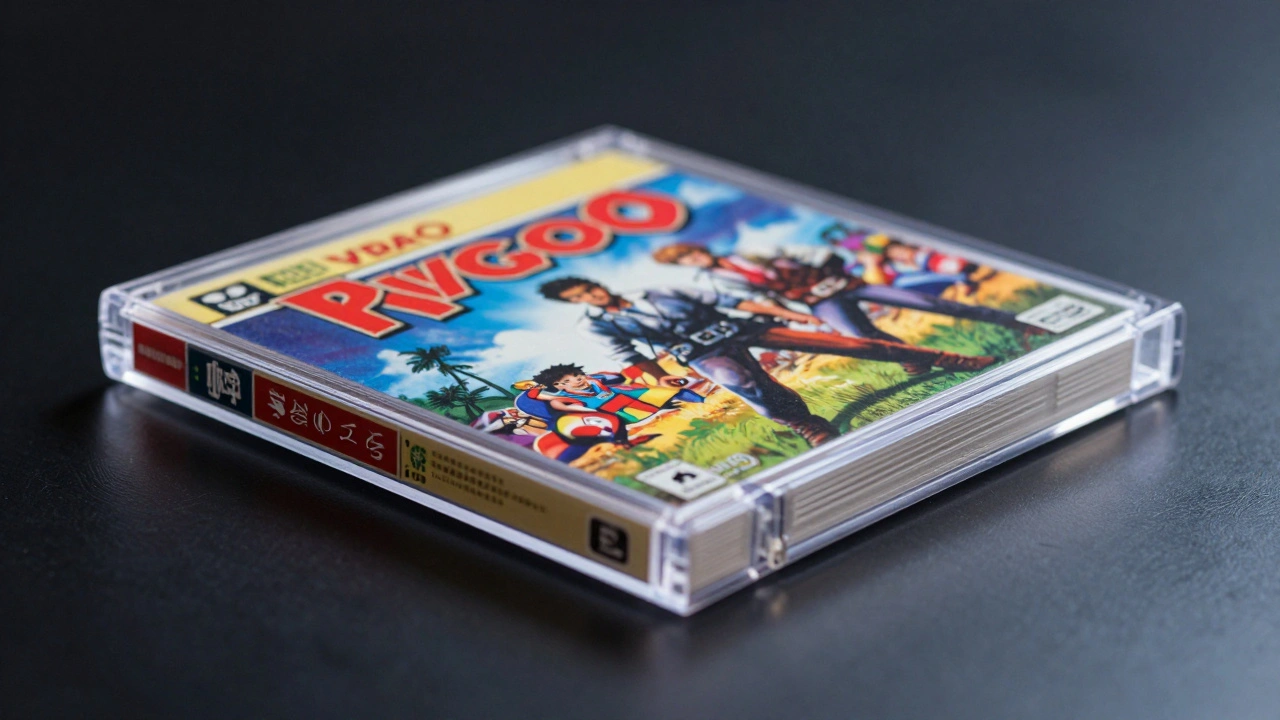
Winning a rare, graded game at auction is a rush, but the moment the hammer falls, a new stress kicks in: getting that item home without it disappearing or getting crushed in a sorting facility. If you just bought a copy of EarthBound or a sealed Stadium Events, you aren't just shipping a piece of plastic-you're moving a high-value financial asset. The biggest mistake collectors make is assuming that paying for "declared value" with a major carrier means they are actually covered. In reality, many carriers have hidden ceilings that can leave you staring at a massive loss despite paying extra fees.
The Trap of Carrier Declared Value
Most people naturally turn to the big names like FedEx or UPS. You pay a surcharge-usually between $1.05 and $1.90 per $100 of value-and you feel safe. But here is the catch: carriers differentiate between "declared value" and "insurance." Declared value is essentially a limit on the carrier's liability, not a comprehensive insurance policy.
For high-end collectibles, carriers often impose strict category limits. For instance, FedEx may cap declared value for collectibles at $1,000. If you ship a $5,000 game in a FedEx Pak, you might be capped at only $500, regardless of what you paid in surcharges. They'll take your money for the higher value, but when it comes time to file a claim, they'll point to the fine print and pay you the category limit. That's a heartbreaking gap to find out about after your package goes missing.
Furthermore, carrier liability is narrow. If a package is delivered to your porch and stolen ten minutes later, the carrier considers their job done. They won't cover "porch piracy." They also won't pay out if they decide your packaging wasn't "sufficient," a vague term that gives them a lot of room to deny claims.
Why Third-Party Specialty Insurance is the Better Bet
If your auction win is worth more than $1,000, it's time to look past the shipping label and toward specialty providers like Parcel Pro or UPS Capital. These services aren't just slightly better; they are fundamentally different.
Specialty insurance typically offers "all-risk" coverage. This means you don't have to prove the carrier was negligent to get paid; you just have to prove the item was lost or damaged. The coverage limits are also significantly higher, often reaching $150,000 per package, compared to the $50,000 ceiling often found with standard carrier-affiliated options. Most importantly, many of these policies cover the "last mile," including theft after delivery, which is a huge blind spot for standard shipping.
| Feature | Carrier Declared Value | Third-Party Specialty Insurance |
|---|---|---|
| Typical Cost | Higher ($1.05-$1.90 per $100) | Lower (50%-80% cheaper) |
| Claim Payout Speed | Slow (30-90 days) | Fast (7-10 days) |
| Porch Theft Coverage | Generally No | Often Yes |
| Max Coverage Limit | Low (Category caps often < $1k) | High (Up to $150,000) |
| Claim Process | Multi-step/Manual | Paperless portals |
Integrating Collection-Wide Coverage
Shipping insurance protects the item while it's moving, but what happens the moment it hits your shelf? This is where collectibles insurance comes into play. Using a provider like Distinguished allows you to protect your entire library under one policy. This is separate from your homeowner's insurance, which is critical because a claim for a rare game won't spike your home insurance premiums.
One of the best features for auction buyers is the "automatic coverage" window. Some specialized policies automatically cover newly acquired items for up to 90 days, often up to 25% of your total policy limit. This gives you a breathing room to get the item home and properly catalog it before you have to officially update your policy and pay the additional premium.
When valuing these items, look for policies that offer "market value" or "agreed value." Since the video game market can be volatile-with prices for certain titles jumping 20% in a few months-having a policy that tracks the current market value ensures you aren't underinsured when it's time to make a claim.
Practical Steps for Post-Auction Logistics
To ensure you are fully protected, follow this workflow after your winning bid:
- Confirm Auction House Services: Ask the auction house if they provide integrated insurance. Many professional houses have pre-negotiated rates with specialty shippers that are cheaper and more reliable than what you can find as an individual.
- Document Everything: Before the item is shipped, get a high-resolution condition report and photos. If you're the seller, document the packing process (photos of the bubble wrap, the box, and the seal). This is your primary evidence if you need to file a claim for damage.
- Choose Your Layer: If the item is under $500, carrier declared value is likely fine. For anything over $1,000, go with third-party specialty insurance.
- Verify the Transit Gap: Ensure your coverage starts the moment the item leaves the auction house and doesn't end until it's inside your home.

Common Pitfalls to Avoid
Don't fall for the "over-packing" myth. While you want your game safe, excessively large boxes with too much empty space can actually lead to more damage if the box is crushed. Use snug, professional-grade materials. Also, avoid using "hidden" addresses or vaguely named shipping labels that scream "VALUABLE COLLECTIBLE INSIDE." Keep it discreet.
Another mistake is ignoring the valuation of the accessories. If you won a bundle that includes a rare console, original cables, and a signed manual, insure the total replacement cost of the set, not just the main game. In the eyes of an insurer, a missing original manual can drop the value of a set by thousands of dollars.
Does my homeowners insurance cover my rare video games?
Usually, no. Standard homeowners policies have very low limits for "collectibles" or "personal property" and often exclude high-value items unless you add a specific rider. Even then, filing a claim through homeowners insurance can increase your monthly premiums for your entire house. A separate collectibles policy is much safer and more flexible.
What is the difference between a 'rider' and a separate policy?
A rider is an amendment to an existing policy (like your home insurance) to cover a specific item. A separate collectibles policy is a standalone contract. Standalone policies are generally better for high-value games because they offer specialized terms like "market value" adjustments and dedicated transit coverage that riders often lack.
How do I prove the value of a game for an insurance claim?
The best proof is a combination of the auction house's closing price, a professional grading certificate (like WATA or CGC), and a series of dated, high-resolution photos showing the condition. Maintaining a digital spreadsheet with these documents makes the claims process much faster.
Can I use third-party insurance if I'm using a standard USPS or UPS label?
Yes. Third-party insurance is separate from the shipping label. You pay the carrier for the postage and then pay the insurance provider for the coverage. If something happens, you file the claim with the insurance company, not the carrier.
What happens if the item is damaged but the box is intact?
This is where specialty insurance shines. While carriers often deny these claims by saying the packaging was sufficient (and therefore not their fault), "all-risk" specialty policies often cover internal damage as long as you can prove the item arrived in a condition different from the pre-shipping report.
Next Steps for Collectors
If you are just starting to build a high-value collection, start by auditing what you already own. Create a comprehensive inventory with current market prices. If your total value exceeds $5,000, it's time to move away from standard insurance and look into a professional collectibles policy. For your next auction win, don't just click "Standard Shipping"-reach out to the house and ask about their insurance partners, or set up an account with a third-party provider before the item even leaves the warehouse.