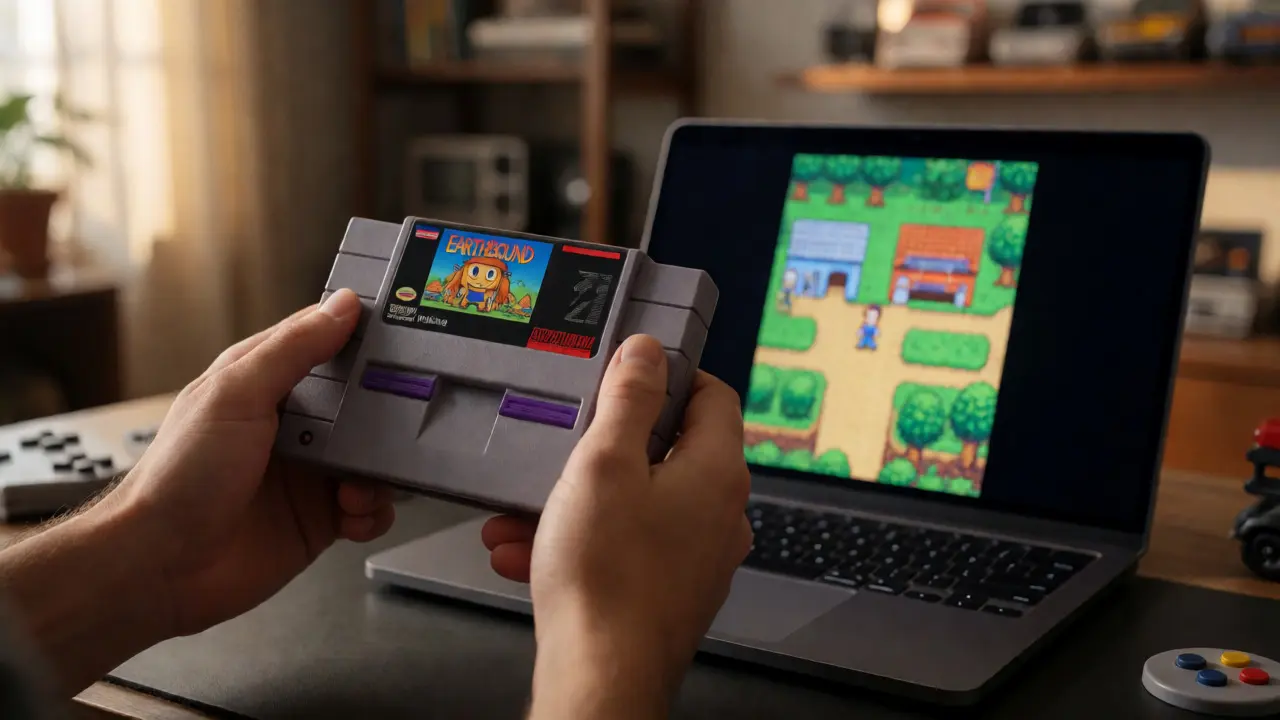
You just found a sealed copy of EarthBound on eBay for $400. You want to play it on your laptop without the hassle of original hardware, so you download a ROM file-a digital image of the game cartridge. But wait. Is that legal? Or are you accidentally becoming a pirate?
This is the question keeping every retro collector up at night. The internet is full of conflicting advice: some say "abandonware" means free-for-all, others threaten you with federal lawsuits. The truth sits in a messy gray area between copyright law, fair use doctrines, and practical enforcement realities. As a collector in Portland who has spent years hunting down obscure titles, I’ve learned that understanding the legal basics of ROMs and video game emulation isn't just about avoiding trouble-it's about preserving gaming history responsibly.
The Core Legal Framework: Copyright vs. Ownership
To understand why this is complicated, you need to grasp what you actually own when you buy a game. When you purchase a physical cartridge or disc, you own the plastic media, not the intellectual property inside it. The code, art, music, and story remain copyrighted by the publisher (like Nintendo, Sony, or Microsoft) until those copyrights expire-typically decades after creation.
Copyright Law grants creators exclusive rights to reproduce, distribute, and display their work. In the US, under the Digital Millennium Copyright Act (DMCA), breaking encryption on modern consoles can be illegal even if you own the game. However, older games often lack these digital locks, making copying technically easier but legally distinct.
Here’s the critical distinction: Downloading a ROM from the internet usually involves copying someone else’s file. If that person didn’t have the right to share it, you’re participating in unauthorized distribution. Ripping your own game, however, is different. Courts have generally viewed making a backup copy of software you already own as closer to fair use, especially if the original media degrades over time.
Myth-Busting: The "Abandonware" Loophole
Collectors love the term "abandonware." It sounds official, like a legal category where games go to die and become public domain. But here’s the hard truth: Abandonware is not a legal status. It’s a community term for software no longer actively sold or supported by its creator.
Just because Nintendo hasn’t released a new Mario game on NES since 1994 doesn’t mean they’ve waived their rights. They still hold the copyright. In fact, companies like Nintendo are notoriously aggressive about protecting their IP, frequently issuing takedowns against sites hosting classic titles.
Why does this matter? Because relying on "it’s abandonware" as your defense won’t hold up in court. If a publisher decides to re-release a title digitally (as many do now via Switch Online or PS Plus), suddenly that "dead" game is alive again, and unauthorized copies become direct competition.
The Fair Use Doctrine: Your Best Friend (and Worst Enemy)
Fair use is the most misunderstood concept in gaming law. It allows limited use of copyrighted material without permission for purposes like criticism, news reporting, teaching, scholarship, or research. For collectors, the argument hinges on Digital Preservation.
Libraries and archives argue that backing up obsolete media prevents cultural loss. A private individual ripping their own Game Boy Advance cartridge to play on an emulator while traveling might fit within a broad interpretation of fair use. But sharing that rip with 10,000 people online? That’s distribution, which weighs heavily against fair use.
| Factor | Collector Scenario | Legal Risk Level |
|---|---|---|
| Purpose & Character | Personal backup; non-commercial | Low |
| Nature of Work | Creative expression (game code/art) | Moderate |
| Amount Used | Entire game copied | High |
| Market Effect | No harm if user owns original | Low |
| Market Effect | Harm if downloading instead of buying | Very High |
Notice the pattern? The risk spikes when you don’t own the original. If you buy a used SNES cartridge and dump it yourself, you’re likely safe. If you download a ROM of a game you never bought, you’re replacing a sale, which hurts the market effect factor significantly.
Emulators vs. ROMs: Different Legal Beasts
A common confusion is lumping emulators and ROMs together. They are separate entities with different legal standings.
Emulators are software programs that mimic console hardware. Writing an emulator is generally legal because it’s clean-room engineering-developers study how a system works and recreate it using their own code. The Supreme Court case Sega v. Accolade established that reverse engineering for interoperability is permissible.
BIOS Files are trickier. These are small firmware files required by some emulators (like PlayStation or Dreamcast). Unlike game ROMs, BIOS files are proprietary code owned by the manufacturer. While courts haven’t definitively ruled on personal BIOS dumping, strict interpretation suggests you must extract them from a console you physically own.
So, installing RetroArch (an emulator frontend) is fine. Downloading a BIOS zip file from a random website? That’s a gray zone. Extracting it from your old PS1 via a memory card exploit? Much safer.
Practical Guidelines for the Ethical Collector
So, how do you navigate this without living in fear? Here’s a practical framework based on current legal trends and industry norms:
- Own the Physical Media: Always keep the original cartridge or disc. This proves you purchased the license. Store it safely; don’t sell it unless you delete the digital copy.
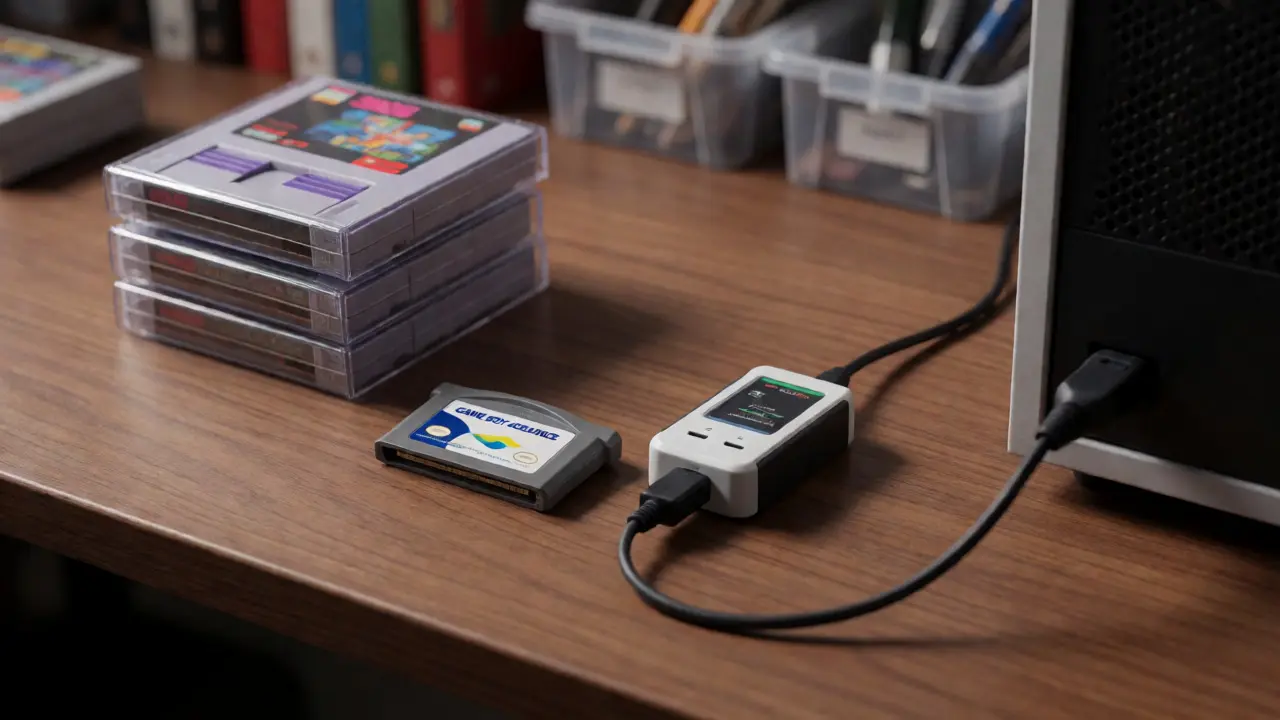
- Dump Your Own Games: Invest in a USB dumper (like a Retrode or Open Source Hardware dumper). Ripping your own collection ensures you aren’t distributing pirated content.
- Avoid Commercial Re-releases: If a game is currently being sold digitally (e.g., on Steam or GOG), avoid using an emulator for it. Buy the digital version to support developers.
- Don’t Share Large Archives: Uploading a folder of 500 N64 games to a cloud server accessible by friends looks like distribution. Keeping one file on your local drive is personal use.
- Respect Takedown Requests: If a site gets hit with a DMCA notice, expect links to break. Have your own backups ready.
Consider the example of Sonic the Hedgehog. Sega has been relatively lenient with fan projects compared to Nintendo. Yet, when fans created high-quality HD remasters, Sega sometimes shut them down to protect their upcoming official releases. Context matters more than rules.
The Future: Cloud Gaming and Subscription Models
The landscape is shifting. Services like Xbox Game Pass and PlayStation Now offer access to thousands of games for a monthly fee. This changes the economic argument for ROMs. Why download a 1998 RPG when you can stream it for $10/month?
However, subscription models come with risks. Games disappear from libraries. Servers shut down. If you rely solely on streaming, you lose control over your library. This reinforces the value of owning physical media and having local emulator backups. You’re not fighting the future; you’re hedging against it.
For collectors, the goal isn’t to beat the system. It’s to ensure that games like Final Fantasy VI remain playable long after the last CRT TV breaks. Understanding the legal basics of ROMs and video game emulation empowers you to preserve history without stepping into a courtroom.
Is it illegal to download ROMs if I own the game?
Technically, yes, downloading from third-party sites violates copyright laws regarding distribution. However, enforcement rarely targets individuals who own the original media. The safest legal route is to create your own backup copy (rip) from your physical cartridge or disc.
What is the difference between an emulator and a ROM?
An emulator is software that mimics a game console’s hardware, allowing games to run on different devices. A ROM is the actual game data file extracted from a cartridge or disc. Emulators are generally legal to write and use; ROMs are subject to copyright restrictions similar to the physical game itself.
Does the "Abandonware" rule make games free to use?
No. Abandonware is a colloquial term, not a legal one. Copyrights remain active regardless of whether a company is actively selling or supporting the product. Publishers retain the right to enforce their intellectual property at any time.
Can I get sued for playing emulated games?
It is extremely unlikely for individual users. Lawsuits typically target large websites or distributors hosting thousands of pirated files. Personal use of emulators for games you own is widely tolerated, though not explicitly codified as a universal right.
Are BIOS files legal to download?
BIOS files are proprietary firmware. Strictly speaking, you should extract them from a console you own. Downloading them from the internet is a gray area; while rarely enforced against individuals, it technically infringes on the manufacturer's copyright.