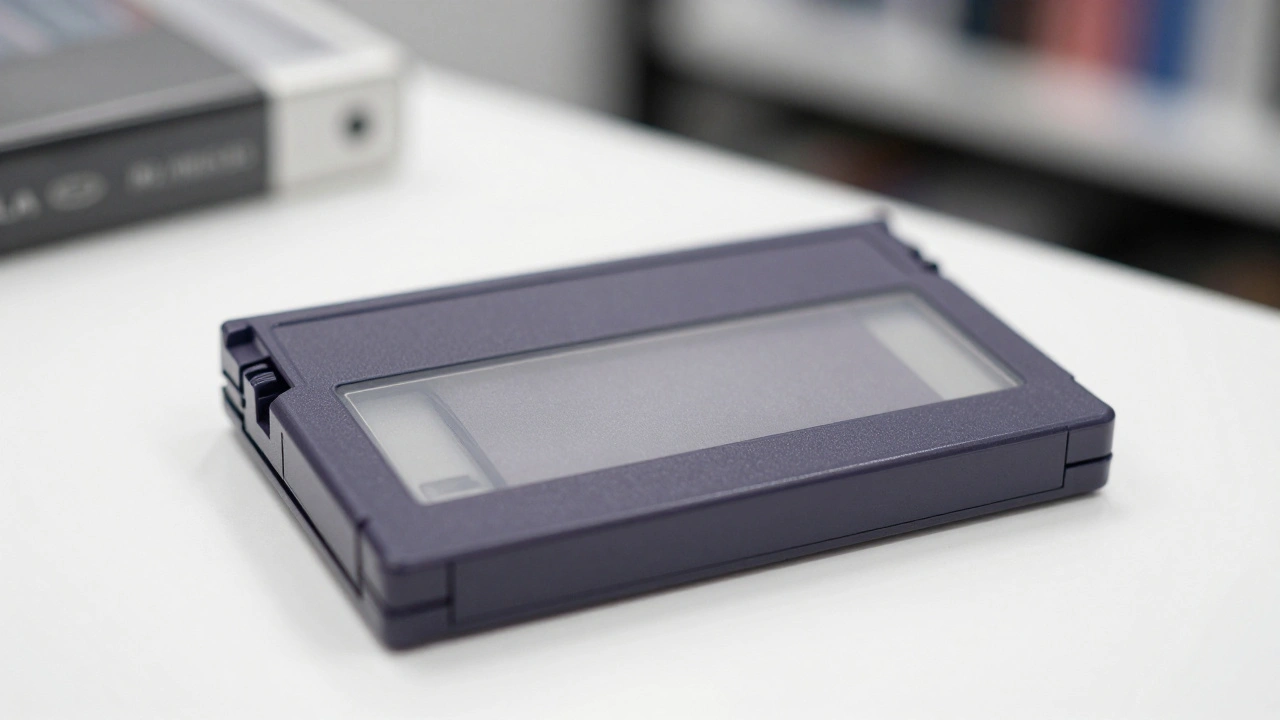
There is nothing worse than spending months tracking down a pristine copy of a rare game, only to watch it arrive at the grading company with a cracked corner or torn shrinkwrap. You did everything right until the moment you handed that package over to the carrier. Shipping raw video games to third-party graders like PSA, Professional Sports Authenticator, CGC Video Games, or Video Game Authority (VGA) requires more than just throwing them in a box and slapping on a label. These companies have strict standards because condition is everything. A single ding can drop your grade from a 10 to an 8, costing you thousands of dollars.
The goal here isn't just getting the game there; it's ensuring it survives the brutal reality of modern logistics. Packages get thrown, stacked under heavy loads, and rattled around in trucks for days. If you don't pack correctly, you are gambling with your investment. This guide breaks down the exact steps, materials, and techniques used by professional resellers and grading experts to keep your collection safe during transit.
Understanding the Risks: Why Games Get Damaged
Before you buy any tape or bubble wrap, you need to understand how packages fail. Most damage happens due to three specific forces: crushing, impact, and movement.
Crushing is the silent killer. Carriers often stack boxes on top of each other. Imagine a 100-pound pallet sitting directly on top of your small shipping box. If your inner packing material compresses completely, that weight transfers straight to your plastic cases. Without enough cushioning, the corners crack.
Impact occurs when boxes are dropped or tossed onto conveyor belts. If your game touches the side of the cardboard box, the shock travels directly into the case. You need a buffer zone between the game and the outer wall.
Movement causes internal collisions. If there are empty spaces inside your box, the games will shift during transport. When two hard plastic cases hit each other at speed, they chip. Even factory-sealed shrinkwrap can tear if the case flexes too much against another object.
Choosing the Right Box: Size and Strength Matter
Your first decision is the box itself. Never reuse a thin, worn-out Amazon box or a flimsy envelope. You need a new, sturdy corrugated cardboard box. Look for "double-wall" corrugated board if you are shipping multiple games or heavier collector's editions. Single-wall is okay for a single lightweight cartridge, but double-wall provides significantly better resistance to stacking pressure.
Size is critical. Do not choose a box that fits your games snugly. You want extra space for padding. A good rule of thumb is to select a box that is at least 3 to 4 inches larger than your bundle of games in every dimension. This ensures you can fit 2 to 3 inches of protective material on all sides-top, bottom, and four walls. If the box is too big, however, you risk the contents shifting, so finding the sweet spot is key.
Wrapping Techniques: Individual vs. Bundling
How you wrap your games determines whether they survive internal pressure. There is some debate in the community about wrapping individually versus bundling, but the consensus among high-volume shippers leans toward individual protection for high-value items.
Individual Wrapping: For sealed games or those worth significant money, wrap each case separately in bubble wrap. Use standard bubble wrap, not the ultra-thin kind. Wrap it loosely. Do not pull it tight. Tight wrapping acts like a vice, putting constant pressure on the case edges and potentially tearing delicate shrinkwrap. The wrap should hold the shape without deforming it.
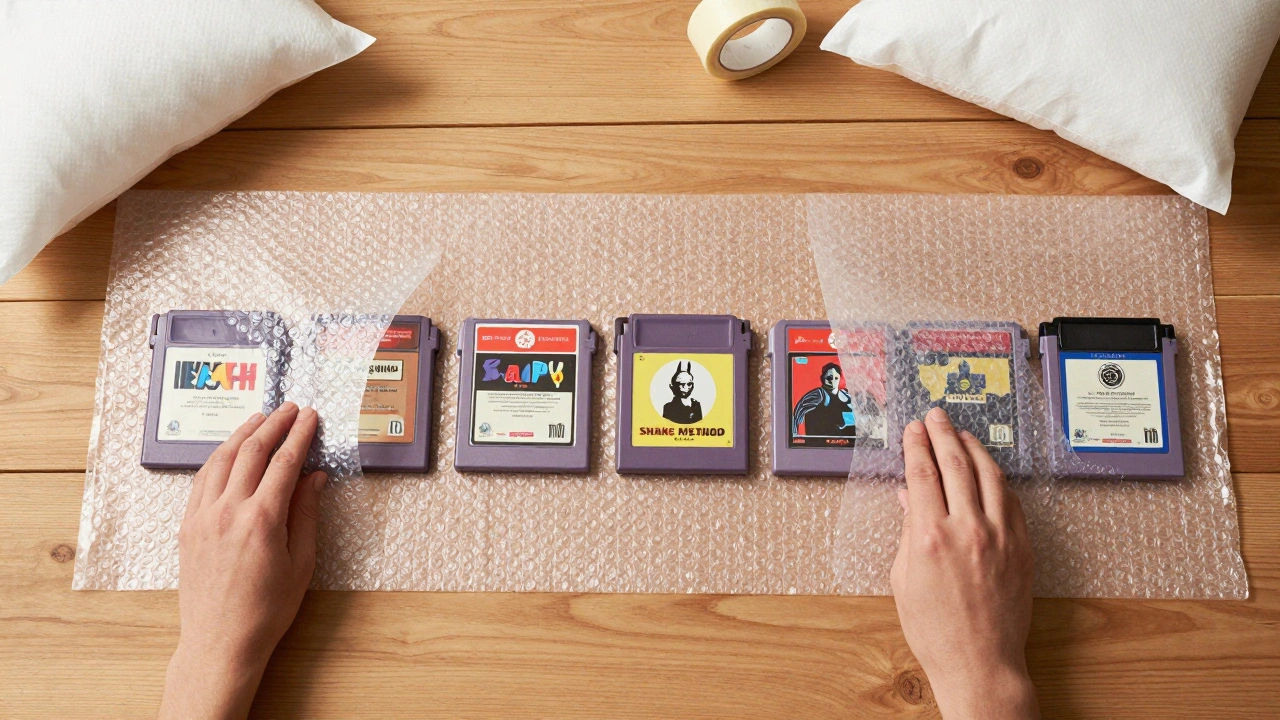
The Snake Method: If you are shipping a batch of loose, unsealed games, try the "snake method." Lay out a long strip of bubble wrap. Place one game, fold the wrap over it, place the next game next to it, and fold again. This creates a chain where each game has a layer of bubble wrap separating it from its neighbor. This prevents case-on-case chipping while saving time compared to wrapping every single item individually.
Moisture Barrier: Before adding bubble wrap, consider placing each game in a simple plastic sandwich bag or freezer bag. This adds a cheap layer of protection against dust, moisture, or accidental spills during handling. It also keeps the bubble wrap from sticking to glossy artwork.
Cushioning: Peanuts, Air Pillows, or Foam?
Once your games are wrapped, you need to fill the voids in the box. The goal is immobilization. Your games should float in the center, unable to move even if you shake the box vigorously.
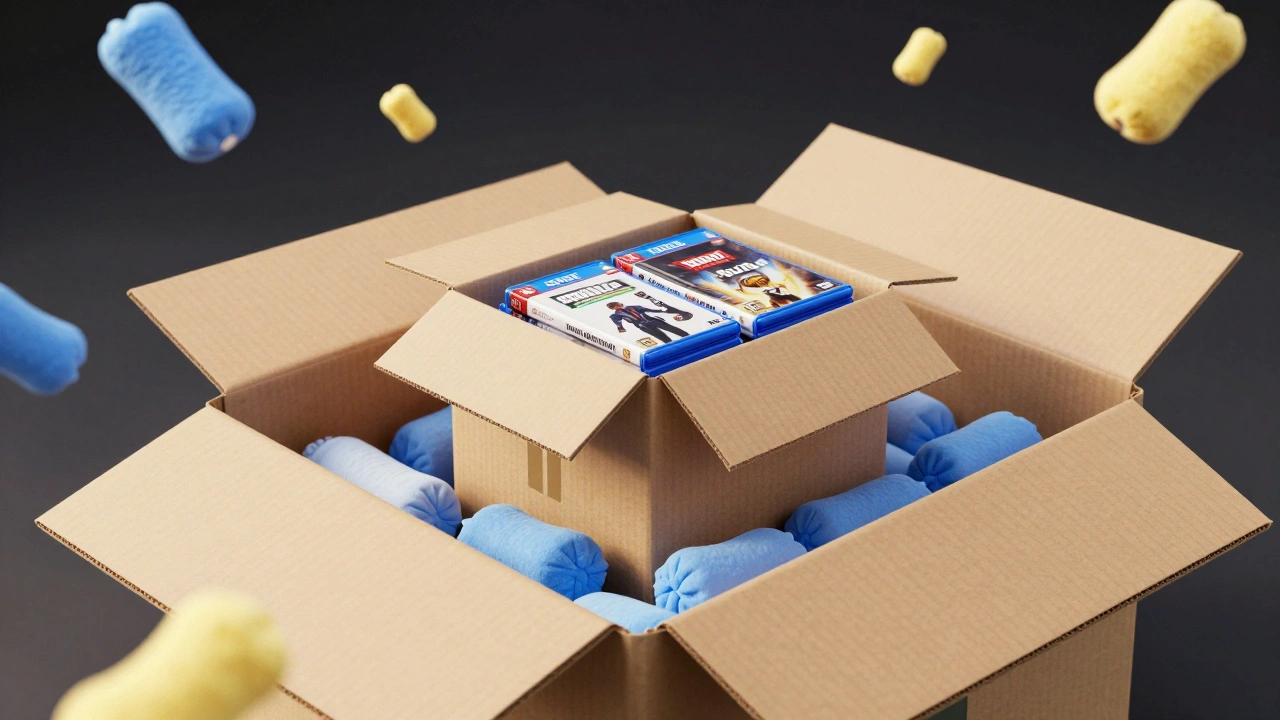
Packing Peanuts: Traditional polystyrene peanuts are still widely used because they flow into gaps easily. Pour 2 to 3 inches of peanuts into the bottom of the box before placing your wrapped games. After placing the games in the center, pour more peanuts around the sides and between bundles. Shake the box gently to let the peanuts settle. Fill the top until the flaps close easily. Do not force the lid down. If you have to push hard to close the box, you have used too many peanuts, and you are crushing your contents.
Air Pillows and Bubble Wrap Sheets: Many professionals prefer air pillows or large sheets of bubble wrap over peanuts. Peanuts can settle and shift over long distances, leaving gaps. Air pillows provide consistent, non-compressible cushioning. Line the bottom with a thick layer of bubble wrap, place your games, and fill the remaining space with inflated air pillows. This method often provides superior protection against vertical stacking pressure.
Avoid Packing Paper: Crumpled newspaper or plain packing paper offers almost no protection against heavy impacts. It crushes instantly under weight. Skip it unless you are using it as a very minor secondary layer.
The Golden Rule: Central Placement
No matter what materials you use, always place your wrapped games in the dead center of the box. They should not touch any of the six sides of the cardboard container. Aim for at least 2 inches of clearance between your game bundle and the nearest box wall. This buffer absorbs side impacts and drops. If your games are touching the box, you have failed the basic test of secure packing.
Sealing the Box: Tape Types and Patterns
Using the wrong tape is a common mistake. Never use Scotch tape, masking tape, or painter's tape on the outside of the box. These tapes lose their adhesive strength quickly due to temperature changes and friction. They will peel off, leaving your box open and vulnerable.
Use clear or brown packing tape that is at least 2 inches wide (48-50mm). Apply it securely across all seams. For the main center seam, use the "H-tape" method: one strip down the center, and one strip across each end flap. For high-value shipments, add a second diagonal strip for extra security. Some shippers use tamper-evident security tape, which shows a pattern if someone tries to open the box. This helps maintain the chain of custody, which is crucial for grading authenticity.
Inside the box, you can use lighter tape to secure your bubble wrap bundles, as this makes it easier for the grader to unwrap them without damaging the cases.
Double Boxing: When and How to Do It
If you are shipping extremely valuable items, such as sealed NES cartridges or limited-edition consoles, consider double boxing. This involves packing your games in a smaller, well-cushioned inner box, sealing it, and then placing that entire box inside a larger outer box with additional cushioning.
The inner box protects the games from direct impact. The outer box absorbs the shocks from drops and stacking. Leave 2 to 3 inches of space between the inner and outer boxes, filling it with peanuts or air pillows. This is the gold standard for international shipping or sending items worth thousands of dollars. It adds weight and cost, but it drastically reduces the risk of catastrophic damage.
| Material | Best Use Case | Pros | Cons |
|---|---|---|---|
| Bubble Wrap | Wrapping individual cases | Excellent impact absorption, customizable thickness | Can be bulky, static cling |
| Packing Peanuts | Filling voids in box | Flows into gaps, inexpensive | Settles over time, messy |
| Air Pillows | Void fill and bottom layer | Consistent cushioning, lightweight | Requires inflator, can pop |
| Packing Paper | Minor lining only | Eco-friendly, cheap | Zero impact protection, crushes easily |
Final Checklist Before Shipping
Before you hand your package to the carrier, run through this quick checklist:
- Did I photograph every game before packing? (Essential for insurance claims)
- Is each game wrapped individually or separated by bubble wrap?
- Are the games centered in the box with 2+ inches of clearance on all sides?
- Does the box close without forcing the flaps down?
- Have I used strong packing tape on all external seams?
- Is the address label clear and protected by a clear poly mailer or tape?
Shipping for grading is an investment in itself. Taking the extra 20 minutes to pack correctly can save you from heartbreak later. Treat your games as fragile treasures, not just merchandise, and they will arrive ready to be graded.
Should I wrap each video game individually or stack them together?
For high-value or sealed games, wrap each one individually in bubble wrap to prevent case-on-case damage and protect shrinkwrap. For lower-value loose games, you can use the "snake method" to wrap a chain of games with bubble wrap between each one, ensuring they don't touch directly.
Is double boxing necessary for shipping games to PSA or CGC?
Double boxing is not strictly required for domestic shipments of single low-value games, but it is highly recommended for high-value items, sealed collectibles, or international shipments. It provides an extra layer of protection against crushing and impacts during long-haul transport.
What type of tape should I use to seal my shipping box?
Use clear or brown packing tape that is at least 2 inches wide. Avoid Scotch tape, masking tape, or painter's tape, as these can fail under stress and temperature changes. Seal all seams securely, including the center and the ends of the box.
How much cushioning do I need inside the box?
You should aim for at least 2 to 3 inches of cushioning material (like packing peanuts or air pillows) on the bottom, top, and all four sides of your wrapped games. The games should float in the center and not touch the box walls.
Can I use packing paper instead of bubble wrap or peanuts?
No, packing paper alone does not provide sufficient protection against crushing or impact. It compresses easily under weight. Use bubble wrap for wrapping cases and peanuts or air pillows for void filling to ensure proper shock absorption.