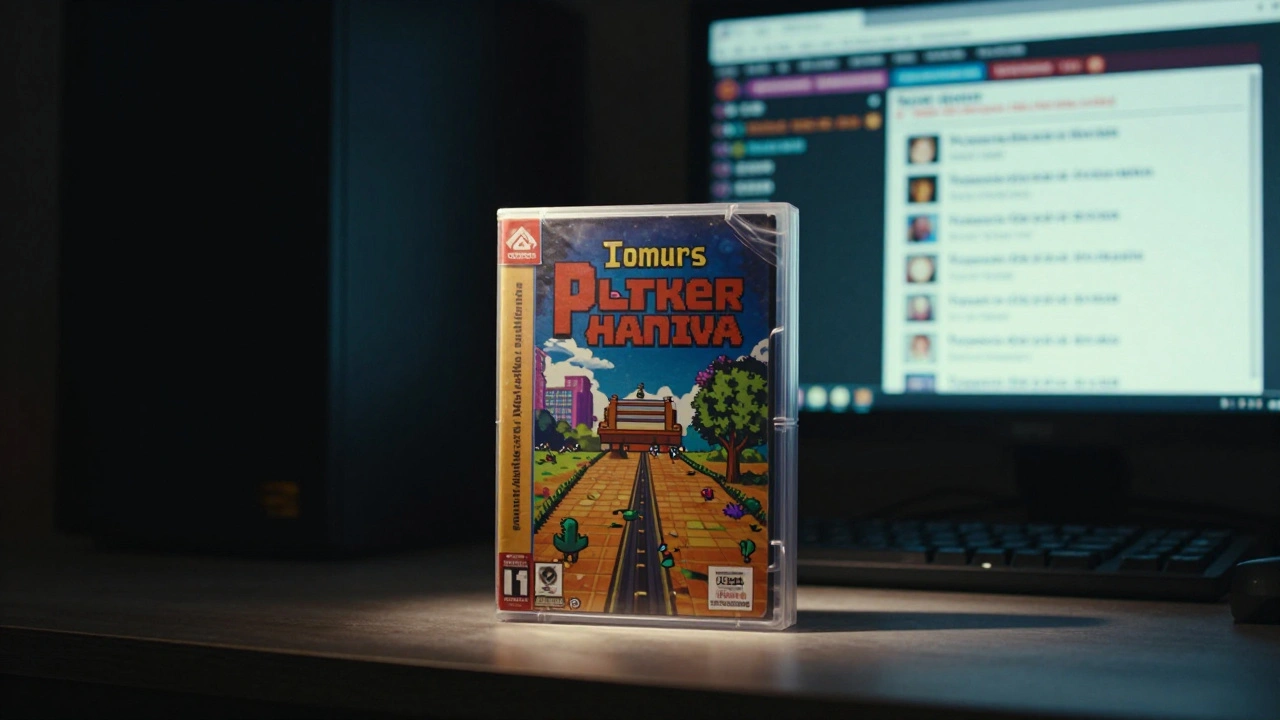
You've finally found that rare, sealed copy of a childhood favorite on an auction site. The bidding is heating up, and just as you're about to win, another bidder jumps in. Then another. Suddenly, the price is double what you expected. Is this genuine demand from other collectors, or are you being played? Shill Bidding is a form of auction manipulation where a seller or their associates place fake bids on their own items to artificially inflate the price. It creates a false sense of competition, tricking real buyers into paying way more than the item is actually worth.
If you're hunting for vintage consoles or rare RPGs, you're a prime target. High-value collectibles often have unpredictable pricing, making it easy for scammers to hide their tracks. The goal isn't always to "steal" your money in one go, but to spark a bidding war that drives the final price to a level the seller is happy with, regardless of the actual market value.
| Indicator | Shill Bidder Pattern | Genuine Buyer Pattern |
|---|---|---|
| Feedback Score | Very low (0-10) or brand new | Varied, often with a history of diverse buys |
| Seller Relationship | Bids almost exclusively with one seller | Bids across many different sellers/stores |
| Auction Range | Appears in many of the same seller's listings | Bids on a specific item or a few related ones |
| Bidding Style | Incremental raises to keep the price climbing | Strategic max bids or last-second jumps |
Analyzing the Bidder's Fingerprint
To catch a shill, you have to act like a detective. Most platforms, especially eBay is a global online marketplace that facilitates consumer-to-consumer and business-to-consumer sales through auctions and fixed-price listings , provide a public bid history. Don't just look at the price; look at who is driving it.
Start with the feedback. A bidder with a score of 2 who is suddenly fighting you for a $500 copy of EarthBound is a red flag. While some new users are just starting their collection, shill accounts are often created specifically for one purpose: to pump up a specific auction. Once the item sells, the account goes dormant.
The real "smoking gun" is the activity concentration. If you click on a bidder's profile and see that 90% to 100% of their bidding activity is concentrated on a single seller, you're likely looking at a shill. A real collector might buy three or four things from one great seller, but they rarely spend their entire bidding life in one single store. If someone has bid on 20 different items from the same seller, the odds they are a genuine customer are slim to none.
Benchmarking Real Market Value
Price manipulation works because it creates a false perception of scarcity. When you see four people bidding on a game, your brain tells you, "This is a hot item; I need to bid higher to win." To fight this, you need a baseline of truth.
Before you place a single bid, use the "Sold Listings" filter. Don't look at what people are *asking* for-look at what people actually *paid*. For video games, this is critical because condition is everything. A "Good" condition cartridge is worth significantly less than a "CIB" (Complete In Box) copy. Filter your search by the exact condition grade of the item you're eyeing.
If the average sold price for a game is $150, but the active auction you're watching has jumped to $300 with a series of small, incremental bids from a low-feedback user, you're witnessing price manipulation in real-time. The shill is essentially "testing the waters" to see how high you're willing to go.

The Psychology of the Bidding War
Shills rely on your emotions. They want you to feel the "thrill of the chase." By raising the price by the smallest possible increment right after you bid, they provoke you into a competitive state. You stop thinking about the game's value and start thinking about winning.
This tactic is especially common in private auctions. In public auctions, the transparency of bid history allows you to spot patterns. However, in private formats, bidder identities are often hidden. This lack of visibility is why you'll often see higher final prices in private settings-the shills can operate in the shadows without fear of being audited by a savvy buyer.
How to Bid Without Getting Played
You can still win the game without falling into the shill trap. The best defense is a strategy called "sniping." Instead of bidding back and forth throughout the week, wait until the very end. Place your absolute maximum bid-the highest amount you are truly willing to pay-within the last 5 to 10 seconds of the auction.
This approach does two things. First, it prevents the shill from having time to respond to your bid. If the auction ends 2 seconds after your bid, the seller can't just click "bid" again to push the price up. Second, it removes the emotional escalation. You've decided your price in advance, and you stick to it.
If you suspect a seller is using shills to inflate prices, you can also try a direct approach. Send a message offering the seller your maximum price as a "Buy It Now" option before the auction ends. Sometimes, a seller who is desperate for a guaranteed sale will take a fair, immediate offer over the gamble of a manipulated auction.
Is shill bidding illegal?
In many jurisdictions, shill bidding is considered a form of fraud or deceptive trade practice. While it may not always result in criminal charges for small items, it is a direct violation of the Terms of Service on almost every major auction platform, including eBay, and can lead to permanent account suspension.
Can't sellers just have a lucky streak with high bidders?
Yes, it's possible. That's why one red flag isn't enough to prove shill bidding. You need a cluster of evidence: low feedback AND high activity concentration with that specific seller AND a price significantly above historical sold data. If only one of these is present, it might just be a competitive market.
What should I do if I think I've been shilled?
Collect your evidence. Take screenshots of the bid history and the bidder's profile showing their activity concentration. Use the platform's reporting tool to flag the seller for "shill bidding." While it's hard to get your money back after a win, reporting helps the platform ban the accounts and protects other buyers.
Do professional auction houses use shills?
Some high-end houses use "reserve prices" which are legal and transparent. However, the practice of a "house bid" to push prices up is generally frowned upon and often illegal if not disclosed. Always prefer houses that provide full transparency into the bidding process.
How can I tell the difference between a shill and a "power buyer"?
A power buyer has a massive feedback score and buys from hundreds of different sellers across various categories. A shill typically has a narrow focus. If the bidder is buying rare games from ten different top-rated sellers, they're a collector. If they're only buying from one guy, they're likely a shill.
Next Steps for Safe Collecting
If you're new to the world of high-end game collecting, start by building a "price book" of your own. Track the last 10 sales of the items you want using tools like PriceCharting or the eBay sold filter. When you have a firm grasp of the real numbers, the psychological tricks used by shills lose their power.
For those who find auctions too stressful, consider moving toward fixed-price listings or verified collectibles stores. You might pay a slight premium for the convenience, but you eliminate the risk of being manipulated by an invisible bidder. Remember, the best deal isn't the one where you "win" the auction-it's the one where you pay a fair market price for a quality item.