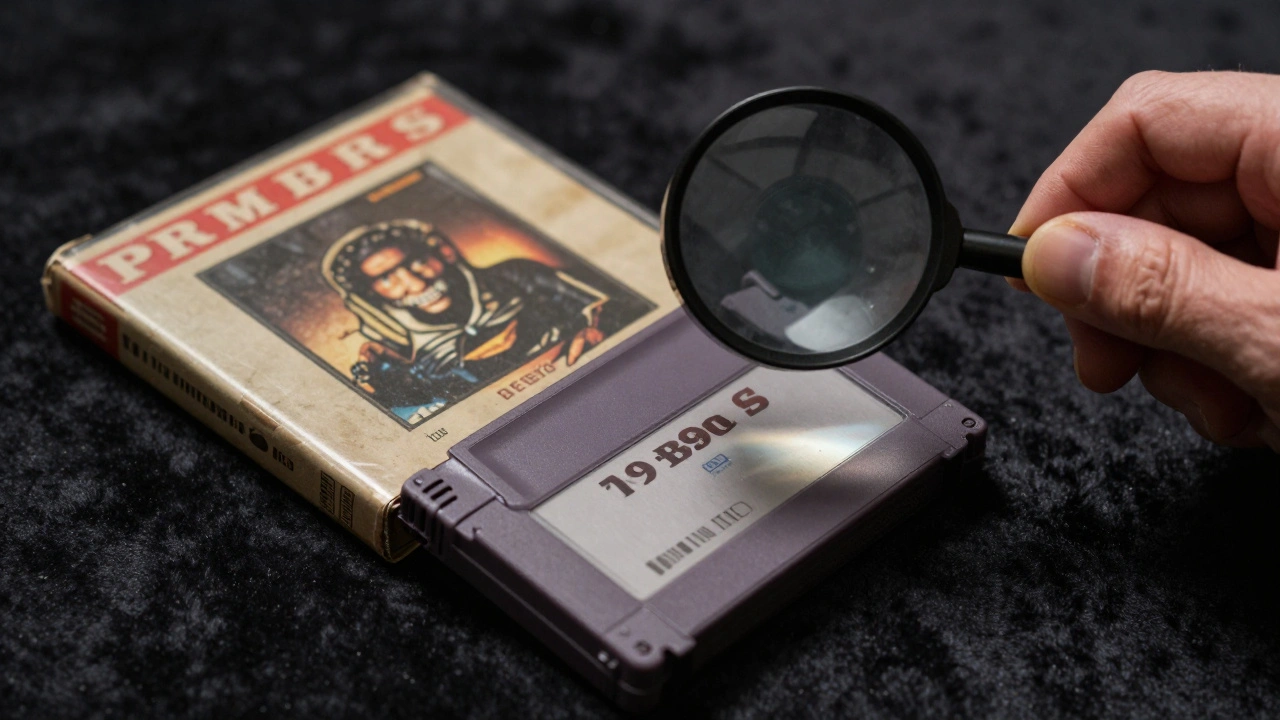
Imagine spending months hunting down a mint-condition copy of EarthBound, only to find that three different experts give it three completely different scores. For many collectors, this is the current reality. The world of high-end gaming nostalgia has shifted from a hobby into a legitimate asset class, but the infrastructure supporting it is still in the "Wild West" phase. We have the passion and the money, but we lack a unified language for quality.
The core problem is that we are relying on a fragmented system of private companies to decide what "mint" actually means. While we have a robust system for movie ratings or game content, the physical state of a cardboard box from 1992 is currently subject to the internal logic of whoever happens to be holding the magnifying glass. If the industry wants to move from a niche obsession to a stable market, it has to solve the standardization gap.
The Current Clash of Grading Titans
Right now, the market is split between a few heavy hitters, each with their own rulebook. VGA (Vintage Game Authority) is a major player that uses a complex 100-point scale. They break things down into tiers like Gold, Silver, and Bronze. If you have a game in a Gold tier, you're looking at the top end of the spectrum, but the nuance between a 95 and a 90 can feel arbitrary to a casual observer. Their process is rigorous, involving Junior graders for initial documentation and Senior graders for the final seal, but it's a closed ecosystem.
Then you have CGC Video Games. They take a different approach, opting for a 10-point scale that feels more familiar to people who collect comic books or trading cards. This simplicity is appealing, but it lacks the granular detail that high-stakes investors often crave. Meanwhile, the CGA (Collectible Grading Authority) tries to bridge the gap by offering both a 100-point and a 10-point scale, claiming the standards are identical regardless of the number shown.
| Service | Primary Scale | Key Attribute | Focus Area |
|---|---|---|---|
| VGA | 100-Point (Tiered) | Gold/Silver/Bronze Levels | High-end rarity and nuance |
| CGC Video Games | 10-Point | Letter grade seal quality | Market accessibility |
| CGA | Dual (10 & 100 Point) | Unified Grading Scale | Flexibility for collectors |
Why Standardization is a Nightmare
Why can't we just have one system? Because video game grading isn't just about the game; it's about the packaging. Unlike a coin, which is a single piece of metal, a "complete in box" (CIB) game consists of a cartridge, a manual, and a cardboard box. Each of these elements can degrade differently. A box might have a crushed corner, while the manual is pristine and the cartridge has a yellowed label.
This creates a massive headache for standardization. Does a 90-point box with a 70-point manual result in an 80 overall? Or does the lowest common denominator drag the whole grade down? Every company handles this calculation differently. Without a cross-industry agreement on how to weight these components, a "Grade 90" from one company might be a "Grade 80" from another. This inconsistency creates volatility in pricing, which is exactly what institutional investors hate.
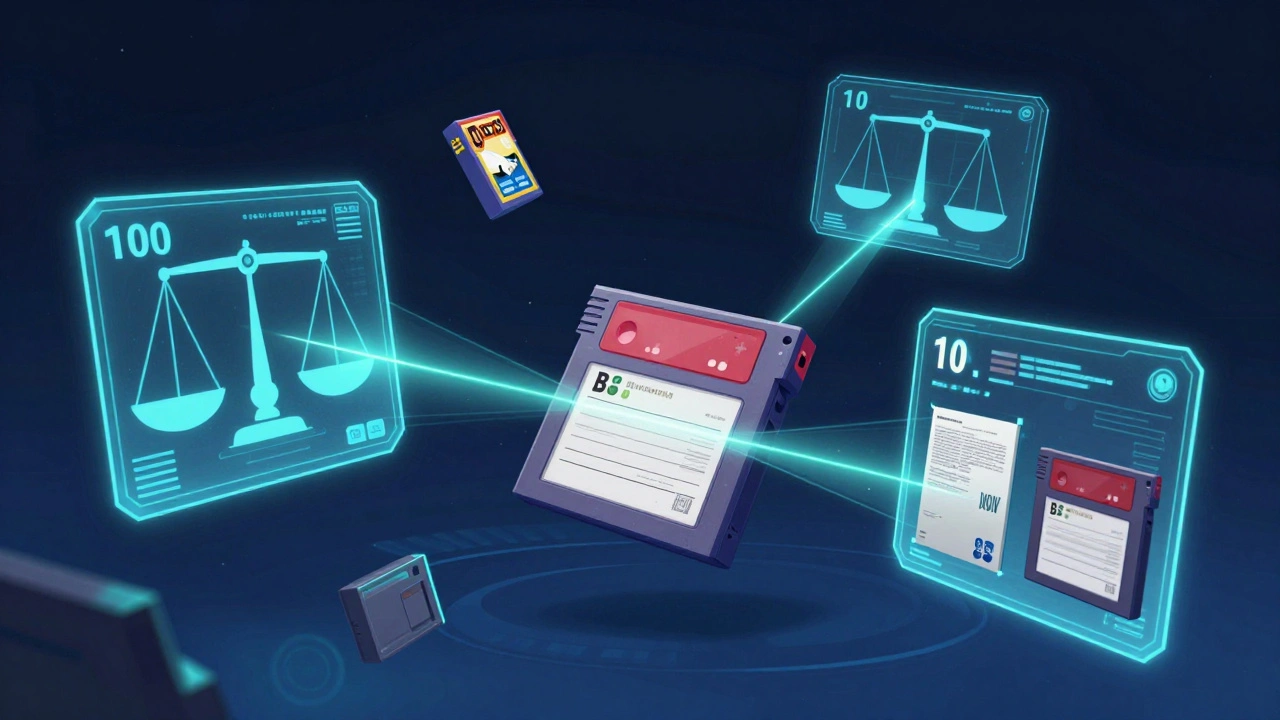
The Regulation Gap: Condition vs. Content
It's easy to confuse grading with rating, but they are worlds apart. When we talk about the ESRB (Entertainment Software Rating Board) or PEGI (Pan European Game Information), we are talking about government-adjacent or industry-mandated regulations regarding violence or age-appropriateness. Those systems are standardized because they protect children-there is a legal and moral imperative.
Condition grading, however, is a private commercial service. There is currently no "Department of Collectibles" overseeing whether a VGA grader was too harsh on a 1989 Nintendo cartridge. This lack of regulation means the "standard" is whatever the most popular grading company says it is. If one company gains a monopoly on the high-end market, their internal whim becomes the global standard by default, rather than by design.

Predicting the Future: What Comes Next?
As we move further into 2026 and beyond, we are likely to see a push toward "Digital Twins" and blockchain authentication. Imagine a world where a physical grade is tied to a digital certificate that cannot be forged. This doesn't solve the problem of whether a grade is "correct," but it does solve the problem of authenticity and provenance.
I suspect we will eventually see a move toward a consolidated board-similar to how the comic book world has a few dominant standards. This would require the big three (VGA, CGC, CGA) to stop fighting for market share long enough to agree on a shared rubric. If they can align on what constitutes a "Grade 10" across all platforms, the value of graded games will likely skyrocket because the risk for the buyer drops significantly.
We might also see the rise of AI-assisted grading. Computer vision can detect microscopic tears or color fading far more consistently than a human eye. While collectors love the idea of a "master grader" with 20 years of experience, a machine doesn't have a bad day or a bias toward certain titles. The future likely holds a hybrid model: AI provides the data, and humans provide the final certification.
The Risks of Over-Grading
There is a danger in this trend: the "slabbing" of everything. When we lock a game in an acrylic case, we are essentially killing it as a piece of software and turning it into a piece of art. You can't play a graded game without breaking the seal and destroying its market value. This creates a weird tension where the most "perfect" copies of our gaming history are the ones that will never be experienced by a human being again.
Furthermore, the cost of grading is a barrier. With prices for regular games often starting around $90 and scaling up for high-value items, grading is a luxury. If the industry continues to push for high-cost, low-volume certification, it risks alienating the actual gaming community in favor of a few wealthy speculators. The challenge for the future is making standardization accessible without cheapening the prestige of a high grade.
Is a graded game actually worth more?
Generally, yes, but it depends on the grade. A high grade from a recognized company like VGA or CGC provides a guarantee of condition that reduces risk for the buyer, which usually commands a premium. However, a low grade can sometimes make a game harder to sell than if it were simply "ungraded," as it officially documents the flaws.
How do I know which grading company to trust?
Look at the secondary market. See which labels are most requested by buyers in the specific niche you collect. For example, some collectors prefer the 10-point simplicity of CGC, while others want the granular detail of VGA's 100-point scale. The "best" company is often the one that the most buyers in your specific community recognize.
Can I regrade a game from one company to another?
You can, but you have to "crack" the case. This means breaking the permanent acrylic seal, which carries a risk of damaging the item. Most collectors only do this if they believe the original grade was significantly undervalued and a different company would provide a much higher score, thus increasing the game's value.
What is the difference between a "Sealed" and "Qualified" grade?
A sealed grade usually applies to games that are still in their original factory shrink-wrap. A qualified grade (often seen with VGA) is used for games that have been opened but where the contents are still new and complete. The qualified scale accounts for the fact that the seal is broken, while still grading the physical condition of the components.
Will government regulation ever happen for game grading?
It's unlikely to happen in the way that content ratings are regulated. Condition grading is a service-based luxury. Unless there is a massive wave of fraud that affects the broader economy, governments usually leave collectibles to the "free market." The regulation will likely come from industry consortiums rather than legislation.