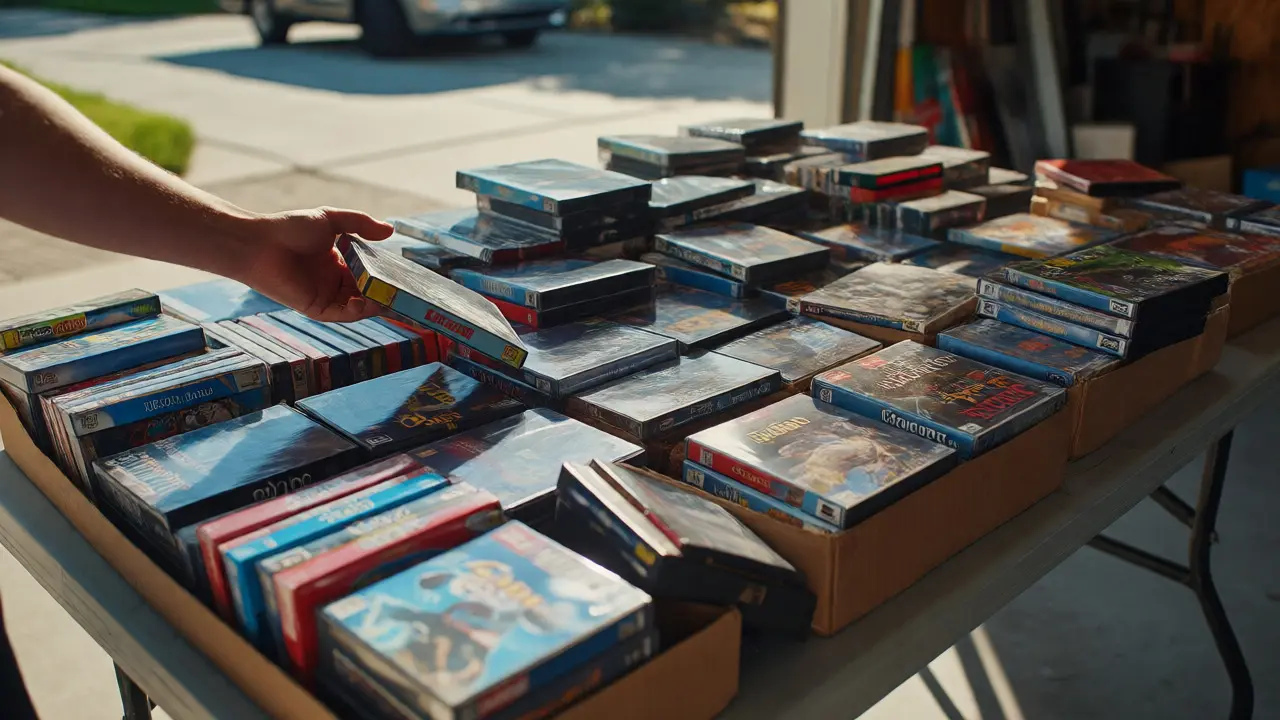
You see the listing. "Lot of 50 PS4 Games - $150." It’s tempting. You calculate the math in your head: if even ten of those are worth $20 each, you’re already in the black. But here is the reality that most flippers ignore: a lot is rarely a bundle of winners. It’s usually one gold mine buried under forty pounds of digital gravel. The real profit isn't in finding the lot; it's in knowing exactly how much risk you can take before you hand over the cash at the curb.
Negotiating local pickup deals for video games requires a different mindset than buying single titles on eBay. When you buy one game, you check the price guide. When you buy a lot, you are buying uncertainty. Your goal isn't just to pay less; it's to pay a price that accounts for the hours you will spend sorting, cleaning, and listing mediocre inventory. This guide breaks down how to spot value in the chaos and talk sellers down without losing the deal.
The Math Behind the Lot
Before you send a message, you need a formula. Most beginners look at the total number of games and divide by the price. That’s lazy math. A better approach is the "Core Plus Dust" method. You estimate the value of the top 10% of the lot (the hits) and assume the remaining 90% has near-zero resale value until proven otherwise.
Let’s say you are looking at a Nintendo Switch lot. You see titles like Zelda: Breath of the Wild, Mario Kart 8, and maybe Animal Crossing. These are high-velocity items. If the seller asks $200 for 30 games, and those three games alone retail for $150 used, you have a safety net. But if the other 27 games are obscure sports titles or kids' educational software, they might only sell for $5 each, if they sell at all. Factor in shipping costs, platform fees (usually around 13%), and your time. If the math doesn’t leave you with at least a 30% margin after accounting for the "dust," walk away.
| Genre | Avg. Used Price (USD) | Sell-Through Rate | Risk Level |
|---|---|---|---|
| FPS / Shooters | $10 - $25 | High | Low |
| RPGs / JRPGs | $15 - $40 | Medium | Medium |
| Sports (Annualized) | $5 - $15 | Low | High |
| Kids / Licensed | $5 - $10 | Very Low | High |
| Indie / Niche | $8 - $20 | Variable | Medium |
Reading the Listing Photos Like a Detective
Sellers are often optimistic about their own clutter. They call it a "collection"; you need to see it as inventory. The photos are your first line of defense against bad buys. Do not accept a blurry photo of a stack of cases. Ask for specific angles if the listing is vague.
Look for these red flags in the images:
- Case Damage: Cracked hinges or broken spines don’t kill the value of the disc, but they make buyers hesitant. You’ll likely need to buy replacement cases ($1-$2 each), which eats into your margin.
- Missing Inserts: Some collectors want the manual and map. If the lot has no inserts, note this in your offer.
- Disc Condition: Can you see scratches? Light surface scratches can be polished out, but deep gouges mean the game is unplayable. In a lot, assume 10-15% of discs are damaged unless stated otherwise.
- Mix of Consoles: A lot mixing PS3, PS4, and Xbox One is harder to flip than a pure console-specific lot. You now have to manage multiple shipping profiles and buyer expectations.
If the seller refuses to provide more photos, treat that as a signal. They either know the condition is poor or they are disorganized. Both scenarios justify a lower offer.
Opening the Conversation
When you message the seller, avoid generic lowballs like "Will you take $50?" This feels dismissive. Instead, anchor your offer in logic. Sellers respond better when you explain why you are offering what you are offering. It shows you are serious and knowledgeable.
Try an opening script like this: "Hi! I’m interested in picking up the lot this weekend. I’ve checked the current market prices for the key titles like [Insert Title] and [Insert Title]. Considering the mix of older sports titles and some case wear, I could do $[Amount] for the whole thing. Let me know if that works for you."
This does three things: 1. It establishes you as a serious buyer ready to move fast. 2. It subtly points out the weak parts of the lot (sports titles, wear). 3. It gives them a concrete number rather than leaving them guessing.
Tactics for the Curb Side
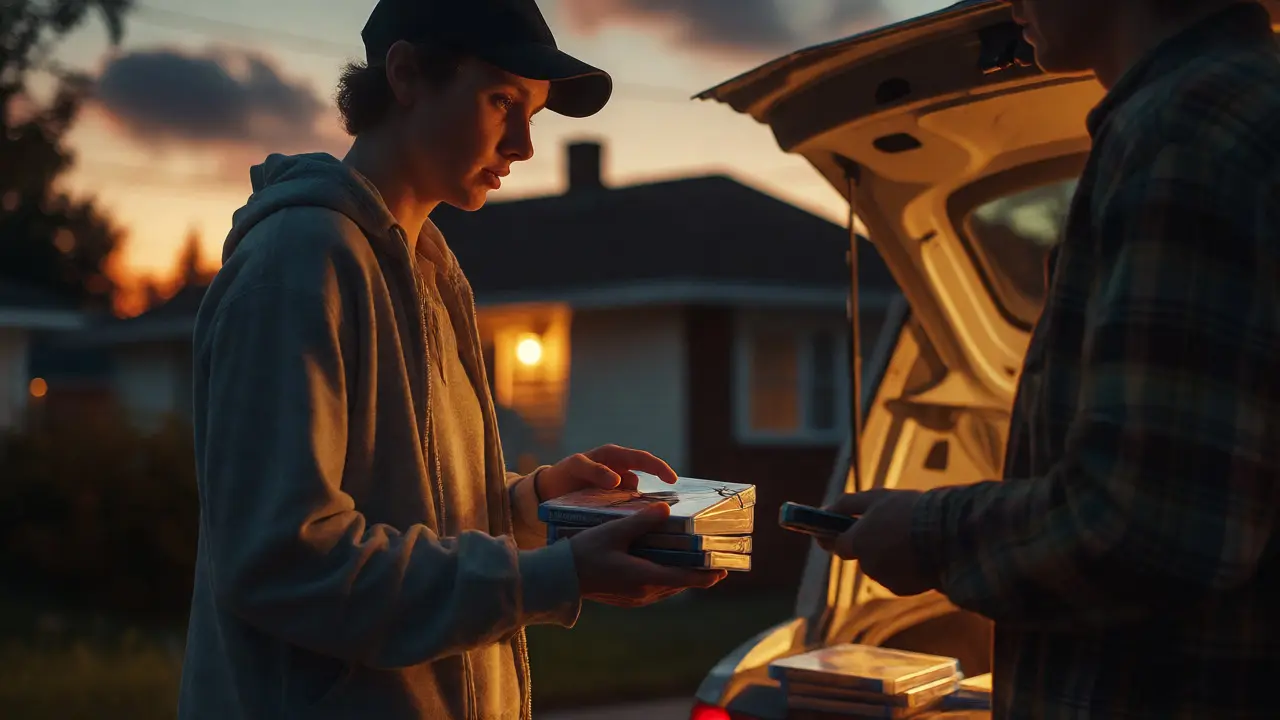
Once you arrive, the dynamic changes. You are now holding the cards. You have the cash (or Venmo), and they have the stuff. Here is how to handle the final moments.
The Inspection Pause
Do not rush to load the car. Ask to inspect the lot briefly. Pull out two or three random discs from the middle of the stack. Check for cracks. If you find damage, point it out calmly. "Hey, I see a couple of cracked discs here. I was planning on paying full asking price, but I’d have to discount for the repair costs. Would you consider dropping another $10?"
The Bundle Discount
If the seller has other items nearby-old consoles, controllers, cables-use the pickup trip as leverage. "Since I’m already driving across town for the games, would you throw in those two old controllers for free? Or add them to the lot for $5 extra?" Sellers hate making separate trips for small items. Convenience is currency.
The Cash vs. Digital Friction
In 2026, most people use mobile payments, but cash still holds psychological power. Handing over physical bills feels like a transaction completion. However, be careful with large amounts of cash. For lots over $200, suggest splitting the payment or using a secure app. If you pay cash, keep a small amount of change handy. It prevents awkward delays and keeps the vibe friendly.
Common Pitfalls to Avoid
Even experienced flippers get burned. Here are the traps that catch people buying local lots.
The "Freebies" Trap: Sometimes sellers include cheap knock-off games or duplicates thinking they are adding value. They aren’t. They are adding weight. Always count the items. If there are 50 games, make sure there are actually 50 unique playable titles.
Ignoring Region Locks: This is huge for imported games. A lot of "PlayStation 2 Games" might contain Japanese imports that won’t play on US consoles without modding. Unless you know the difference between NTSC-U and PAL regions, stick to domestic releases or ask specifically about region compatibility.
Underestimating Shipping Weight: Video games are dense. Fifty games weigh significantly more than fifty books because of the plastic cases and cardboard inserts. If you plan to ship individual copies later, remember that many games push packages over the 1-pound threshold, jumping you into a higher shipping tier. Factor this into your initial offer.
Post-Pickup Strategy
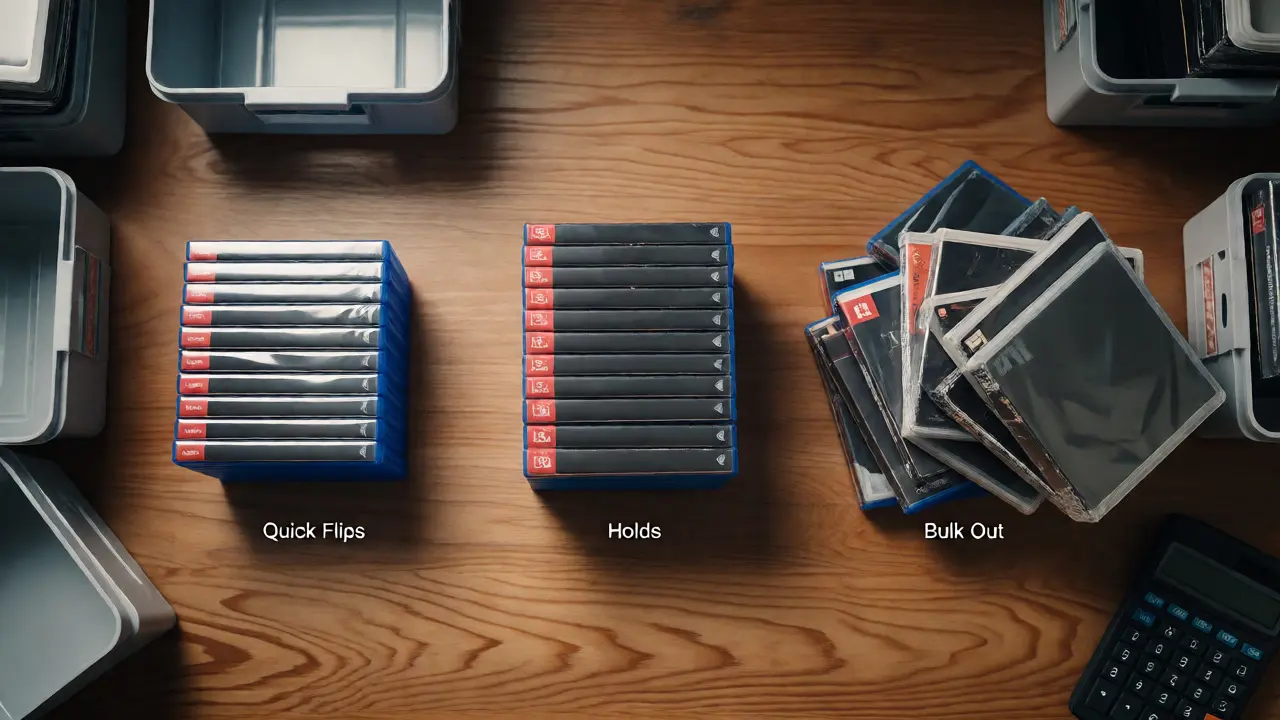
You got the deal. Now what? Do not list everything immediately. Sort the pile into three bins:
- Quick Flips: High-demand titles with good condition. List these first to recoup your investment fast.
- Holds: Rare or niche titles that might appreciate. Keep these for a few months.
- Bulk Out: The duds. Group these into bundles of 5 or 10 and sell them at a flat rate to clear shelf space.
This triage system keeps your capital moving. The goal of flipping lots isn't to hold inventory forever; it's to turn trash into cash quickly so you can buy the next lot.
Frequently Asked Questions
How much should I discount a video game lot?
A standard rule of thumb is to aim for 30-50% below the sum of the individual lowest sold prices. This margin covers the time spent sorting, potential defects, and the difficulty of selling slower-moving items within the lot. Never pay more than 70% of the total book value.
What is the best way to check game condition during pickup?
You cannot test every game, so sample randomly. Check 5-10 discs for deep scratches or warping. Inspect the cases for cracked hinges. If the seller claims the lot is "all tested working," ask them to demonstrate one or two titles playing on their console before you hand over money.
Are mixed-console lots worth buying?
Mixed lots are harder to flip because you split your effort across different markets. However, they are often cheaper per item. Only buy mixed lots if you have experience selling across multiple platforms or if the discount is significant enough to offset the extra administrative work.
Should I offer to pick up immediately?
Yes. Speed is your biggest negotiating tool. Many sellers prefer a quick, hassle-free sale over waiting days for a potentially higher offer. Offering immediate pickup often allows you to negotiate a lower price because you solve their problem right now.
What if the seller backs out of the agreed price at pickup?
If the condition differs from the description (e.g., missing discs, severe damage), you have grounds to renegotiate. Be polite but firm. Show them the defect. If they refuse to adjust, be prepared to walk away. There is always another lot on Facebook Marketplace or Craigslist.