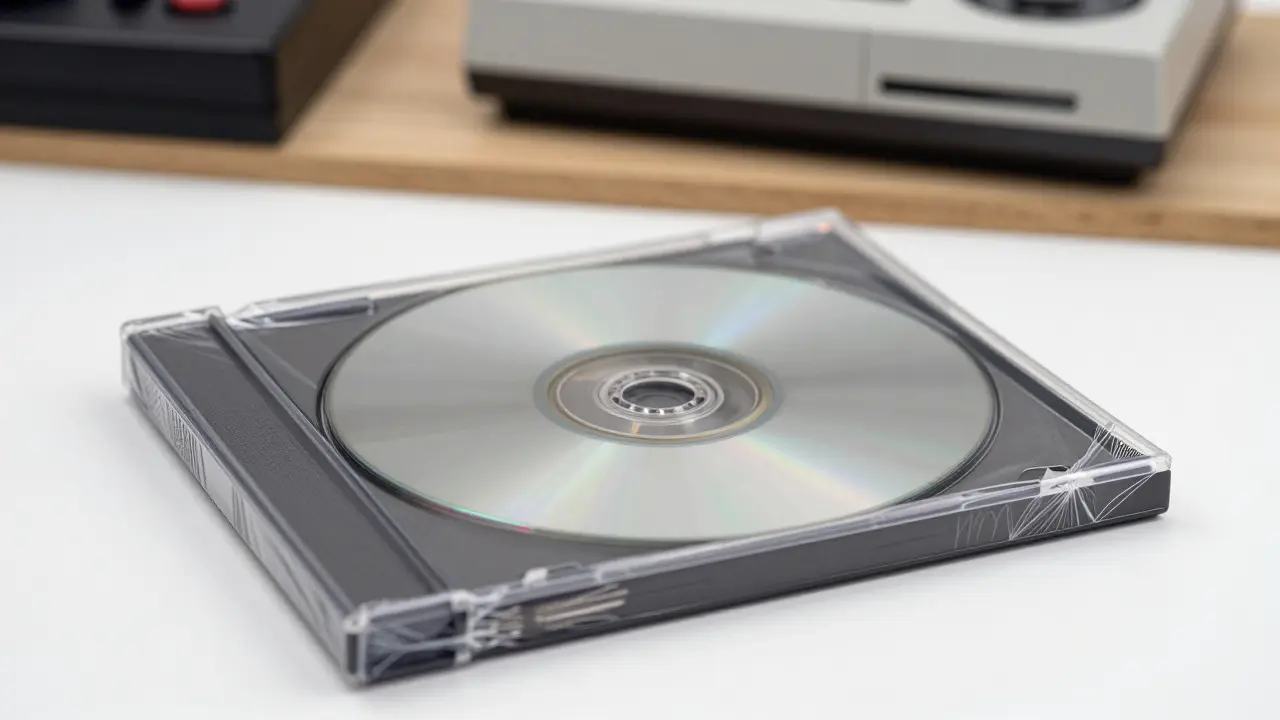
Remember when the Dreamcast was considered a commercial failure? That narrative has flipped. Today, finding a clean copy of a classic title is easy, but hunting for specific indie releases or modern re-releases is where the real challenge-and value-lies. The Dreamcast is Sega's final home console, released in 1998, known for its innovative VMU peripheral and robust library of third-party titles. While major franchises like Sonic Adventure dominate headlines, the indie scene on this platform offers a unique niche for collectors who want more than just mass-produced hits.
The Rise of Modern Pressings
Why are people buying new copies of 25-year-old games? It’s not nostalgia alone; it’s accessibility. Original Japanese imports were expensive and hard to find, while US releases of certain indies never happened. Enter modern pressings. These are newly manufactured discs, often sold by independent distributors or specialized retro shops. They aren't official Sega re-releases (since Sega no longer holds exclusive rights to all third-party content), but they are legitimate physical media that runs perfectly on original hardware.
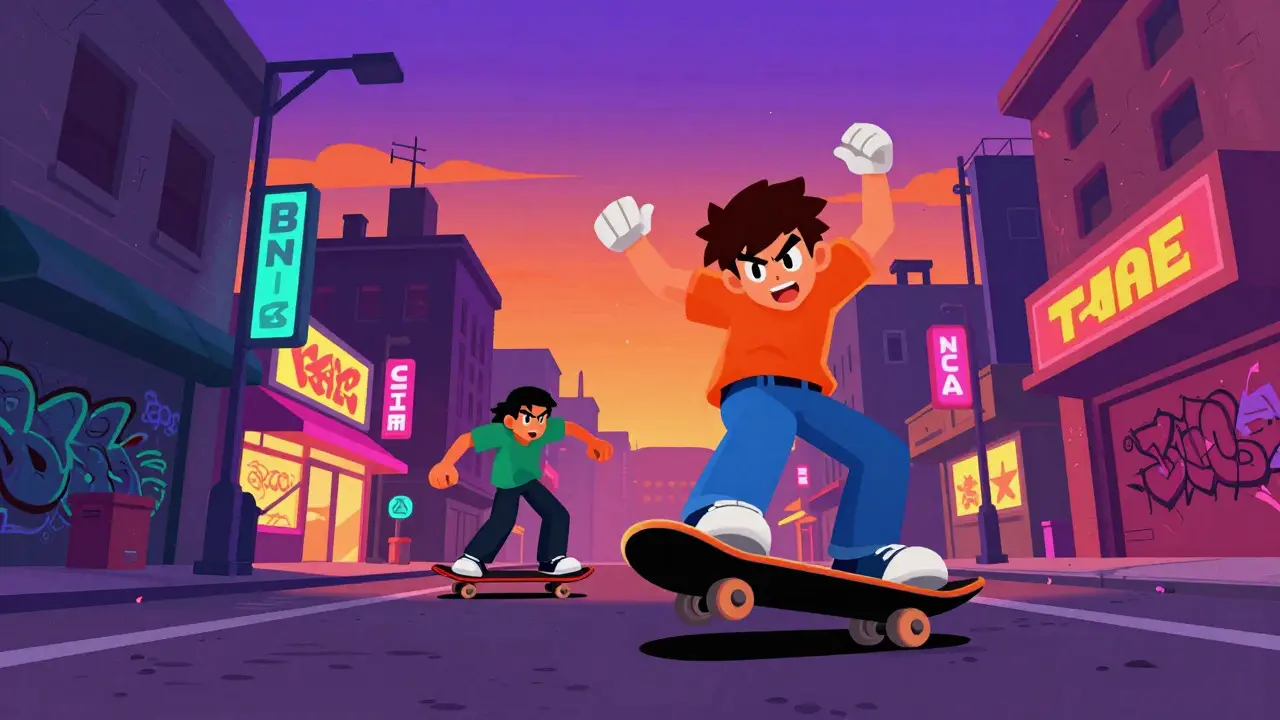
For example, Skateboard Story, a cult favorite from the late '90s, saw a surge in demand after being featured in popular YouTube retrospectives. A modern pressing allows you to own the game without paying $300 for a used import. However, you need to be careful. Not all "new" discs are created equal. Some are authorized reprints with updated box art, while others are unauthorized duplications. Always check the distributor's reputation before purchasing. The key benefit here is condition: you get a disc with zero scratches, which matters significantly for long-term preservation.
Identifying High-Demand Indie Titles
Not every indie game on the Dreamcast is worth collecting. Demand is driven by scarcity, critical acclaim, and community hype. Here are the titles that consistently command higher prices in the secondary market:
- Shenmue: Technically a AAA title, but its open-world nature makes it feel like an indie masterpiece. Modern pressings are rare because the licensing was complex. Used copies can exceed $100.
- Jet Set Radio Future: Often grouped with indies due to its artistic style. The cel-shaded aesthetic aged well, making it a top-tier collectible.
- Power Stone: A fighting game that defied genre conventions. Its unique mechanics keep it relevant in competitive play, driving up demand for working copies.
- Virtua Tennis 2: Surprisingly, sports titles hold value if they have strong multiplayer support. This game is a staple for local tournaments.
These titles share a common trait: they offer experiences that haven't been replicated on modern consoles. When you buy a modern pressing of one of these, you're investing in a piece of interactive history that remains playable today.
Modern Pressing vs. Original Import: What's the Difference?
Many collectors hesitate to buy modern pressings because they prefer "original" media. But what does that actually mean for your collection? Let's break down the differences in a table to help you decide which route fits your goals.
| Feature | Original Import (Japan/Europe) | Modern Pressing (US/Global) |
|---|---|---|
| Average Price (Used) | $50 - $300+ | $25 - $45 |
| Condition Risk | High (scratches, case wear) | Low (sealed/new) |
| Box Art Accuracy | Authentic historical artifact | May use updated or generic art |
| Resale Potential | Higher for rare variants | Stable, lower ceiling |
| Availability | Scarcity-driven | Consistent stock |
If you're a pure investor, stick to originals. If you're a player who wants to enjoy the game without worrying about disc rot, modern pressings are the smarter choice. The gap in price is significant enough to justify the trade-off for most casual collectors.
How to Verify Authenticity
Fake discs are a real problem in the retro market. Since the Dreamcast uses standard CD-ROM technology, anyone with a burner could theoretically create a copy. How do you tell the difference between a legitimate modern pressing and a bootleg? First, look at the packaging. Legitimate modern pressings usually come in shrink-wrapped cases with clear labeling indicating the distributor. Check for a barcode and a website URL. Bootlegs often have blurry text, misspellings, or no manufacturer info at all. Second, inspect the disc itself. Original and licensed pressings have a specific stamping process that leaves a distinct sheen. Burned discs have a rainbow-like reflection. Hold the disc up to the light; if you see a spiral pattern of data pits, it's likely burned. Stamped discs have a uniform, matte appearance under direct light. Finally, check the region code. The Dreamcast is region-locked. A modern pressing intended for North America will have a Region 1 label. If you're in Europe, ensure it's Region 2. Mismatched regions won't work without modding, which defeats the purpose of buying a clean copy.
Storage and Preservation Tips
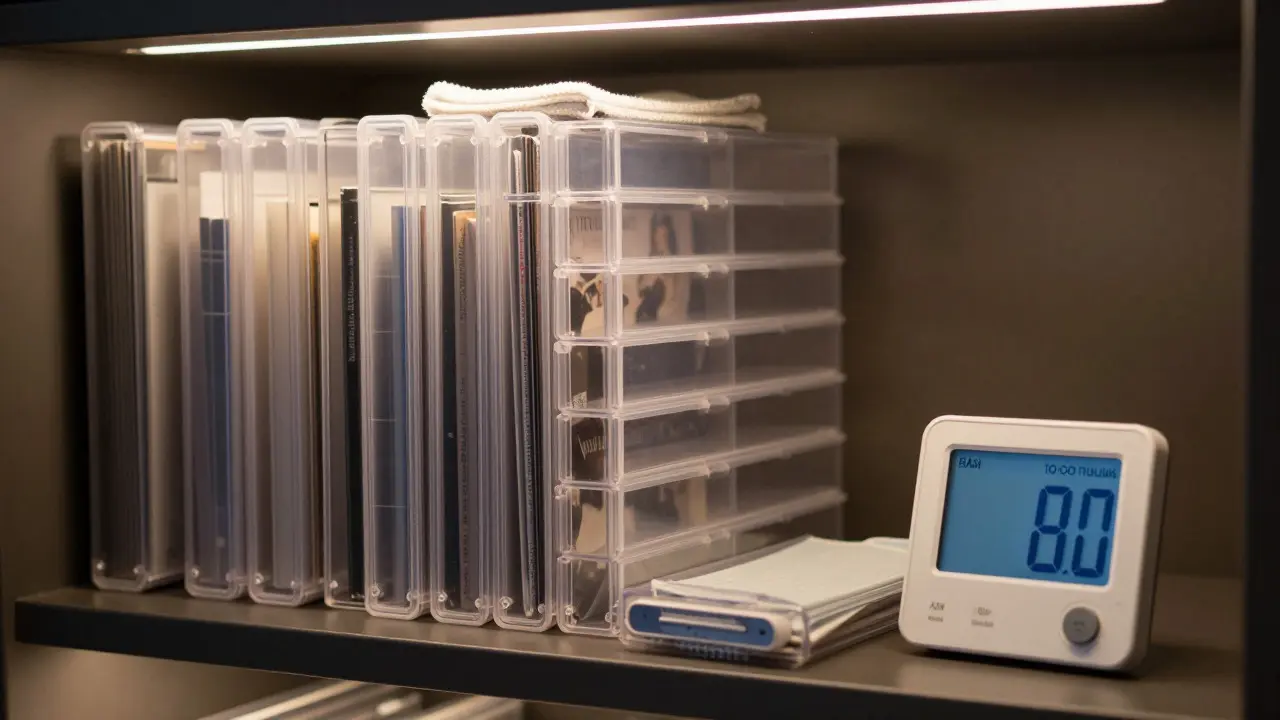
Owning the game is only half the battle. Keeping it playable for the next decade requires proper care. The Dreamcast disc is a standard 12cm CD, but the polycarbonate layer is sensitive to heat and UV light. Store your games vertically in their cases, away from direct sunlight. Avoid placing them in attics or garages where temperatures fluctuate. Humidity is the enemy of plastic; keep relative humidity below 50%. Clean your discs gently. Use a microfiber cloth and wipe from the center outward. Never wipe in circles, as this creates scratches that run across the data track, making recovery harder. For deep cleaning, consider using a dedicated lens cleaner, but avoid harsh chemicals like ammonia or alcohol, which can degrade the protective coating over time. If you have multiple copies of the same title, rotate them. Playing one disc repeatedly increases the risk of wear. By rotating, you distribute the usage load, extending the life of each individual disc.
Where to Find Reliable Sources
The best places to buy modern pressings are specialized retro gaming retailers rather than general marketplaces. Look for shops that specialize in Sega hardware or Japanese imports. They often partner directly with manufacturers to ensure quality control. Community forums are also valuable resources. Members often share reviews of specific pressings, highlighting any issues with compatibility or packaging. Before buying, search for the specific game title plus "modern pressing" to see recent user feedback. Avoid buying from unknown sellers on auction sites unless the photos clearly show the disc surface and case details. The risk of receiving a damaged or bootlegged copy is too high for the low price point.
Frequently Asked Questions
Are modern pressings worth less than originals?
Generally, yes. Originals are rarer and carry historical significance. However, modern pressings offer better condition and lower cost, making them ideal for players rather than investors. The value gap depends on the specific title's rarity.
Do modern pressings work on original Dreamcast consoles?
Yes, provided they are properly stamped and region-correct. Most modern pressings are designed to be fully compatible with unmodified hardware. Always verify the region code matches your console.
Which Dreamcast indie games are currently seeing price increases?
Titles like Skateboard Story and Power Stone have seen steady increases due to renewed interest from younger gamers. Limited edition box sets also tend to appreciate faster than standard releases.
How should I clean a scratched Dreamcast disc?
Use a microfiber cloth and water to wipe from the center outward. For deeper scratches, a professional disc repair service is recommended. Avoid abrasive materials that can damage the data layer further.
Is it safe to store Dreamcast games in a garage?
No. Temperature fluctuations and humidity in garages can warp discs and degrade plastic cases. Store your collection in a climate-controlled room, ideally between 65-75°F (18-24°C) with low humidity.