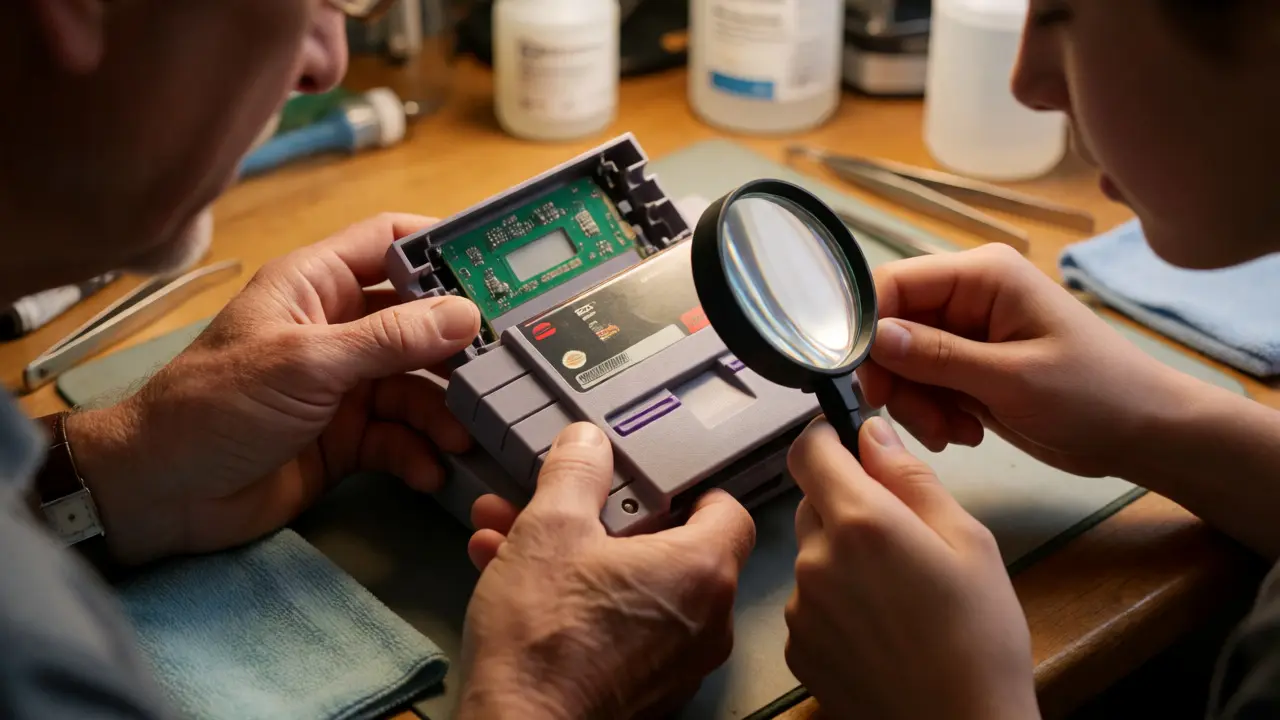
You just scored a sealed copy of EarthBound for the SNES. It’s cheap, it looks legit, and you’re thrilled. But three weeks later, you find out the seal was re-applied with heat shrink from a craft store, and the manual inside is a high-quality reprint. You didn’t lose money, but you lost trust in your own eye. This is where mentorship in video game collecting saves you-not just your wallet, but your sanity.
Video game collecting isn’t just about buying old cartridges; it’s a hobby rooted in history, condition grading, market trends, and community knowledge. New collectors often hit a wall because they lack a guide. Experienced collectors, on the other hand, sometimes struggle to pass down their niche expertise effectively. Whether you are looking for someone to teach you how to spot fakes or you have years of experience and want to help the next generation, this guide breaks down how mentorship works in our specific corner of the gaming world.
Why Video Game Collectors Need Mentors
Unlike trading cards or coins, video games don’t come with a universally accepted grading standard that everyone follows blindly. Yes, there are services like Wata Games, but most transactions happen peer-to-peer on eBay, Facebook Marketplace, or local flea markets. A mentor helps you navigate this gray area.
Think of a mentor as a filter for noise. The internet is flooded with contradictory advice. One forum says loose SNES carts should be cleaned with isopropyl alcohol; another warns that alcohol can fade label ink if used incorrectly. A mentor who has actually ruined a few labels (or saved many) gives you context, not just rules. They explain *why* certain practices exist, which helps you make decisions when you encounter a rare situation no tutorial covered.
- Condition Assessment: Learning to distinguish between 'complete-in-box' (CIB) and 'loose' value differences beyond just price tags.
- Market Timing: Understanding when to buy (e.g., post-holiday dumps) versus when to hold (e.g., before a major movie release).
- Authentication: Spotting re-shelled games, fake seals, and reproduction manuals.
Finding Your Collector Mentor
You won’t find a mentor by posting "Teach me" on Reddit. That usually gets ignored or mocked. Successful mentorship starts with showing respect for the community’s time and knowledge. Here is how to actually connect with experienced collectors.
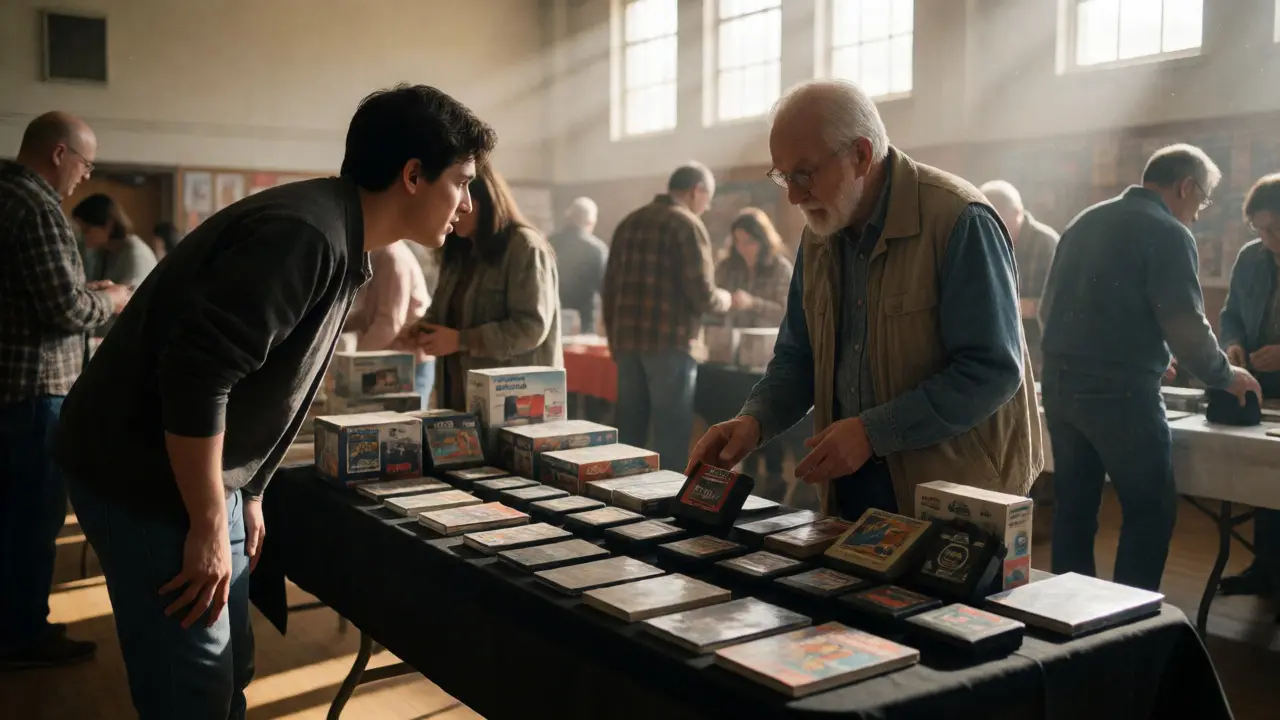
Start local. If you live near a city with active retro gaming groups, attend meetups. In Portland, for example, we have monthly swap meets at community centers where veterans set up tables. These aren’t just sales events; they are social hubs. Approach them not as a buyer, but as a learner. Ask specific questions. Instead of "Is this good?", ask "I noticed the pin count on this cartridge connector looks uneven-does that affect playability or just resale value?" Specificity signals that you’ve done your homework and value their expertise.
Online communities work differently. Look for long-form content creators or forum regulars who write detailed breakdowns rather than just posting screenshots of hauls. Engage with their content thoughtfully. Comment on the nuances of their analysis. After several meaningful interactions, send a direct message expressing admiration for their approach and asking if they’d be open to occasional questions. Do not ask for free appraisals of ten items right away. Build the relationship first.
| Platform | Mentor Availability | Best For | Effort Level |
|---|---|---|---|
| Local Swap Meets | High | Hands-on inspection practice | Medium (Travel required) |
| Niche Discord Servers | Medium | Real-time Q&A on specific titles | Low (Digital access) |
| Specialized Forums | Low | Deep dives into obscure systems | High (Requires reading archives) |
| eBay Seller Reviews | Very Low | Identifying trustworthy sellers | Low (Passive observation) |
The Role of the Mentor: What Good Looks Like
A bad mentor hoards information. They act gatekeepers, using jargon to confuse newcomers so they remain dependent. A good mentor empowers you to eventually stop needing them. They share resources freely and admit when they don’t know an answer.
In video game collecting, a mentor’s primary job is teaching critical thinking. They shouldn’t just tell you "This Sega Genesis cartridge is authentic." They should show you the solder points, the mold marks on the plastic shell, and the font weight on the label. They encourage you to touch and inspect items yourself. If you’re afraid to handle a $500 game, you’ll never learn its physical characteristics.
Good mentors also manage expectations. They warn you about the emotional toll of chasing grails. They remind you that collecting is a hobby, not an investment vehicle, even though some items appreciate. When you get burned by a fake, they help you analyze what went wrong without making you feel stupid. This psychological support is crucial because the market can be brutal and isolating.

Becoming a Mentor: Passing Down Knowledge
If you’ve been collecting for five years or more, you likely have knowledge others crave. Becoming a mentor doesn’t mean you need to be an expert in every system. Maybe you specialize in Nintendo 64 accessories. That’s enough. Focus on your niche.
Be patient. Newcomers will ask questions that seem obvious to you, like "What does CIB stand for?" or "Why is this box yellowed?" Answer them kindly. Remember when you were new and confused by terms like "AFA graded" or "repro." Your patience builds community trust.
Create resources. Write blog posts, record short videos on how to clean contacts, or maintain a simple spreadsheet of current market values for popular titles. Sharing these tools reduces repetitive questions and helps scale your mentorship. When you see a beginner make a mistake, offer correction gently. Frame it as learning: "I made that same mistake with my first PlayStation 1 console, and here’s how I fixed it."