
Imagine a player spends $60 on a new title, only to realize ten minutes in that the core experience is locked behind a "Season Pass" or a series of expensive microtransactions. The immediate result isn't just a refund request; it's a scorched-earth review on Steam and a permanent loss of trust. In the gaming industry, the gap between what a player thinks they are buying and what they actually get is where most studios lose their reputation. Transparent Pricing is the practice of clearly communicating costs, value propositions, and payment terms to players to eliminate surprises and build long-term loyalty. It's not just about being "nice"; it's a financial strategy that reduces buyer's remorse and stabilizes long-term revenue.
The Foundation of Value Perception
Before you set a price tag, you need to understand the economic reality of your player. You can't price a game for a global audience using a single currency conversion tool and expect it to work. The first step is analyzing the disposable income of your target demographic. A student in Brazil has a different purchasing power than a working professional in Japan. If you ignore this, you're essentially locking out huge portions of your potential market.
You also need to look at your "neighbors." Create a list of games with similar core mechanics and target audiences. If every other indie roguelike in your niche is priced at $19.99, pricing yours at $39.99 requires a massive, visible jump in production quality or content volume. Players aren't just comparing your game to other games; they're comparing it to the perceived value of their time. If a game offers 10 hours of polished content versus 100 hours of repetitive grinding, the pricing logic changes completely.
Mastering Monetization Models
Transparency varies depending on how you actually make money. Whether you're using a one-time payment or a recurring fee, the player needs to know the "total cost of ownership" before they hit buy. Premium is a model where the user pays once for full access, while Freemium allows free entry but charges for additional content or advantages.
If you're opting for a hybrid model-say, a base game price plus an optional battle pass-be explicit. Hide nothing. When games use randomized rewards, the biggest killer of trust is the "mystery box." To stay ethical and transparent, you must openly display the probabilities (drop rates) for every item in a loot box. When players know the odds, they feel they are making a calculated gamble rather than being cheated by a hidden algorithm.
| Model | Primary Revenue Source | Key Transparency Requirement | Player Perception Risk |
|---|---|---|---|
| Premium | One-time Purchase | Clear content volume (hours/levels) | Low (Buyer's remorse if short) |
| Freemium | In-app Purchases (IAP) | Detailed price list of all IAPs | High (Pay-to-win accusations) |
| Subscription | Recurring Monthly Fee | Easy cancellation process | Medium (Subscription fatigue) |
| Ad-Supported | Third-party Advertisers | Clear distinction between game and ad | Medium (Intrusiveness) |
The Art of Regional Pricing
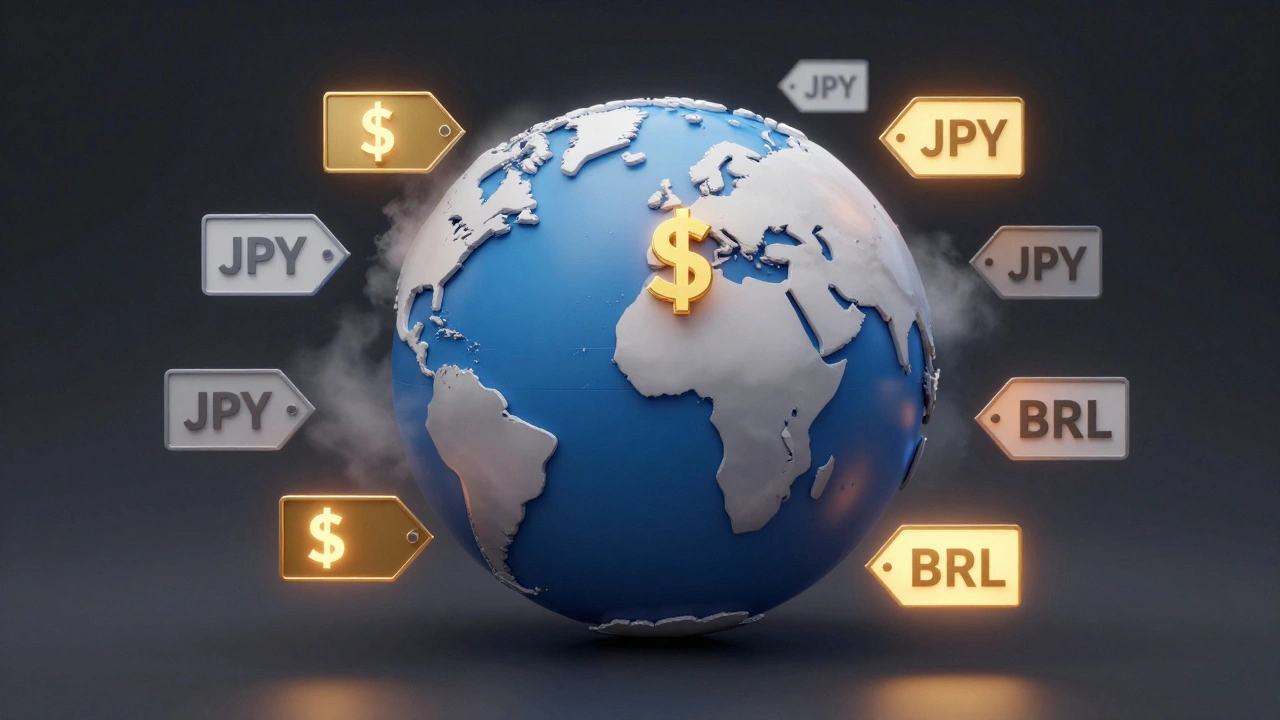
Applying a flat exchange rate is a rookie mistake. Regional Pricing is the strategy of adjusting a product's price based on the local economic conditions and purchasing power parity of different countries. If you sell a game for $60 in the US, charging the exact equivalent in a country where the average monthly salary is $400 will result in zero sales.
Effective regional pricing involves manual evaluation. You should look at local market norms and currency volatility. When you adjust prices downward for a specific region, you aren't "losing" money; you're capturing a market that would otherwise be priced out. Be transparent about this by using the native currency and local payment methods, which makes the transaction feel fair and accessible.
Strategic Discounting Without Devaluing
There's a common fear that discounts make a game look "cheap." In reality, data shows that almost any discount outperforms full price in terms of unit sales. However, the way you discount matters. Avoid the "fake sale"-inflating the base price just to offer a 50% discount. Players are savvy; they use tools to track price histories. If they see your "sale" price is actually the standard price, you've just told them your brand is dishonest.
Interestingly, deeper isn't always better. Some data suggests that a 40% discount can actually generate more revenue than a 75% discount. Why? Because a 75% cut can signal that the game is "dead" or lacks value, driving away players who would have paid more. The goal is to maintain a balance between visibility (like participating in Steam seasonal sales) and preserving the perceived quality of the work.
Data-Driven Price Testing
You don't have to guess your price. Use A/B Testing, a method of comparing two versions of a webpage or price point to see which one performs better. By offering different price points to small, controlled segments of your audience, you can find the "sweet spot" where conversion rates are highest without sacrificing margin.
If you're in Early Access, you have a unique opportunity to scale your pricing. Start lower to attract early adopters and testers, then increase the price as you add more features and polish. This is a transparent way to reward early supporters while reflecting the growing value of the product. Just be sure to communicate these price hikes in advance so your community doesn't feel blindsided.

Post-Launch Monitoring and Ethics
Pricing isn't a "set it and forget it" task. You need to monitor your conversion rates and the feedback in your community forums obsessively. If players are complaining that a specific DLC is overpriced for the amount of content provided, the most transparent move is to acknowledge it and adjust. Whether it's a price drop or adding more content to justify the cost, responsiveness builds a brand that players trust.
Ultimately, the relationship between the developer and the player is a social contract. When you are honest about what a game costs and why it costs that much, you reduce the friction of the purchase. Players are much more likely to support a studio that admits, "We priced this high because we use a small, specialized team and provide lifetime support," than one that hides costs in confusing menus.
Does regional pricing lead to more piracy?
Actually, the opposite is often true. When games are priced according to local purchasing power, players are more likely to buy a legitimate copy because it is affordable. Piracy often happens not because people want things for free, but because the official price is mathematically impossible for them to pay given their local economy.
How often should I put my game on sale?
Frequency should be balanced with impact. Participating in major platform sales (like the Steam Summer Sale) is essential for visibility. However, avoid constant "flash sales" every two weeks, as this trains your audience to never buy at full price and can degrade the perceived value of your game.
Is it ethical to raise prices after launch?
Yes, provided it is tied to a significant increase in value. In Early Access, raising the price as you add new levels, characters, or mechanics is standard. The key is transparency: announce the price increase a few weeks in advance so current fans can buy it or their friends can jump in at the lower rate before the change.
What is the best way to communicate loot box odds?
The gold standard is a clear, easy-to-find table or percentage list directly within the purchase screen. Avoid vague terms like "rare" or "extremely rare." Instead, use specific numbers (e.g., "Legendary Item: 0.5%"). This allows the player to make an informed decision about the risk.
How do I determine the "reasonable" price for my indie game?
Use a mix of competitive analysis and qualitative surveys. Ask potential players at what price they would consider the game a "steal" and at what point it becomes "too expensive." When these two numbers overlap, you've found your reasonable price range. Always factor in the production quality-polish allows for a higher premium.
Next Steps for Implementation
If you're currently setting your pricing, start by mapping out your competitive landscape. Don't just look at the price tags; look at the content volume and the player reviews regarding value. If you see a pattern of players complaining that a competitor's game is "too short for the price," that is your opportunity to win by offering more value or pricing more honestly.
For those with games already on the market, run a pricing audit. Check your regional conversions-are they outdated? Look at your discount history-are you over-discounting? The most successful developers don't just launch a game; they manage its financial lifecycle through constant, transparent communication with their community.