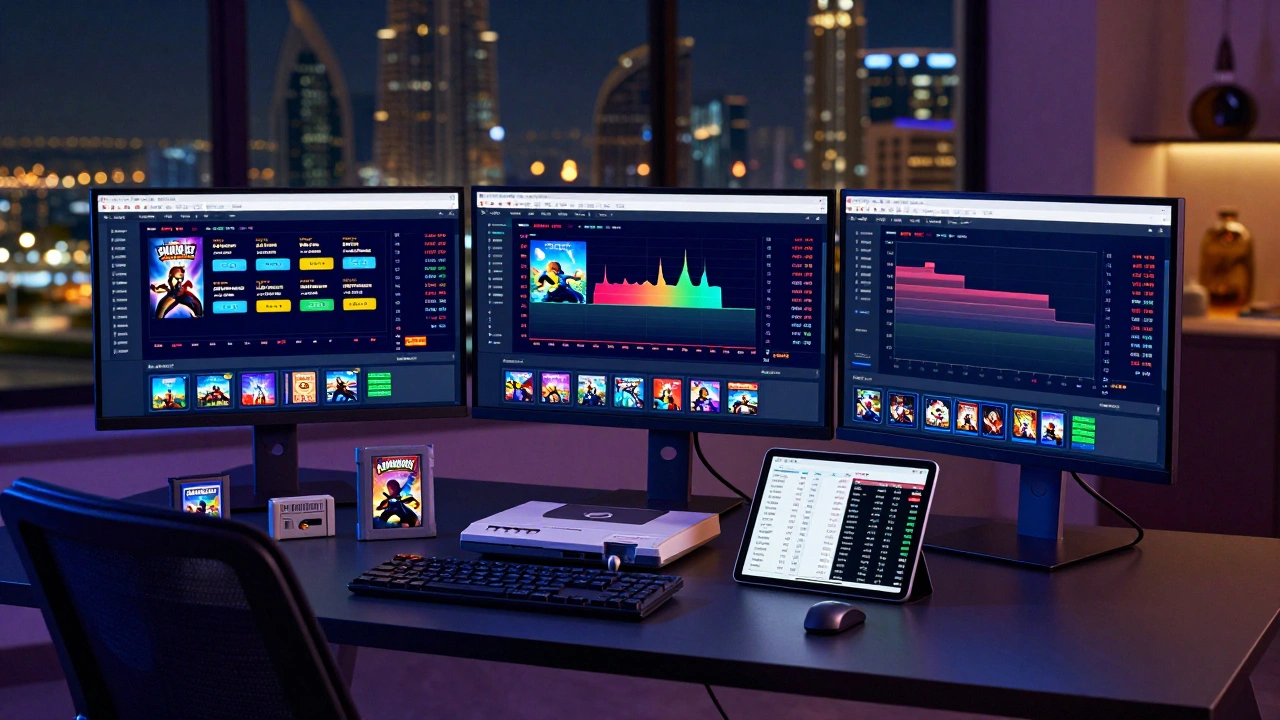
Remember the thrill of flipping through a dusty box at a local garage sale, hoping to find that rare cartridge you missed as a kid? Now imagine that same adrenaline rush, but digitized, global, and happening in real-time. That is exactly what emerging auction platforms for video games are bringing to the table in 2026. The way we buy, sell, and trade gaming memorabilia has shifted dramatically. We are no longer limited to static listings on eBay or classifieds. New platforms are introducing dynamic bidding, gamified experiences, and specialized communities dedicated solely to the hobby.
But with this shift comes a complex landscape. Are these new platforms safer than traditional marketplaces? Do they offer better prices, or do they trap you in psychological spending loops? Let’s break down the reality of these emerging ecosystems, looking at both the exciting opportunities and the serious pitfalls you need to watch out for.
The Shift from Static Listings to Dynamic Bidding
For years, buying a physical copy of a classic RPG or a signed controller meant waiting. You’d list an item, wait for a buyer, negotiate via messages, and hope the shipping didn’t damage the box. It was slow. Emerging platforms have changed this by borrowing mechanics from live auctions and integrating them into digital interfaces.
These platforms often utilize real-time bidding engines. Instead of a fixed price, the value of your item fluctuates based on demand in the moment. This creates a sense of urgency. For sellers, this can mean moving inventory faster. For buyers, it means potentially snagging a deal if competition is low, or paying a premium if everyone wants the same limited-edition console.
Consider the difference between a standard marketplace and an auction platform. On a standard site, you set the price. On an auction platform, the market sets the price. This democratizes valuation but introduces volatility. A sealed-case copy of a vintage title might start at $10 and end at $150 depending on how many bidders jump in during the final minutes.
Gamification: The Double-Edged Sword
One of the most distinct features of modern auction platforms is gamification. These sites don’t just want you to bid; they want you to engage. They use streaks, badges, and even "outbid bonuses" to keep you clicking.
Here is how it usually works: If you lose a bid, some platforms offer you a small credit back or a bonus token to use elsewhere. This sounds generous, but it keeps you in the ecosystem. You spend money to get a refund, which you then spend again. It turns collecting into a game where the house often wins.
- Reward Streaks: Consecutive bids earn points that unlock VIP status or lower fees.
- Time-Sensitive Mechanics: Each bid adds seconds to the clock, preventing last-minute sniping and encouraging continuous participation.
- Outbid Notifications: Aggressive alerts designed to trigger FOMO (Fear Of Missing Out) and prompt immediate re-bidding.
While this makes the experience more entertaining, it also blurs the line between hobbyist collecting and compulsive spending. You need to be aware that these features are engineered to maximize engagement, not necessarily to help you find the best deal.
Pros: Why Traders Are Switching
Despite the risks, there are compelling reasons why collectors and flippers are migrating to these specialized platforms. The benefits go beyond just novelty.
Broader Reach and Accessibility
Traditional local sales limit your audience to people in your city. Online auction platforms connect you with global bidders. A niche collector in Portland might pay top dollar for a Japanese-exclusive game that no one locally would recognize. This expanded reach often drives up final sale prices for rare items.
Real-Time Engagement
There is energy in a live auction that a static listing lacks. You feel the competition. For high-value items like graded mint-condition cartridges or prototype hardware, this competitive environment ensures the item goes to the person who values it most-and pays accordingly.
Lower Event Costs for Sellers
Compared to organizing physical meetups or paying high listing fees on legacy sites, many emerging platforms operate on a commission-only model. You only pay when the item sells. This reduces upfront risk for sellers trying to liquidate large collections.
Cons: The Hidden Risks You Must Know
It isn’t all smooth sailing. The same features that make these platforms exciting can also lead to frustration and financial loss.
Technological Reliability Issues
Nothing kills excitement like a crashed website during peak bidding hours. Emerging platforms, especially those handling high traffic spikes during major releases or holidays, can suffer from server instability. If the site freezes while you’re placing a winning bid, you could lose thousands of dollars worth of potential profit-or miss out on a dream purchase.
Price Escalation Beyond Market Value
Auctions thrive on emotion. In a heated battle between two bidders, prices can spiral well above fair market value. This is known as "winner’s remorse." You win the bid, but you realize too late that you paid $300 for a game that typically sells for $100. Without careful research using price tracking tools, you become the sucker.
Slower Momentum Without Live Crowd Energy
While digital auctions simulate live events, they lack the social pressure and immediate feedback of a physical room. This can sometimes lead to slower bidding momentum, where items sit without action until the very last second, making it hard to gauge true interest until it’s too late.
Comparison: Traditional vs. Emerging Platforms
| Feature | Traditional Marketplace (e.g., eBay) | Emerging Auction Platform |
|---|---|---|
| Bidding Style | Static or timed auctions with fixed increments | Dynamic, real-time, often with auto-bid extensions |
| User Experience | Functional, list-based, minimal engagement | Gamified, interactive, notification-heavy |
| Fees | Listing fees + final value fees | Often commission-only or subscription-based |
| Risk Factor | Moderate (buyer protection established) | High (platform stability varies, emotional spending) |
| Best For | General sales, long-term listings | Rare items, quick turnover, thrill-seekers |
Navigating Digital Asset Trading
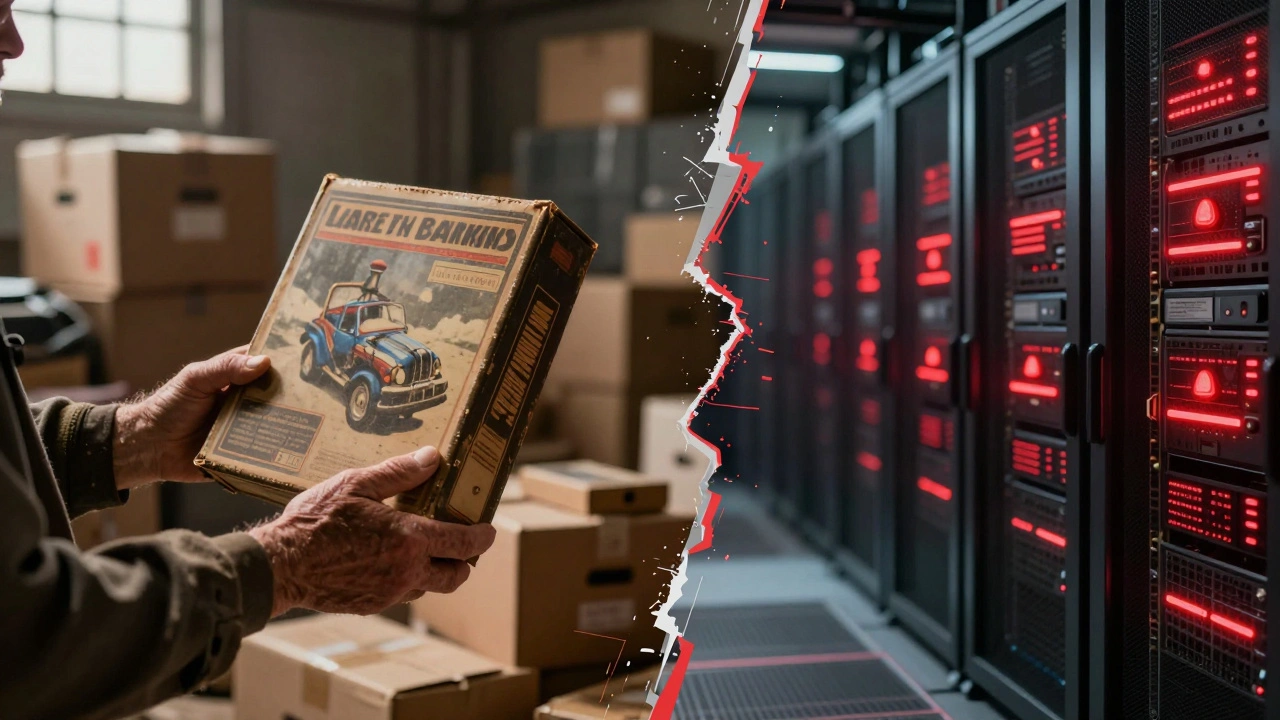
As these platforms evolve, they are increasingly focusing on digital asset trading. This includes not just physical cartridges and consoles, but also in-game items, skins, and account credentials. This sector is particularly volatile.
Trading digital assets introduces legal and ethical gray areas. Many game publishers prohibit the resale of virtual items. Platforms that facilitate this trade often operate in a precarious position. If a publisher decides to crack down, your investment could vanish overnight. Always check the Terms of Service for any digital item you intend to trade.
Furthermore, authentication is a major challenge. Unlike a physical game box you can inspect, digital items are harder to verify. Reputable platforms are beginning to integrate blockchain technology or secure escrow services to prove ownership and prevent fraud. Look for platforms that offer transparent verification processes before you commit funds.
Pro Tips for Safe and Profitable Trading
If you decide to dive into these emerging platforms, follow these rules to protect yourself and maximize your returns.
- Set Hard Limits: Before you start bidding, decide the maximum amount you are willing to pay. Write it down. Stick to it. Emotions run high during auctions, and willpower alone is rarely enough.
- Research Market Values: Use third-party price tracking tools to see historical sales data. Don’t rely on the starting bid or the current bid to determine value.
- Check Platform Reputation: Read recent user reviews specifically regarding payment processing and customer support. Avoid platforms with unresolved complaints about missing payments or lost items.
- Understand the Fees: Calculate the total cost including buyer premiums, seller commissions, and payment processing fees. A $100 bid might actually cost you $115.
- Verify Authenticity: For high-value physical items, require detailed photos of serial numbers, labels, and defects. For digital items, ensure the platform uses secure transfer methods.
The Future of Gaming Collectibles
The market for gaming collectibles is growing, driven by nostalgia and the increasing rarity of physical media. As fewer new physical copies are produced, existing stock becomes more valuable. Emerging auction platforms are positioning themselves to capture this trend by offering specialized communities and tools tailored to gamers.
However, sustainability remains a question. Platforms that prioritize user trust and transparency over aggressive gamification are likely to survive long-term. Those that rely on psychological manipulation to drive revenue may face backlash and regulatory scrutiny.
As a collector or trader, your role is to stay informed. Treat these platforms as tools, not entertainment. Use them to buy and sell efficiently, but always maintain control over your budget and expectations. The thrill of the hunt is real, but so is the risk of overspending. Balance is key.
Are emerging auction platforms safe for buying rare video games?
Safety varies significantly by platform. Established platforms with clear buyer protection policies, secure payment gateways, and verified seller programs are generally safer. However, newer platforms may lack robust dispute resolution mechanisms. Always research the platform's reputation, read recent user reviews, and avoid sending money outside the platform's official system.
How do gamified auction platforms differ from traditional ones?
Gamified platforms incorporate elements like reward streaks, outbid bonuses, and time-sensitive mechanics to increase user engagement. Traditional platforms focus primarily on the transaction itself. Gamification can make bidding more exciting but also encourages impulsive spending and keeps users on the site longer, potentially leading to higher costs.
What are the biggest risks of using online auction platforms for games?
Key risks include technological failures during critical bidding moments, price escalation due to emotional competition, and the potential for fraudulent listings. Additionally, gamification features can lead to overspending. Buyers may also face issues with item authenticity, especially for high-value collectibles where counterfeits exist.
Can I sell digital in-game items on these platforms?
Some platforms facilitate digital asset trading, but this is highly risky. Many game publishers prohibit the resale of virtual items, violating their Terms of Service. Engaging in such trades can result in account bans or loss of items. Always verify the legality of trading specific digital assets before participating.
How can I avoid overpaying for video games in an auction?
Set a strict budget before bidding and stick to it. Research historical sales prices using third-party tracking tools to understand fair market value. Avoid getting caught up in the heat of the moment. If you lose a bid, walk away rather than raising your limit impulsively. Remember that the goal is to acquire the item, not to win the auction at any cost.