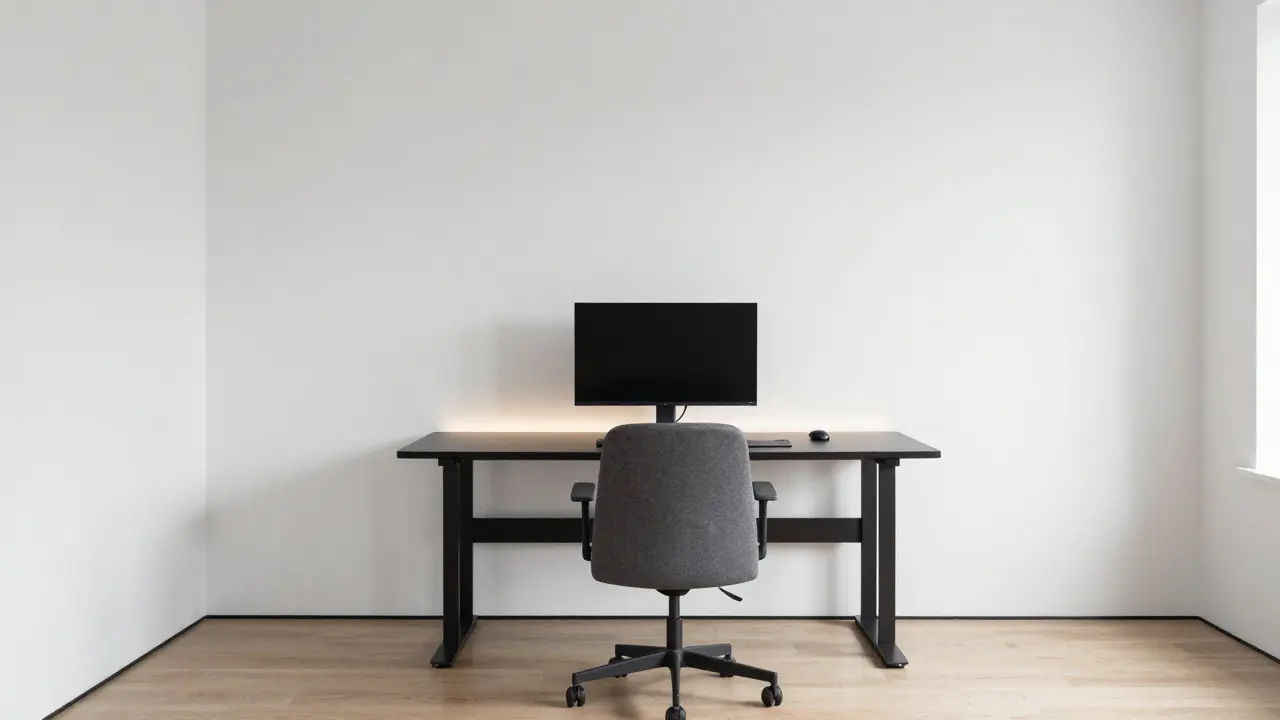
Imagine walking into your gaming space. Do you see a clean desk with a single monitor and hidden cables, or a wall-to-wall shrine of retro consoles, neon lights, and every trophy you’ve ever earned? The debate between minimalist and maximalist video game rooms isn’t just about looks; it’s about how you interact with your hobby. One approach clears your mind for focus, while the other fuels nostalgia and creativity. Neither is objectively better, but one fits your lifestyle far more than the other.
The Core Philosophy of Each Style
Minimalist Gaming Design is a design approach that prioritizes functionality, negative space, and visual calm to enhance concentration during long play sessions. It strips away everything that doesn’t serve a direct purpose. Your goal here is frictionless access to your hardware without visual clutter competing for your attention. Think of it as the "Zen garden" of gaming spaces. Every item has a specific job: the chair supports your back, the monitor displays the game, and the shelf holds only what you use weekly.
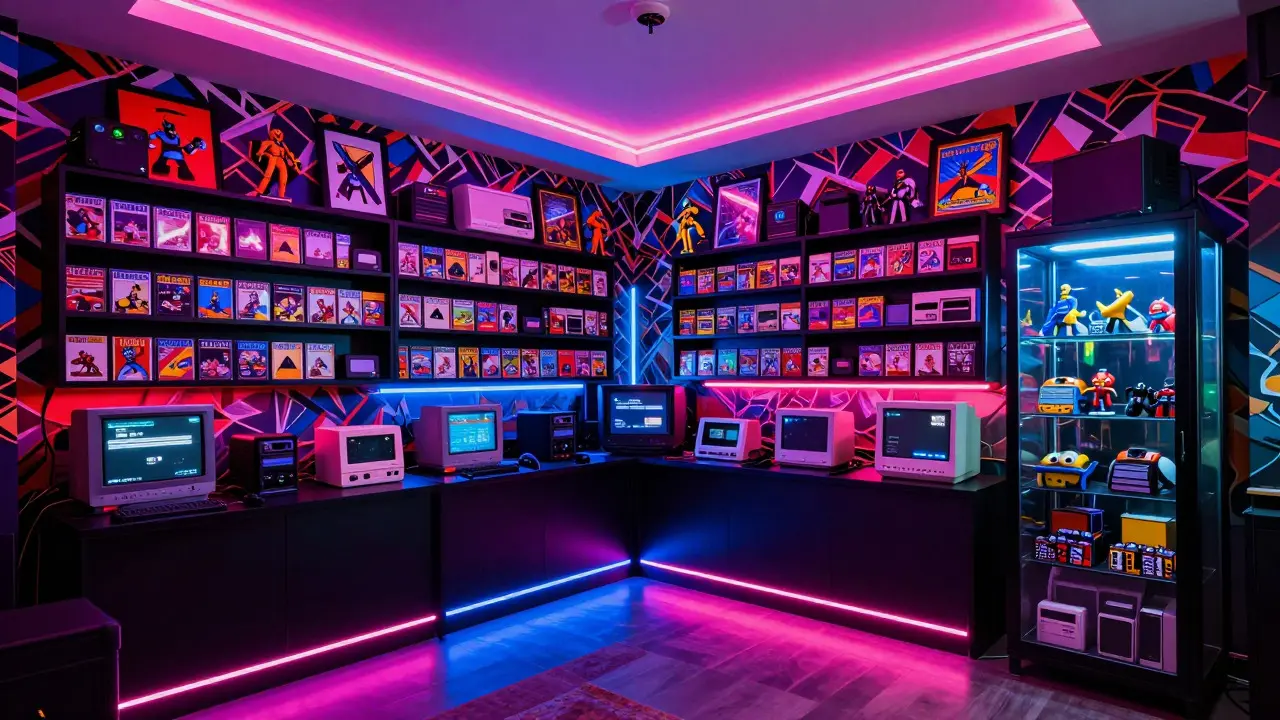
In contrast, Maximalist Gaming Design is an expressive interior style that embraces abundance, bold patterns, and personal memorabilia to create an immersive, high-energy environment. This approach treats the room as a canvas for identity. If you love *Cyberpunk*, your walls might feature neon signs and metallic accents. If you’re a *Retro* fan, CRTs line the shelves. There are no rules, only vibes. The room tells your story before you even sit down.
Managing Display and Storage: The Practical Difference
Storage is where these two philosophies clash most violently. In a minimalist setup, Cable Management is the systematic organization of wires using clips, channels, and boxes to maintain visual order and reduce tripping hazards. You don’t just hide cables; you eliminate unnecessary ones. Wireless peripherals become standard. External drives go in a drawer, not on the desk. The aesthetic relies on clean lines and uniform colors-usually black, white, or grey.
Maximalists view storage as part of the decoration. A glass-front cabinet displaying rare cartridges isn’t just storage; it’s art. However, this requires a different strategy. Instead of hiding things, you curate them. The key difference is intent. Minimalism hides the tech to reveal the screen. Maximalism reveals the tech to celebrate the culture. If you have a collection of 500 games, minimalism demands you digitize or sell 490. Maximalism asks you to build a library wall that can hold them all, provided you organize by color or era to keep it from looking chaotic.
| Attribute | Minimalist Approach | Maximalist Approach |
|---|---|---|
| Primary Goal | Focus and clarity | Expression and immersion |
| Color Palette | Neutral, monochromatic (black/white/grey) | Bold, contrasting, multi-colored |
| Storage Strategy | Hidden drawers, closed cabinets | Open shelves, display cases |
| Cable Visibility | Zero visible cables | Managed but often visible as texture |
| Best For | Competitive gamers, small apartments | Collectors, large dedicated rooms |
Lighting and Atmosphere
Lighting sets the mood, but the two styles handle it differently. Minimalists rely on Task Lighting, which is focused illumination designed to highlight specific work areas, such as a desk or reading spot, to reduce eye strain. A simple LED strip behind the monitor provides anti-glare backlighting. Overhead lights are kept dim or off. The result is a low-light environment that protects your eyes during night sessions and keeps distractions at bay.
Maximalists use lighting as a primary design element. RGB Lighting is a dynamic lighting technology using red, green, and blue LEDs to create customizable color effects for ambiance. It’s everywhere: under the bed, inside the PC case, along the ceiling cove. Neon signs spell out favorite quotes or game titles. The atmosphere is vibrant and energetic. It feels like a nightclub meets a museum. While some argue this causes eye fatigue, many players find the colorful glow enhances their emotional connection to the game world.
Choosing the Right Approach for Your Space
How do you decide which path to take? Start with your square footage. Small rooms benefit from minimalism because open shelves and bulky decorations make tight spaces feel cramped. A clean desk with a vertical monitor maximizes floor space. Large rooms, however, can handle the weight of maximalism. You have the volume to install a massive bookshelf or a dedicated arcade corner without sacrificing movement flow.
Consider your gaming habits too. If you play competitive FPS titles where milliseconds matter, a minimalist setup reduces cognitive load. No peripheral distractions means faster reaction times. If you play narrative-heavy RPGs or casual mobile games, the immersive backdrop of a maximalist room adds to the storytelling experience. The room becomes part of the game.
Hybrid Solutions: The Best of Both Worlds
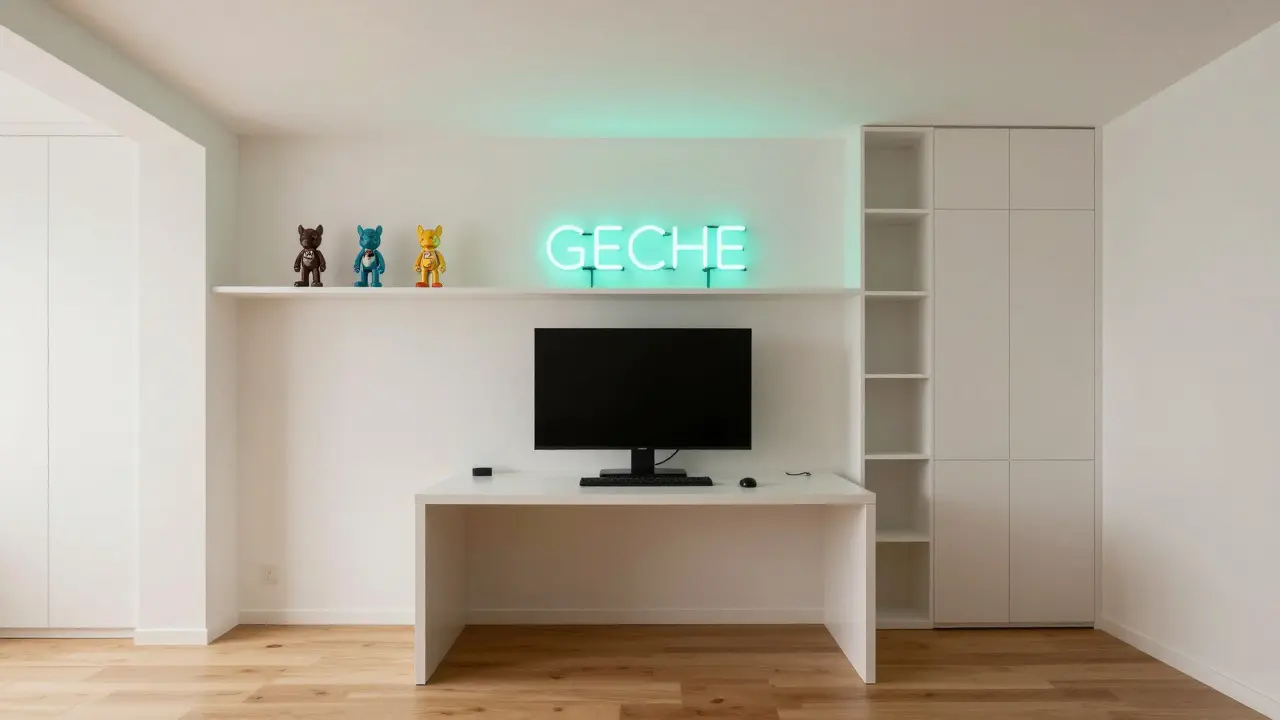
You don’t have to pick a side. Many successful gaming rooms adopt a "curated maximalism" or "organized minimalism" hybrid. This involves choosing a neutral base-white walls, wooden floors-and adding one or two bold focal points. For example, a sleek, cable-free desk (minimalist) paired with a single, striking neon sign above the TV (maximalist). Storage remains hidden in custom cabinetry, but one open shelf displays your three most prized collectibles. This balance allows for personality without overwhelming the senses.
Maintenance and Longevity
Dust is the enemy of both styles, but it affects them differently. In a minimalist room, dust on a clean white desk is immediately visible. You need a regular cleaning schedule to maintain the pristine look. In a maximalist room, dust accumulates on open shelves and intricate decor. While less noticeable against busy backgrounds, it can still affect sensitive electronics if not managed. Both approaches require commitment, but the type of maintenance differs. Minimalists polish surfaces; maximalists dust collections.
Frequently Asked Questions
Is a minimalist gaming room cheaper to set up?
Not necessarily. Minimalism often requires higher-quality, durable furniture because there are fewer pieces to hide flaws. Custom-built cabinets for hidden storage can be expensive. Maximalism can be cheaper if you use existing decor and buy affordable LED strips, but building a full display wall costs money too. Budget depends more on quality than style.
Can I convert a maximalist room to minimalist later?
Yes, but it requires significant effort. You will need to remove paint or wallpaper, replace colorful furniture with neutral tones, and invest in cable management solutions. It’s easier to start minimal and add elements gradually than to strip down a fully decorated maximalist space.
Does RGB lighting actually improve gaming performance?
Scientifically, no. Performance is determined by hardware specs. However, psychologically, the right ambiance can reduce stress and increase enjoyment, leading to longer, more consistent play sessions. Some players report feeling more 'in the zone' with ambient lighting that matches the game’s theme.
What is the best way to store a large game collection minimally?
Digitization is the most effective method. Keeping physical copies only for favorites and storing the rest in sealed boxes in a closet or garage keeps the room clean. If you must keep physical media visible, use slim, uniform cases in a closed cabinet with a single open slot for current plays.
How do I prevent a maximalist room from looking messy?
Use the rule of thirds: divide your display area into three sections and vary the height and depth of items within each. Group similar items together (e.g., all retro consoles in one section, all modern figures in another). Consistent spacing between objects creates visual rhythm, preventing the 'cluttered' look.