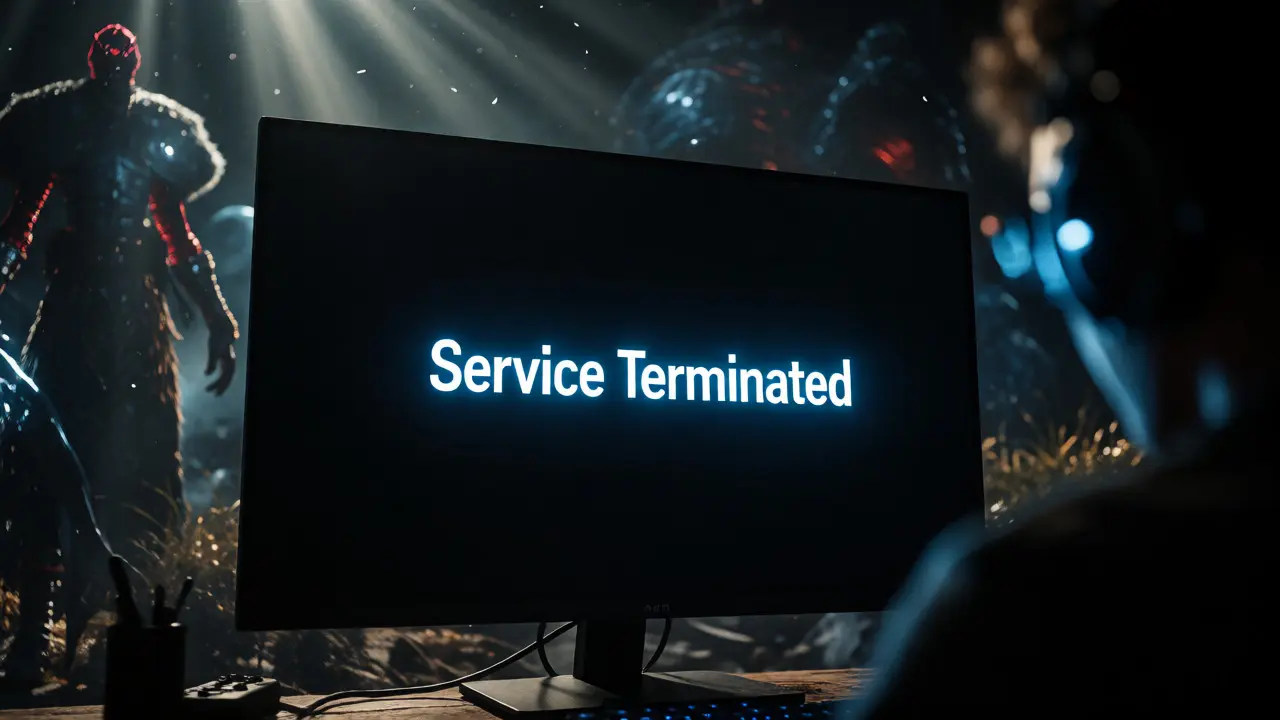
Imagine logging into your favorite MMO for the last time. The countdown clock hits zero, the screens go black, and a message pops up: "Service Terminated." For decades, this was an acceptable reality for arcade cabinets or single-player console games. But in the modern era of online-only video games, where the internet connection is as critical as the graphics card, a server shutdown doesn't just end support-it often erases the game entirely from existence. This isn't just about losing access; it's about the permanent loss of cultural history, community memories, and interactive art.
You might think that if you bought the game, you own it. In most cases, you don't. You purchased a license to use software while the company keeps the lights on. When they pull the plug, your library shrinks. This article breaks down why these digital deaths happen, what happens to the code and assets left behind, and the practical ways gamers are fighting back to keep these worlds alive long after the official servers have gone dark.
The Fragility of Always-On Gaming
Always-on gaming refers to titles that require a persistent internet connection to function, even for single-player experiences. Unlike traditional cartridges or discs, which contain all necessary data locally, online-only games rely on remote servers to validate purchases, manage inventories, and synchronize player progress. If those servers vanish, the local client becomes a useless shell.
Why do companies shut them down? It usually comes down to cost versus revenue. Maintaining dedicated servers, handling security patches, and providing customer support costs money. If a game's active player base drops below a certain threshold, the operational expenses outweigh the income from new sales or microtransactions. Publishers like EA, Ubisoft, and Activision have frequently retired older titles to redirect resources toward newer releases. For example, when Star Wars Battlefront II (2005) servers closed, players lost access to multiplayer modes permanently, despite owning physical copies of the game.
| Game Type | Dependency Level | Post-Shutdown Status | Recovery Difficulty |
|---|---|---|---|
| Single-Player Offline | Low | Fully Playable | N/A |
| Online Co-op (P2P) | Medium | Partially Playable | Moderate |
| MMO / Live Service | Critical | Inaccessible | High |
| DRM-Heavy Single Player | High | Broken Login | Moderate |
What Happens to the Data?
When a publisher announces a shutdown, they rarely release the source code to the public. Instead, they typically archive the binaries internally or delete them to save storage space. This creates a massive gap in our digital heritage. We have preserved books, films, and music because their formats are static. Video games, however, are dynamic systems dependent on external infrastructure.
Consider the case of Pure Online or early versions of SimCity (2013). These games required constant server checks for city simulation logic or anti-piracy verification. Once the authentication servers were offline, legitimate owners couldn't launch the game without workarounds. The data didn't disappear from your hard drive, but the key to unlocking it did. This highlights a crucial distinction: game assets are often preserved by fans through datamining, but server-side logic is lost unless reverse-engineered.
The Rise of Private Servers and Community Revival
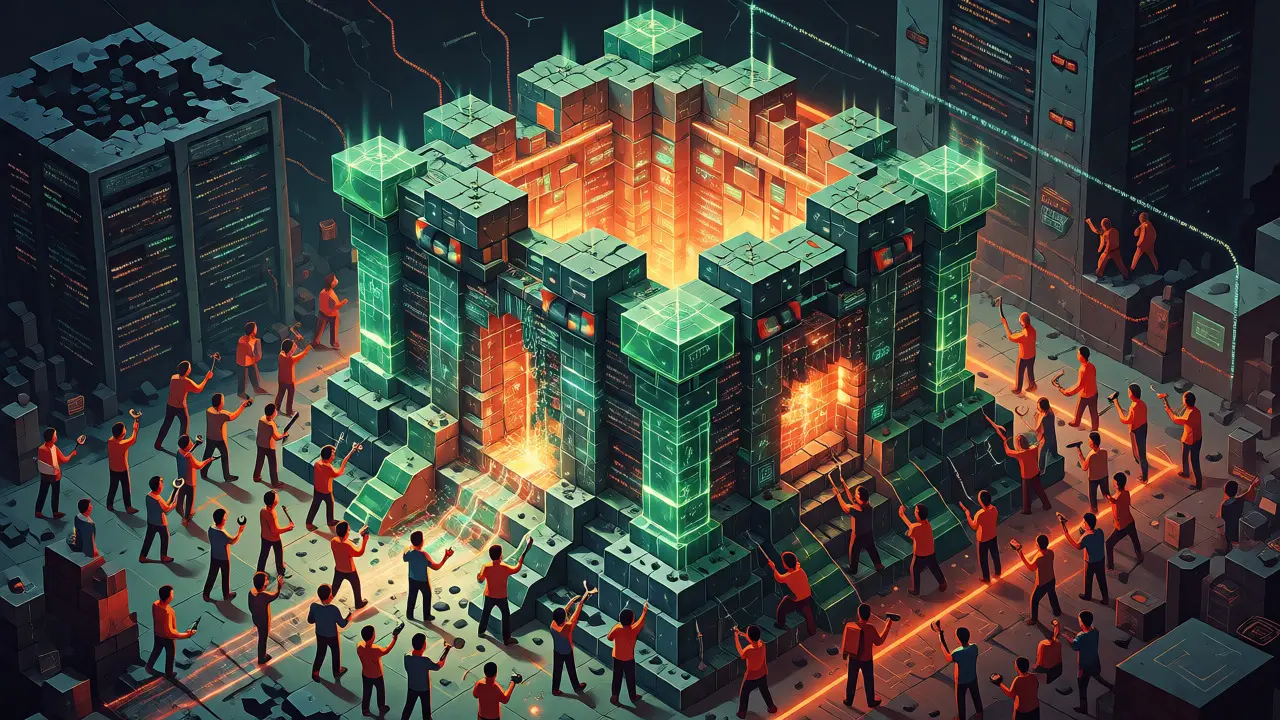
Where corporations see liability, communities see opportunity. One of the most effective methods for preserving online games is the creation of private servers. These are unofficial server implementations created by enthusiasts who reverse-engineer the network protocols used by the original game.
A prime example is World of Warcraft. While Blizzard still runs official servers, numerous private servers exist, ranging from "Vanilla" recreations to custom content mods. They prove that if the community wants a game enough, they can rebuild its backbone. However, not every game gets this treatment. Success depends on three factors:
- Protocol Complexity: Simple HTTP-based requests are easier to mimic than complex UDP-based real-time state synchronization.
- Community Size: There needs to be enough people willing to test, debug, and host the server infrastructure.
- Legal Tolerance: Some publishers actively sue private servers for copyright infringement, while others ignore them as free marketing.
Projects like OpenMW for The Elder Scrolls III: Morrowind show how open-source re-implementations can extend a game's life indefinitely. By rewriting the engine rather than just patching the executable, developers ensure compatibility with modern operating systems and hardware.
Emulation vs. Preservation: What’s the Difference?
People often confuse emulation with preservation, but they serve different roles. Emulation is the process of running software designed for one system on another, such as playing Nintendo 64 games on a PC using Project64. Preservation involves archiving the game files, documentation, and context so future generations can understand and play it.
For online games, emulation alone isn't enough. You need the server emulator too. Tools like Wiimmfi allow Wii users to connect to custom online services, bypassing the defunct Nintendo Wi-Fi Connection. Similarly, RetroArch supports netplay features that let friends play classic games together over the internet, effectively simulating the social aspect of older consoles.
Legal Gray Areas and Copyright Risks
If you're thinking about hosting a private server or downloading a fan-made patch, tread carefully. The legal landscape around abandonware-software no longer supported or sold by the developer-is murky. Technically, most online games remain under copyright protection for decades after release.
Publishers may issue DMCA takedowns against sites hosting ROMs or server executables. However, enforcement varies wildly. Companies like Sega have historically been aggressive, suing emulators and fan sites. Others, like Nintendo, tend to target commercial exploitation more than hobbyist preservation. The safest approach for individuals is to stick to personal use: buying the original copy, extracting the files yourself, and running them on local or self-hosted networks without distributing modified binaries publicly.
How You Can Help Preserve Gaming History
You don't need to be a coder to contribute. Here are actionable steps to help keep online games accessible:
- Buy Physical Copies When Possible: Discs and cartridges often contain the full game data, whereas digital downloads sometimes stream assets or rely on cloud saves.
- Support Preservation Organizations: Groups like the Video Game History Foundation or the Software Preservation Society rely on donations to archive rare media and lobby for legislative changes.
- Document Your Experiences: Record gameplay, take screenshots, and write guides. Context matters. Knowing how a raid felt in 2010 adds value beyond just the binary files.
- Join Community Projects: Look for Discord servers or forums dedicated to specific dead MMOs. Many need testers, translators, or wiki editors.
By taking these steps, you shift the burden from corporations to the collective memory of players. It ensures that even if the official lights go out, the game doesn't have to die in darkness.
Do I own my digital games if the servers shut down?
Generally, no. Most End User License Agreements (EULAs) grant you a revocable license to use the software while the service is active. Once the publisher terminates the service, your right to play often ends, especially for online-dependent titles.
Are private servers legal?
It depends on jurisdiction and implementation. Hosting a private server involves copying copyrighted code and assets. While many operate in a gray area tolerated by publishers, they technically infringe on copyright if done without permission. Commercializing them increases legal risk significantly.
Can I play offline if I buy the disc version of an online game?
Not always. Many modern games require Day-One patches or mandatory online activation even for single-player campaigns. If the authentication server goes down, you may be unable to launch the game unless a community fix removes the DRM check.
What is the difference between emulation and porting?
Emulation mimics the hardware environment of the original system in software, allowing the original code to run unchanged. Porting involves rewriting the game code to run natively on a different platform, often requiring significant development effort and source code access.
Will AI help preserve old games?
Potentially. AI tools can assist in decompiling code, restoring corrupted textures, or even generating missing audio assets. However, human curation remains essential to verify accuracy and maintain the artistic intent of the original developers.