There is a specific kind of heartbreak that happens when you find the perfect video game on a Japanese auction site, bid with confidence, and then realize your PlayStation 5 won't read the disc because it's locked to Region 2. Or worse, you import a beautiful European edition only to find the manual is in German and the power adapter doesn't fit your outlet. Importing games isn't just about buying things; it's about navigating a maze of regional locks, shipping logistics, and customs surprises. But if you know where to look and what to check, you can unlock a library of titles that never made it out of Tokyo or London.
| Region Code | Primary Markets | Hardware Compatibility | Language Default |
|---|---|---|---|
| NTSC-J (1) | Japan, Southeast Asia | Modern consoles are often region-free for discs, but PS3/PS Vita may lock. | Japanese |
| PAL (2) | Europe, Australia, Brazil | Generally compatible with NTSC-U hardware on modern systems. | English/French/German/Spanish |
| NTSC-U/C (4) | North America | The standard for US buyers. | English |
Where to Find the Best Deals Online
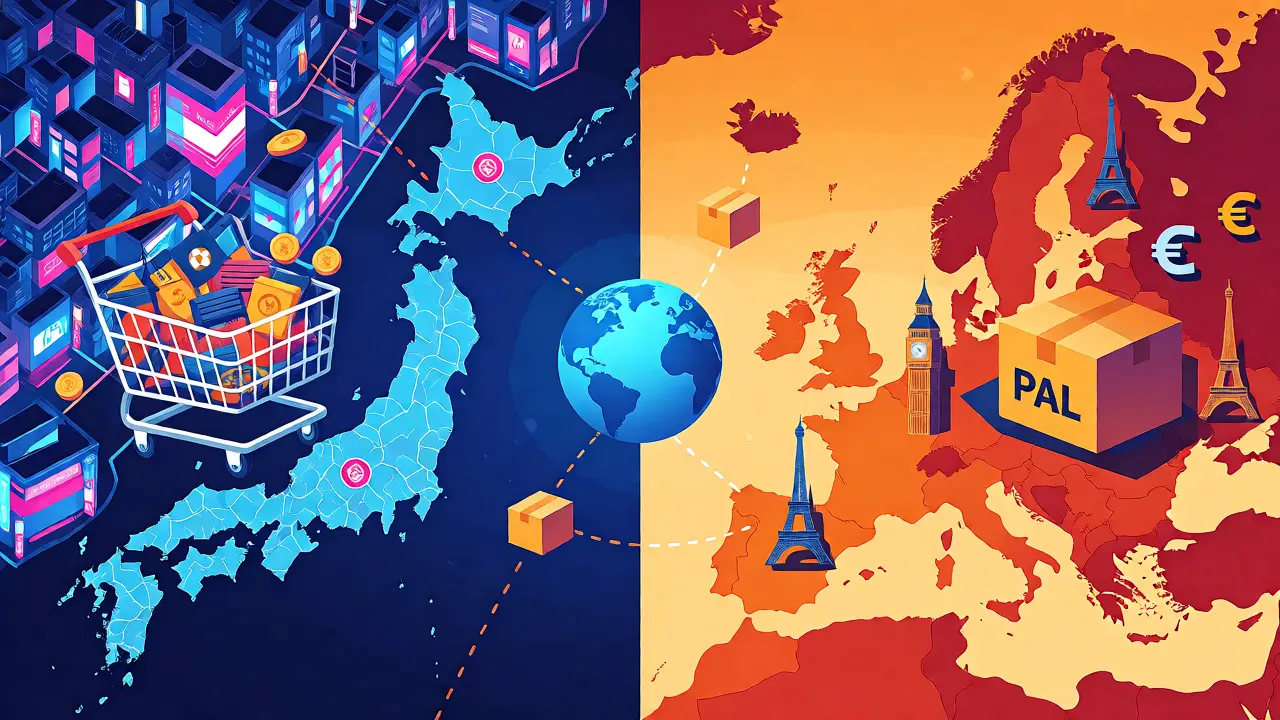
You don't need to fly to Akihabara to find rare gems anymore. The best inventory lives online, but each marketplace has its own quirks. If you're hunting for retro classics or limited-edition Japanese releases, Yahoo! Auctions Japan is the gold standard. It’s massive, cheap, and full of stuff you’ll never see on Amazon. However, it requires a proxy service like Buyee or ZenMarket to ship internationally, which adds cost and time.
For European imports, Amazon.co.uk and Amazon.de are surprisingly user-friendly. You can often order directly to the US without a middleman. Just be careful with currency conversion fees. Another strong contender is Play-Asia.com. They’ve been around forever, they speak English, and they handle the customs paperwork for you. The downside? Their prices include a markup, and their customer service can be slow. For collectors who want zero hassle, Play-Asia is worth the extra ten dollars. For bargain hunters, Yahoo! Auctions wins every time.
Understanding Region Locks and Hardware
This is where most beginners get burned. Let’s clear up the myth that "all modern consoles are region-free." That’s mostly true for physical media on Xbox Series X|S and Nintendo Switch, but there are exceptions. Sony’s PlayStation 5 plays almost any Blu-ray game disc regardless of region, but DLC (Downloadable Content) is strictly tied to the store account region. If you buy a Japanese copy of Elden Ring, you must redeem the code on a Japanese PSN account. If you try to use a US code on a JP account, it fails.
Nintendo Switch is unique. The console itself is region-free for cartridges. You can play a Japanese cartridge on a US console. But again, eShop purchases are locked. You cannot buy a digital game from the EU eShop using a US account balance. This forces many collectors to create multiple accounts or use prepaid cards purchased in the target region. Always check if the game you’re importing has a digital component that requires a specific store region.
Language Barriers and Localization
Just because a game box looks cool doesn’t mean you can understand the tutorial. Many Japanese imports are text-heavy RPGs or visual novels with no English patch available. Before you click "buy," check sites like RPGGeek or VGMdb to see if a fan translation exists. Some games have built-in language toggles; others require hacking or modding.
European imports usually offer multi-language support, including English. This makes PAL regions safer for casual gamers. However, watch out for "PAL Speedups." Older PAL games ran at 50Hz instead of 60Hz, making them run 17% slower than their NTSC counterparts. On modern hardware, this issue is largely gone, but if you’re collecting for authenticity, you might care about frame rate differences.
Shipping Costs and Customs Duties
Here is the hidden killer of import budgets: shipping. A $10 game can cost $25 to ship via EMS (Express Mail Service). Sellers often combine items to save money, so grouping three small games into one package is smarter than ordering them separately. Use a weight calculator before checking out. Most sellers charge by actual weight or dimensional weight, whichever is higher.
Then there’s customs. In the United States, shipments under $800 are generally duty-free thanks to the de minimis threshold. If your order exceeds that, you might pay a flat fee or a percentage based on the item type. Video games usually fall under low-duty categories, but it’s not guaranteed. Keep receipts handy. If customs questions your package, having a printout of the invoice helps speed things up. Don’t lie about the value; inspectors scan packages regularly, and fines outweigh the saved tax.
Condition Grading and Authenticity
Buying used imports means trusting a stranger’s grading scale. Japanese sellers use strict standards. "New" means factory sealed. "Like New" might mean opened but unplayed. "Good" could mean scratched cases or missing manuals. Always ask for photos if the listing description is vague. Look for signs of water damage or sun bleaching, common issues in older stock.
Counterfeits are rarer in gaming than sneakers, but fake "limited edition" bundles exist. Check the spine number, the barcode, and the quality of the manual printing. If a deal seems too good to be true-like a first-print Final Fantasy VII for $20-it probably is. Stick to reputable sellers with high feedback scores on platforms like Yahoo! Auctions or eBay. Avoid private Facebook groups unless you have references.
Tips for First-Time Importers
- Check Power Requirements: Consoles from Europe or Japan might need different plugs or voltage converters. Modern power bricks are usually dual-voltage (100-240V), but always verify.
- Read the Manual First: If you can’t read the language, search for "[Game Name] English manual PDF." Many fans upload scans online.
- Use a Proxy for Yahoo!: Direct bidding is hard due to language barriers and payment restrictions. Services like Buyee translate listings and accept international credit cards.
- Factor in Time: International shipping takes 2-4 weeks. Plan ahead if you want the game for a holiday.
Can I play Japanese games on my American PS5?
Yes, physically. The PS5 is region-free for disc playback. However, any DLC or updates must be downloaded from the corresponding region's PlayStation Store. You will likely need to create a separate PSN account for Japan to access those extras.
Is it cheaper to buy games from Amazon UK or a specialized importer?
It depends on the title. Amazon UK is great for mainstream European releases with no language barrier. Specialized importers like Play-Asia are better for niche Japanese titles, though their markup and shipping costs can make small orders expensive. Compare the total landed cost (item + shipping + tax).
What is the safest way to pay for imports?
Credit cards offer the best fraud protection. PayPal is also safe if the seller accepts it, as it provides buyer dispute resolution. Avoid wire transfers or direct bank payments to unknown individuals, especially on auction sites, as recovering funds is nearly impossible.
Do I need to worry about customs duties on imported games?
In the US, shipments valued under $800 typically enter duty-free. Above that, you may owe a small percentage. Taxes vary by country, so check your local regulations. Always declare the correct value to avoid delays or fines.
Are European games slower than American ones?
On modern consoles (PS4, PS5, Xbox One/Series X, Switch), no. The old "PAL speedup" issue applied to CRT-era games running at 50Hz. Current HD televisions and consoles run all regions at 60Hz, so gameplay speed is identical.