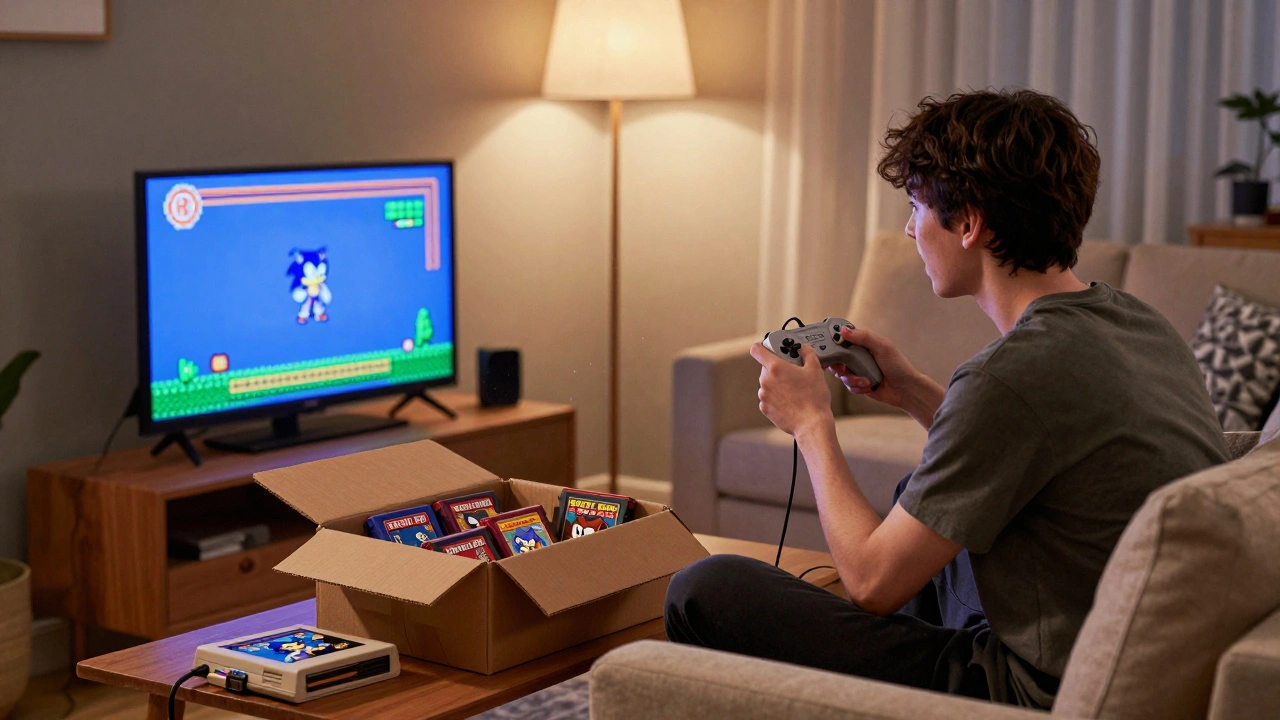
Walking into a thrift store or scrolling through eBay can feel overwhelming if you’re just starting your retro gaming journey. You see the Super Nintendo, the Sega Genesis, and the original PlayStation, but which one should you actually buy? The truth is, not every classic console is created equal when it comes to affordability and ease of use. Some systems are becoming prohibitively expensive, while others offer incredible value for beginners.
If you want to build a physical game collection without breaking the bank, you need to focus on hardware that is durable, has a massive library of cheap games, and works well with modern TVs. In this guide, we break down the best entry-level retro video game systems for new collectors in 2026, helping you decide where to spend your first $150.
The Gold Standard: Sega Genesis / Mega Drive
When it comes to pure value, Sega Genesis (known as the Mega Drive outside North America) is hard to beat. Released in 1988 in Japan and 1989 in the US, this 16-bit powerhouse is widely considered the best deal in retro gaming right now. Why? Because the hardware is incredibly common, and the games are still affordable.
You can often find a working "Model 2" Genesis-the smaller, more reliable version released in 1993-for between $25 and $45. Unlike cartridge-based rivals, many Genesis titles remain under $10. Classics like Sonic the Hedgehog 2, Streets of Rage 2, and Gunstar Heroes usually cost between $15 and $30. This means you can build a solid 10-game collection for under $150 total, including the console.
- Average Console Cost: $25-$45 (Model 2)
- Game Prices: $5-$30 for most classics
- Library Size: ~900-1,000 official releases
- Best For: Arcade-style action, platformers, and beat-'em-ups
The Genesis also handles video output surprisingly well. Many models support RGB signal, which looks crisp on modern upscalers or CRT televisions. It’s a low-friction way to start collecting because you don’t need to worry about complex modding or expensive adapters to get a good picture.
The Library King: Sony PlayStation 2
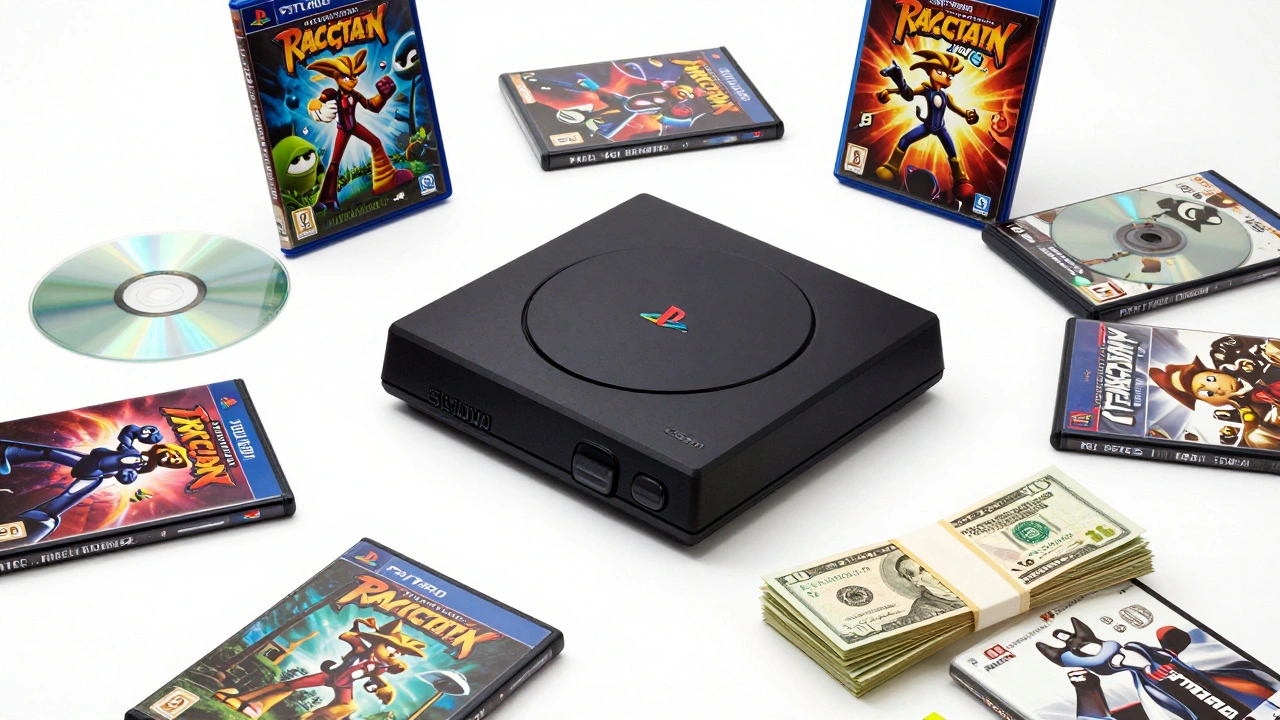
If you prefer disc-based media over cartridges, the PlayStation 2 is arguably the smartest entry point. Launched in 2000, the PS2 sold roughly 155 million units worldwide, making it the best-selling home console of all time. That massive production run translates to incredibly cheap software today.
Working "Slim" models of the PS2 typically sell for $60-$100, while older "Fat" models might be cheaper ($30-$50) but may require laser repairs. The real draw here is the library. With over 3,800 titles, you can find mainstream games like Ratchet & Clank, Jak and Daxter, and various sports titles for just $3-$10 each. Even deeper cuts like JRPGs often stay under $20 unless they are extreme rarities.
One major advantage for beginners is backward compatibility. Your PS2 will play almost all PlayStation 1 discs, effectively giving you two generations of games for the price of one system. Just keep in mind that disc drives can wear out after 20+ years. Budget an extra $20-$40 for a replacement laser unit if your console starts skipping discs.
The Flexible Hub: Nintendo Wii
The Nintendo Wii is often overlooked by hardcore retro enthusiasts, but for a new collector, it’s a hidden gem. Released in 2006, the Wii sold over 101 million units. As a result, you can pick up a working console for around $45-$60.
The early white models (RVL-001) feature built-in backward compatibility with the Nintendo GameCube. This means you can play thousands of Wii games and hundreds of GameCube titles-like Super Smash Bros. Melee or Metroid Prime-on a single device. It’s a cost-effective way to access two distinct eras of Nintendo history.
Additionally, the Wii community is huge. If you’re interested in tinkering, "softmodding" a Wii takes less than an hour using tools like LetterBomb. This allows you to run emulators for even older systems (NES, SNES, N64) directly from the Wii, turning it into a versatile retro hub. However, be aware that Wii Remotes can be pricey to replace, and component cables are often required for the best video quality on modern HDTVs.
The Quality Pick: Super Nintendo Entertainment System (SNES)
The Super Nintendo is consistently ranked as the best overall starter console for gameplay quality, but it comes with a warning: prices have risen. Released in 1990 in Japan and 1991 in North America, the SNES boasts a legendary library of ~1,750 games, including masterpieces like The Legend of Zelda: A Link to the Past and Super Metroid.
Hardware is robust and often survives decades of use, but unboxed consoles now routinely sell for $100-$150. More importantly, game prices have skyrocketed. While generic sports titles might still be $10-$20, iconic carts like Donkey Kong Country or EarthBound can cost $40-$200+.
If you choose the SNES, treat it as a curated hobby rather than a bulk-buy opportunity. Focus on finding used copies of lesser-known gems or heavily produced titles to keep costs down. It’s the best system for 2D pixel art perfection, but it requires a tighter budget discipline than the Genesis or PS2.
Budget Alternatives: Mini Consoles and Handhelds
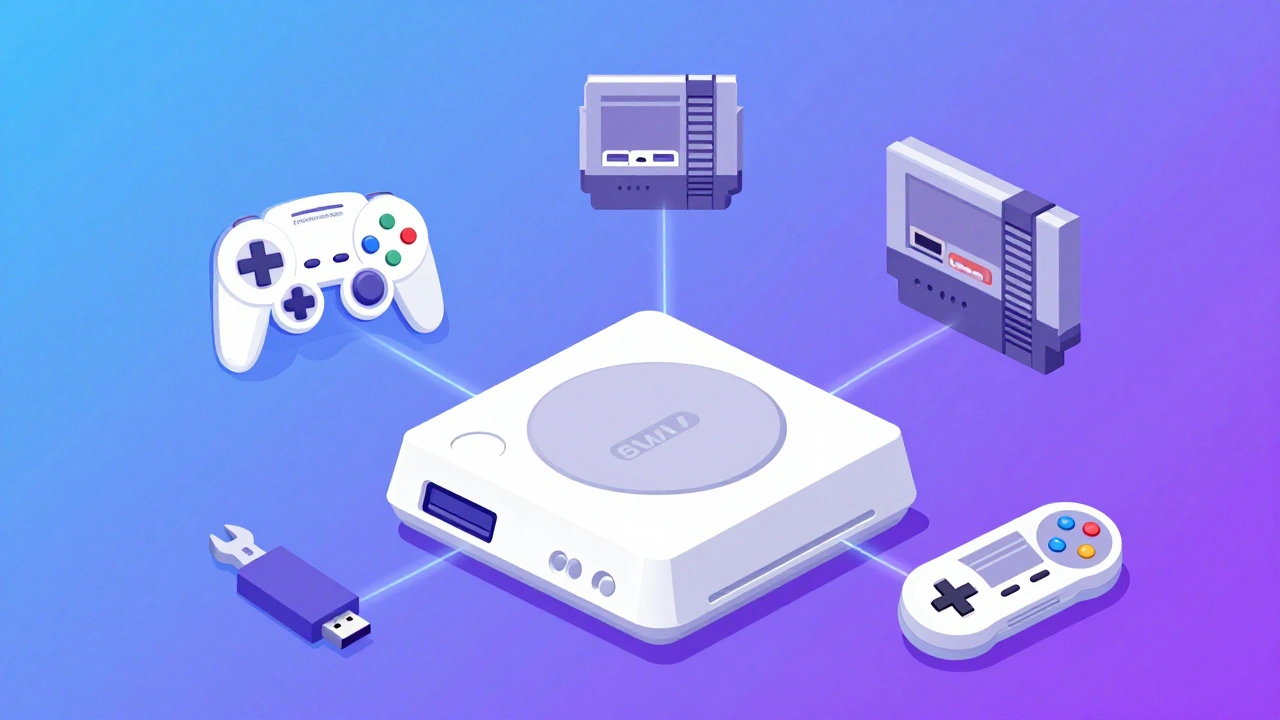
If you aren’t ready to commit to physical collecting, mini consoles and handheld emulation devices offer a low-risk entry. The PlayStation Classic, originally priced at $99, now sells for $40-$60 on the secondary market. While the stock game selection is limited, the device is easily hackable. By installing custom firmware via USB, you can run thousands of PS1, SNES, and Genesis ROMs on its ARM-based hardware. It’s essentially a cheap, portable emulation box.
Similarly, handhelds like the Miyoo Mini Plus (~$55) provide instant access to 8-bit and 16-bit libraries. These devices don’t play original cartridges, so they won’t help you build a physical collection, but they are excellent for testing whether you enjoy specific genres before investing in expensive original hardware.
Systems to Avoid for Beginners
Not every retro system is beginner-friendly. Here are three systems to skip until you’ve gained experience:
- Sega Saturn: Powerful but expensive. NTSC-U consoles cost $120-$180, and games like Panzer Dragoon Saga can exceed $300. Region locking adds complexity for new collectors.
- TurboGrafx-16 / PC Engine: While the library is respected, the CD add-on required for the best games costs $200-$300 alone, making the total setup prohibitively expensive.
- ZX Spectrum: An 8-bit computer with a massive library, but it lacks standard controller inputs and requires RF/composite setups that are cumbersome for modern players.
| Console | Avg. Hardware Cost | Avg. Game Cost | Media Type | Best For |
|---|---|---|---|---|
| Sega Genesis | $25-$45 | $5-$30 | Cartridge | Value & Action Games |
| PlayStation 2 | $60-$100 | $3-$10 | Disc | Largest Library & RPGs |
| Nintendo Wii | $45-$60 | $5-$15 | Disc | Versatility & Emulation |
| Super Nintendo | $100-$150 | $20-$50+ | Cartridge | Classic 16-Bit Masterpieces |
How to Start Your Collection on a Budget
Starting a retro collection doesn’t require spending thousands. Follow these steps to build a sustainable hobby:
- Set a Hardware Cap: Limit your first-year hardware spend to $150-$300. Buy one workhorse console (PS2 or Wii) and one niche system (Genesis).
- Buy Used, Not Mint: Avoid "Complete in Box" (CIB) copies initially. Loose cartridges and discs are significantly cheaper and function identically.
- Check Local Markets: Thrift stores, garage sales, and Facebook Marketplace often have consoles priced far below online averages. Look for bundles that include controllers and cables.
- Focus on Personal Favorites: Don’t chase "grail" games you haven’t played. Buy titles you know you’ll enjoy, then expand from there.
- Learn Basic Maintenance: Clean contacts regularly. For disc consoles, learn how to clean lenses or replace lasers cheaply before buying new units.
By focusing on high-volume systems like the Sega Genesis and PlayStation 2, you ensure that your collection grows steadily without financial stress. As you gain confidence, you can gradually move into more expensive territories like the SNES or Saturn.
What is the cheapest retro console to collect for in 2026?
The Sega Genesis (specifically Model 2) is generally the cheapest entry point. Consoles range from $25-$45, and many games are available for under $10. The PlayStation 2 is also very affordable due to its massive library size.
Is the Super Nintendo worth the higher price for beginners?
Yes, if you prioritize gameplay quality and 2D graphics. The SNES has some of the best games ever made. However, expect to pay more for both hardware ($100+) and popular games ($20-$50+). It is less budget-friendly than disc-based systems.
Can I play original games on a PlayStation Classic?
No, the PlayStation Classic does not accept original discs. It is a mini-console with pre-installed games. However, it can be hacked to run ROMs of PS1, SNES, and other games via USB, making it a flexible emulation device.
Why is the Nintendo Wii recommended for retro collectors?
The Wii is recommended because it is cheap ($45-$60), abundant, and offers backward compatibility with the GameCube. Early models allow you to play two generations of Nintendo games. Additionally, it is easy to modify for running emulators of older systems.
Should I buy Complete in Box (CIB) copies as a new collector?
Not initially. CIB copies command a premium price. For a starter collection, focus on loose cartridges or discs to maximize the number of games you can afford. Upgrade to boxed copies later as your budget allows.