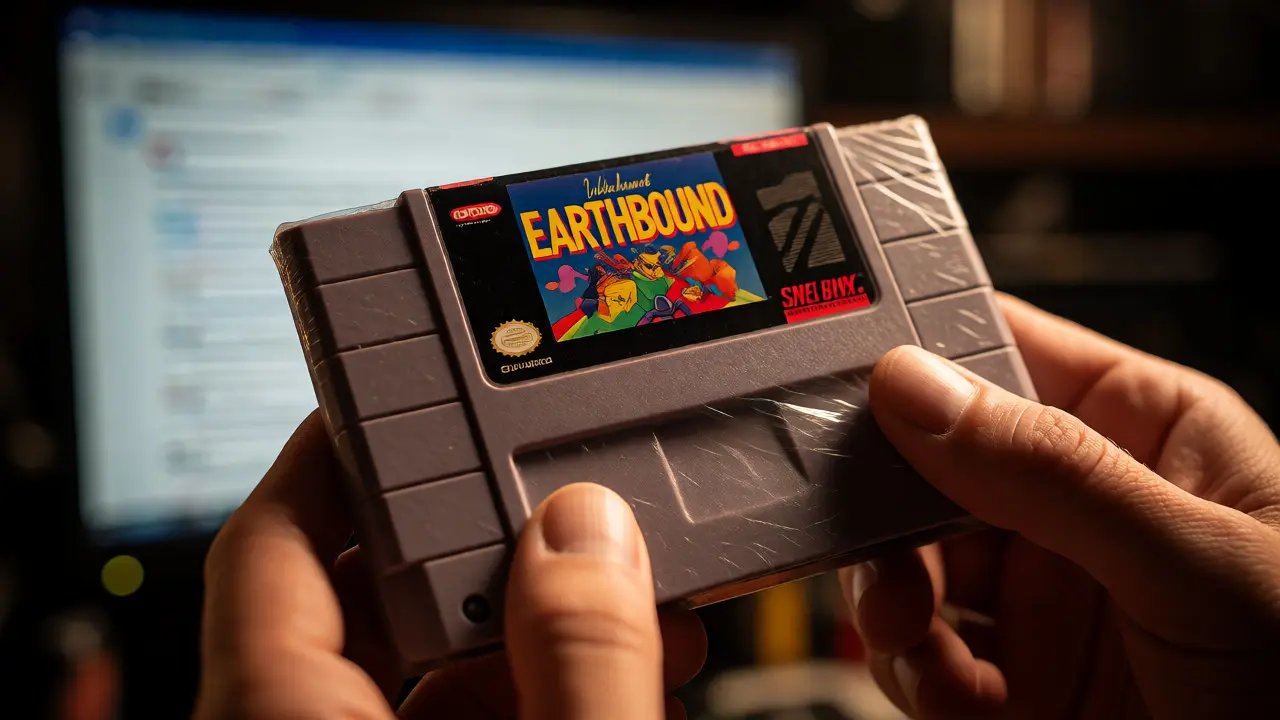
You just scored a copy of EarthBound on eBay for $40. It feels like a steal. But then you look closer at the seal. Is it factory shrink or a clever re-shrink? If you post that photo on a random Facebook group, you’ll get fifty different answers from people who learned their "expertise" from TikTok videos. You need trusted information. You need places where collectors have argued over pixel counts and spine art for decades.
Finding the right community is half the battle in video game collecting. The wrong forum will sell you junk as treasure. The right one will save you thousands by spotting fakes before you bid. Here’s how to navigate the digital town squares of the hobby without getting burned.
Why General Social Media Fails Serious Collectors
Facebook groups and Reddit threads are fast, but they lack accountability. In a group with 100,000 members, anyone can claim to be an expert. There is no history. There is no reputation system tied to accurate valuations. When you ask about a specific variant of Sonic the Hedgehog for the Genesis, you might get a correct answer, or you might get someone guessing based on what they saw in a movie last week.
Dedicated forums operate differently. They use legacy software structures-often phpBB or vBulletin-that encourage long-form discussion. Users build reputations over years. If a moderator says a box is fake, they usually provide photographic evidence and link to previous discussions. This archival depth is crucial. You aren’t just asking a question; you’re tapping into a database of collective experience.
| Community Type | Information Reliability | Response Speed | Best For |
|---|---|---|---|
| Facebook Groups | Low (High noise) | Very Fast | Casual browsing, local sales |
| Reddit (r/gamecollecting) | Medium (Crowdsourced) | Fast | Showcasing finds, general advice |
| Niche Forums (e.g., Sega-16) | High (Expert vetted) | Moderate | Authentication, deep lore, variants |
| Auction House Comments | Variable | Slow | Price checking only |
The Heavy Hitters: Large-Scale Collector Networks
If you want broad coverage across multiple consoles, you start with the big names. These sites have been around since the early 2000s. Their databases are massive, and their user bases include professional resellers and museum curators.
VideoGameCollector.com is arguably the most comprehensive resource for price guides and identification. It’s not just a forum; it’s a searchable index. When you’re unsure if a cartridge label matches the board revision, this is where you check first. The forum section here is less about chat and more about data verification. Users upload high-res scans of rare prototypes. If you find something weird, posting it here often leads to a definitive "yes, this exists" or "no, this is a bootleg."
Another pillar is Retro Gaming Forum. While the name sounds generic, its strength lies in hardware repair and modification. Collectors often forget that condition includes functionality. A pristine box means nothing if the console won’t boot. This community excels at troubleshooting. If you buy a used NES top-loader, you can ask here whether the RF modulator issues are common for your serial number range. The advice is technical and grounded in electronics knowledge, not just aesthetic appreciation.
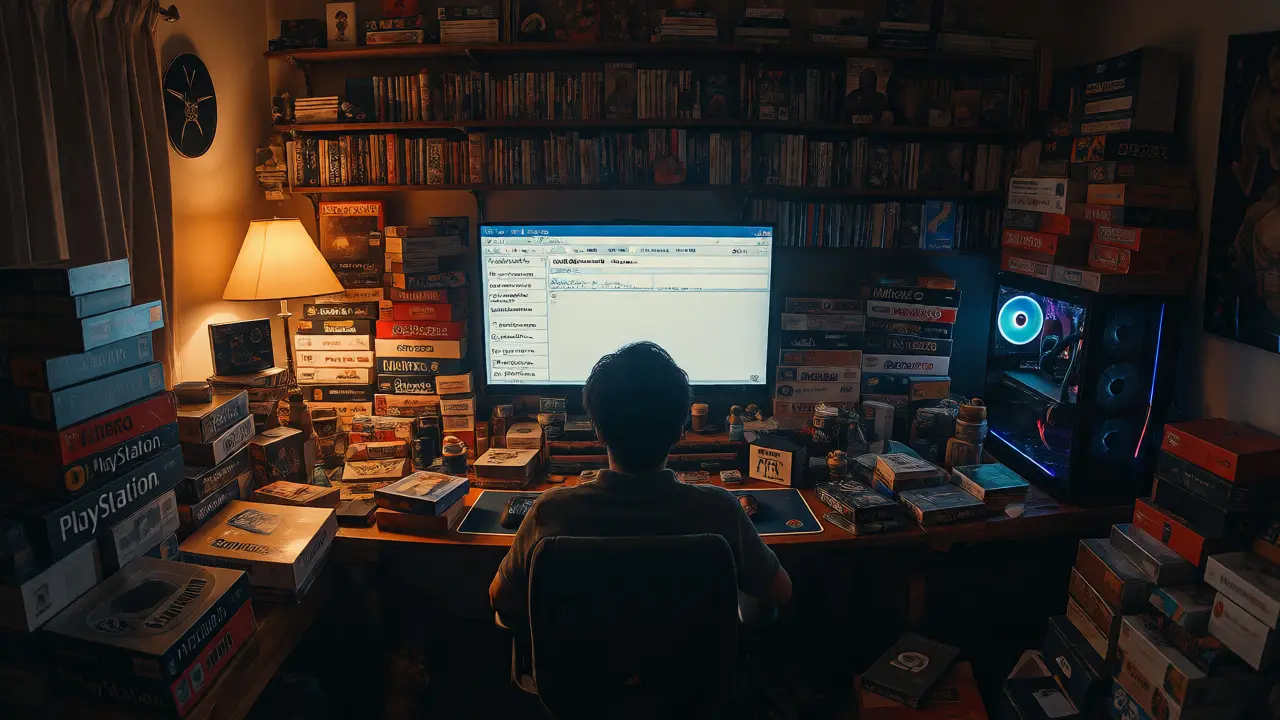
Console-Specific Sanctuaries
Generalist forums sometimes miss the nuances of specific ecosystems. Nintendo fans, for instance, tend to cluster separately because the market dynamics differ wildly from PlayStation or Xbox. The Nintendo community is obsessed with completeness. Missing a cardboard insert or a specific style of polybag changes the value significantly.
NintendoAge started as a news site but evolved into a robust community. Its forum sections dedicated to trading and collecting are surprisingly active. What makes it valuable is the demographic mix. You’ll find older collectors who remember buying these games new in 1995 alongside younger enthusiasts driving up prices. This clash creates interesting debates about fair market value versus sentimental value. It’s a good place to gauge if a price spike is real demand or just hype.
For Sega collectors, Sega-16.com remains the gold standard. Despite being quieter than it was ten years ago, the archives are unmatched. Search for "Genesis 32X compatibility" or "Mega Drive PAL variants," and you’ll find threads from 2004 that still hold true today. The users here are meticulous. They document regional differences in packaging down to the font weight on the back cover. If you collect Sega hardware, ignoring this site is financial negligence.
Sony collectors often flock to PSX-Scene or specialized subreddits, but for serious vintage PlayStation 1 and 2 collecting, PlayStation Scene’s forum archives are useful for understanding disc rot patterns and case cracking issues. Unlike Nintendo boxes, Sony cases are prone to specific types of damage. Knowing which production runs used brittle plastic saves you from buying a cracked case thinking it’s normal wear.
How to Spot a Toxic or Useless Forum
Not all forums are created equal. Some are ghost towns. Others are echo chambers where everyone agrees just to avoid conflict. How do you tell the difference before you spend hours reading?
- Check the Last Post Date: If the main discussion threads haven’t moved in six months, the community is dead. Go somewhere else.
- Look for Moderation Quality: Are spam posts deleted quickly? Is there a clear set of rules for selling? Bad moderation leads to scams.
- Analyze the Tone: Good forums debate facts. Bad forums attack people. If someone asks a beginner question and gets mocked, leave. You want peers, not gatekeepers.
- Verify Expertise Claims: Do "experts" cite sources? Do they show photos of their own collections? Or do they just assert authority?
A red flag is when a forum becomes purely transactional. If every thread is "WTS" (Want To Sell) or "WTB" (Want To Buy), you’ve lost the educational component. You want a place where people discuss *why* a game is rare, not just *what* it costs. That historical context protects you during market bubbles.

Leveraging Reputation Systems for Safer Trades
Most reputable forums have built-in feedback systems. On platforms like VGCollectors, users maintain a trade score. Before you send money to a stranger for a sealed copy of Final Fantasy VI, check their profile. Look for three things:
- Volume of Transactions: A user with 500 positive trades is safer than one with 5.
- Recency: Did they trade successfully last week? Old feedback doesn’t guarantee current honesty.
- Specific Feedback Comments: Read the text. "Good packer" matters if you’re shipping fragile acrylic stands. "Accurate description" matters if you’re buying graded items.
This system reduces risk. It turns anonymous internet strangers into accountable entities. If someone rips you off, the whole community knows. That social pressure keeps the marketplace honest. Always prioritize sellers with verifiable history over those offering slightly lower prices with zero track record.
The Future of Digital Collecting Communities
The landscape is shifting. Discord servers are replacing traditional forums for quick chats. While Discord is great for real-time banter, it’s terrible for archiving information. Important details get buried in scrollback within minutes. As a collector, you should use Discord for networking and alerts, but keep your reference materials on static forums or wikis.
New platforms like Backloggery integrate social features with collection tracking. These hybrid models allow you to see what friends are playing while discussing completion rates. However, they rarely offer the deep authentication help found on legacy boards. Don’t abandon the old guard yet. The knowledge base is too valuable to lose.
Ultimately, the best forum is the one that aligns with your specific niche. If you collect obscure PC shareware from the 90s, a Nintendo-centric board won’t help you. If you chase sealed Atari cartridges, you need experts in shrink-wrap analysis, not software emulation. Identify your primary focus, join two specialized communities, and lurk for a month before posting. Learn the culture. Then contribute. Your wallet-and your shelf-will thank you.
Are paid membership forums worth it for video game collectors?
Generally, no. Most high-quality information is available on free platforms like Retro Gaming Forum or VideoGameCollector.com. Paid sites often restrict access to basic price guides that are freely available elsewhere. Unless the subscription offers exclusive auction access or detailed historical databases not found publicly, stick to free communities.
How do I verify if a forum user is actually an expert?
Look for consistency over time. Check their post history for accuracy. Experts often reference primary sources, such as manufacturer catalogs or patent filings, rather than just opinion. Also, see if other recognized moderators or long-time members endorse their claims. Real expertise withstands scrutiny from multiple angles.
Can I trust price estimates given in forum comments?
Treat them as anecdotal data points, not gospel. Prices fluctuate rapidly. Use forum estimates to spot outliers. If everyone says a game is worth $50 and someone lists it for $200, investigate why. Cross-reference with completed eBay auctions and recent sales on PriceCharting to confirm current market reality.
What is the biggest mistake beginners make on collecting forums?
Posting low-resolution photos. Authentication relies on tiny details like glue lines, print quality, and barcode fonts. Blurry images lead to incorrect identifications. Always upload clear, well-lit photos of the front, back, spine, and any unique identifiers. This respects the community's time and gets you faster, more accurate answers.
Do I need to join multiple forums?
Yes, if you collect across different eras or platforms. No single forum covers everything comprehensively. Join one large generalist site for broad news and pricing, and one or two niche sites for your specific consoles. This diversifies your information sources and prevents echo-chamber bias regarding values and authenticity.