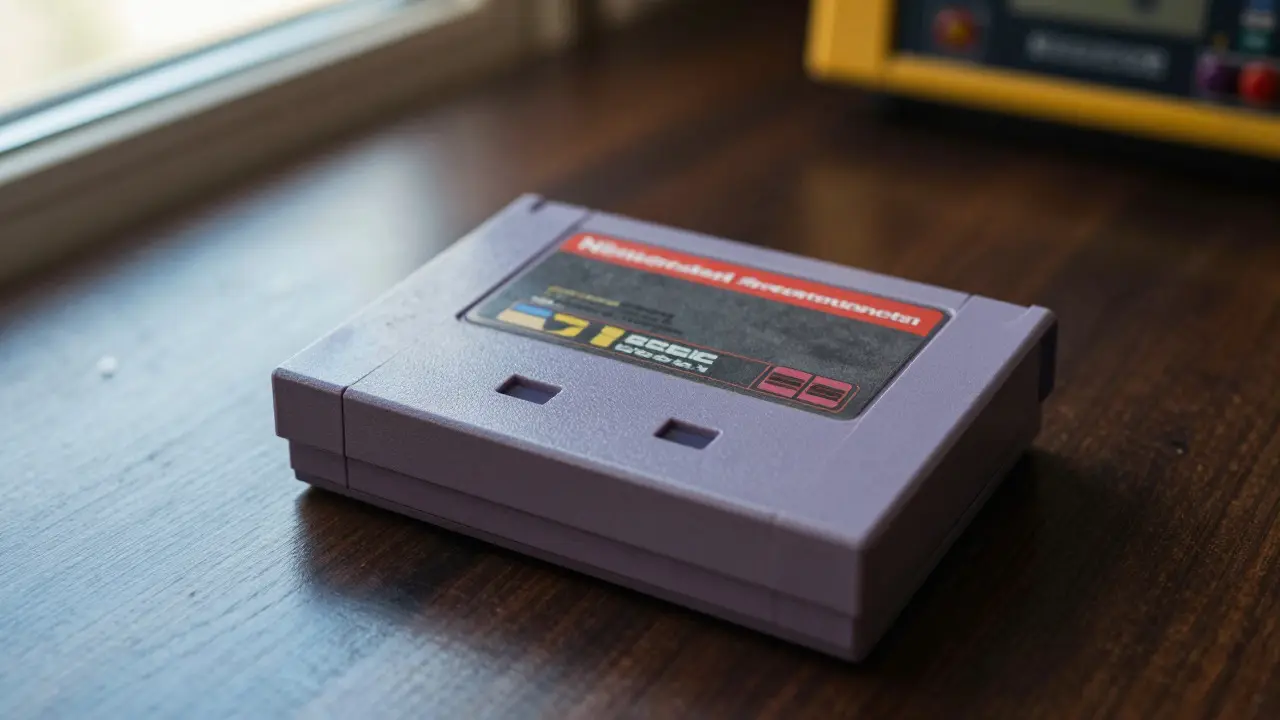
Imagine waking up to a notification that a popular YouTuber just featured your rare Nintendo Entertainment System cartridge in their latest video. For many collectors, this is the holy grail of validation. But getting there isn't about waiting for someone to find you; it's about strategic outreach. If you have a unique piece of gaming history or a massive library of retro titles, you hold value that content creators are actively seeking. The key lies in understanding what they need and how to present your collection without sounding like a desperate salesperson.
Understanding What Creators Actually Want
Before you draft a single email, you need to shift your mindset from "I want to show off my stuff" to "Here is something that helps your audience." Content creators, whether they focus on retro gaming, speedrunning, or general tech reviews, are constantly hunting for fresh angles. They don't just want another copy of Sonic the Hedgehog. They want the prototype version, the misprinted box art, or the specific region-exclusive title that adds narrative depth to their video.
Creators prioritize three things: visual appeal, story potential, and accessibility. If your game has a cracked screen but an incredible backstory about where it was found, that’s a story. If it’s pristine but common, it’s just inventory. Your pitch needs to highlight the intersection of these elements. For example, a first-run pressing of a controversial title offers both visual rarity and cultural discussion points. This dual value makes it a prime candidate for a feature segment rather than just a background prop.
Building Your Digital Portfolio
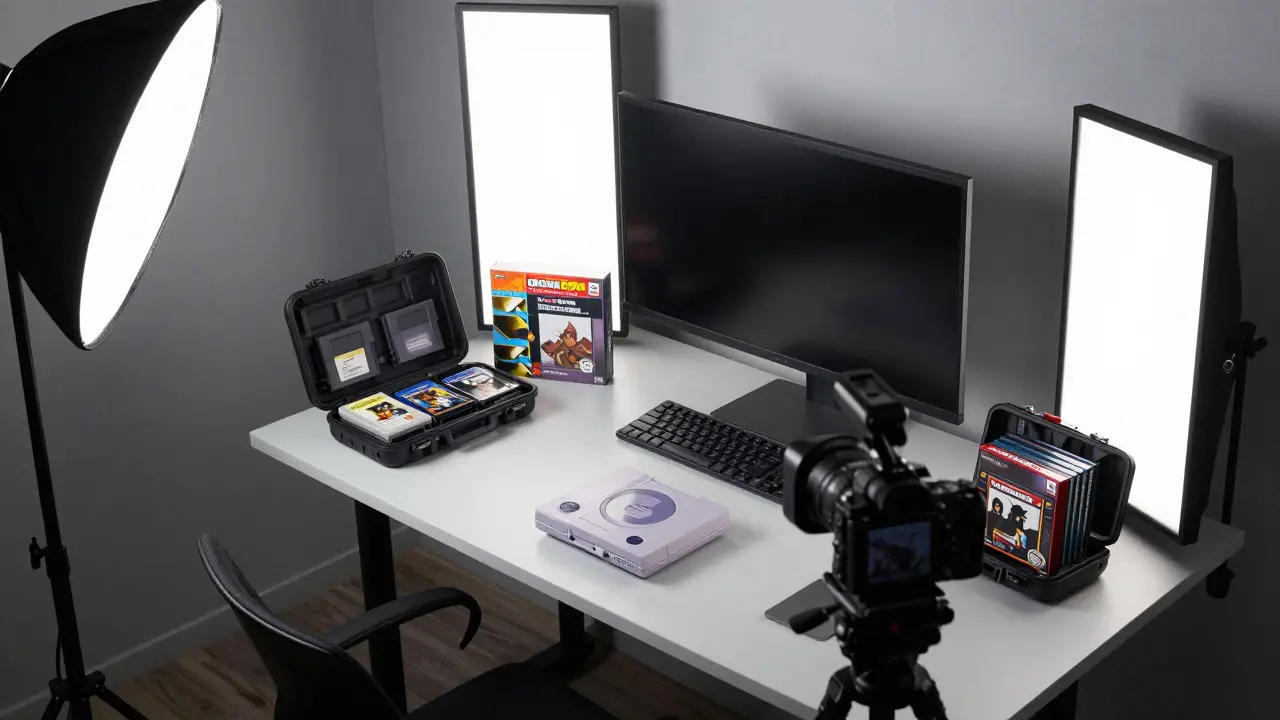
You can’t pitch what people can’t see clearly. Before reaching out, ensure your collection is documented professionally. High-resolution photos are non-negotiable. Use natural light to avoid glare on plastic cases and cartridges. Photograph the front, back, and any unique markings, such as stickers, wear patterns, or manufacturer codes. These details often spark curiosity among viewers who love forensic analysis of physical media.
Create a simple digital catalog. You don’t need a complex website, but a well-organized PDF or a dedicated social media page works wonders. Include brief descriptions for each item, noting its year, platform, and why it stands out. When you send this portfolio to a creator, you save them time. They won’t have to ask, "What is this?" or "Is it complete?" They can look it up instantly. This efficiency signals professionalism and respect for their workflow, which increases the likelihood of a positive response.
Targeting the Right Creators
Not every gamer channel is the right fit for your collection. Sending a pitch about obscure Japanese RPGs to a channel that focuses exclusively on modern FPS games is a waste of effort. Research is critical here. Watch at least three recent videos from potential targets. Note their editing style, pacing, and the types of items they feature. Do they prefer hands-on gameplay footage, or do they focus on static showcases? Do they interview owners, or do they narrate over b-roll?
Look for creators with an engaged community rather than just high view counts. A channel with 50,000 subscribers where comments are full of questions and discussions is often more valuable than one with 500,000 passive viewers. Engaged audiences drive algorithmic recommendations, which means your item gets seen by more people. Additionally, check if they have previously accepted items from private collectors. Many channels have a recurring segment called "Community Finds" or "Collector Spotlight," indicating they are open to external submissions.
Crafting the Perfect Pitch Email
Your email is your first impression. Keep it short, sweet, and specific. Avoid generic greetings like "Dear Sir/Madam." Address the creator by name. In the subject line, be direct. Instead of "Hello," try "Unique [Game Name] Prototype for Your Next Retro Segment." This immediately tells them what you’re offering and why it matters to them.
In the body, introduce yourself briefly, state exactly what you have, and explain why it fits their channel. Attach high-quality images directly to the email so they don’t have to click through links. Mention that you are flexible regarding shipping or local pickup. Finally, include a clear call to action, such as asking if they’d like to see more photos or discuss logistics. Here is a template structure that works well:
- Subject: Rare [Item Name] Available for Feature
- Greeting: Hi [Creator Name],
- The Hook: I’ve been following your series on [Specific Topic] and noticed you featured [Similar Item].
- The Offer: I own a [Specific Detail, e.g., unopened 1987 release] that might interest your audience because [Reason].
- The Proof: Attached are photos showing [Key Features].
- The Ask: Would you be interested in featuring this? I’m happy to ship or meet locally.
- Sign-off: Best, [Your Name]
Logistics and Trust Building
Once a creator expresses interest, the ball is in your court to make the exchange smooth. Shipping fragile items requires care. Use double-boxing methods for cartridges and consoles to prevent damage during transit. Include a note inside the package thanking them for the opportunity. This small gesture builds goodwill and encourages future collaborations.
If you are meeting locally, choose a neutral public space like a cafe or a gaming store. Bring the items in protective cases. Allow the creator to inspect the goods thoroughly before finalizing the arrangement. Transparency is key. If an item has minor flaws, point them out proactively. Hiding defects can lead to negative reviews or damaged relationships. Most creators appreciate honesty and will mention the condition in their video, which actually adds authenticity to the content.
Navigating Rights and Expectations
One of the biggest pitfalls collectors face is unclear expectations. Do you want credit? Do you want a link to your social media? Do you expect a cut of ad revenue? Usually, for small-to-mid-sized creators, no monetary compensation is expected, but exposure is the currency. Clarify your preferences upfront. If you want a shoutout, say so politely. If you’re okay with just being mentioned in the description, let them know. Avoid demanding strict creative control. Creators need freedom to edit and frame the narrative in a way that suits their style. Over-managing the process can sour the relationship quickly.
Also, consider the duration of the loan. Are you lending the item permanently, or expecting it back? Most creators prefer permanent transfers or long-term loans because returning items adds logistical hassle. If you must get it back, set a clear timeline. Ambiguity here leads to awkward follow-up emails later. Clear communication protects both parties and ensures a professional interaction.
Frequently Asked Questions
Should I pay creators to feature my games?
Generally, no. Most mid-tier creators value the uniqueness of the item more than payment. Paying can sometimes imply a transactional relationship that lacks authenticity. However, if you are targeting large corporate channels, sponsorship deals may apply, but this is a different tier of marketing.
How many items should I include in one pitch?
Focus on one hero item per pitch. Including too many options overwhelms the decision-maker. Once they accept the first item, you can suggest others for future episodes. Quality over quantity always wins in curation.
What if they never reply to my email?
Don’t take it personally. Creators receive hundreds of emails daily. Wait two weeks, then send one polite follow-up. If there’s still no response, move on to the next target. Persistence is good, but harassment is not.
Do I need insurance when shipping?
Yes, always insure high-value items. Even if the creator agrees to cover damages, having proof of value and shipment tracking protects your interests. It also shows professionalism and reduces anxiety for both parties during transit.
Can I use the video clip for my own social media?
Usually, yes, but ask permission first. Tag the creator prominently. This cross-promotion benefits both sides. Just ensure you don’t repost the entire video, as that could be seen as stealing their work. Short clips with proper attribution are standard practice.