Walking into a local store with a bag of old cartridges and discs feels like the easy way out. You hand over your collection, get some instant credit, and buy something new. But that convenience comes with a hidden price tag. Most people lose money when they sell used video games because they don't know how retailers value inventory versus what collectors actually pay. The gap between a trade-in offer and real market value can be shocking, especially for special editions or rare titles.
If you have a shelf full of games gathering dust, you need to look at them as assets before you treat them as clutter. Making just one common mistake-like trading in a limited-edition console without checking its true worth-can cost you hundreds of dollars. Let’s break down exactly where sellers go wrong and how to fix it so you keep more cash in your pocket.
The Collector’s Edition Trap
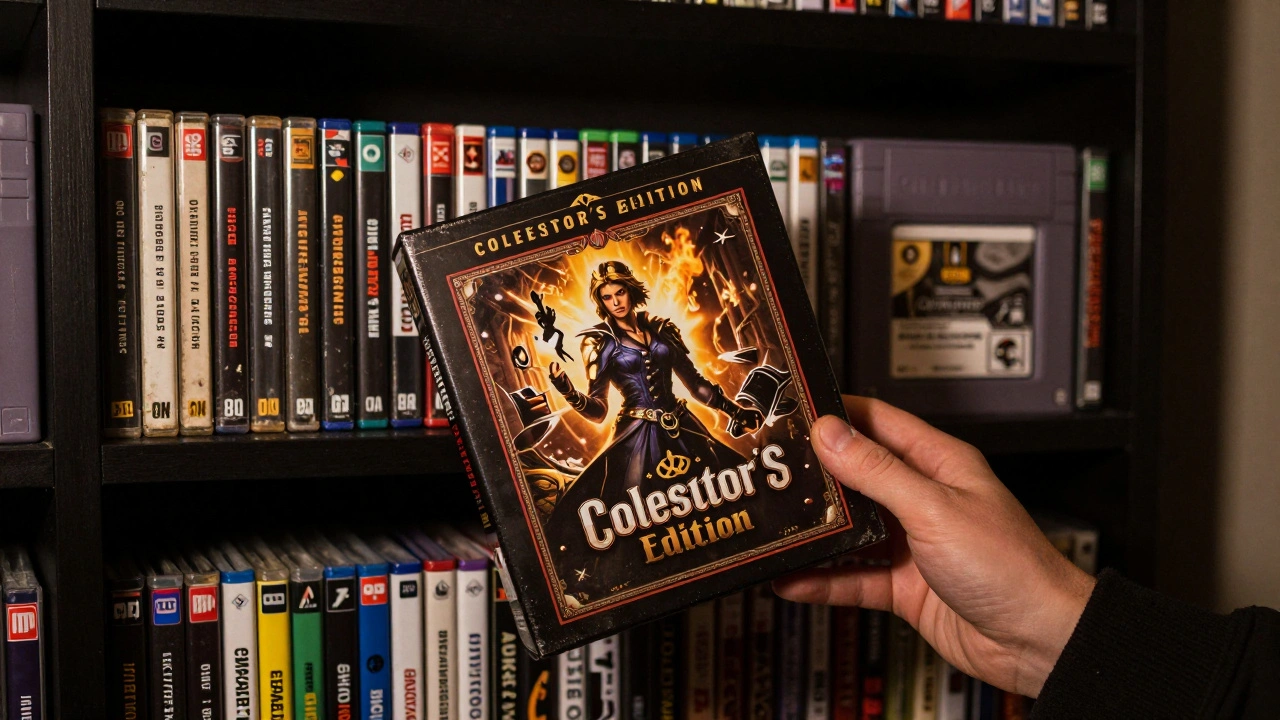
One of the biggest errors players make is assuming that a "Collector’s Edition" box automatically means higher trade-in value. It doesn’t. Retailers like GameStop often treat premium versions almost identically to standard releases. For example, a recent analysis showed that a Collector’s Edition of a major title might only fetch about $10 more than the standard version, even though the retail markup was significantly higher.
Why does this happen? Retail systems are built for volume, not nuance. They need to restock shelves quickly, and special boxes take up space and complicate inventory. If you walk in with a fancy steelbook or a bundle with exclusive statues, the clerk likely scans it as the base game. You’re leaving serious money on the counter. Instead of trading these items in, list them on platforms like eBay or Makari. Collectors will pay for the packaging and extras, giving you a return that reflects the item’s actual rarity.
Special Edition Consoles Are Worth More Than Credit
This mistake is even more expensive when it involves hardware. Trading in special edition consoles is a financial disaster for many sellers. Take the PlayStation 4 Pro as an example. A standard black model might trade in for around $165. However, special variants like the Spider-Man, Monster Hunter, or God of War editions often receive that exact same credit amount. These limited-run consoles originally sold for much higher prices and hold significant value among enthusiasts.
When you trade a unique console to a big-box retailer, you get zero premium for its exclusivity. The system sees "PS4 Pro" and applies a flat rate. To avoid this loss, you must identify your console’s specific model number and check secondary markets. Selling directly to buyers who appreciate the aesthetic and history of these machines allows you to capture the true collector value rather than settling for a generic bulk rate.
Don’t Play Arbitrage Games
Some sellers try to game the system by buying games, trading them in, and repeating the process to build up store credit. This strategy sounds smart until it triggers fraud detection algorithms. Retailers monitor transaction patterns closely. If you repeatedly trade the same titles in quick succession, your account gets flagged for suspicious activity.
The consequence isn’t just a lower offer; it’s often the termination of your membership or the revocation of trading privileges entirely. Stores view this behavior as arbitrage abuse, not legitimate decluttering. While selling individual duplicates is fine, creating a cycle of repetitive trades violates terms of service. Stick to honest liquidation of your personal library to keep your reputation intact and your account active.
Timing Your Trades Matters
Ignoring promotional calendars is a silent wealth killer. Retailers run "Most Wanted" campaigns periodically, offering bonus multipliers or extra percentages on specific genres or franchises. Trading during these windows can dramatically boost your payout. For instance, a promotion might double the credit for first-party Nintendo titles or add a flat bonus to all RPGs.
Checking the current promotions before heading to the store is a non-negotiable step. If you trade outside of these periods, you accept the baseline minimum. By waiting for a relevant promo, you align your sale with the store’s demand spikes, ensuring you get the best possible deal for the items you’re offloading. Always ask the staff if there are any active trade-in bonuses before finalizing your transaction.
Condition and Accessories Change Everything
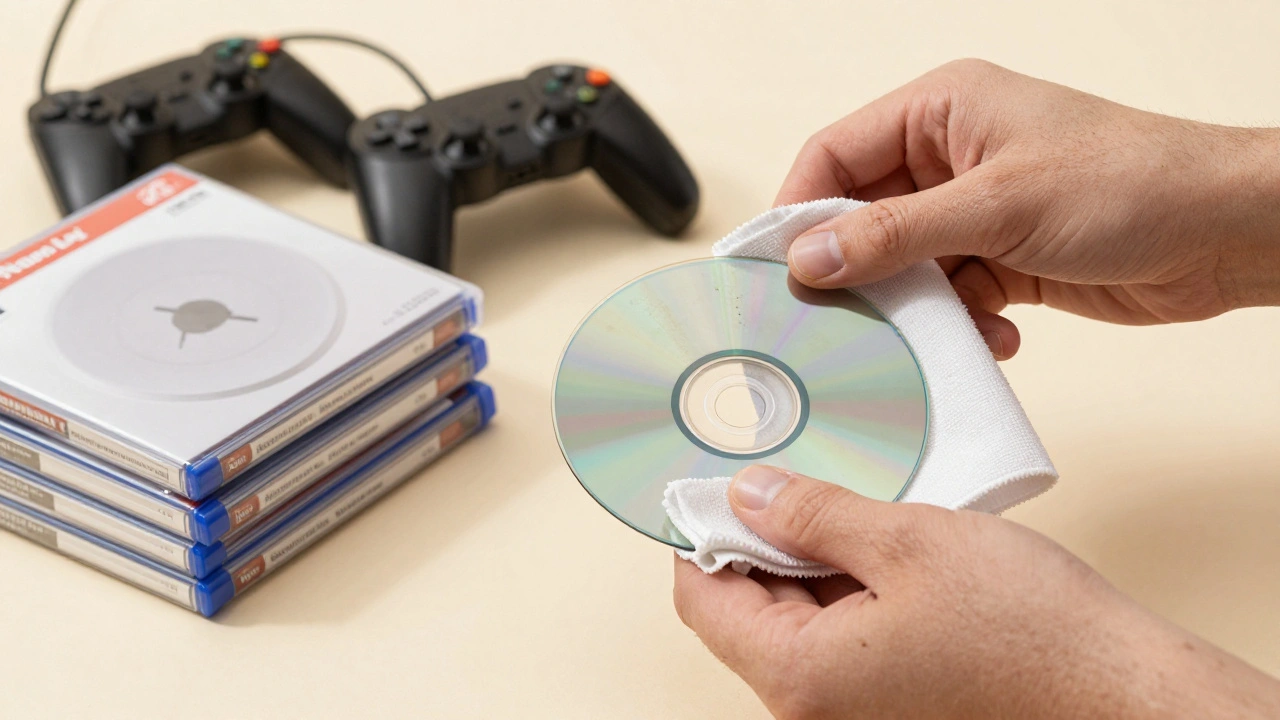
Throwing dirty, dusty games into a bag and walking in guarantees a lower offer. Condition is subjective but heavily weighted. Retailers like Record Head, a specialty retailer known for fair evaluations, emphasize that appearance matters. Games covered in grime or showing visible wear get penalized or rejected outright.
Clean your discs and cartridges before you go. Wipe down cases. Ensure the media plays without errors. Beyond cleanliness, accessories are crucial. Never separate controllers, cables, or original boxes from consoles. A system sold without its power brick or HDMI cable loses immediate value. Including all original packaging and peripherals signals to the buyer that the item was cared for, which translates directly into higher compensation.
Rarity vs. Oversupply
Not all old games are valuable. A common mistake is assuming age equals money. In reality, supply dictates price. Rare Nintendo Entertainment System (NES) cartridges from the 1980s, especially obscure titles, command high prices due to scarcity. Conversely, popular Xbox 360 games are often oversupplied. Retailers may already have dozens of copies in stock, leading them to reject offers or pay pennies.
Before trading, research the demand for your specific titles. If a game is widely available, a physical retailer won’t pay much for it. In those cases, consider niche online communities or direct sales where you can target fans looking for that specific copy. Understanding whether your item is a sought-after gem or a common commodity helps you choose the right selling channel.
Cash vs. Store Credit Dilemma
Choosing between cash and store credit requires careful thought. Typically, store credit offers a higher percentage than cash. However, a subtle trap exists: sometimes retailers match cash and credit values during specific promotions. If the values are identical, taking cash is usually smarter unless you plan to spend immediately at that store.
Cash provides flexibility. You can use it to buy games elsewhere, cover bills, or invest in other hobbies. Store credit locks your money into a single ecosystem. If the store doesn’t carry the game you want, or if their prices are inflated, that credit loses utility. Evaluate the immediate benefit of spending versus the long-term freedom of holding cash.
The Online Alternative: Maximizing Returns
The most significant structural mistake is using physical trade-ins as the default option. Retailers buy low to sell at a margin, meaning their offers are inherently discounted. Selling online through platforms like eBay or specialized retro gaming sites allows you to set prices based on actual collector demand. For nostalgic titles or rare finds, online sales can generate returns 2 to 5 times higher than retail trade-ins.
While online selling requires effort-photographing items, writing descriptions, and handling shipping-the financial payoff is substantial. You bypass the middleman’s markup and connect directly with buyers who value your specific items. For a collection of 50-100 games, strategic online sales could yield hundreds more than a quick store visit. Weigh the convenience of instant credit against the potential for significantly higher earnings.
| Factor | Retail Trade-In | Online Direct Sale |
|---|---|---|
| Speed | Instant | Days to Weeks |
| Effort | Low | High (Photos, Shipping) |
| Payout | Low (10-30% of retail) | High (Market Value) |
| Flexibility | Limited (Store Credit/Cash) | Unlimited (Cash) |
| Best For | Common, Mass-Market Titles | Rare, Collector’s Editions, Retro |
Strategic Next Steps
To maximize your returns, start by sorting your collection. Separate common titles from special editions and rares. Clean everything thoroughly. Research the current market value of high-end items using completed listings on eBay. Decide which items warrant the effort of online selling and which are better suited for quick retail trade-ins during promotional periods. Avoid the temptation to trade in limited-edition hardware or software without verifying their true collector value. By treating your library as a curated asset rather than waste, you ensure every dollar counts.
Should I trade in my collector’s edition games to GameStop?
Generally, no. Retailers often pay only a small premium over standard editions, ignoring the true collector value. You will likely get much better returns by selling these items directly on platforms like eBay or Makari where buyers appreciate the exclusive packaging and content.
How much more can I make selling games online vs. trading them in?
For common games, online sales might yield 2-3 times the trade-in value. For rare or collector’s items, the difference can be 5 times or more. Retail trade-ins typically offer 10-30% of the retail price, while online sales reflect actual market demand.
Does the condition of my game really affect the trade-in value?
Yes, significantly. Dirty, scratched, or worn games receive lower offers or may be rejected. Cleaning discs and cartridges, wiping cases, and ensuring the game plays correctly can prevent penalties and increase your payout.
What happens if I trade in the same game multiple times?
Retailers monitor for repetitive trading patterns. If you frequently trade the same titles, your account may be flagged for arbitrage abuse, leading to suspended trading privileges or terminated membership.
Is it worth keeping the original box and accessories for consoles?
Absolutely. Original packaging, manuals, cables, and controllers significantly increase the value of a console trade-in or sale. Missing accessories often result in reduced offers or rejection.
When is the best time to trade in video games?
The best time is during "Most Wanted" or promotional periods where retailers offer bonus multipliers or extra credit for specific genres. Checking current promotions before visiting the store ensures you get the highest possible rate.
Should I choose cash or store credit?
Store credit usually offers a higher percentage, but cash provides flexibility. If the store matches cash and credit values during a promotion, cash is often the better choice unless you plan to spend immediately at that location.
Are special edition consoles valued differently by retailers?
Unfortunately, no. Many large retailers apply flat rates to consoles regardless of special editions. Limited-run models like Spider-Man PS4 Pros often receive the same trade-in value as standard models, causing sellers to lose significant potential profit.