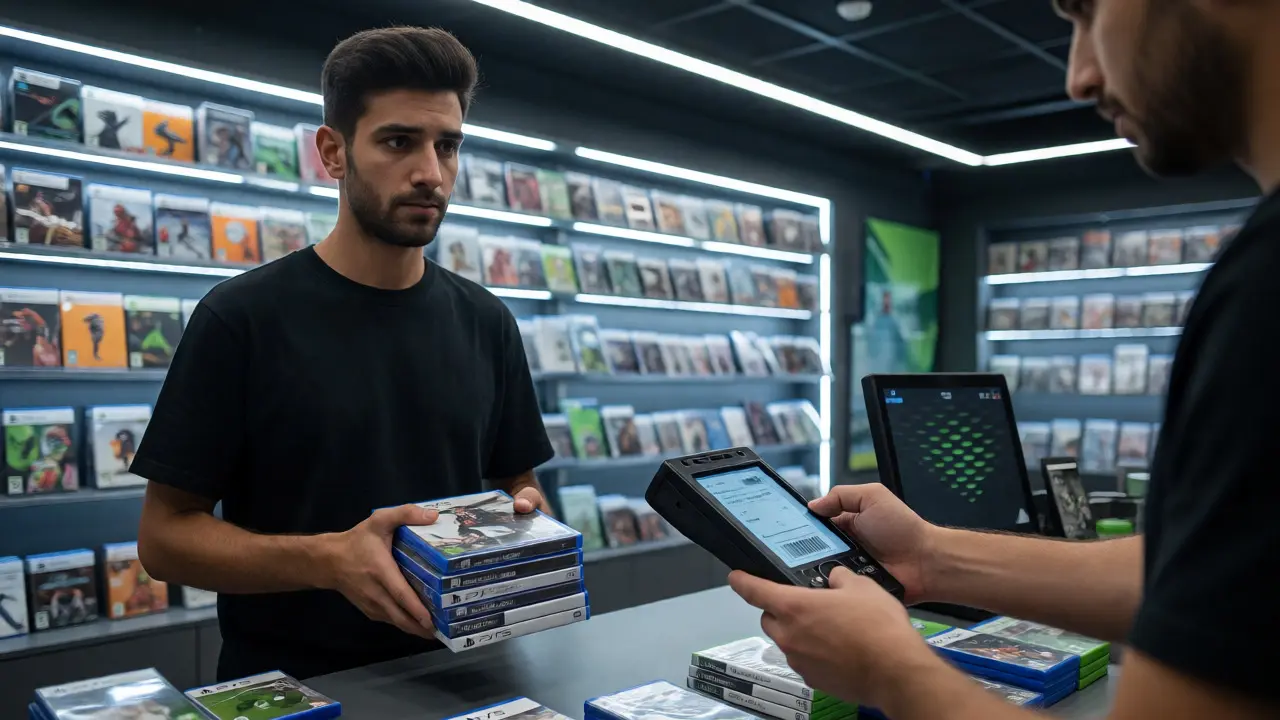
You walk into a local game store with a stack of completed titles, expecting cash. The clerk scans them, taps the screen, and quotes you $45 for six games. You blink. Did they just offer you pennies? Or is that actually fair? If you’ve ever felt confused about why one PS5 disc gets $30 while another gets $2, you’re not alone. Understanding used video game buy rates isn’t about guessing; it’s about knowing how retailers calculate risk, demand, and platform lifecycle.
This guide breaks down exactly what drives those numbers. We’ll look at current trends as of late 2026, compare platforms like PlayStation, Xbox, Nintendo Switch, and PC, and give you heuristics to spot a good deal before you hand over your plastic cases. Whether you’re clearing out a backlog or flipping limited editions, knowing the math behind the counter saves you money.
The Core Economics of Trade-In Values
Retailers don’t pay you based on what you paid three years ago. They pay based on what they think they can sell it for tomorrow, minus their profit margin and overhead. This model is called "margin-based pricing." A typical brick-and-mortar store needs to make 30-50% gross profit on a used item to stay open. If a game sells for $40 used, the store might only offer you $15-$20. Why so low? Because they have to account for unsold inventory, employee time, rent, and the risk that the game’s value drops next week due to a sale or a new release.
Digital storefronts like Amazon Warehouse or eBay operate differently. They often take a smaller cut (10-15% fees) but require you to handle shipping and packaging. Physical stores offer immediacy-you get cash today-but pay less per unit. Online marketplaces offer higher potential returns but slower liquidity. Your choice depends on whether you need speed or maximum dollar amount.
Platform-Specific Trends in Late 2026
The video game market in November 2026 has stabilized after the chaotic transition period following the launch of the next-generation consoles. Here is how the major players are treating used media right now.
| Platform | Typical Buy Rate (% of Retail) | Top Sellers Value | Low Demand Value | Key Driver |
|---|---|---|---|---|
| PlayStation 5 | 25-40% | $20-$35 | $2-$5 | High install base, strong exclusives |
| Xbox Series X|S | 20-35% | $15-$30 | $1-$4 | Game Pass impact on single-player sales |
| Nintendo Switch | 40-60% | $30-$50 | $10-$15 | Collector culture, physical durability |
| PC (Steam Keys) | N/A (Digital) | N/A | N/A | Marketplace volatility, regional pricing |
| Legacy Consoles (PS4/XOne) | 10-20% | $5-$15 | $0.50-$2 | Oversaturation, end-of-life status |
Notice the gap between Nintendo and Sony/Microsoft. Nintendo has cultivated a unique ecosystem where physical copies retain value longer. Partly because their first-party titles rarely go on deep discount quickly, and partly because collectors treat Switch cartridges like trading cards. In contrast, Xbox’s aggressive subscription service, Game Pass, has depressed the secondary market for many third-party titles. If a game is free for subscribers, fewer people buy it used, driving the price down.
Factors That Swing Your Payout
Not all games on the same shelf are worth the same. Store employees use specific criteria to adjust the base rate. Here’s what moves the needle:
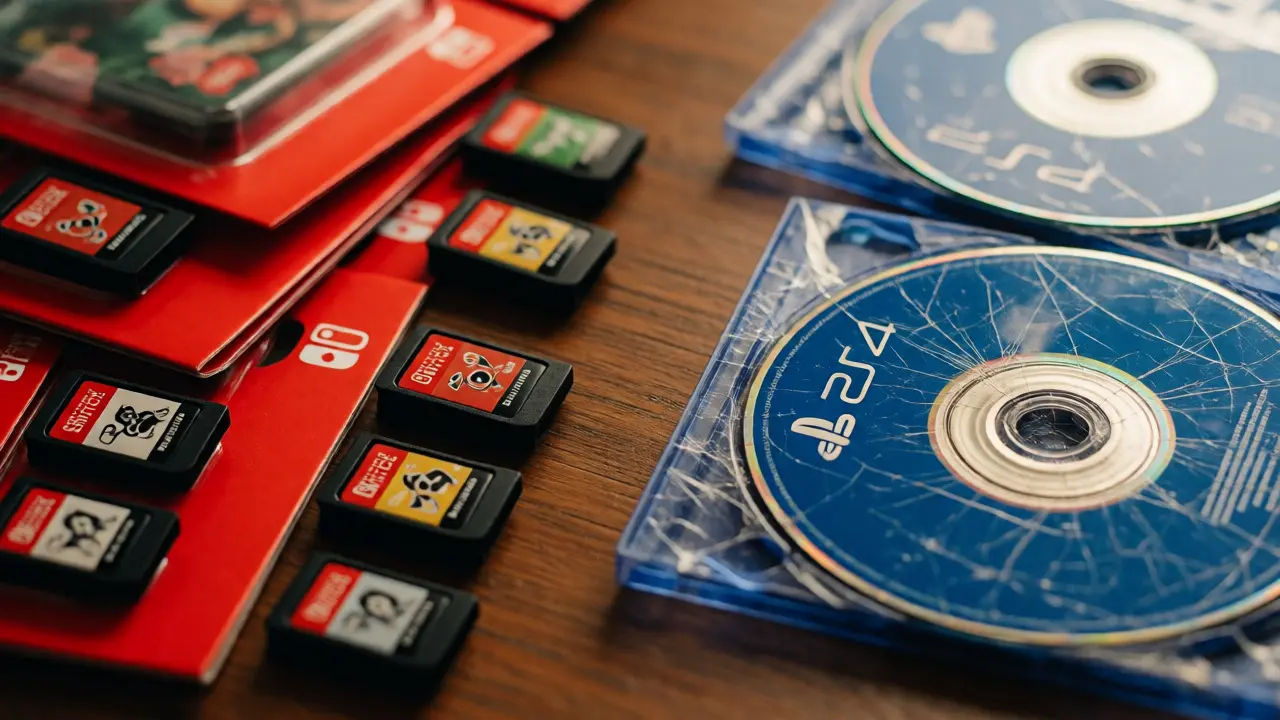
- Condition Matters More Than You Think: A scratched disc isn’t just ugly; it risks read errors. Stores deduct $2-$5 for minor scratches and up to $10 for severe damage. Missing inserts (manuals, maps) usually cost $1-$3 each. For Switch cartridges, missing cases can drop the value by 50% because protection is critical for small plastics.
- The "New Release" Cliff: Games lose 30-50% of their trade-in value within the first 90 days of release. If you finish a blockbuster title like Call of Duty or FIFA immediately, wait two weeks after release before trading it in. The initial hype spike means early buyers are desperate, but once the flood of returns hits, prices crash. Wait until the second month for better stability.
- Genre Volatility: Sports games (NBA 2K, Madden) depreciate fastest because annual releases render old versions obsolete instantly. RPGs and adventure games hold value longer because they offer 50+ hours of content that remains relevant for years.
- Local vs. National Chains: Big-box retailers like GameStop often have rigid algorithms that lag behind real-time market shifts. Local independent shops sometimes pay more for niche genres (like JRPGs or fighting games) because they know their specific customer base wants those titles. Build a relationship with your local shop owner-they might offer you credit bonuses during slow months.
How to Calculate Fair Value Before You Go
Don’t walk in blind. Use this simple formula to estimate if the store’s quote is fair:
- Check Completed Listings: Go to eBay and filter by "Sold Items" for your specific game version (e.g., Standard Edition vs. Collector’s Edition). Look at the last 10 sold prices from the past 30 days. Ignore the asking prices; only sold data matters.
- Apply the 40% Rule: Multiply the average sold price by 0.4. This is roughly what a reputable retailer should offer you in cash. If they offer less than 30%, you’re getting lowballed. If they offer more than 50%, it’s a great deal (likely because they have high demand locally).
- Factor in Fees: Remember that selling yourself on eBay involves ~13% fees plus shipping. So, if eBay sold listings show $30, you net about $22 after fees and postage. If the store offers $15, the difference is $7 for immediate cash and zero effort. Is that worth it to you?
Strategies to Maximize Your Return
If you want to squeeze every dollar out of your library, timing and presentation are everything.
Sell During High-Demand Seasons: Holiday shopping peaks in November and December. Stores need inventory to fill shelves for gift buyers. They often raise buy rates by 10-15% during these months to secure stock. Conversely, January and February are dead zones. Stores are sitting on unsold holiday inventory and will slash buy rates to clear space.
Clean Up Before You Hand It Over: Wipe discs with a microfiber cloth. Ensure cases aren’t cracked. For digital codes, keep them sealed. A pristine copy signals to the buyer that the previous owner cared, which reduces perceived risk. Some stores even have a "premium condition" tier that pays an extra $2-$5.
Bundle Strategically: Don’t trade in random singles. Group series together. If you have the entire Zelda saga or the full Elder Scrolls collection, ask the manager if they’ll pay a premium for the lot. Collectors love complete sets, and stores know this. Bundling also reduces the administrative burden for the clerk, who might appreciate the efficiency and be more generous.
The Rise of Digital and Its Impact
It’s impossible to ignore the shift toward digital purchases. By 2026, over 70% of new game sales are digital. This shrinks the pool of physical discs entering the used market. Paradoxically, this scarcity helps remaining physical copies hold value better, especially for older titles that never got digital re-releases. However, it hurts mainstream AAA titles that are readily available digitally. If everyone buys the digital version of a shooter, the used disc market dries up, and prices plummet because there’s no incentive to buy used when digital downloads are instant and often cheaper during sales.
PC gamers face a different reality. Steam keys traded on sites like G2A or Kinguin fluctuate wildly based on regional pricing arbitrage. There is no standard "buy rate" because there is no central authority. You set your price, compete with other sellers, and hope someone clicks buy. It’s a free-for-all compared to the structured world of console retail.
Common Pitfalls to Avoid
Even savvy traders get burned. Here are traps to watch out for:
- Store Credit vs. Cash: Many stores offer 20-30% more value if you take store credit instead of cash. Do the math. If you plan to buy another game soon, credit is often better. But if you’re exiting the hobby, take the cash. Never accept credit unless you have a specific purchase in mind.
- Ignoring Regional Variations: Prices vary by city. A rare retro game might fetch $100 in Portland but $60 in a rural town with fewer collectors. If you have high-value items, consider calling nearby stores to compare quotes before committing.
- Forgetting DLC and Editions: Special editions (Gold, Ultimate, Day One) often include exclusive content that adds value. Make sure the store knows which edition you have. Sometimes, scanning the barcode doesn’t distinguish between a Standard and Deluxe edition, leading to underpayment. Always point out the specifics.
Why do some stores offer store credit instead of cash?
Stores prefer store credit because it keeps the money within their business. When you take credit, you are guaranteed to spend it on something else they sell, often at full retail price. This increases their overall revenue and profit margins compared to paying out cash, which leaves the business entirely. Typically, stores offer 20-30% higher value for credit to incentivize this choice.
Do used video games lose value faster than books or movies?
Generally, yes. Video games depreciate rapidly due to technological obsolescence and frequent new releases. Unlike classic films or novels, a game from five years ago may feel outdated graphically or mechanically. However, niche genres and collector-focused platforms like Nintendo defy this trend, holding value much longer than mainstream action titles.
Is it better to sell used games online or in-store?
Online selling (eBay, Mercari) typically yields 30-50% more profit per item but requires packing, shipping, and waiting for payment. In-store trades offer immediate cash but lower payouts. For low-value items ($5-$10), in-store is more efficient. For high-value or rare items ($50+), online selling is usually worth the extra effort.
How does Game Pass affect used Xbox game prices?
Microsoft's Game Pass subscription allows users to play many titles without buying them. This reduces demand for purchasing used copies of popular third-party games, driving down their trade-in values. First-party Xbox titles still hold some value, but generally, Xbox used games see lower buy rates compared to PlayStation or Nintendo equivalents due to this subscription model.
What happens if I trade in a game with a broken case?
Most stores will deduct $2-$5 from the buy rate for a broken or missing case. For Nintendo Switch cartridges, the penalty can be steeper (up to $10) because the small cartridge size makes protective cases essential for preservation. Always check your cases before going to the store to avoid unexpected deductions.