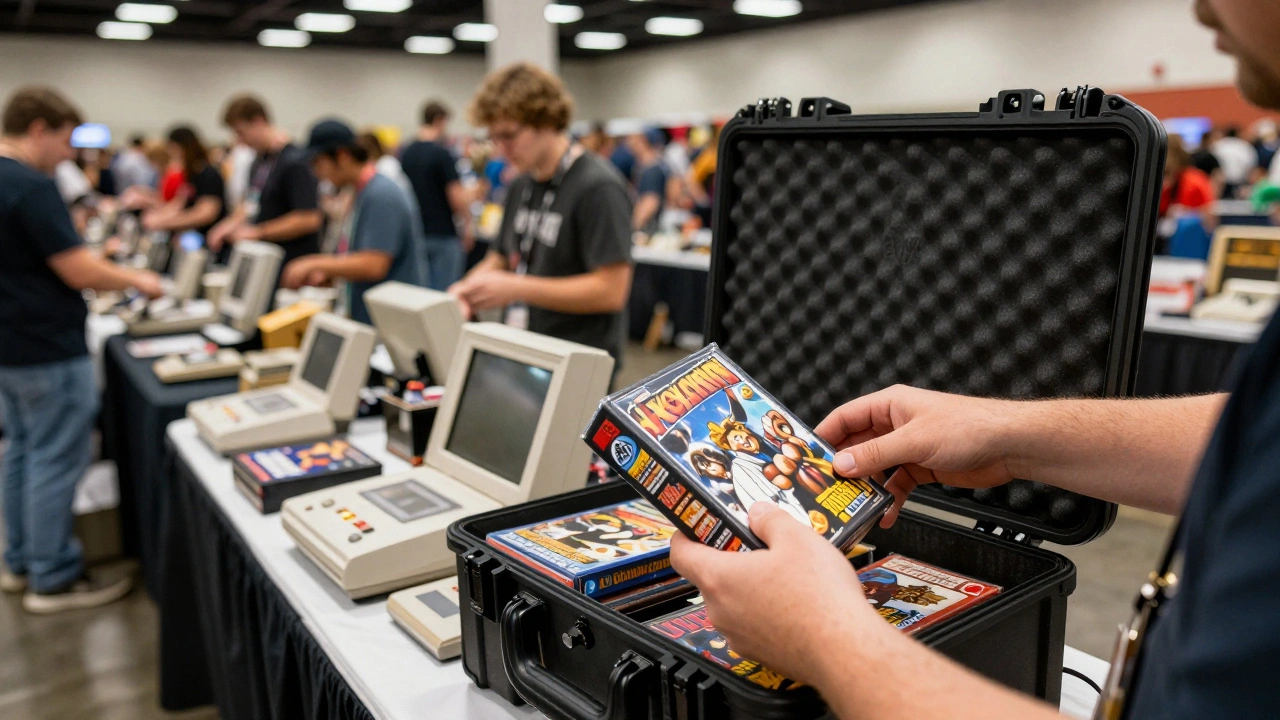
The goal isn't just to get your games from the vendor's table to your car; it's about maintaining the structural integrity and aesthetic value of the media. Whether you are carrying a portable console or a stack of boxed classics, the right gear turns a stressful trip into a confident shopping experience.
Quick Guide to Game Protection
- For On-the-Go: Use padded gaming bags or hard-shell carrying cases for consoles and handhelds.
- For Boxed Games: Use PET polyester protectors or acrylic cases to prevent crushing.
- For Dust Control: Use soft plastic dust sleeves or shrink bags to seal out moisture and grit.
- For Bulk Transport: Opt for organizers with adjustable dividers to stop games from sliding.
Hard-Shell Cases and Gaming Bags for Portability
If you're bringing your own gear to a show to trade or sell, you need more than a grocery bag. A video game carrying case is a specialized protective container designed to shield gaming hardware and software from physical impact and environmental hazards. For those moving consoles like the Nintendo Switch or Steam Deck, a hard-shell case is non-negotiable. These cases usually feature EVA foam that absorbs shock, meaning if you set your bag down too hard on a concrete floor, your screen doesn't take the hit.
When picking a bag, focus on ergonomics. You might be walking for hours at a large convention center. Look for padded straps that distribute weight across your shoulders rather than digging into your trapezius muscles. Some high-end gaming bags even include ventilated back panels. This might seem like overkill for a game collection, but if you're carrying a powered-on handheld or a laptop for demoing games, heat dissipation is key to preventing hardware throttling.
Check for waterproofing too. You never know if a show is held in a tent during a sudden downpour or if someone will spill a drink next to your bag. A water-resistant exterior ensures that a little splash doesn't turn into a permanent stain on a rare game box.
Preserving Boxed Games with Rigid Protectors
For the serious collector, the box is just as important as the game itself. This is where PET polyester protectors come into play. Unlike cheap plastic wraps, these are made from archival-grade materials that don't leach chemicals into the cardboard over time. They provide a semi-rigid shield that prevents the "corner crush" typical of transporting multiple games in a stack.
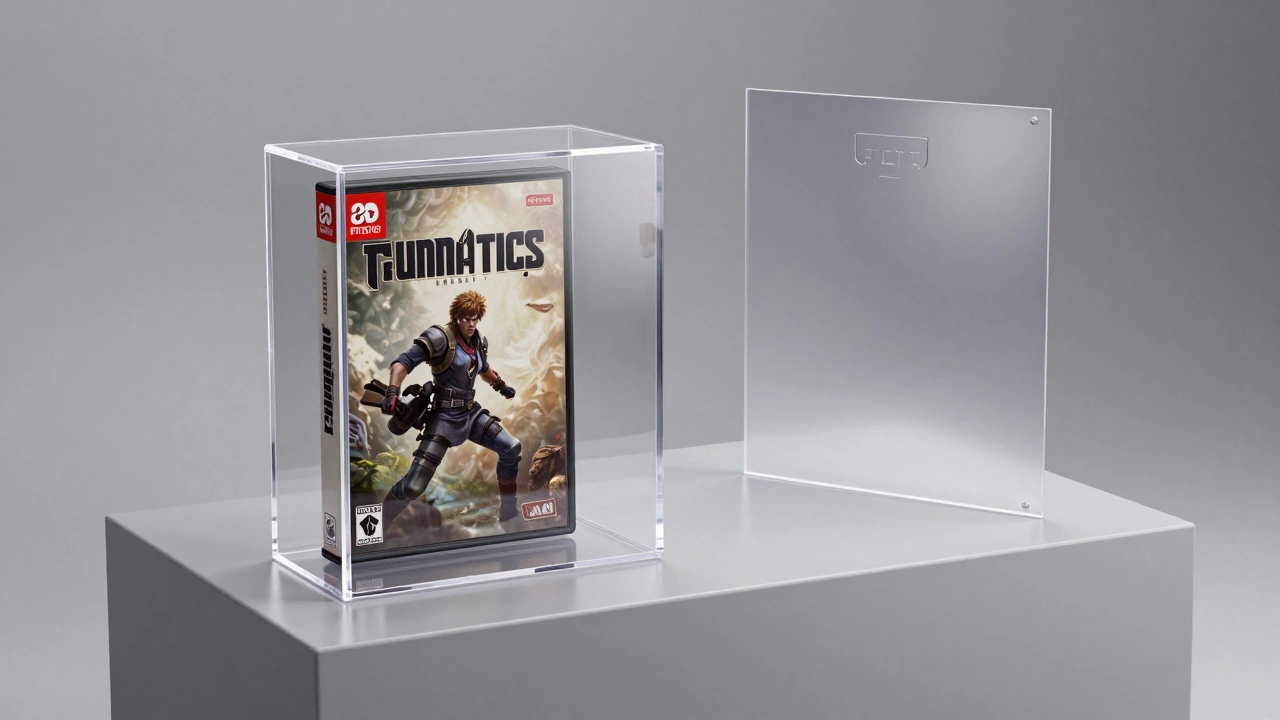
If you have a "grail" item-something truly high-value-you should move up to acrylic game cases. These are essentially clear plastic bricks that lock the game in place. They are virtually indestructible compared to cardboard and offer a level of protection that makes them a standard for high-end displays. They stop the game from shifting entirely, which is critical when you're tossing items into a larger transport bin.
| Material | Protection Level | Best Use Case | Main Benefit |
|---|---|---|---|
| Polypropylene | Low-Medium | Daily use / Storage | Affordable and flexible |
| PET Polyester | Medium-High | Transport to shows | Archival safe, prevents creases |
| Acrylic | Maximum | High-value collectibles | Rigid, crush-proof shield |
Soft Sleeves and Shrink Bags for Long-Term Health
Not every game needs a hard shell, but every game needs a barrier against the elements. dust sleeves are transparent, soft plastic covers that slide over the original case. They are a lifesaver at swap meets because they keep the grit and grime of the venue off your lapped-up finds. Because they are clear, you can still read the titles and see the artwork without removing the protection.
For those who want a tighter seal, video game shrink bags are the way to go. These seal the entire case, effectively guarding against moisture and humidity. This is particularly important if you live in a damp climate or are transporting games across different weather zones. A sealed bag prevents the cardboard from warping-a common issue that kills the resale value of vintage titles.
Practical Tips for the Show Floor
Walking into a show without a plan is how people end up with damaged goods. Here is a pro strategy for organizing your haul:
- The "Immediate Shield": Carry a small pack of soft sleeves in your pocket. The second you buy a game, slide it in. Don't wait until you get back to the car.
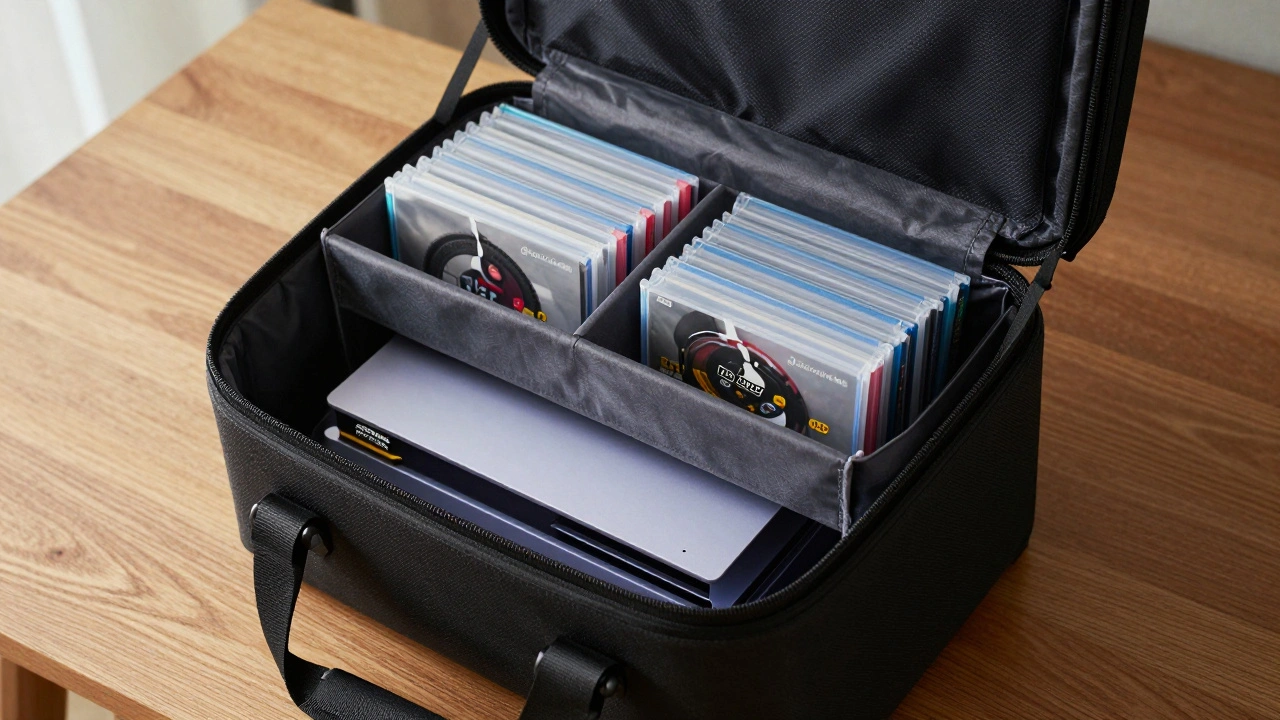
- The Weight Distribution Rule: When packing your bag, place the heaviest items (like consoles or large art books) at the bottom. Put your loose cartridges or thin cases on top to avoid compression.
- The Buffer Method: If you don't have enough hard cases, use bubble wrap or small microfiber cloths between games to prevent them from rubbing against each other and creating "shelf wear" scratches.
Investing in these tools isn't just about being a "gear head." It's about financial common sense. A small investment in a high-quality case from retailers like UniKeep or Bags Unlimited can save a game that might lose 20% of its market value due to a single torn corner.
Are acrylic cases too bulky for transport?
They do add a bit of thickness, but the trade-off is worth it for high-value games. If you're worried about space, use acrylics for your top 10% most valuable games and PET polyester protectors for the rest of your haul.
Can I use standard plastic bags for my games?
It's not recommended. Standard plastic bags can trap moisture or contain chemicals that degrade cardboard over time. Dedicated archival sleeves are designed to be pH-neutral and won't damage the original packaging.
What is the best way to carry multiple handheld consoles?
The best method is using a multi-slot carrying case with individual compartments. This prevents the consoles from banging into each other, which protects the screens from scratches and the joysticks from being pushed in.
Do shrink bags permanently alter the game?
No, as long as you use a heat gun or sealer correctly and don't melt the plastic into the box. Most collectors use shrink bags as a removable layer of protection that can be carefully cut away if the game ever needs to be cleaned.
Where can I find the best sizes for different console generations?
Specialized sites like VideogameSleeves.com offer specific dimensions for everything from NES cartridges to modern PS5 cases. Always double-check the dimensions of your specific regional version (NTSC vs PAL) as case sizes can vary slightly.
Next Steps for Your Collection
If you're just starting out, don't feel like you need to buy every expensive protector immediately. Start with a few versatile soft sleeves for your most frequent finds. Once you identify which games in your collection are the true "centerpieces," invest in acrylic cases for those specific items. If you're planning a trip to a major gaming convention, prioritize a high-quality, ergonomic gaming bag to protect your back and your gear.