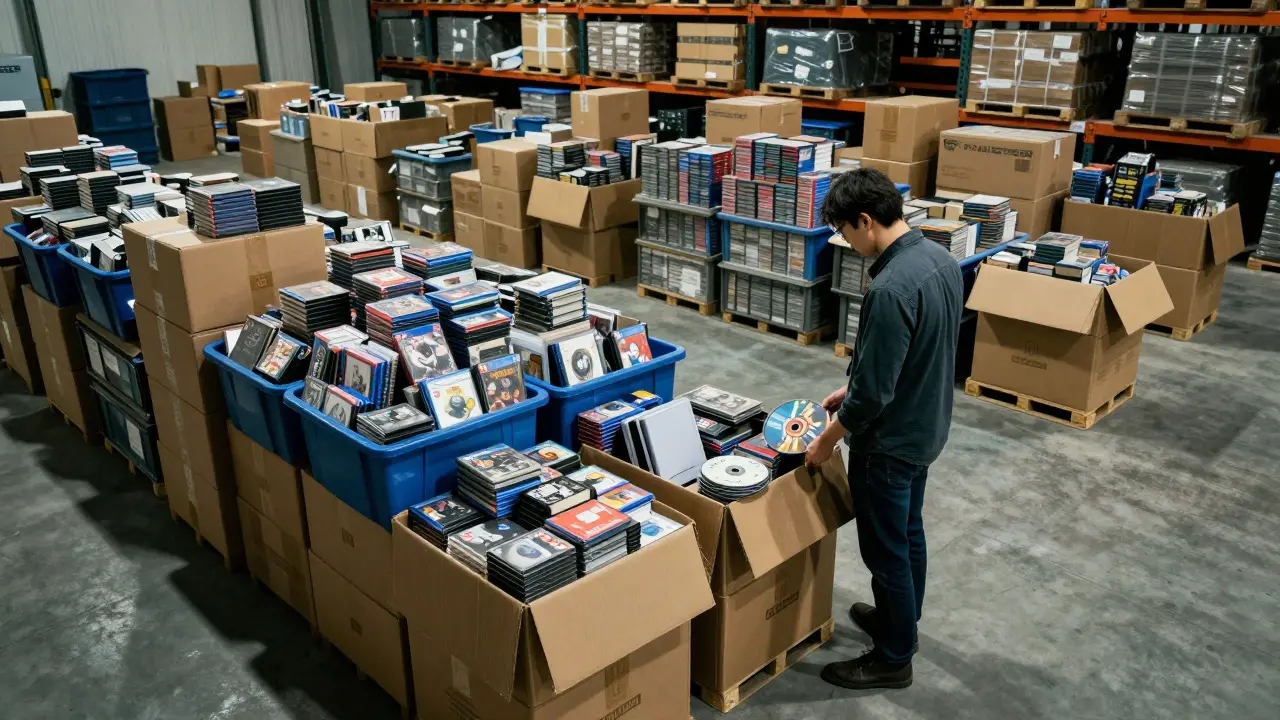
Most flippers make their first big mistake at the register. They buy one copy of a new release, hope it sells, and move on. But the real money in bulk video game purchases isn't in single units; it's in the relationship you build before you ever pick up a controller. If you want to scale from a hobby to a serious side business, you need to stop thinking like a customer and start thinking like a partner to your suppliers.
This guide breaks down how to approach wholesalers, liquidation centers, and local retailers to secure inventory that actually makes sense for your margins. We are talking about practical tactics, not just theory. You will learn how to negotiate terms, verify quality, and avoid the common traps that eat into profits for beginners.
Understanding the Wholesale Landscape
The market for used and bulk games is fragmented. There is no single "wholesale portal" where everything sits neatly labeled. Instead, you are dealing with three distinct types of suppliers, each with different risks and rewards.
- Liquidation Centers: These are warehouses that buy back overstock or returned goods from major retailers. The prices are low, but the condition varies wildly. You might find a sealed copy of a popular title next to a scratched disc that won't load.
- Local Retail Arbitrage Suppliers: Smaller shops or estate sale operators who have accumulated boxes of old titles. This is often the best place for niche or out-of-print games.
- Direct Publisher Distributors: Harder to access for small buyers, but if you can get in, you get sealed, brand-new stock at a significant discount to retail.
For most independent flippers, the sweet spot is usually the intersection of liquidation lots and local arbitrage. It offers a balance of volume and verifiable quality without requiring massive upfront capital.
How to Approach a Supplier Without Getting Rejected
Suppliers deal with hundreds of inquiries a week. If your email looks like spam or asks for vague discounts, you disappear into the void. To stand out, you need to show you understand their pain points. Most suppliers hate two things: slow payments and unclear shipping instructions.
- Prepare a One-Page Profile: Include your business name (even if it's just your legal name), a brief description of what you sell, and your average monthly purchase volume. Don't lie, but don't undersell either. If you buy $500 worth of games a month, say so. If you plan to scale to $2,000, mention that trajectory.
- Be Specific About Needs: Instead of asking "Do you have any good games?", ask "Do you have recent returns from [Major Retailer] containing PS5 or Switch titles?" This shows you know what you're looking for.
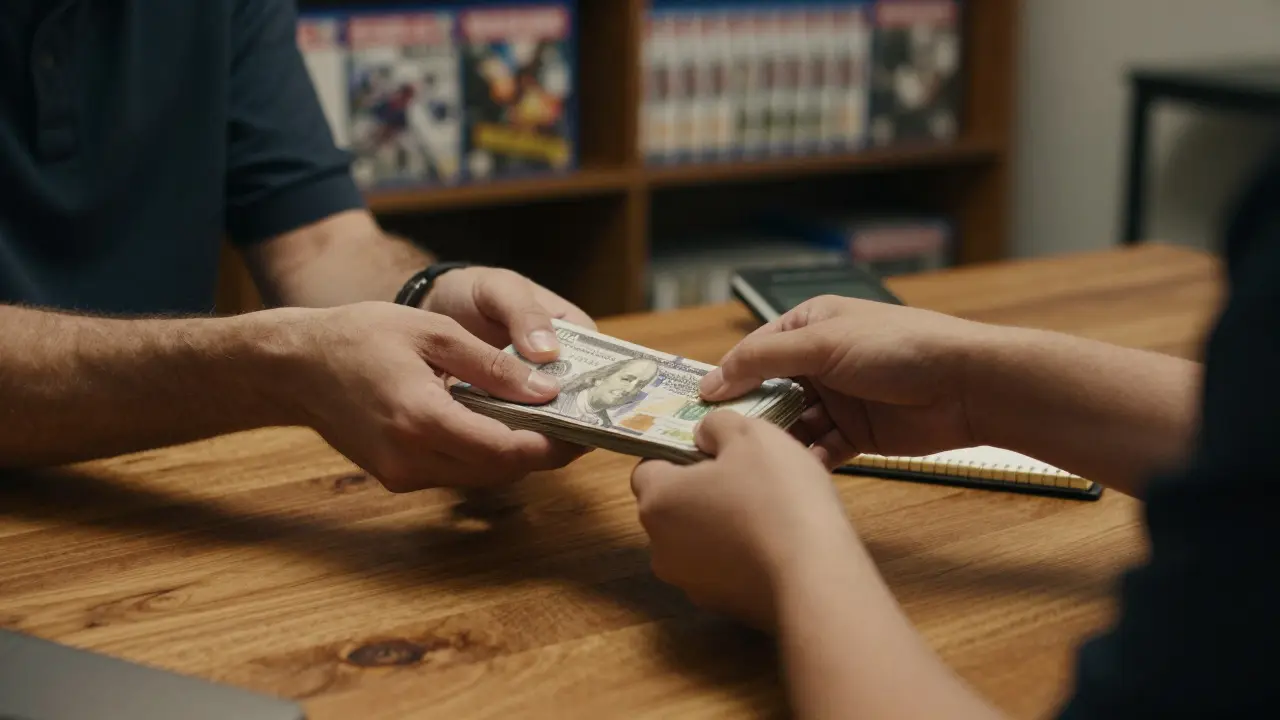
- Offer Fast Payment Terms: Cash on delivery or immediate wire transfer is king. If you can pay faster than the average buyer, you become a preferred vendor. Many suppliers offer an extra 5-10% discount for cash buyers.
Remember, a supplier is a business too. They want reliable customers who don't complain about minor scuffs after the fact. Build a reputation for being easy to work with, and they will hold inventory for you when others are fighting over it.
Negotiating Prices and Terms
Negotiation isn't about haggling until the other person feels bad. It's about finding a middle ground where both sides feel they won. Here are some realistic levers you can pull:
| Strategy | Risk Level | Potential Savings | Best For |
|---|---|---|---|
| Cash on Delivery | Low | 5-10% | New relationships |
| Volume Commitment | Medium | 10-15% | Established trust |
| Off-Peak Timing | Low | 3-5% | Slower months (Jan/Feb) |
| Bundle Buying | High | 15-20% | Mixed condition lots |
Timing matters more than people think. Suppliers often have excess inventory during January and February after the holiday rush. This is when they are motivated to clear space. Conversely, trying to buy large quantities right before Black Friday is a recipe for disappointment; prices go up, and stock disappears fast.
Also, consider bundling. If a lot contains mostly mid-tier titles but includes a few high-value exclusives, negotiate the price based on the total value of the box, not the individual items. This allows you to grab those hidden gems at a lower per-unit cost.
Quality Control: Avoiding the Lemon Lot
The biggest risk in bulk video game purchases is getting stuck with unsellable inventory. A scratched disc, a missing manual, or a region-locked game can kill your margin instantly. How do you mitigate this?
First, never buy blind if you are new to a supplier. Ask for photos of specific items or request a sample lot. Yes, it costs more upfront, but it saves you from buying a pallet of broken controllers.
Second, establish a return policy. Before you buy, agree on what happens if more than 10% of the lot is defective. Will they take it back? Will they credit you? Get this in writing, even if it's just an email confirmation. Verbal promises evaporate quickly when money is involved.
Third, check the region codes immediately upon arrival. In North America, you are primarily dealing with NTSC-U/C regions. If you accidentally buy a European PAL copy of a US-exclusive title, you are stuck holding the bag unless you have a niche audience for imports.
Logistics and Storage Considerations
Buying in bulk means you need space. If you are operating out of a standard apartment, you hit a ceiling quickly. A single pallet of games can take up half a garage. Plan your storage before you scale your purchases.
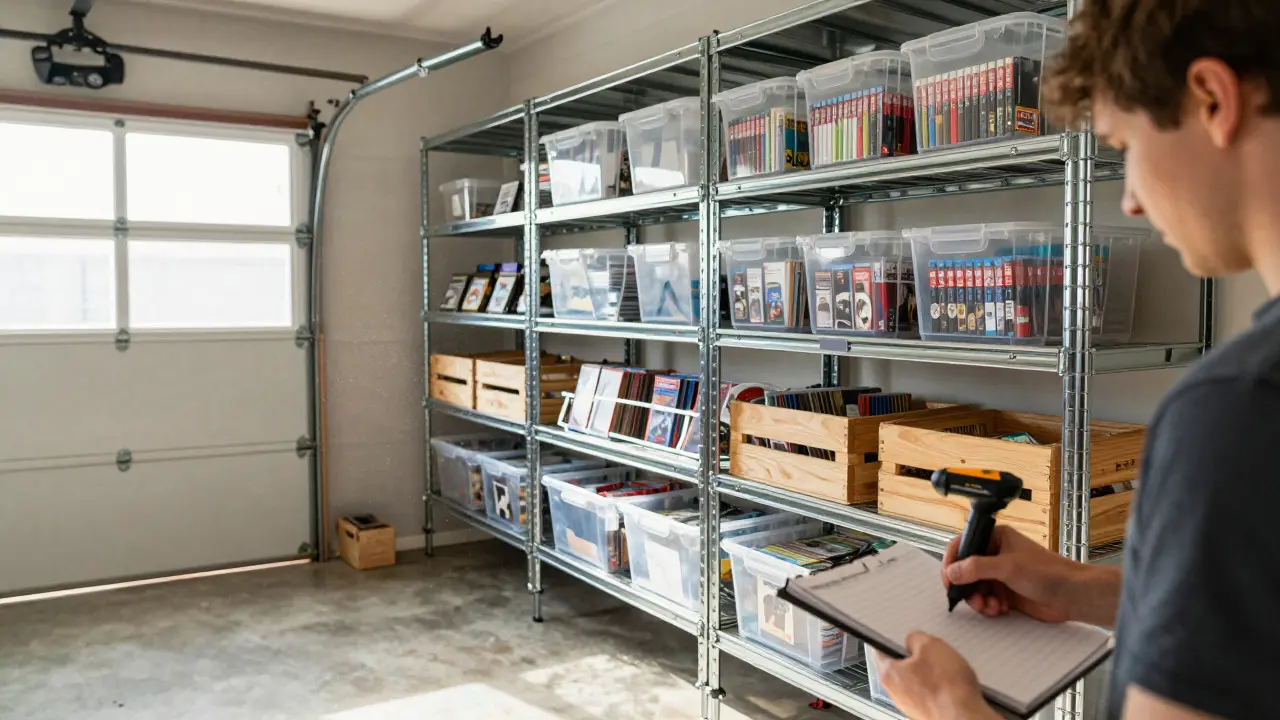
- Shelving: Invest in sturdy, adjustable shelving. Cardboard boxes degrade over time, especially in humid climates like Portland. Plastic bins or wooden shelves protect your investment.
- Inventory Management: Use simple spreadsheet tools or dedicated software to track SKUs. Know exactly how many copies of *Elden Ring* you have and at what cost basis. This data is crucial for pricing accurately later.
- Shipping Costs: Factor in freight costs. If you are buying from a supplier 500 miles away, the shipping fee could eat up 10% of your profit. Local pickup is always cheaper and allows for immediate inspection.
Don't ignore the environmental factor. Games are plastic and cardboard. If you store them in a damp basement, mold can set in. Keep your storage area dry and climate-controlled if possible.
Scaling Your Sourcing Strategy
Once you have established two or three reliable suppliers, you can start diversifying. Don't put all your eggs in one basket. If one supplier goes out of business or raises prices, you still have options.
Consider attending industry trade shows or local collector conventions. These events are goldmines for meeting smaller, private sellers who don't advertise online. You might find a retired collector selling off a lifetime of accumulation. These deals are rare but highly profitable.
Finally, keep an eye on emerging platforms. While traditional wholesalers dominate, there are growing communities of micro-suppliers selling smaller lots online. These can be great for testing new genres or regions without committing to a full pallet.
Frequently Asked Questions
What is the minimum order quantity for bulk video games?
There is no universal standard. Liquidation centers might require a minimum of $500-$1,000 per lot. Local arbitrage sellers may accept orders as small as $100. Direct distributors often require much higher minimums, sometimes starting at $5,000 or more. Always confirm the MOQ (Minimum Order Quantity) before negotiating price.
How do I verify if a supplier is legitimate?
Check for a physical address, not just a P.O. Box. Look for reviews on third-party sites like Bbb.org or specialized flipping forums. Ask for references from other buyers. If a deal seems too good to be true, it probably is. Legitimate suppliers operate on thin margins and don't give away free money.
Is it better to buy sealed or open-box games?
Sealed games command higher resale prices but carry higher risk if the contents are damaged. Open-box games are cheaper and allow you to inspect the media, but they sell for less. A mixed strategy works best: buy sealed for high-demand titles and open-box for older or less critical releases.
How long should I wait before reselling purchased games?
It depends on the title. New releases often drop in price within 6-12 months. Classic titles tend to hold value or appreciate slowly. Monitor market trends on platforms like eBay sold listings. Generally, aim to turn over inventory within 90 days to keep cash flow healthy.
What payment methods do suppliers prefer?
Cash and wire transfers are the most common for larger orders because they eliminate processing fees and chargeback risks. Credit cards are rarely accepted for bulk purchases due to the 2-3% transaction fees. Some suppliers may accept checks, but this slows down the process significantly.