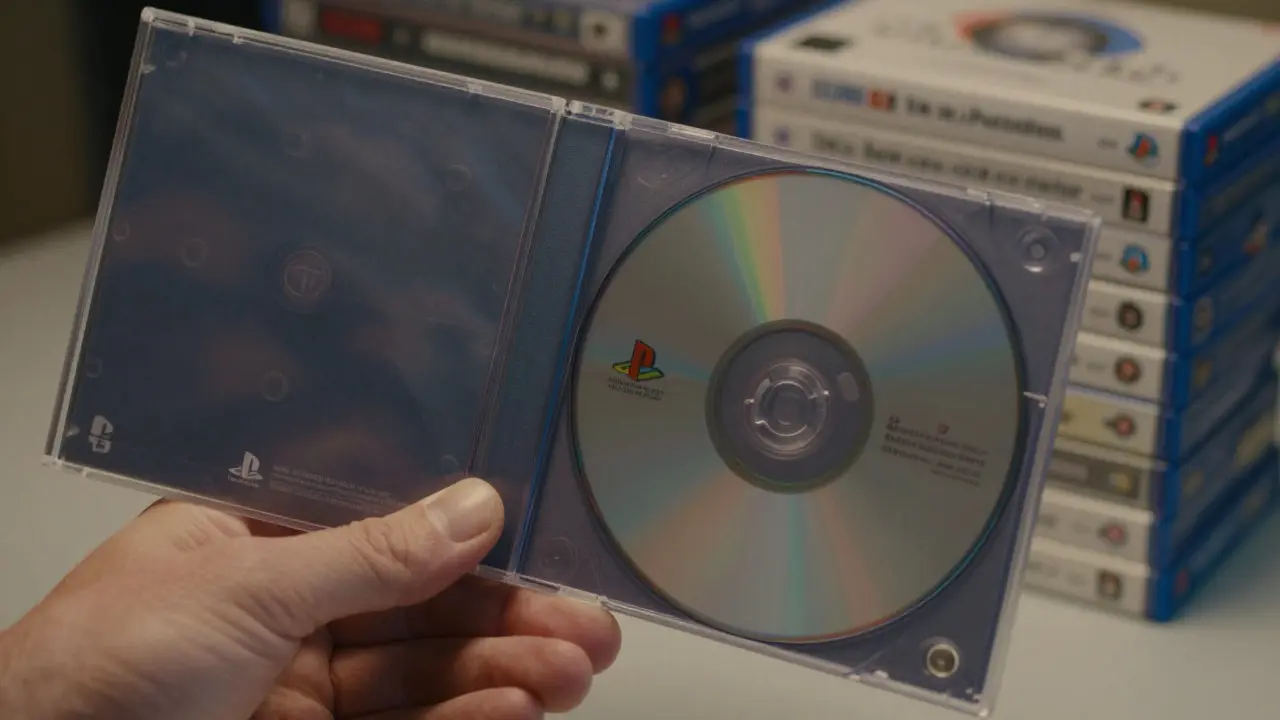
Opening a PlayStation 1 case from the late '90s feels like time travel. But if you're serious about building a collection, you need to know the difference between the shiny red Greatest Hits label and the matte black Black Label. They aren't just different colors; they represent different eras of production, different market strategies, and vastly different values for collectors today.
The core problem most new collectors face is confusion. Is a Black Label worth more? Does a scratched disc ruin the value? The short answer is: it depends on the game, the region, and how well you store it. This guide breaks down exactly what these labels mean, how to grade your discs, and why "mint" condition matters more than you think.
Understanding the Labels: Red vs. Black
To understand value, you first have to understand history. Sony released PlayStation games in distinct phases. The initial releases used standard blue or white labels. Then came the Greatest Hits line, easily identified by its bright red spine and label. These were re-releases of successful titles, often with updated packaging but the same core software. The goal was volume and visibility on store shelves.
Later, Sony introduced the Black Label (also known as the Platinum Edition in some regions). This series targeted long-tail sales. If a game wasn't selling well anymore, but still had a dedicated fanbase, it got the black treatment. The design was sleeker, darker, and signaled a "final form" for that specific title's physical life cycle. For collectors, the Black Label often represents the last major print run before the console was discontinued.
| Feature | Greatest Hits (Red) | Black Label | Standard Release |
|---|---|---|---|
| Color Scheme | Bright Red Spine/Label | Matte Black Spine/Label | Varies (Blue/White/Custom) |
| Release Era | Mid-1990s to Early 2000s | Early 2000s | Launch to Discontinuation |
| Collector Value | Moderate (High Volume) | Higher (Lower Print Runs) | Variable (First Pressings Highest) |
| Packaging Quality | Standard Cardboard | Refined Cardboard | Original Artwork |
Why Black Label Often Commands Higher Prices
You might wonder why a "discount" series like Black Label is sometimes worth more than the flashy red Greatest Hits box. It comes down to scarcity and finality. When Sony switched to Black Label, they often stopped printing the previous versions. For many mid-tier titles, the Black Label is the only version available in stores after a certain date. This creates a natural ceiling on supply.
Furthermore, the aesthetic appeal plays a role. Modern retro-gaming trends favor clean, minimalist designs. The stark black-and-white look of the Black Label fits this trend better than the busy, colorful artwork of the early 90s. However, don't assume every Black Label is valuable. If the game was a massive hit like Final Fantasy VII, the Greatest Hits version is so common it's practically worthless unless sealed. For obscure RPGs or niche sports titles, the Black Label is the holy grail because few people bought them at launch.
The Critical Role of Disc Condition
A pristine box means nothing if the disc inside is a coaster. In the PlayStation 1 world, disc condition is the single biggest factor affecting resale value. Unlike modern digital downloads, PS1 discs are optical media made of polycarbonate and aluminum. They are surprisingly fragile.
Here is the hierarchy of disc grades you need to know:
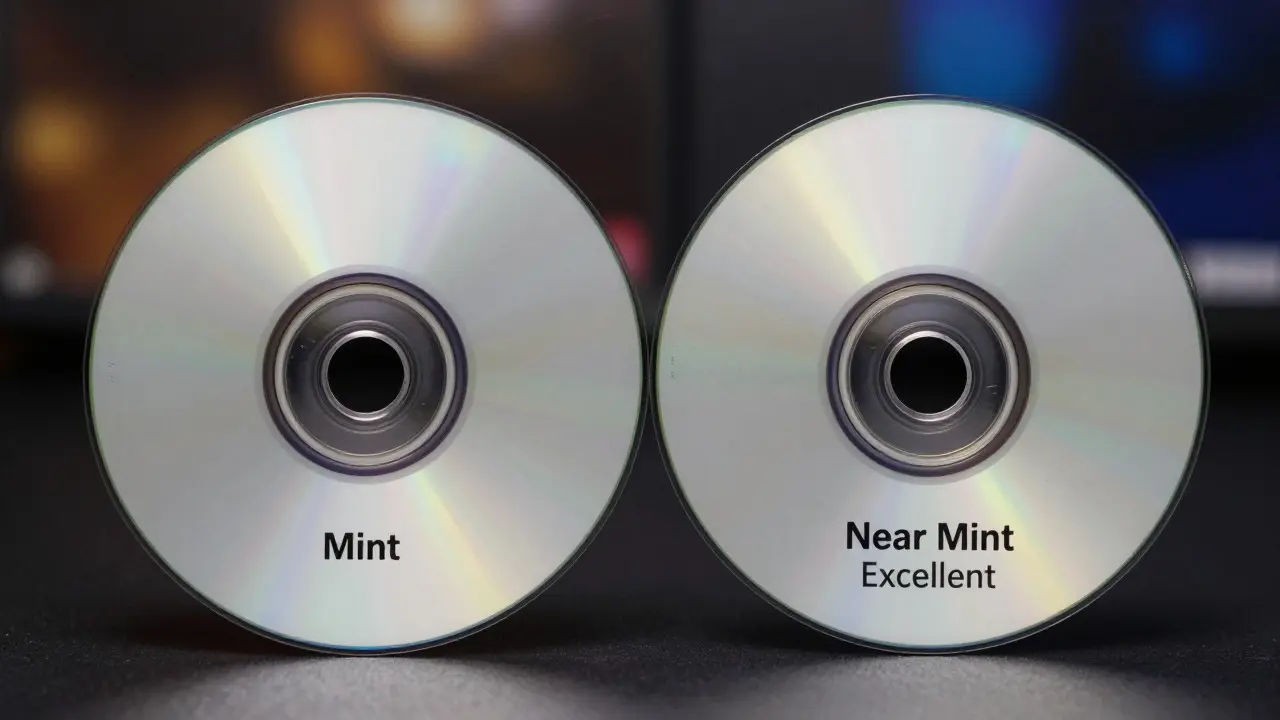
- Mint (M): No visible scratches, no scuffs, no cloudiness. The disc looks factory-fresh. Worth 100% of potential value.
- Near Mint (NM): Very light hairline scratches that don't affect playability. Still highly desirable. Worth 85-95% of potential value.
- Excellent (EX): Visible scratches, but the game loads perfectly. Some cloudiness may be present. Worth 60-75% of potential value.
- Good (G): Deep scratches, significant wear, or sticker residue. The game might skip or fail to load in rare cases. Worth 30-50% of potential value.
- Poor (P): Unplayable or requires constant intervention. Worth very little unless it's an ultra-rare title.
One specific issue to watch out for is "disc rot." This happens when the adhesive layer between the data layer and the plastic shell fails over time. You'll see rainbow-like patterns or flaking on the surface. A disc with rot is technically unplayable, regardless of external scratches. Always test a disc before buying or selling.
Storage Best Practices for Long-Term Preservation
If you want your collection to hold value in ten years, you need to treat your discs like museum artifacts. Heat, humidity, and sunlight are the enemies of optical media.
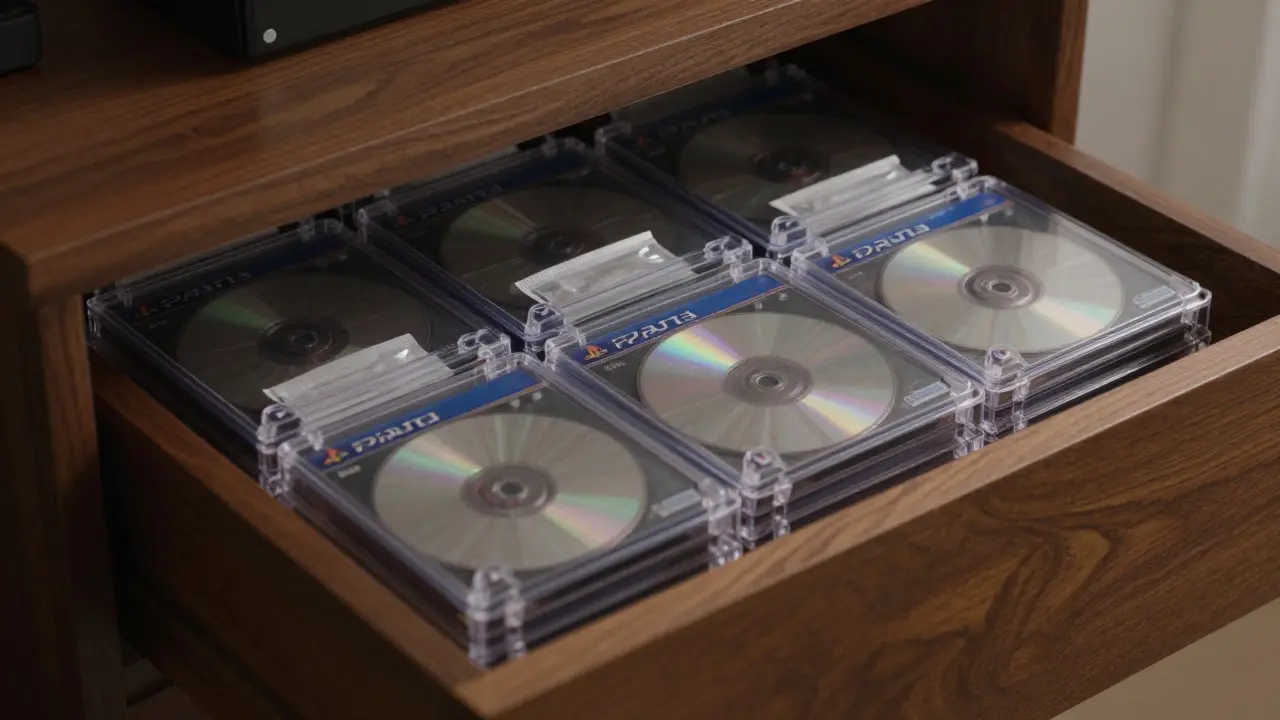
- Use Archival Cases: Standard jewel cases can yellow and crack. Consider switching to archival-grade polypropylene cases that block UV light.
- Control Humidity: Keep your storage area below 50% relative humidity. High moisture leads to mold and disc rot. Silica gel packets in your storage bins help significantly.
- Avoid Direct Sunlight: UV rays degrade the polycarbonate plastic, making it brittle and cloudy. Store your games in dark cabinets or drawers.
- Handle with Care: Always hold discs by the edges or center hole. Oils from your fingers attract dust and cause etching over time.
Don't forget the manuals and boxes. While the disc is the functional part, the complete-in-box (CIB) status adds a premium. A manual with creased corners or a box with bent flaps will lower the overall grade, even if the disc is mint.
Regional Differences and Import Value
PlayStation 1 was a global phenomenon, but regional differences matter. Japanese releases often feature exclusive art, unique bonus content, or limited print runs. For example, certain Tenchu or Sakura Wars titles are far rarer in North America or Europe. If you collect exclusively one region, you might miss out on higher-value variants.
European releases sometimes come with different language options or censored content compared to US versions. This can affect value depending on the collector's preference. Generally, Japanese imports command a premium due to their perceived quality and exclusivity, but they also require a modded console or a newer multi-region drive to play on original hardware without hassle.
How to Verify Authenticity
Fakes exist, though they are less common for PS1 than for Game Boy Advance or Nintendo DS. However, counterfeit discs do circulate, especially for popular titles. To verify authenticity, check the following:
- Disc Printing: Original discs have a specific laser-printed text layout. Fakes often have blurry text or incorrect font spacing.
- Case Mold Lines: Genuine Sony cases have crisp, sharp edges. Cheap fakes often have rough molding or misaligned hinges.
- Manual Paper Quality: Original manuals use high-quality paper with vibrant printing. Fakes often look washed out or feel thin.
- Barcodes and Ratings: Check the ESRB (US), PEGI (Europe), or CERO (Japan) rating stickers. They should be aligned correctly and match the release year.
If you're buying from a private seller, ask for close-up photos of the disc edge, the back of the case, and the manual pages. A reputable seller will provide these willingly.
Common Pitfalls to Avoid
New collectors often make mistakes that devalue their investment quickly. Here are the top three:
- Ignoring Region Locks: Buying a Japanese game thinking it will work on your US console without checking compatibility. While PS1 is mostly region-free for video, audio and menus remain in the original language.
- Overpaying for Common Titles: Games like Crash Bandicoot or Gran Turismo are everywhere. Unless it's a first pressing with all accessories, don't pay collector premiums.
- Neglecting Storage: Leaving games in a hot attic or damp basement is the fastest way to destroy value. Climate control is non-negotiable for serious collections.
Finally, keep records. Maintain a spreadsheet or database of your collection, noting purchase dates, prices, and condition grades. This helps track appreciation and makes selling easier later.
Is Black Label always worth more than Greatest Hits?
Not always. For blockbuster titles, Greatest Hits versions are so common they are cheap. Black Label is usually more valuable for mid-tier or obscure titles where print runs were smaller. Always check recent sales data for the specific game you are looking at.
Do scratched PS1 discs still work?
Often, yes. Light scratches usually don't affect readability. However, deep scratches or disc rot can cause loading errors or skipping. Test the disc thoroughly before assuming it is playable. If it works, it is still valuable, just graded lower.
What is the best way to clean a PS1 disc?
Use distilled water and a microfiber cloth. Wipe from the center outward in straight lines. Avoid circular motions, which can create new scratches. Do not use household glass cleaners, as they contain ammonia that damages the disc surface.
Are Japanese PS1 games better for collecting?
Generally, yes. Japanese releases often have exclusive content, higher production quality, and lower print runs. They tend to appreciate faster in value. However, they are harder to find in Western markets and may require translation tools for full enjoyment.
Does the manual affect the value of a PS1 game?
Yes, significantly. A complete-in-box set includes the disc, case, manual, and any included extras. Missing manuals reduce the grade from Mint to Near Mint or Excellent, lowering the price. Creased or stained manuals further reduce value.