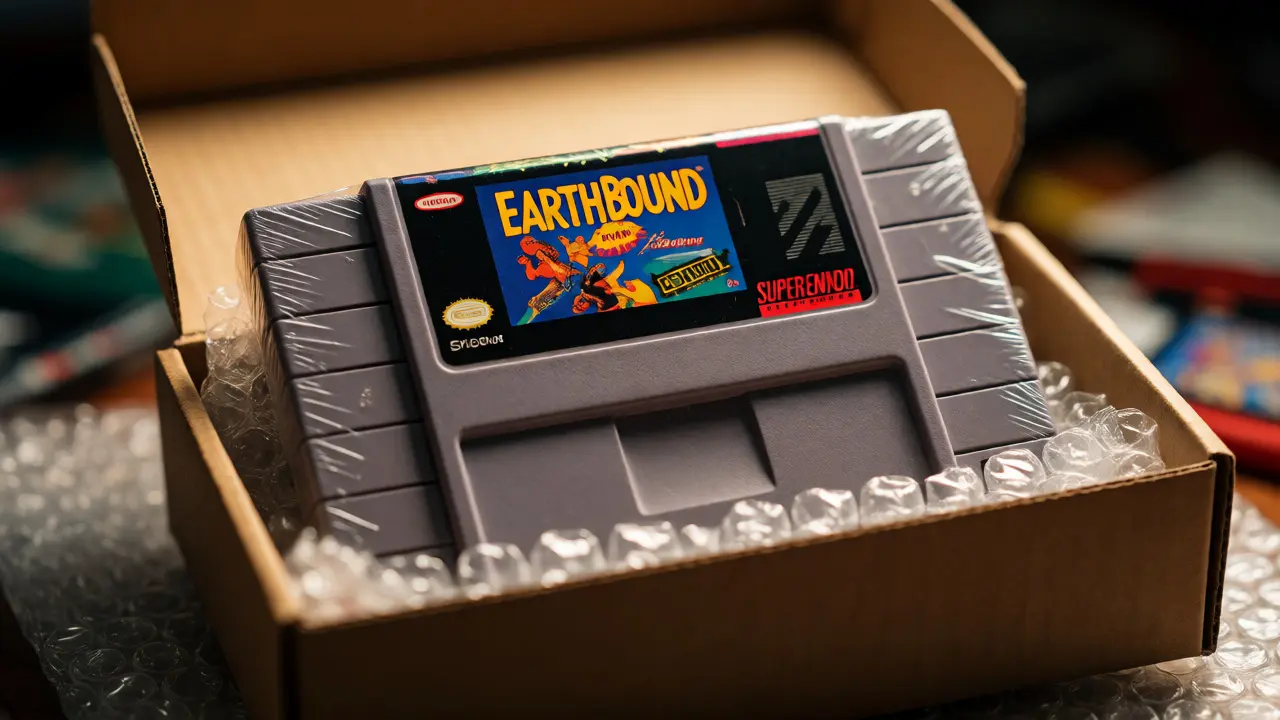
You just scored a sealed copy of EarthBound for the SNES in Japan for $40. You list it on eBay for $150. The sale goes through. Then the reality hits: your buyer wants it shipped from Tokyo to Ohio, or worse, you have to import it yourself first. Suddenly, that $110 profit margin looks a lot thinner after you factor in international shipping, potential customs fees, and the dreaded value-added tax (VAT). If you’re serious about cross-border video game flips, ignoring the logistics is the fastest way to turn a profit into a loss.
Most new flippers think the hard part is finding the deal. It’s not. The hard part is getting the physical object across borders without the government taking a bite or the package getting stuck in limbo for six weeks. This guide breaks down exactly how to handle customs, VAT, and shipping delays so you keep more of your money.
The Hidden Costs: What Actually Hits Your Wallet
When you buy a game internationally, you aren’t just paying the seller. You’re entering a complex web of taxes and fees. The two biggest culprits are Customs Duties and Value-Added Tax (VAT). Many people confuse these, but they work differently.
Customs duties are tariffs imposed by the importing country on goods coming from abroad. These rates depend on the product classification (HS code) and the country of origin. For most video games, US customs duty rates are surprisingly low-often zero if the game was made in the US or qualifies under certain trade agreements. However, this isn’t guaranteed. If you’re importing from Japan or Europe, you might face a small percentage fee, but usually, it’s negligible compared to shipping.
VAT is different. It’s a consumption tax charged at each stage of production and distribution. In the EU, UK, Canada, and many other regions, VAT applies to imported goods. Unlike duties, which might be waived, VAT is almost always collected upon entry. If you’re buying from a non-EU country into an EU country, the carrier will likely hold your package until you pay the VAT plus their handling fee. That handling fee? It can range from €10 to €20 per package, eating directly into your flip profit.
| Cost Component | Estimated Amount | Payer Responsibility | Notes |
|---|---|---|---|
| Item Price | $100.00 | Buyer | Base cost of acquisition |
| International Shipping | $25.00 - $60.00 | Buyer/Seller Agreement | Varies heavily by weight and speed |
| Import Duty | $0.00 - $5.00 | Importer | Often waived for games under de minimis threshold |
| VAT / GST | $19.00 - $25.00 | Importer | Calculated on Item + Shipping cost |
| Carrier Handling Fee | $10.00 - $20.00 | Importer | Charged by FedEx/DHL/UPS for processing |
Who Pays? The DDP vs. DDU Trap
This is where deals die. When you buy a game on Yahoo! Auctions Japan or Mercari, who pays the import taxes? Most platforms default to DDU (Delivered Duty Unpaid). This means the buyer (you) is responsible for all fees when the package arrives. If you don’t know this, you might reject the package because the total cost suddenly jumped by $40. The seller keeps the item, you lose your money, and the platform takes a cut.
Some sellers offer DDP (Delivered Duty Paid). Here, the seller handles the customs clearance and includes all taxes in the price. It’s cleaner, but rarer for individual sellers. Always check the listing description. If it says "import fees not included," assume you’re paying them. Factor an extra 20-30% buffer into your maximum bid to cover unexpected VAT and handling fees.
If you’re selling internationally, the dynamic flips. If you ship a game from Oregon to Germany using standard USPS First Class International, the German buyer will likely get hit with VAT and a Deutsche Post handling fee. This often leads to disputes. To avoid headaches, use IOSS (Import One-Stop Shop) if you’re registered as a business, or clearly state in your listing that the buyer is responsible for all local taxes. Transparency prevents negative feedback.
Shipping Strategies: Speed vs. Safety
Speed costs money. Safety costs time. Finding the balance depends on the value of the game. A $10 retro cartridge doesn’t need DHL Express. A $500 sealed collector’s edition does.
For low-value items (<$50), stick to national postal services like USPS, Japan Post, or Royal Mail. They are cheap, but tracking is spotty once the package leaves the country. Expect delivery times of 2-6 weeks. The risk? Loss. But if the insurance limit is low anyway, you’re only risking the item cost.
For mid-to-high value items ($50+), use private carriers like DHL, FedEx, or UPS. These services provide end-to-end tracking and faster customs clearance. Why? Because they have dedicated customs brokerage teams. They process thousands of packages daily and know how to expedite clearance. The downside? They aggressively collect duties and VAT, adding those annoying handling fees mentioned earlier. But for a high-margin flip, paying $15 in fees to save three weeks of waiting is worth it.
Pro tip: Always insure your shipment. Private carriers offer better insurance terms than postal services. If a $200 game gets lost in transit via Japan Post, you might get $5 back. Via DHL, you get the full declared value.
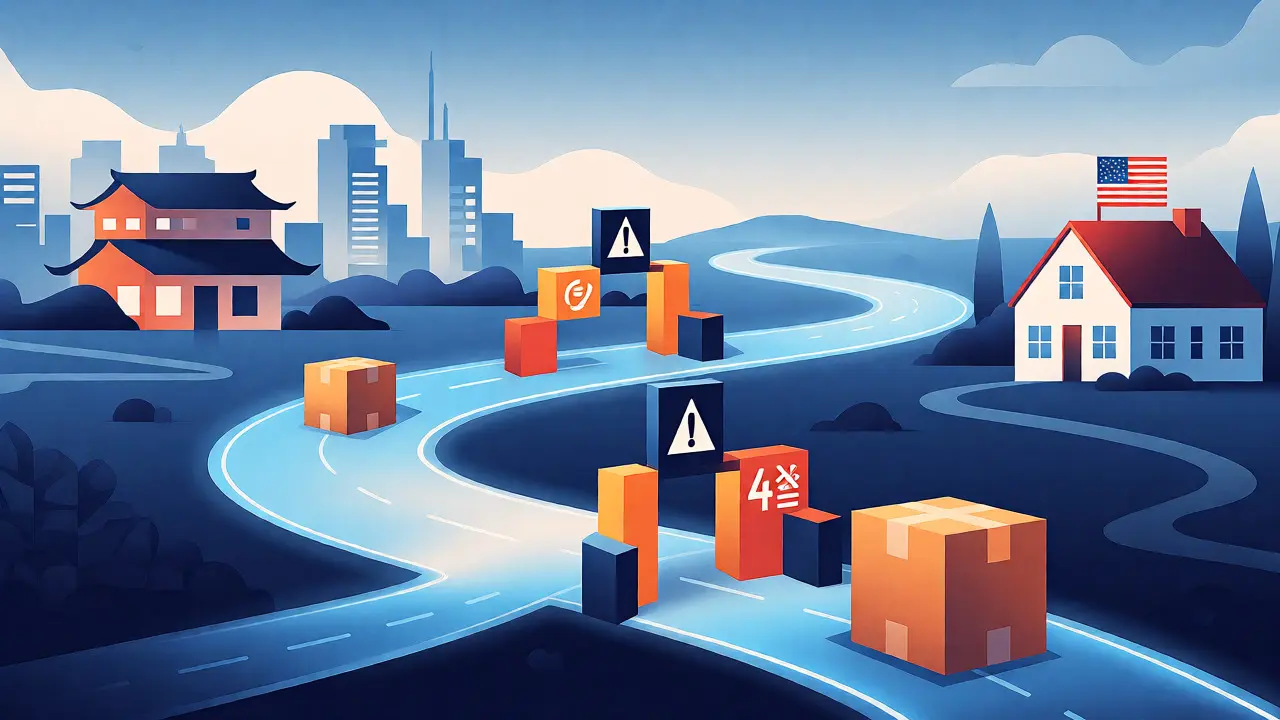
Beating the Delays: Documentation Matters
Why do some packages clear customs in hours while others sit for weeks? Usually, it’s bad paperwork. Customs officers hate ambiguity. If your commercial invoice says "Video Game," they might question the value or category. Be specific.
- Description: Write "Sealed Nintendo Switch Game, Super Mario Odyssey." Don’t just write "Game" or "Toy."
- HS Code: While not always required for personal shipments, knowing the Harmonized System code helps. For video games, it’s typically 9504.50. Including this speeds up automated scanning systems.
- Value Declaration: Declare the actual transaction value. Undervaluing items to avoid taxes is risky. If customs inspects the package and finds a $100 game declared as $10, they can fine you or seize the item. Over-declaring slightly is safer than under-declaring.
- Country of Origin: Ensure this matches the manufacturing location, not necessarily the seller’s location. A game sold in the US but made in China has different duty implications than one made in the USA.
Another delay killer is missing contact info. Customs needs a phone number and email address for the recipient. If they can’t reach you to ask for payment or clarification, the package sits idle. Double-check that your buyer’s phone number is correct before shipping.
Strategic Sourcing: Where to Look
Not all markets are equal. Some have strict export controls; others are loose. Here’s a quick snapshot of popular flipping destinations:
Japan is the holy grail for RPGs and visual novels. Platforms like Yahoo! Auctions and Suruga-ya are goldmines. Japanese packaging is excellent, reducing damage risk. However, language barriers exist. Use proxy services like Buyee or ZenMarket, but remember they add service fees (usually 5-10%) and consolidate shipping costs.
Europe offers great prices on niche indie titles and European-exclusive releases. The UK market is particularly strong for PlayStation exclusives. Since Brexit, moving goods between the UK and EU involves customs checks again. Before Brexit, it was seamless. Now, expect friction. Check if the seller uses IOSS to simplify VAT collection.
South Korea is emerging as a hotspot for PC gaming peripherals and limited editions. Shipping is fast, but documentation requirements can be strict. Korean sellers often speak English, making communication easier than in rural Japan.
Calculating Your Real Profit
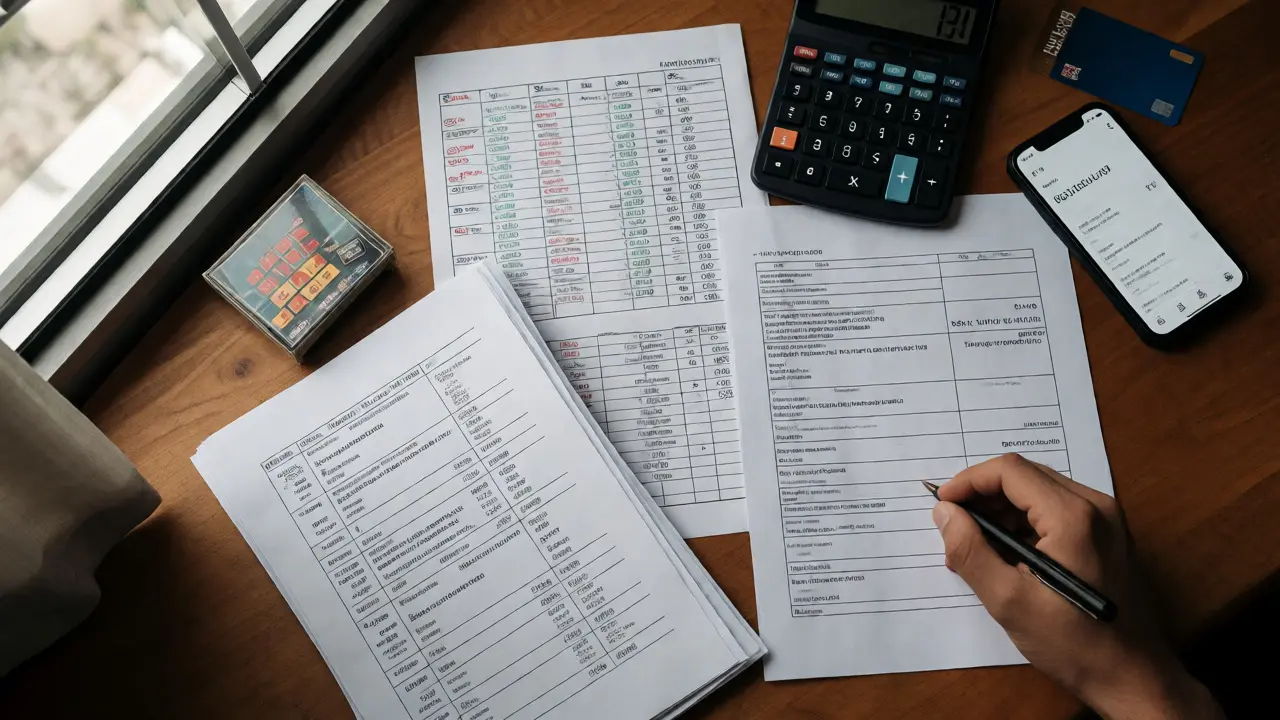
Before you click "Buy," run the numbers. Use this formula:
Profit = Sale Price - (Purchase Price + Shipping Out + Purchase Shipping In + Taxes/Fees + Platform Fees + Exchange Rate Loss)
Exchange rate loss is often overlooked. If you buy in Yen and sell in Dollars, currency fluctuations can wipe out 2-3% of your margin. Use a credit card with no foreign transaction fees to minimize this. Also, account for the time value of money. If your capital is tied up for two months due to shipping delays, is that $50 profit still worth it?
Consider the "dead stock" risk. If a game arrives damaged or doesn’t match the description, returning it internationally is nearly impossible. You’ll likely eat the cost. Inspect items carefully upon arrival. Take photos immediately. If there’s damage, file a claim with the carrier within 24 hours.
Final Checklist for Cross-Border Flipping
Ready to start? Run through this checklist before every purchase:
- Check De Minimis Threshold: Does your country allow imports under $X without tax? (e.g., US is $800, EU is €150).
- Verify Seller Reputation: Read reviews specifically mentioning international shipping experiences.
- Calculate Landed Cost: Add estimated VAT and handling fees to the purchase price.
- Choose Right Carrier: Use postal for cheap items, private courier for expensive ones.
- Prepare Accurate Paperwork: Detailed descriptions and correct values.
- Track Everything: Save tracking numbers and screenshots of listings.
Cross-border flipping isn’t for the faint of heart, but the margins on rare items justify the hassle. By understanding customs rules and planning for delays, you turn logistical nightmares into manageable business costs. Start small, learn the patterns, and scale up as you build confidence in navigating the global marketplace.
Do I have to pay customs duties on video games?
It depends on the destination country's regulations and the item's value. In the US, games under $800 are generally duty-free. In the EU, VAT is almost always applied regardless of value, though duties may be waived for low-value items. Always check the specific de minimis thresholds for your country.
What is the difference between DDP and DDU shipping?
DDP (Delivered Duty Paid) means the seller covers all shipping costs, including customs duties and taxes. DDU (Delivered Duty Unpaid) means the buyer is responsible for paying any applicable duties and taxes upon delivery. Most individual sellers use DDU.
How long does international shipping usually take?
Postal services (like USPS or Japan Post) typically take 2-6 weeks. Private couriers (like DHL or FedEx) usually deliver in 3-7 business days. Delays can occur due to customs inspections, holidays, or incomplete documentation.
Can I avoid VAT by declaring a lower value?
While some try this, it's risky. Customs authorities can inspect packages and verify values against online listings. If caught undervaluing, you may face fines, higher taxes, or seizure of the goods. It's safer to declare the true transaction value.
What happens if my package is held in customs?
The carrier will notify you via email or SMS. You'll need to provide additional information or pay outstanding duties/VAT. Once paid, the package is released. Failure to respond within a set period (often 30 days) can result in the package being returned to sender or destroyed.