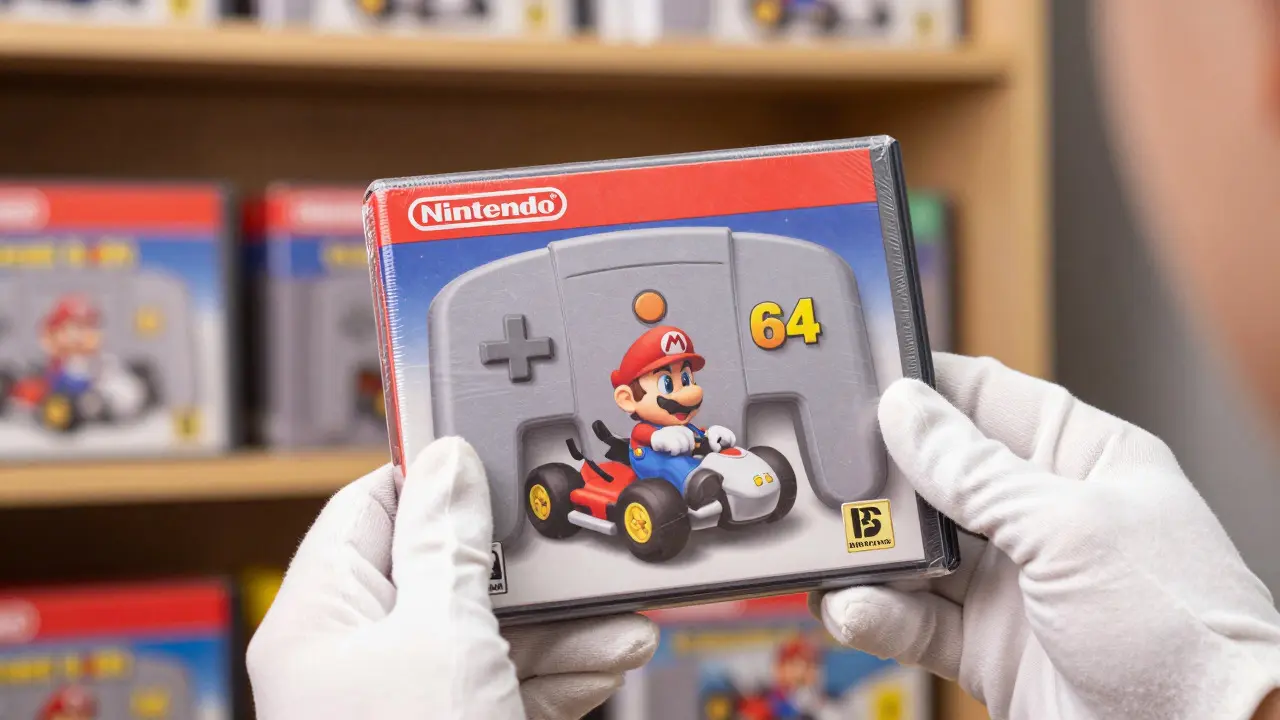
Hold a pristine copy of Mario Kart 64 in your hand. The case is clear, the label is bright, and the disc looks brand new. But is it actually perfect? In the world of collectible video games, "looks good" isn't enough. You need to know the difference between an A, an A+, and an A++. These seal grades determine whether your collection piece is worth $50 or $500. It’s not just about vanity; it’s about market value and preservation accuracy.
Grading services like PSA (Professional Sports Authenticator) and WATA use specific criteria to assign these letters. Understanding them helps you buy smart, sell accurately, and avoid overpaying for flaws you can’t see with the naked eye. This guide breaks down exactly what each grade means, how graders inspect cases, and why that tiny plus sign matters so much.
The Hierarchy of Video Game Grades
Most major grading companies use a letter-based scale ranging from D (Poor) to 10 (Gem Mint). However, many collectors and resellers still rely on the older or simplified A-scale for quick assessments, especially for sealed media. Here is how the top tier generally breaks down:
- A++ (Near Mint/Mint): The highest achievable state. No visible defects under normal lighting. Seals are intact, labels are original, and corners are sharp.
- A+ (Excellent): Minor imperfections that require close inspection to find. Perhaps a tiny scuff on the spine or a slight cloudiness in the plastic.
- A (Very Good): Noticeable wear. Light scratches, minor label peeling, or slight yellowing of the case.
Note that while PSA uses numbers (9 and 10), the A-scale is often used by private sellers or for informal peer-to-peer sales. If you are buying from a major marketplace, always check if the seller is using a professional slab grade or their own subjective A-grade.
What Defines an A++ Grade?
An A++ grade is the gold standard. For a game to earn this rating, every component must be in near-perfect condition. Let’s look at the specific attributes graders check:
- Case Clarity: The plastic must be free of scratches, cracks, or stress marks. When held up to light, no haze should be visible.
- Label Condition: The front and back labels must be firmly attached. No bubbling, peeling edges, or fading. Original factory stickers are a huge plus.
- Spine Integrity: The spine area is high-traffic. It must show no signs of rubbing or whitening from shelf storage.
- Seal Status: If the game is sealed, the shrink wrap must be unbroken. Any puncture, even a pinhole, drops the grade significantly.
Think of an A++ game as one that has been stored in a climate-controlled room since release. It hasn’t been played, handled carelessly, or exposed to direct sunlight. The visual appeal is immediate and striking.
Decoding the A+ Grade
So, what separates an A+ from an A++? It’s the details. An A+ grade indicates a game that is excellent but not flawless. You might notice:
- A single hairline scratch on the bottom edge of the case.
- Slight discoloration on the spine where the game was stacked.
- Minor adhesive residue around the label borders.
- Faint fingerprints inside the plastic that haven’t been cleaned off.
These flaws don’t detract from the game’s playability or overall aesthetic from a distance. However, under a magnifying lamp or bright studio light, they become apparent. For most casual collectors, an A+ is perfectly acceptable. But for investors looking to maximize resale value, the jump from A+ to A++ can double the price tag for rare titles.
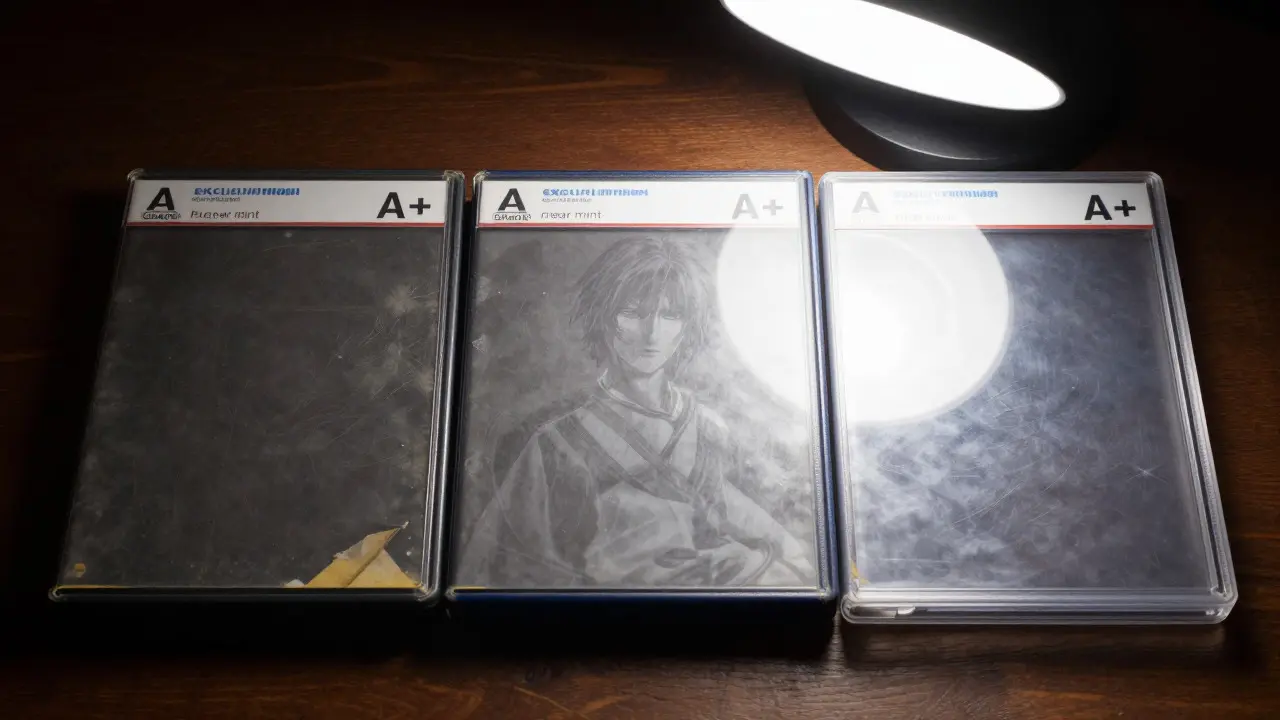
Understanding the A Grade
An A grade is solid. It’s a playable, complete, and attractive copy. But it shows its age. Common characteristics include:
- Visible scratches on the front cover when viewed at an angle.
- Yellowing of the plastic, common in older Nintendo Entertainment System or Sega Genesis cartridges.
- Labels that have slightly lifted at the corners.
- Shrink wrap that is wrinkled or has small tears (if sealed).
This grade is ideal for players who want a clean copy without paying collector premiums. It’s also the starting point for restoration projects. Many enthusiasts buy A-grade copies to deep-clean, re-label, or re-seal, aiming to push them into the A+ or A++ range.
Comparison Table: A vs. A+ vs. A++
| Feature | A (Very Good) | A+ (Excellent) | A++ (Mint/Near Mint) |
|---|---|---|---|
| Case Scratches | Visible under normal light | Only visible under magnification | None visible |
| Label Adhesion | Corners may lift | Firm, no lifting | Perfectly flat, original glue |
| Spine Wear | Noticeable whitening/rubbing | Minimal or none | No wear |
| Market Value Impact | Baseline price | +20% to +50% | +100% to +300% |
Why Sealed Games Are Different
When we talk about sealed video games, the grading process changes. The focus shifts from the internal components to the exterior packaging. A sealed game is judged primarily on the integrity of the shrink wrap and the condition of the outer box or case.
For sealed releases, an A++ grade requires the shrink wrap to be completely intact. There can be no cuts, tears, or pinholes. The box itself must be square, with sharp corners and no dents. Even a small crease in the cardboard can drop a sealed game from A++ to A+. This is because sealed items are considered "unopened," and any damage to the packaging suggests potential tampering or poor storage conditions.
Companies like WATA specialize in grading these sealed items. They use specialized tools to inspect the wrap without opening it. Their reports often include notes on the type of shrink (original factory vs. third-party resealing), which is a critical factor for authenticity.
Common Pitfalls for Collectors
Even experienced collectors make mistakes when assessing grades. Here are the most common traps to avoid:
- Ignoring Lighting: Always inspect games under bright, diffuse light. Shadows hide scratches, and dim rooms make yellowing invisible.
- Assuming Clean Equals New: A game can be thoroughly cleaned but still have permanent micro-scratches. Cleaning improves appearance but doesn’t restore material integrity.
- Overlooking the Back Label: Many buyers only look at the front. The back label often reveals storage history, such as sticker remnants or water stains.
- Confusing Reseals with Originals: Third-party reseals can look convincing. Check for heat distortion or uneven tension in the plastic. Original factory seals usually have a consistent texture and logo placement.
If you’re buying online, ask for videos taken in daylight. Static photos can be edited to hide flaws. A 10-second video panning across the case will reveal more than ten high-resolution images.
How Grading Affects Your Wallet
The difference between grades isn’t just academic; it’s financial. For popular titles like The Legend of Zelda or Super Mario World, the price gap between an A and an A++ can be hundreds of dollars. Why? Scarcity. Fewer games reach A++ condition because most were played, moved, and stored in less-than-ideal environments.
However, grading costs money. Professional slabbing fees can range from $20 to $100 per item, depending on turnaround time. For low-value games, the cost of grading might exceed the profit margin. It’s best to reserve professional grading for high-value or rare items. For everyday collections, learning to self-assess using the A/A+/A++ framework saves time and money.
Preserving Your Collection
You don’t need a lab to keep your games in top shape. Simple habits prevent degradation:
- Store Vertically: Horizontal stacking puts pressure on spines, causing cracking and label peeling.
- Control Humidity: Keep humidity between 40-50%. Too dry causes brittleness; too moist leads to mold and label warping.
- Use UV-Protected Cases: Direct sunlight fades labels and yellows plastic. UV-filtered display cases protect against this.
- Handle with Care: Use gloves when handling discs to prevent oil transfer. Avoid touching the label surface directly.
Treating your games with respect today ensures they retain their A++ potential years from now.
Is an A+ grade better than a 9/10 PSA grade?
They are comparable but not identical. A PSA 9 is "Mint," meaning nearly flawless. An A+ is "Excellent," allowing for minor flaws. Generally, a PSA 9 aligns closer to an A++ or high-end A+. Always check the specific grading company's rubric for exact equivalencies.
Can I upgrade my game from A to A+ at home?
You can improve the appearance by cleaning and replacing labels, but true material restoration is difficult. Removing deep scratches requires polishing, which can thin the plastic. Re-labeling changes the originality, which some collectors penalize. It’s possible to enhance value, but don’t expect a full grade jump without professional intervention.
Does the condition of the manual affect the game grade?
Usually, the grade applies to the game cartridge/disc and case. The manual is graded separately or noted as part of the "complete set" value. However, a missing or damaged manual lowers the overall package value, even if the game itself is A++.
What is the most valuable sealed video game grade?
An A++ or 10/10 sealed grade is the most valuable. Rarity drives price. For example, a sealed copy of a rare Japanese-only title in A++ condition can fetch thousands of dollars, far exceeding its open counterpart.
How do I tell if a shrink wrap is original?
Look for consistent texture, proper logo alignment, and heat-set ends. Original wraps often have a specific crinkle pattern unique to the manufacturer. Third-party reseals may have uneven tension, visible seams, or generic logos. Consulting with a grader or experienced collector is the safest way to verify.