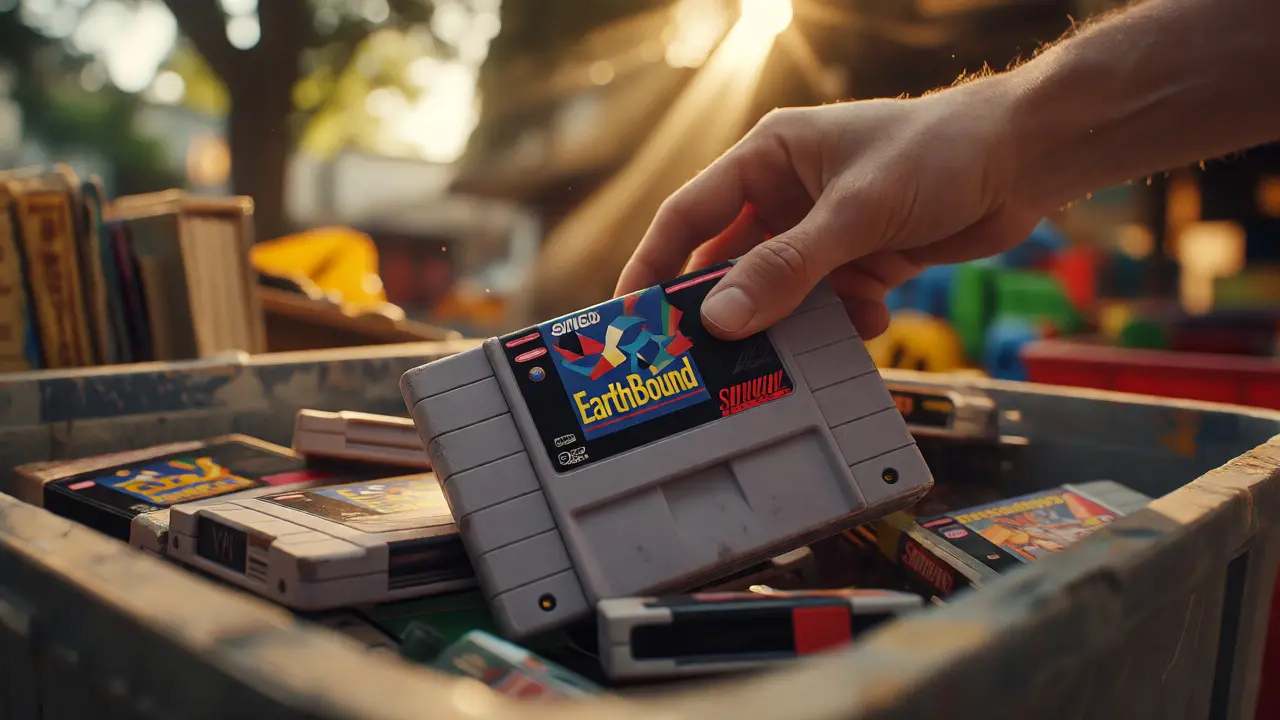
You spent years hunting down that copy of EarthBound for the SNES. You finally found it in a dusty bin at a garage sale in Portland, Oregon, for five bucks. Now it sits on your shelf, looking lonely and unappreciated. That’s where a showcase thread comes in. It’s not just about bragging rights; it’s about connecting with people who actually get why you paid $40 for a plastic cartridge from 1995.
Creating a good showcase thread is an art form. If you just dump a blurry photo of a messy pile of boxes, nobody cares. But if you curate your collection, tell its story, and engage with the comments, you become a fixture in the community. Whether you’re posting on Reddit, Discord, or a dedicated forum like NeoGAF or ResetEra, the principles are the same. You need clarity, personality, and a bit of strategy.
Why Your Collection Needs a Digital Home
Think about why you collect games. Is it nostalgia? The thrill of the hunt? Or maybe you just love the box art? Whatever the reason, sharing it validates those feelings. A well-made showcase thread acts as a digital museum exhibit. It invites feedback, sparks debates about rarity, and helps you discover new titles based on what others suggest.
Plus, communities thrive on content. Most forums have sticky threads or weekly showcases. By participating, you signal that you’re an active member, not just a lurker. This often leads to better trades, early access to community events, and friendships with collectors who share your specific niche-whether that’s Sega Dreamcast oddities or PlayStation 2 RPGs.
Curating Before You Post
Don’t just photograph everything you own. Curate. Decide on a theme. Are you showing off your entire library? That could be hundreds of items. Instead, break it down. Maybe you start with "My Top 10 Favorite JRPGs" or "The Complete Atari 2600 Set." Focused threads get more engagement because they’re easier to digest.
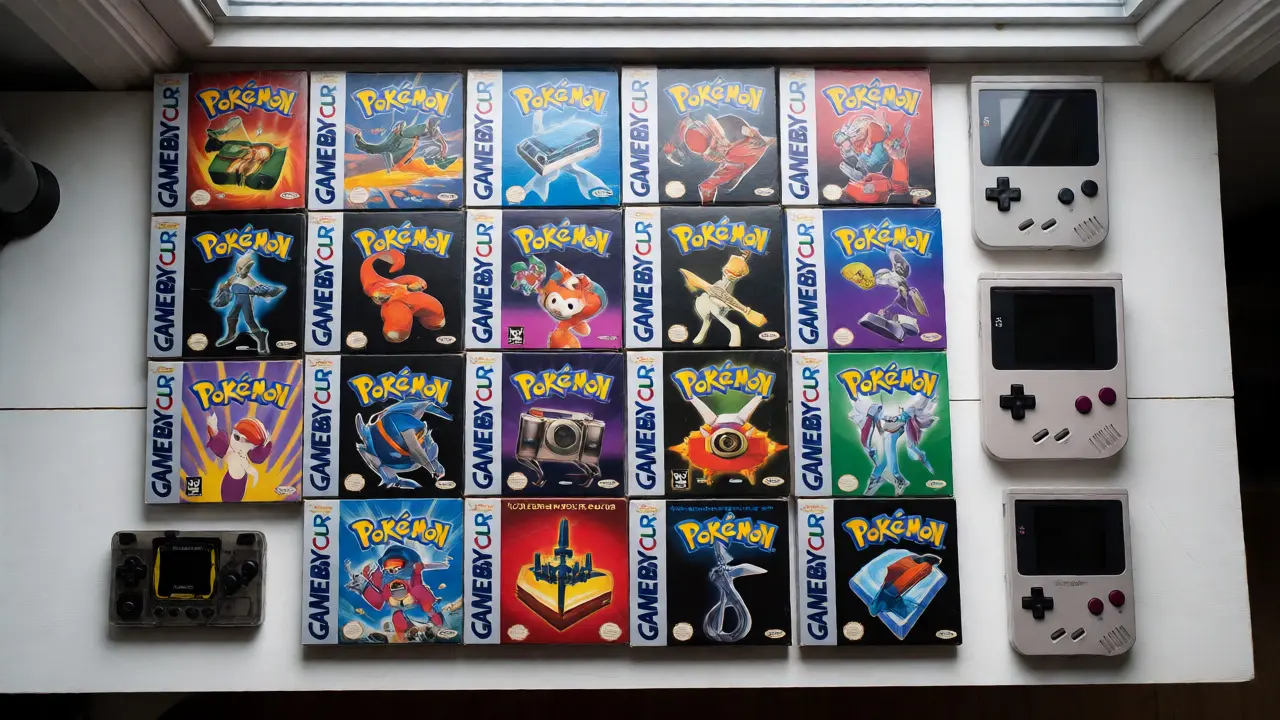
- Niche Down: Instead of "All My Games," try "Every Game Boy Color Pokémon Variant." Specificity attracts experts.
- Tell a Story: Don’t just list titles. Add one sentence per game about how you got it. Did you trade a friend? Find it online? Inherit it?
- Highlight Rarity: If you have a sealed copy of Super Mario Bros., flag it. People love spotting gems.
Before you snap a single picture, organize your physical space. Dust matters. A smudge on a case looks ten times worse in a high-res photo. Align the spines neatly. Use a clean background-a plain white wall or a wooden desk works best. Avoid cluttered bookshelves unless the chaos is part of your brand.
Photography Tips for Collectors
You don’t need a professional studio. A smartphone camera is enough if you know how to use light. Natural daylight is your best friend. Place your collection near a window, but avoid direct harsh sunlight which creates glare on plastic cases. Diffused light shows texture and color accurately.
Angles matter. For flat lay photos (games arranged on a surface), shoot directly from above to prevent distortion. For shelves, shoot straight on, not from below or above, to keep lines parallel. If you’re showing off a large collection, take multiple photos rather than trying to squeeze everything into one wide shot. Label them clearly: "Part 1: NES," "Part 2: SNES," etc.
| Setup Type | Best For | Pros | Cons |
|---|---|---|---|
| Natural Window Light | Box art detail, colors | Free, accurate color rendering | Inconsistent timing, weather-dependent |
| Ring Light | Close-ups, cartridges | Even illumination, reduces shadows | Can create circular reflections on glossy cases |
| Softbox Kit | Large collections, full shelves | Controlled environment, consistent results | Costly, requires space for setup |
Structuring Your Thread for Maximum Engagement
The structure of your post determines whether people scroll past or stop to read. Start with a hook. A striking image of your rarest find works wonders. Then, provide context. How long did this collection take to build? What was your first purchase?
Use formatting tools. Bold headers for different consoles help readers navigate. Bullet points make lists readable. If you’re on a platform that supports it, use spoiler tags for hidden gems so enthusiasts can click to reveal them. End with a question. "What’s the hardest game you’ve ever found?" invites replies. Without a call to action, your thread becomes a monologue.
Consider adding metadata. List the total number of games, the oldest year represented, and the most expensive item. Numbers add credibility and give readers quick facts to latch onto. For example: "Total Games: 450 | Oldest Title: 1983 | Most Expensive Purchase: $120."
Engaging With the Community
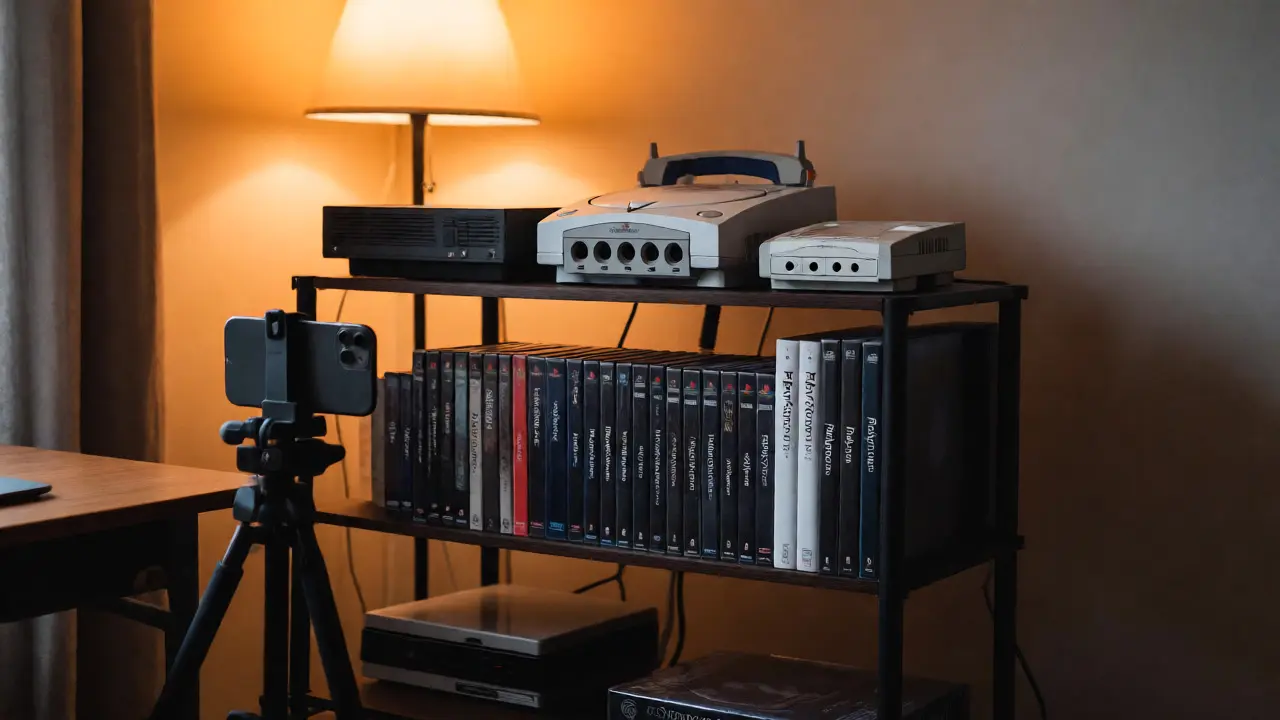
Posting is only half the battle. Replying to comments builds relationships. When someone compliments your Dreamcast setup, thank them. Ask them about their favorite game on that system. This turns passive viewers into active participants.
Be humble but confident. It’s okay to admit gaps in your collection. Saying "I’m still missing Chrono Trigger for the DS" makes you relatable. People love helping collectors fill holes. They might even offer to sell you their duplicate copy.
Avoid common pitfalls. Don’t spam other threads with your link. Wait until you’ve posted meaningful comments elsewhere before dropping your showcase. And never argue with trolls. If someone says your collection is overpriced or disorganized, smile and move on. Not everyone shares your aesthetic.
Keeping Your Thread Alive
Collections grow. Update your thread every few months. Add new acquisitions. Note sold items. This keeps the content fresh and gives you a reason to bump the thread organically. Some forums allow editing the original post; use this feature wisely. Keep the core narrative intact but update the stats.
If your initial post gets traction, consider expanding. Turn a simple photo dump into a blog-style series. Write mini-reviews of your top picks. Share tips on storage solutions. Position yourself as a resource, not just a hoarder. Over time, your username becomes synonymous with quality curation in that community.
How many games should I show in one thread?
It depends on the platform. On Reddit, aim for 5-10 high-quality images per post. If you have hundreds of games, split them by console or genre. For example, post your Nintendo games in one thread and Sony games in another. This prevents overwhelming the reader and keeps the discussion focused.
Should I include prices in my showcase?
Only if relevant. Listing prices for rare items adds context about value. However, listing prices for common games can invite unnecessary debate. Focus on personal significance instead. If you bought a game for $5 that’s worth $50, mention the deal. It’s fun to celebrate a win.
What if my collection is small?
Small collections can be impactful. Focus on quality over quantity. Highlight your favorites and explain why they matter to you. A curated list of 10 beloved games often resonates more than a generic shelf of 100 random titles. Passion translates through text and photos regardless of size.
How do I handle negative comments?
Ignore trolls. Engage with constructive criticism politely. If someone suggests a better organization method, thank them and explain your current logic. Remember, you’re sharing a hobby, not defending a thesis. Keep it light and friendly.
Is it okay to show incomplete boxes or loose cartridges?
Absolutely. Many collectors prioritize gameplay over packaging. Just be transparent. Label items as "loose" or "incomplete" so purists aren’t surprised. Showing worn copies tells a story of use and enjoyment, which many gamers respect more than pristine, untouched boxes.