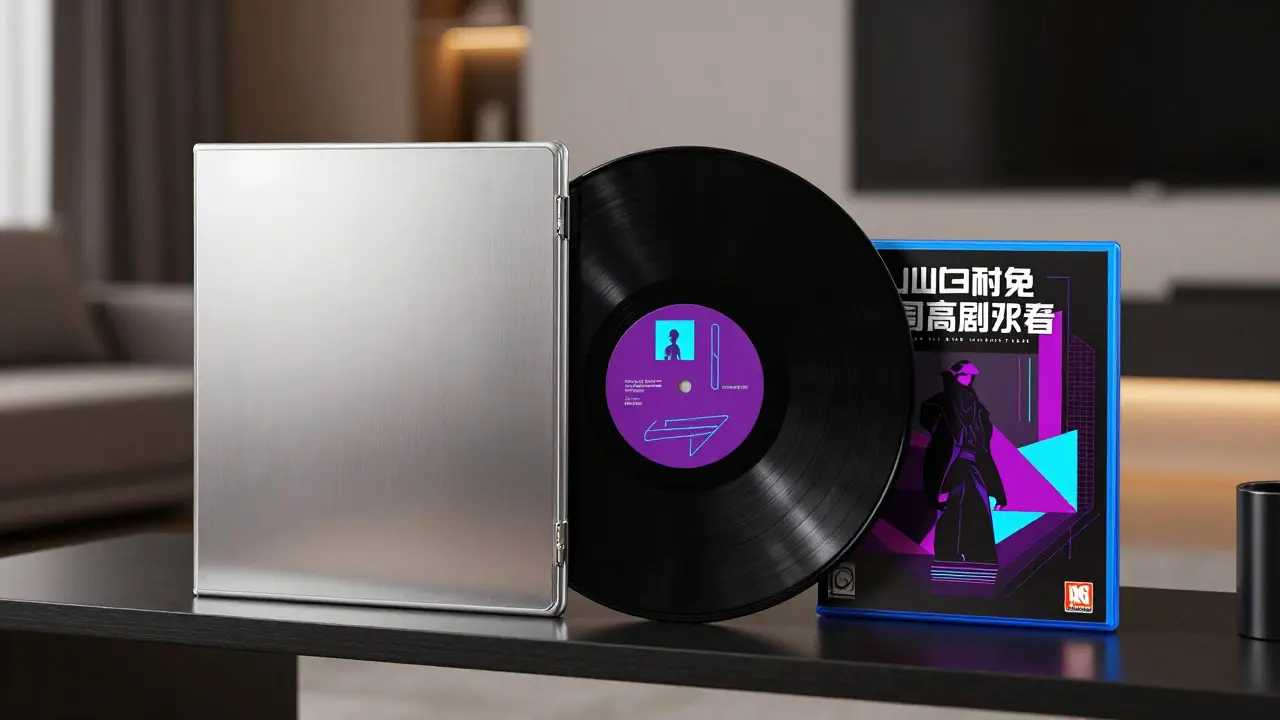
Walk into any modern collector’s shelf in 2026 and you won’t see distinct piles of music, movies, or games. Instead, you’ll find a curated ecosystem where a Steelbook is a durable metal case for Blu-ray and DVD releases that has evolved from a niche bonus item to a primary collectible asset sits right next to a limited-run Vinyl Record is a physical audio format that has experienced a resurgence driven by tactile appeal and high-fidelity sound quality, which shares artwork with the cover art of a premium Video Game is an interactive entertainment product that increasingly includes physical artifacts like art books, statues, and special packaging to enhance its value beyond digital downloads. This phenomenon, known as cross-collecting, isn’t just about buying things; it’s about curating a visual and auditory identity that spans multiple mediums.
The Shift from Digital to Tangible
For a decade, the narrative was that physical media was dying. Streaming services promised convenience, and digital stores promised instant access. But the market corrected itself. By 2025, the global market for physical video games had stabilized, not because people stopped playing on consoles, but because they started treating games as cultural objects rather than just software. The average consumer now spends roughly 30% more on physical editions compared to five years ago, specifically targeting special editions that include tangible components. This shift mirrors the vinyl revival, where audiophiles and casual listeners alike prioritize the ritual of handling an object over the speed of a click.
This tangible preference drives the cross-collecting trend. Collectors are no longer siloed. A fan of *Cyberpunk 2077* might buy the platinum edition of the game, the original soundtrack on colored vinyl, and the exclusive steelbook release of the related animated series. These three items share a cohesive aesthetic language-neon colors, gritty textures, and specific typography-that transforms a collection into a unified statement. The value proposition has shifted from utility to display. If you don’t play the game, do you still want the box? For many, the answer is yes, because the box is part of the experience.
Steelbooks: The Anchor of the Collection
Steelbooks have become the glue holding these collections together. Originally introduced by Disney for their film releases, these metal cases were initially seen as fragile and expensive. However, manufacturers improved the durability, and collectors embraced them for their sleek, modern look. Unlike plastic cases, steelbooks resist yellowing and offer a premium feel that matches the weight of a vinyl record. In 2026, major publishers like Sony Pictures and Universal Studios release steelbooks exclusively for titles that have strong merchandise potential, ensuring that the packaging itself becomes a secondary product.
The design synergy between steelbooks and video game covers is particularly strong. Game developers often use the same high-resolution artwork for both the game’s physical box and the movie or TV tie-in steelbook. This creates a visual continuity that appeals to interior designers and hobbyists alike. When you line up a steelbook, a vinyl LP, and a game case, the color palette and imagery create a harmonious block on a shelf. This visual cohesion is a key driver for buyers who are less concerned with the content inside and more focused on the presentation outside.
Vinyl: The Sonic Companion
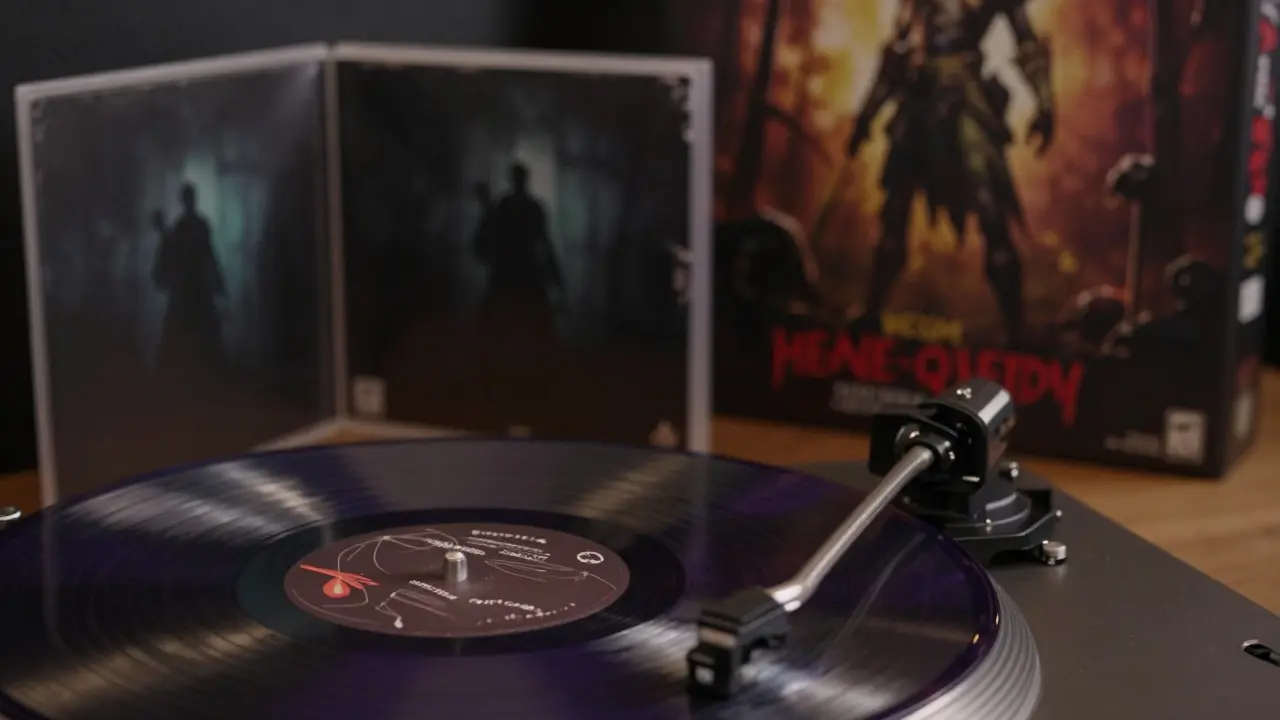
While steelbooks handle the visual aspect, Vinyl Records provide the auditory layer. The resurgence of vinyl isn’t just about nostalgia; it’s about the perceived quality of the listening experience. Many video game soundtracks are released simultaneously on digital platforms and vinyl, with the vinyl version often featuring remastered tracks or exclusive bonus cuts. For example, the *Elden Ring* soundtrack saw a massive spike in sales when the physical vinyl edition included a unique gatefold sleeve that matched the game’s lore-heavy aesthetic.
Cross-collectors often seek out "picture discs" or splatter vinyls that visually mimic the themes of associated games or films. A horror-themed game might come with a black-and-white splatter vinyl, while a sci-fi title might feature a clear blue disc with embedded glitter. These visual elements bridge the gap between hearing the music and seeing the world of the game. The turntable market has also adapted, with brands like Audio-Technica and Rega releasing compact, stylish decks that fit seamlessly into gaming setups, further blurring the lines between a home theater and a music room.
Video Games: More Than Just Code
The video game industry has recognized this shift and responded by creating "collector’s editions" that rival the complexity of high-end board games. These packages often include a large-format art book, a statue, a pin set, and sometimes even a small vinyl record of the main theme. The Video Game Industry is a sector that generates revenue through software sales, hardware, and increasingly, physical merchandise and licensing deals now treats packaging as a core marketing tool. Limited print runs create scarcity, driving up resale values on secondary markets. A standard copy of a game might sell for $60, but a limited steelbook edition with a vinyl soundtrack can fetch over $150 within weeks of release.
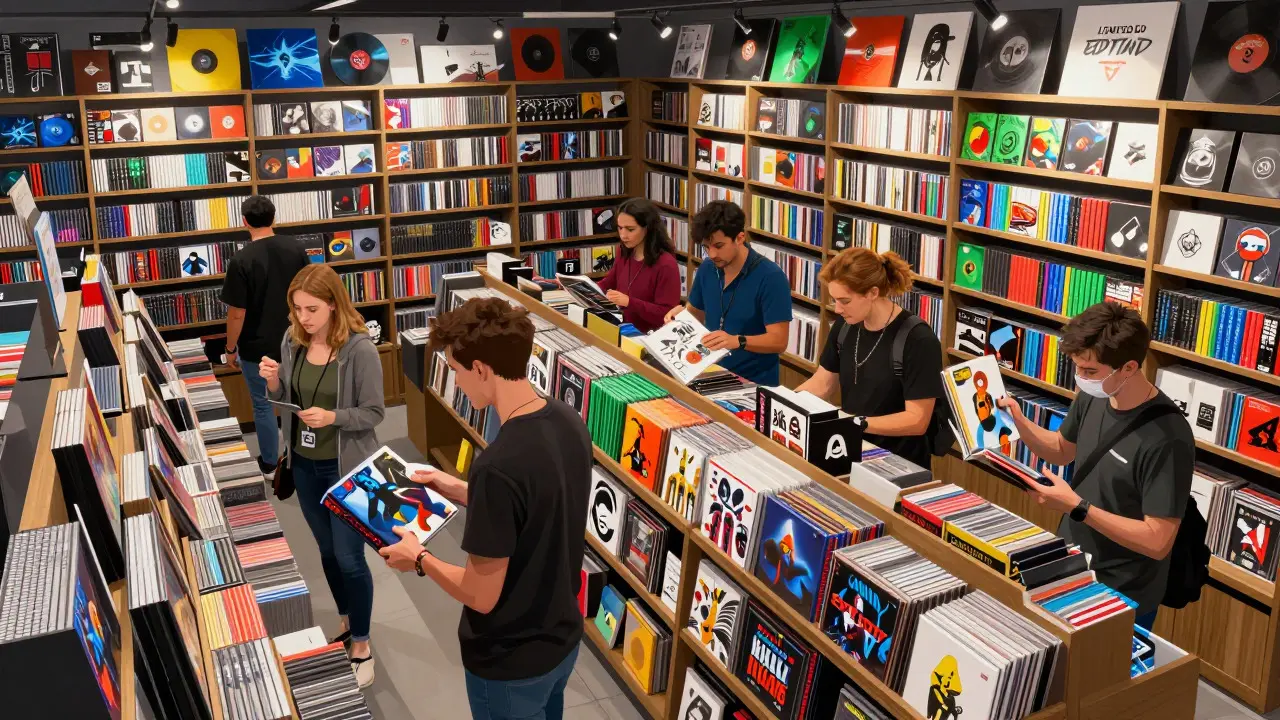
This strategy benefits all parties. Publishers get higher margins on physical goods, fans get a deeper connection to the IP, and retailers get a reason for customers to visit brick-and-mortar stores. The rise of specialty game stores, which double as record shops and comic book outlets, reflects this convergence. These hybrid stores cater to the cross-collector who wants to browse for new releases across all three categories in one trip.
| Attribute | Steelbook | Vinyl Record | Video Game (Physical) |
|---|---|---|---|
| Primary Value Driver | Visual Design & Durability | Audio Quality & Tactile Experience | Gameplay & Lore Artifacts |
| Average Price Range (2026) | $40 - $80 | $30 - $60 | $60 - $200+ |
| Scarcity Factor | High (Limited Prints) | Medium (Standard vs. Colored) | Variable (Standard vs. Collector's Ed.) |
| Display Potential | High (Sleek, Uniform Size) | Medium (Requires Sleeve/Box) | High (Large Boxes, Statues) |
| Resale Trend | Stable to Appreciating | Appreciating for Limited Pressings | High for Sealed Collector's Editions |
Building a Cohesive Shelf
How do you actually build a collection that feels intentional rather than cluttered? The key is thematic consistency. Choose a genre or aesthetic that you love-maybe retro-futurism, gothic horror, or open-world adventure-and stick to it. Look for releases that share similar color palettes. For instance, if you love dark, moody tones, seek out steelbooks with matte black finishes, vinyl pressings on deep purple or charcoal discs, and games with minimalist, shadow-heavy box art.
Size matters too. Standard steelbooks and vinyl sleeves are roughly the same size, making them easy to stack side-by-side. Video game boxes vary, but most modern releases use a uniform rectangular format. To maximize space, consider using clear acrylic stands for your steelbooks and vinyl, allowing you to display the front cover art without hiding it behind other items. This setup turns your shelf into a gallery, inviting friends and family to ask about the stories behind each piece.
The Economic Angle: Is It Worth It?
From a financial perspective, cross-collecting is risky. Not every item appreciates in value. Mass-produced steelbooks often lose money once the hype dies down. However, limited editions with unique features-like embossed logos, numbered certificates, or exclusive vinyl colors-tend to hold their value better. The real return on investment is experiential. The joy of unboxing a premium game, the ritual of dropping a needle on a fresh record, and the satisfaction of completing a themed set provide intangible benefits that digital streaming rarely offers.
Moreover, the secondary market for these items is robust. Platforms dedicated to trading physical media have seen increased activity as more people enter the hobby. Selling off duplicates or upgrading to rarer variants allows collectors to manage their budget effectively. The community aspect is also valuable; online forums and local meetups provide spaces to trade, discuss, and showcase collections, turning a solitary hobby into a social activity.
Frequently Asked Questions
What is the best way to store steelbooks and vinyl together?
Use vertical shelving with dividers or clear acrylic holders. Store them away from direct sunlight to prevent fading on the metal and vinyl jackets. Keep humidity levels moderate to avoid warping vinyl and rusting steelbook edges.
Do video game soundtracks on vinyl sound better than digital?
Subjectively, many listeners prefer the warmth and depth of analog playback. Technically, high-quality vinyl pressings can offer a wider dynamic range than compressed digital files, providing a richer listening experience for orchestral or ambient game scores.
Which genres are most popular for cross-collecting?
Sci-fi, fantasy, and horror tend to dominate due to their strong visual identities and extensive soundtracks. Franchises like *Star Wars*, *Halo*, and *Dark Souls* have extensive physical media ecosystems that cater to this trend.
Is it worth buying sealed copies for investment purposes?
Only if you are confident in the long-term popularity of the IP. Sealed collector’s editions of major franchises often appreciate, but niche titles may depreciate. Research historical price trends on auction sites before purchasing for investment alone.
How do I start a cross-collection on a budget?
Start with one core item, such as a favorite game’s physical edition. Then, look for used vinyl or steelbooks at garage sales or thrift stores. You don’t need to buy everything new; condition matters more for some collectors than others, so check for damage before buying second-hand.