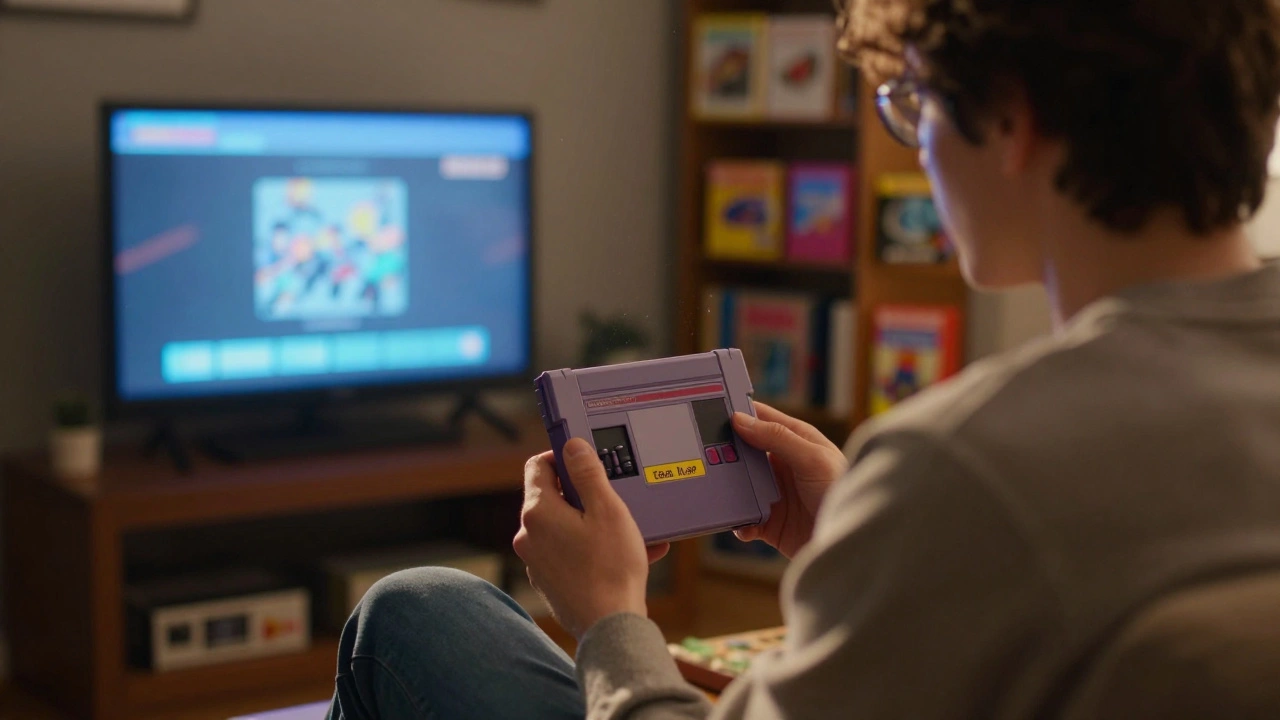
If you've ever watched a YouTube video about an old Nintendo cartridge and immediately wanted to own one, you know the feeling. But here is the twist: that same video might actually stop other people from buying it. This dynamic creates a strange reality for collectors and sellers alike. We are seeing a market where visibility does not always equal sales volume, especially when it comes to classic titles.
The connection between YouTube Influencers creators who produce gaming content to large audiences and Retro Video Games video games released decades ago that have gained collector status is deeper than simple advertising. It shapes how much money these games fetch on the secondhand market. Understanding this relationship helps you decide when to flip a cart, hold a memory, or simply watch the hype play out.
The Research Behind the Screen
To understand what moves the needle, we look at hard data rather than gut feelings. A major study published recently in Marketing Science analyzed nearly 100,000 users. The researchers found something counterintuitive. When a big creator posts a video about a game, immediate purchases often drop by about half a percent. Meanwhile, people who already own the game tend to play it more.
This sounds like bad news for developers, right? It is complicated. For modern games, lost sales might mean lost profit. But for the retro community, the story changes because we aren't buying digital downloads from a store page anymore. We are hunting physical copies on auction sites. If everyone watches the gameplay, they get the story without spending $200 on a boxed version. Yet, those same viewers fuel the hype that drives up auction prices for pristine copies.
The study specifically highlighted that narrative-driven games suffer the most from this "watch instead of play" effect. Think of it like reading the plot summary of a movie online versus going to the theater. If you get the emotional payoff from a streamer’s commentary, you don’t feel the need to open the box yourself. This substitution effect is crucial for understanding why certain titles spike in value temporarily while others stagnate despite having viral videos.
Why Some Prices Spike and Others Stay Flat
You might wonder why some games skyrocket after a review and others stay the same. The answer lies in scarcity and monetization models. Modern shooters have microtransactions. They want you to keep coming back so they can sell skins or upgrades. A YouTuber playing those games is free marketing for ongoing revenue. Retro games are almost exclusively single-purchase experiences. There is no Season Pass to sell.
When a popular channel does a full playthrough of a rare console RPG, they satisfy the curiosity of thousands. People feel they have “seen” the game. This creates a dampening effect on sales volume for standard copies. However, for mint-condition collectibles, the effect flips. The video reminds people that the original hardware exists. It triggers nostalgia. Suddenly, a sealed box becomes a status symbol rather than just software to run. The demand shifts from functional use to asset ownership.
| Market Feature | Modern Games | Retro Games |
|---|---|---|
| Purchase Impact | Sales may decrease due to viewing | Secondary market prices often increase |
| Revenue Model | In-game purchases, DLC | One-time sale, resale value |
| Viewer Goal | Entertainment, community | Nostalgia, investment, completion |
| Scarcity | Digital availability, infinite supply | Limited production, grading matters |
This table illustrates the split in incentives. In the modern ecosystem, creators help publishers reach long-tail users. In the retro sphere, creators often inadvertently create artificial scarcity by validating the cultural importance of a title. If a massive channel releases a documentary-style video on a specific game from the 90s, that game suddenly matters again. Collectors rush to secure copies, driving up the price on platforms like eBay online auction platform used for trading goods. The video acts as a catalyst for liquidity, not necessarily retail conversion.
The Role of Engagement Metrics
It is not just about views. The quality of interaction matters immensely. Researchers found that videos with higher likes and comments showed stronger negative effects on direct purchases. High engagement means high satisfaction. If viewers love the content enough to comment extensively, they are likely feeling fully entertained by the video itself. They do not need to own the game to experience the joy.
This metric alignment creates a misalignment for sellers. For a YouTuber, high engagement is success. For a seller trying to move inventory, that same engagement suggests viewers are being pacified by the content. To navigate this, look at the type of engagement. Are people asking “Where can I buy this?” or are they sharing clips of funny moments? The former indicates intent to purchase. The latter indicates passive consumption. Tracking comments gives you a better signal than view counts alone.
Additionally, the timing of the content release affects the market rhythm. A video dropping on a Tuesday morning might spike traffic on Saturday afternoon when weekend browsing begins. If you are holding inventory, monitoring these cycles is key. If a major channel announces a deep-dive series on a genre, prepare your listings weeks in advance. The hype cycle builds momentum before the first episode even launches.
Physical vs. Digital Dynamics
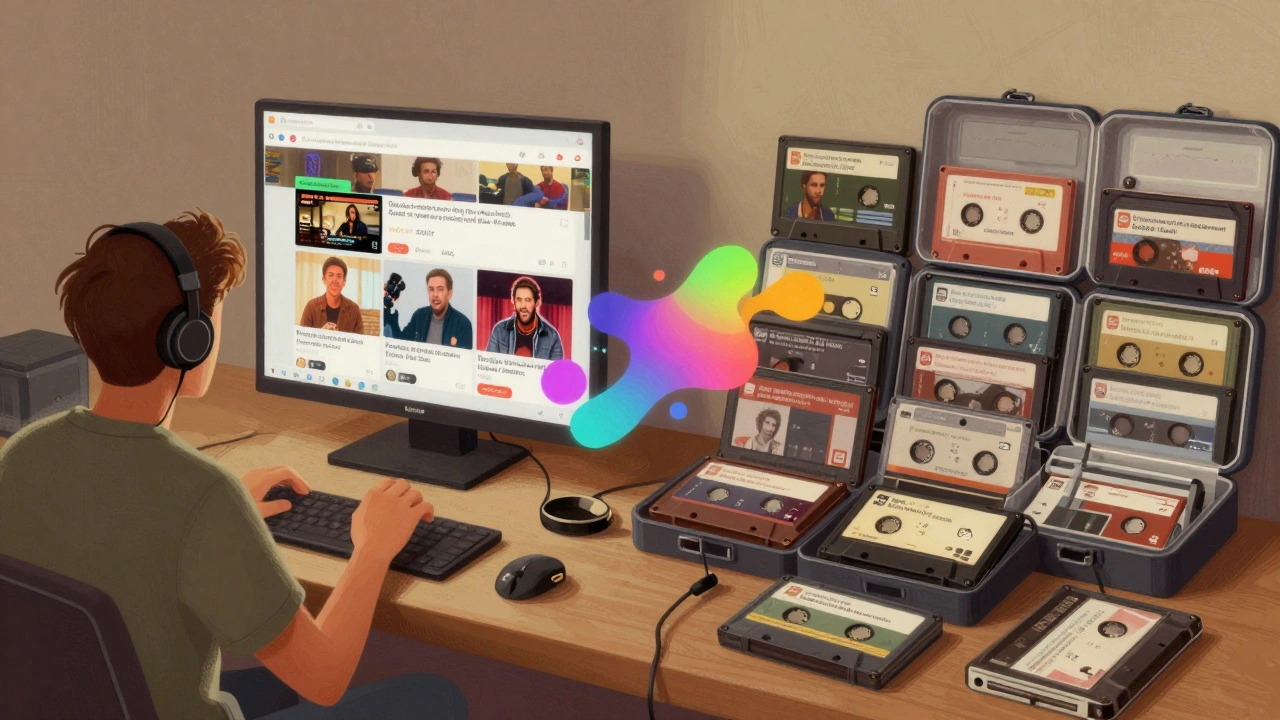
The medium dictates the market mechanics. Digital retro games are becoming more common through re-releases or archives. However, the true inflation happens in the physical sector. Boxes, manuals, and cartridges carry tangible value that digital codes lack. YouTube content heavily favors visuals. Unboxing videos highlight the condition of the physical product.
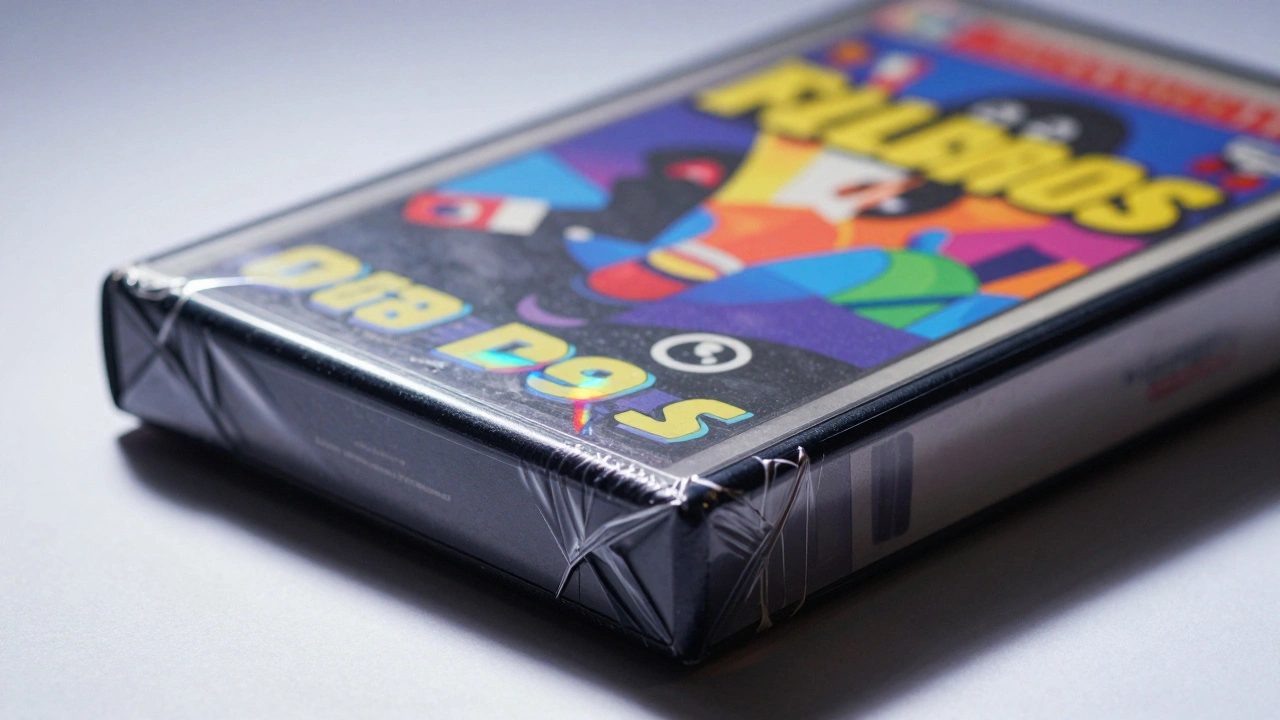
A video showing a scratched cartridge depresses perceived value for buyers expecting perfection. Conversely, a pristine unboxing sets a benchmark for what collectors are willing to pay. Grading standards become part of the narrative. When an influencer critiques the condition of a cheap copy, they educate the audience on grading. An educated audience pays more for graded copies and less for damaged ones. This polarization strengthens the market for high-grade items while leaving loose cartridges struggling.
This dynamic also touches on Streaming Culture the trend of broadcasting gameplay live or recorded. Live streams offer real-time interaction. Viewers can request specific levels or challenge modes. If they achieve their goal via the streamer, they feel accomplished without playing. This reduces the drive to hunt down a functioning console and controller setup, further depressing demand for working loose systems.
Strategy for Collectors and Sellers
So, what do you do with all this information? If you are collecting, do not chase games solely because a video came out yesterday. Wait. See if the interest sustains. Viral spikes fade quickly. True collector value holds across years. If you are selling, time your sales to coincide with relevant content drops. Upload your listings a day before a known upload schedule. Use keywords from the video title in your description to capture that search traffic.
Understand that narrative-heavy games are riskier investments following viral exposure. Games focused on pure skill or replayability, like platformers or fighting games, tend to maintain buy-in better. People want to master the mechanics themselves rather than just watching someone else beat a level. Use genre analysis to predict which items will retain value after the hype passes.
Finally, join the conversation. Engage in the comment sections. Ask questions. Being part of the community gives you early insight into sentiment. If the general consensus is shifting toward preservation and investment rather than nostalgia consumption, that signals price stability. If the talk turns purely to storytelling and lore, expect demand to soften as viewers seek alternative ways to consume the media.
Do YouTube reviews always lower game sales?
Not always. It depends on the game type. Narrative games often see purchase dips because watching satisfies curiosity. Action games with high replayability might see stable or increased interest depending on how skilled the creator looks.
Should I sell my retro game after a popular video drops?
Timing is key. Sell shortly after the initial spike when traffic is highest. Waiting too long lets the hype die down, potentially lowering the price you could get.
What kind of videos affect prices the most?
Unboxing videos and detailed walkthroughs have the strongest impact on physical market prices. Reviews focusing on flaws or technical issues can depress values significantly.
Is the retro market influenced by digital streaming?
Yes. Streaming culture creates a sense of virtual ownership. While it doesn’t stop people from wanting physical copies, it does change how they value the completeness of owning a cartridge versus just playing a port.
How do I know if a game is worth investing in?
Look for limited production runs, cultural significance, and consistent community interest over time. Avoid relying on a single viral moment to determine long-term value.