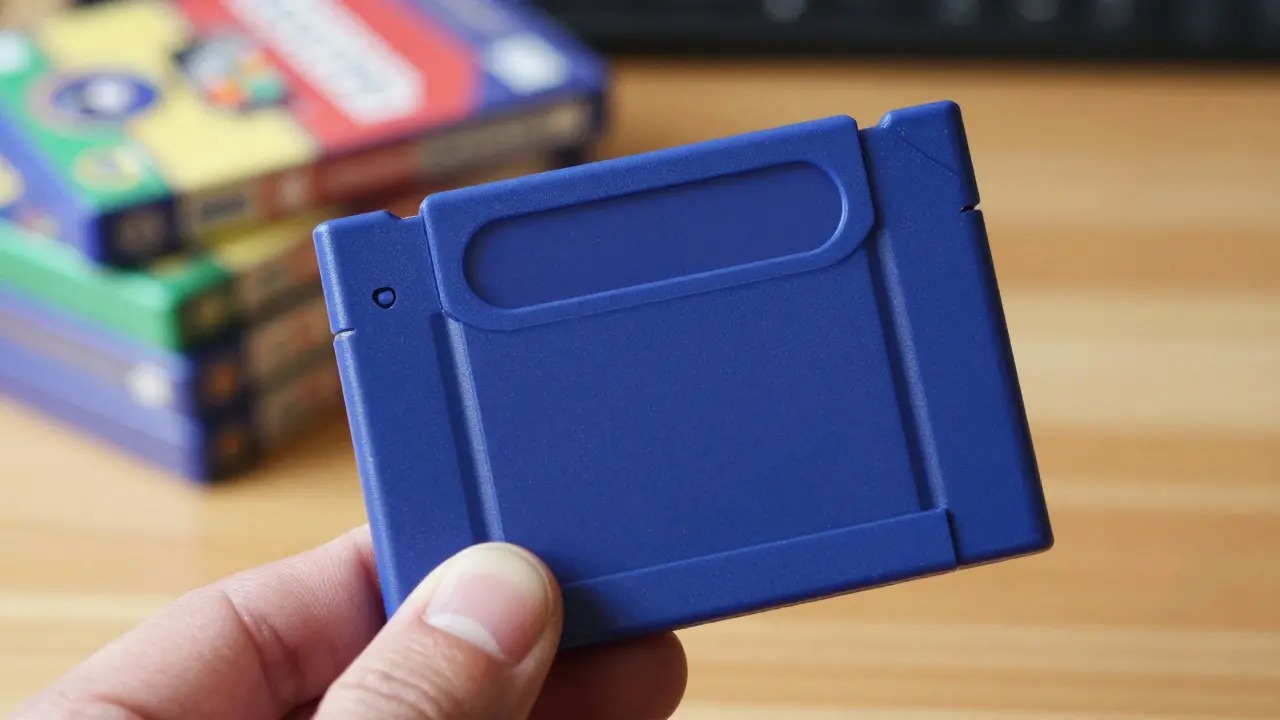
There is a specific kind of joy in holding a Nintendo GameCube cartridge. It’s solid, it fits perfectly in your hand, and unlike the flimsy discs of its competitors, it feels like a toy that was built to last. But for collectors, the GameCube era (2001-2007) is tricky. The library is smaller than PlayStation 2 or Xbox, but the condition variance is huge. A game with a scratched disc might be worth $5, while the same game in a sealed box with a clean manual can fetch $40. If you are building a collection or trying to sell off old stock, understanding the physical quirks of this system is the difference between a fair deal and getting ripped off.
The Anatomy of a GameCube Cartridge
To understand value, you first have to understand the object. A standard GameCube game consists of three parts: the plastic shell, the internal PCB (printed circuit board), and the label. Unlike modern digital downloads, these are physical objects that degrade. The most common issue isn’t the shell cracking-it’s the label peeling or fading due to UV light exposure. Many early 2000s labels used adhesives that failed over time. If you are buying a "complete" set, check the back of the box. A missing manual drops the value significantly because manuals often contain regional coding information and warranty details that collectors look for.
One unique aspect of the GameCube hardware is the lack of an optical drive for primary media. While some later systems used DVDs, the GameCube relied entirely on proprietary cartridges. This makes them more durable than CD-based games but also more expensive to produce. That production cost is why even common titles hold their value better than many PS2 or Xbox titles from the same era.
Double Disc Games: The Collector’s Headache
This is where most new collectors get tripped up. About 30% of the GameCube library required two discs to play the full experience. These are known as "double-disc" or "two-disc" games. The classic example is Super Smash Bros. Melee. When you buy this game today, you need to ask one critical question: Does it come with both Disc 1 and Disc 2?
Disc 1 contains the main menu and character selection. Disc 2 contains the actual gameplay data for certain stages and modes. Without Disc 2, your copy is incomplete. In the secondary market, a single-disc copy of Melee sells for roughly $8-$12, while a complete two-disc set in good condition can range from $25 to $45 depending on the region and box condition. Other notable double-disc titles include F-Zero GX, Metroid Prime, and Star Fox Adventures.
| Title | Single Disc Only | Complete Set (Both Discs + Box) | Sealed/Mint Condition |
|---|---|---|---|
| Super Smash Bros. Melee | $8 - $12 | $25 - $45 | $150 - $200+ |
| Metroid Prime | $6 - $9 | $18 - $30 | $120 - $180 |
| F-Zero GX | $5 - $8 | $15 - $25 | $80 - $120 |
| Star Fox Adventures | $4 - $7 | $12 - $20 | $60 - $90 |
Why does the price jump so much? It’s scarcity. When people cleaned out their garages in the late 2010s, they often threw away the second disc because they didn’t realize it was necessary for resale value. Now, finding a second disc in mint condition is harder than finding the first one. Always inspect the spine of the case. Double-disc cases have a distinct ridged texture on the back to hold the second disc slot. If the back is smooth, it’s likely a single-disc variant or a replacement case that doesn’t fit the original design.
Memory Cards: The Forgotten Accessory
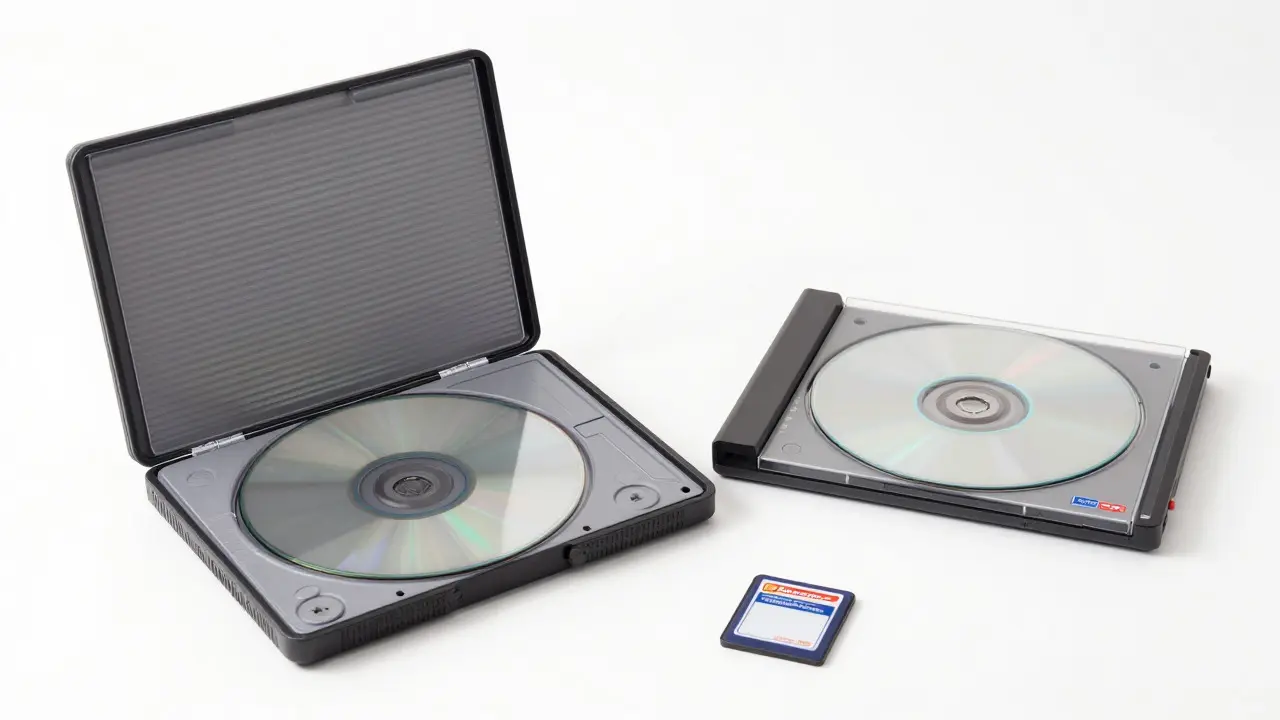
You can’t talk about GameCube collecting without mentioning GameCube Memory Cards. These small, credit-card-sized devices were essential for saving progress. They came in two sizes: 4MB and 8MB. The 4MB card was the standard launch accessory, while the 8MB card arrived later to accommodate larger save files for RPGs like Final Fantasy Crystal Chronicles.
Are they valuable? Generally, no. A standard 4MB memory card in working order sells for $3-$5. However, there are exceptions. The Animal Crossing expansion pack included a special memory card with extra space for villager data. Sealed copies of these can go for $20-$30. Also, look for the "Mini Memory Card." These were smaller, cheaper versions released in Europe and Asia. They are rarer in North America and can command a premium if found in a complete package.
A pro tip: Test the memory card before buying. Insert it into a console and try to save a file. If the LED blinks red rapidly, the card is failing. Bad memory cards are common because the flash memory degrades over time if left in a hot environment. A non-working card is worth less than a dollar unless you’re a technician who can reflash it.
Color Variants and Limited Editions
The GameCube launched in multiple colors, and each has a different impact on collector value. The original Indigo Blue is the most common and holds steady value. The Copper Red and Silver variants are slightly rarer but not dramatically more expensive. However, the Dolby Pro Logic II version of the console (identifiable by the silver faceplate and specific model number DOL-001) is sought after by purists because it was the final revision before the system was discontinued.
Limited editions change the math entirely. The Super Smash Bros. Melee bundle included a special blue controller and a clear blue console. These bundles, especially when unopened, can sell for $300-$500. Similarly, the WarioWare micro-console release in Japan included a tiny, handheld-style GameCube. These are niche items that appeal to hardcore collectors rather than casual buyers. If you find one, photograph the serial number and check recent eBay sold listings, not asking prices. Asking prices are often inflated; sold prices tell the truth.
Regional Differences: US, EU, and JP
GameCube was not region-locked for games, which is a major selling point for international collectors. You could play a Japanese Pikmin cartridge on a US console without any modding. This means Japanese releases are highly valued in the West because they often feature exclusive content, different cover art, or bonus demos.
European releases are generally the least desirable for US-based collectors due to language barriers and lower print runs. However, European-exclusive games like Wii Sports (wait, that’s Wii-let’s stick to GC) like Luigi’s Mansion had different packaging standards. EU boxes often included a separate instruction booklet instead of a manual inside the box. For a "complete" EU set, you need the box, the cartridge, the manual, and the warranty slip. Missing any of these reduces the grade from "Mint" to "Very Good," which can drop the price by 20-30%.
How to Grade Your Collection
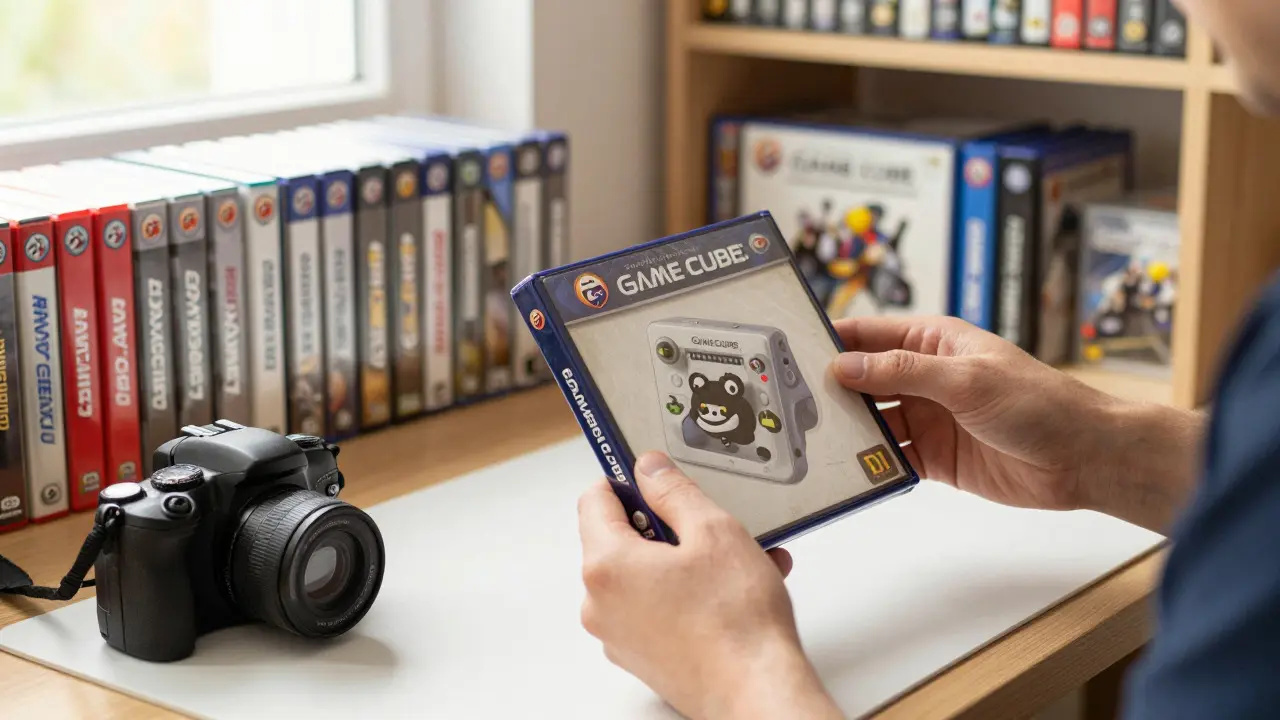
Consistency is key when listing items. Use the standard grading scale:
- Mint (M): Looks brand new. No scratches, no wear, manual present. Box corners sharp.
- Near Mint (NM): Minor shelf wear. Maybe a tiny scratch on the top edge of the box. Manual present.
- Very Good (VG): Visible wear on box edges. Label on cartridge may have slight peeling. Manual present but dog-eared.
- Good (G): Significant wear. Box may have water damage or faded colors. Manual might be missing.
- Fair (F): Playable, but cosmetic issues are severe. Case might be cracked. No manual.
Common Pitfalls to Avoid
Don’t assume that a "sealed" game is actually sealed. Some sellers use heat guns to reseal opened boxes. Check the shrink wrap. Original Nintendo shrink wrap has a consistent bubble pattern and usually includes a date code stamped on the corner. Resealed wrap looks tighter and lacks the date stamp. Also, beware of "replacement cases." Nintendo did issue replacement cases for damaged ones, but they look slightly different. The font on the spine is thinner, and the hinge mechanism is weaker. Collectors prefer original cases, so a game in a replacement case is worth 10-15% less than one in the original.
Another pitfall: ignoring the manual’s condition. A pristine cartridge with a torn manual is a mismatch. Buyers want completeness. If the manual is missing, state it clearly in the title. "GameCube Game - Super Mario Sunshine (No Manual)" sets expectations and prevents returns.
Frequently Asked Questions
Are GameCube games region locked?
No. GameCube games are not region locked. You can play a Japanese cartridge on a US console and vice versa. This makes international collecting easier and increases the demand for rare Japanese exclusives.
Which GameCube games are worth the most money?
The most valuable games are typically those with limited print runs or high cultural impact. Super Smash Bros. Melee (sealed), Luigi’s Mansion (special edition), and Metroid Prime (limited run) are top contenders. Japanese exclusives like Pikmin (first release) also command high prices due to scarcity in Western markets.
What is the difference between a 4MB and 8MB GameCube memory card?
The 4MB card was the standard launch accessory. The 8MB card was released later to support larger save files for complex RPGs. Functionally, they work the same way, but the 8MB card offers double the storage. Both are now considered accessories, with value determined by condition and rarity rather than capacity.
How do I know if a GameCube game is a double-disc set?
Check the back of the case. Double-disc cases have a textured ridge to hold the second disc. Also, look at the spine; it will often say "2 Discs" or show two disc icons. Common double-disc games include Super Smash Bros. Melee, Metroid Prime, and F-Zero GX.
Is it worth restoring old GameCube consoles?
For most people, yes. Cleaning the contacts and replacing the thermal paste can extend the life of an aging console. However, for collectors, a console with visible repairs may lose value compared to a unit with original components. If you plan to sell, keep track of all parts replaced and disclose them to buyers.